Navigating New Year's Eve with Neurodivergent Kids: An SEL Approach
Understanding the New Year's Eve Challenge for Neurodivergent Kids
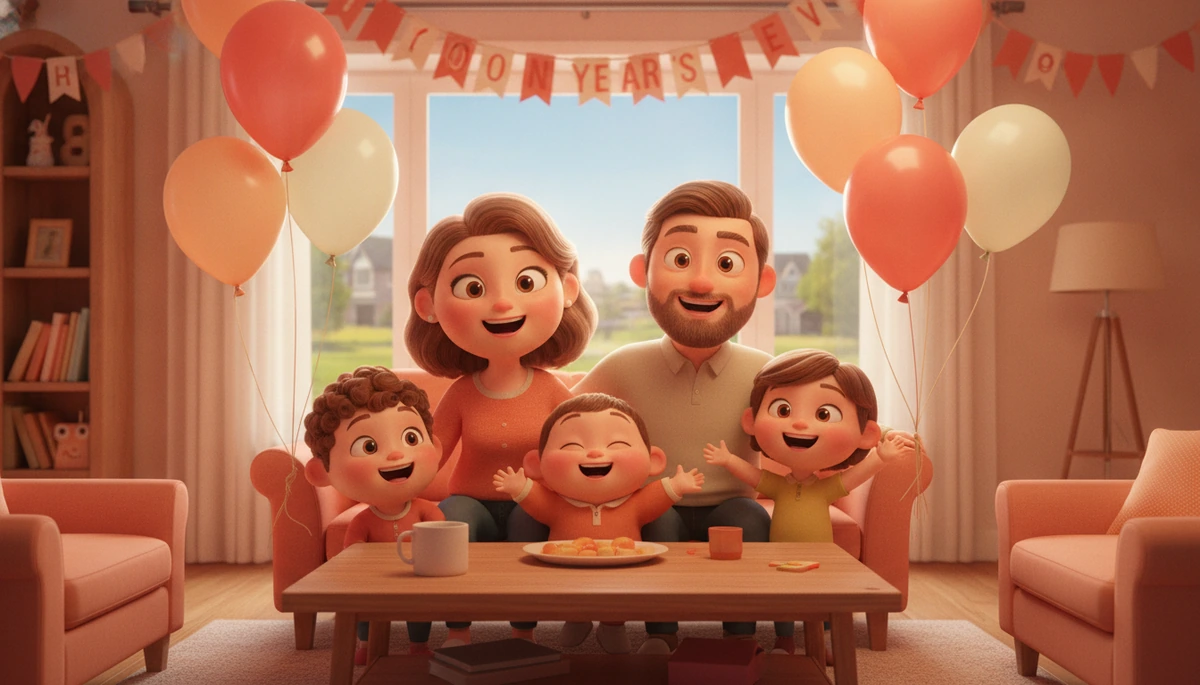
New Year's Eve is a time of celebration and reflection. However, for neurodivergent kids, it can be a particularly challenging event. The late-night celebrations, sudden changes, and high-energy atmosphere can be overwhelming. As part of our complete guide to Holidays + Sensory-Heavy Events: A Year-Round Survival Guide for ND Families, this article explores how to navigate New Year's Eve with children who find change difficult.
Why NYE Hits ND Kids Hard
For neurodivergent children, especially those with autism or ADHD, New Year's Eve can be a sensory overload. The combination of disrupted routines, loud noises, and the pressure of social gatherings can lead to heightened anxiety [C2]. The transition from one year to another, although symbolic, may be difficult to comprehend and manage emotionally.
Imagine this: your child is used to a specific bedtime routine, but on New Year's Eve, they are expected to stay up late with unfamiliar sounds and activities. This disruption can lead to stress and unpredictable behavior. Understanding these challenges allows parents to better support their children through the night.
Many parents find that children who have a clear explanation of what to expect tend to manage the night better. Parents who provide a simple itinerary and use visual supports like picture schedules often see a reduction in anxiety. This preparation aligns with the SEL competency of self-awareness, helping children recognize and anticipate their emotional responses.
Alternative Timing: 'Noon Year's Eve'
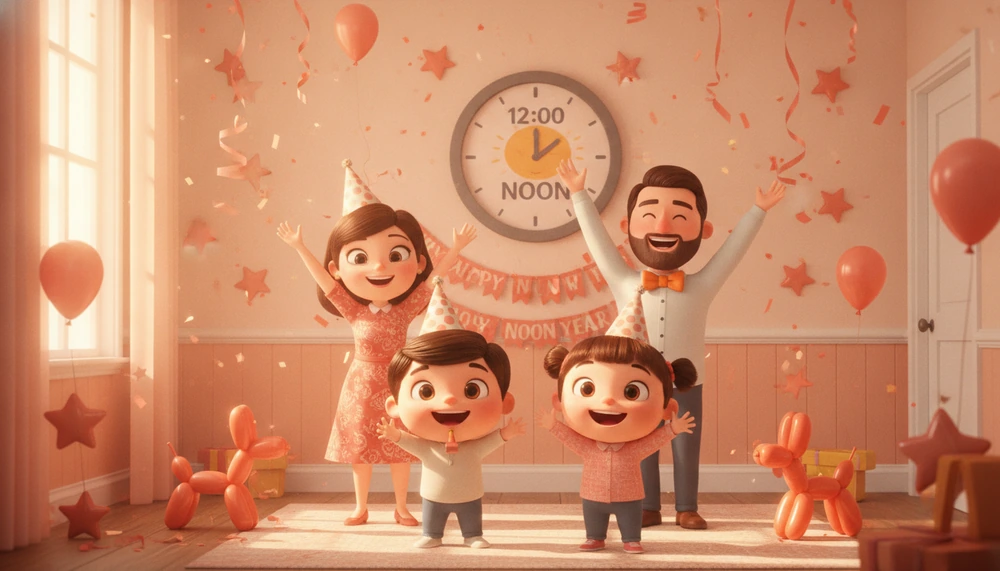
One creative solution is to celebrate a "Noon Year's Eve". This allows families to enjoy the festivities without the late-night stress. Hosting a celebration at noon keeps routines intact, providing a structured and predictable environment.
- Maintains regular bedtime routines.
- Reduces sensory overload by celebrating during daylight hours.
- Encourages inclusive participation from all family members.
Example: Set up a "noon countdown" with a balloon drop and a toast of sparkling juice. This can offer a sense of excitement and celebration while keeping the atmosphere calm and controlled.
In a family I worked with, shifting the celebration to noon transformed their experience. The children enjoyed decorating the house with streamers and making crafts related to New Year's Eve. The family created a "memory jar" where everyone wrote down a favorite moment from the past year. This activity not only engaged the children but also encouraged social awareness by sharing and listening to each other's memories.
Should You Stay Up? Honest Cost-Benefit
Deciding whether to keep your child up for New Year's Eve should be a thoughtful decision based on their individual needs. Consider the cost-benefit: does the potential joy outweigh the possible stress?
- Pros: Sharing the tradition can be a bonding experience. It can also help children feel included in family traditions.
- Cons: The disruption might lead to emotional dysregulation, affecting the days following the celebration.
Many parents choose a hybrid approach—starting the celebration with family and allowing children to decide if they'd like to continue or head to bed at their usual time.
Consider a scenario where your child decides to stay up. Prepare by creating a quiet space where they can retreat if overwhelmed. Use noise-canceling headphones or a weighted blanket as tools for self-management. This empowers children to make responsible decisions about their comfort.

Year-End Social Story for the Transition to a New Year
Social stories are an excellent way to prepare children for transitions. A year-end social story can help explain the concept of a new year, what changes it might bring, and how to handle those feelings of uncertainty.
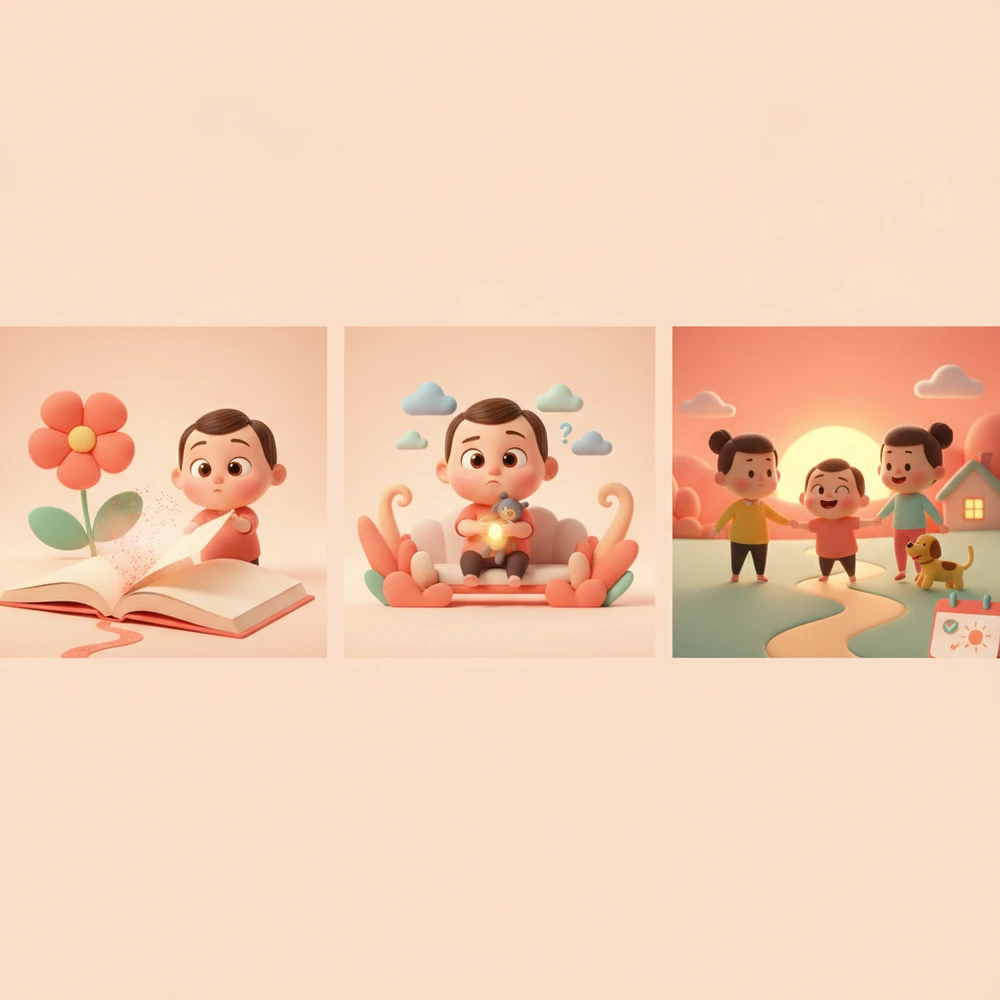
- Introduce the Concept: "A new year is like turning a page in a book."
- Discuss Feelings: "It’s okay to feel a little unsure about what comes next."
- Set Expectations: "We will celebrate together and then return to our regular routine."
Explore our collection of social stories to find the perfect one for your child.
In one family session, a mother shared how a social story helped her seven-year-old son understand the transition. They read it together over several evenings leading up to New Year's Eve, allowing him to ask questions and express his feelings. This practice enhanced his relationship skills, enabling him to communicate his needs effectively.
New Year Resolutions for Kids: SEL Framing
New Year resolutions can be an opportunity to develop SEL skills. Instead of focusing on results, frame resolutions around self-awareness and self-management.
- "I will practice deep breathing when I feel overwhelmed."
- "I will take turns when playing with my friends."
- "I will use my words to express how I feel."
These goals encourage reflection and personal growth, aligning with CASEL's SEL competencies [C1].
Consider facilitating a resolution-making session with your child. Use visuals like stickers or drawings to represent each goal. This not only makes the process engaging but also reinforces the responsible decision-making competency by allowing children to choose what they wish to work on.
January 1 Morning: Starting Strong
The morning of January 1 can set the tone for the entire year. Returning to familiar routines helps reinforce stability and security.
- Breakfast Together: Start the day with a nutritious meal and family conversation.
- Reflect on the Past Year: Share positive memories and achievements.
- Discuss Excitement for the Year Ahead: Set a positive and hopeful tone.
Example Script: "Today is a new start! Let’s talk about our favorite memories from last year and what we’re excited to try this year."
Families might use this morning as a moment of connection. Choose a simple activity like a nature walk or a family game that encourages togetherness. This approach not only strengthens relationship skills but also instills a sense of community and belonging.
Free Download: 'Welcome to a New Year' Social Story
To help your child transition smoothly into the new year, download our free 'Welcome to a New Year' social story. It provides a gentle and engaging way to discuss changes and expectations for the coming year.
References
1 Shanker, S. (2016). Self-Reg — applied to disrupted routines.
2 Prizant, B. et al. (2006). The SCERTS Model — sensory considerations for events.
Try It This Week
Reading is the easy part. Skills build through small, repeated practice — here's a low-pressure plan you can try with your child.
- 1Introduce Noon Year's EveDay 1Celebrate New Year's at noon to maintain routines and reduce sensory overload.use this story →👉 What this looks likePlan a 'Noon Year's Eve' celebration with your child. Decorate the living room with balloons and streamers. Have a countdown to 12:00 noon with a balloon drop and toast with sparkling juice. This keeps the excitement while maintaining a sensory-friendly environment.
- 2Prepare a Social StoryDay 2-3Create a social story to explain the New Year transition and expectations.in the SocialBlossom app →👉 What this looks likeWrite a simple social story with your child. Include pictures or drawings that represent turning a new page, feeling unsure, and returning to routine. Read it together daily leading up to New Year's Eve to build comfort and understanding.
- 3Set SEL-Focused ResolutionsThis weekHelp your child make New Year resolutions that build SEL skills.read more on SEL →👉 What this looks likeSit down with your child and discuss possible resolutions. Use colored paper and markers to write or draw resolutions like 'I will practice deep breathing.' Display them where they can see daily as a reminder of their goals.
- 4Morning Reflection RitualJanuary 1Start January 1 with a reflective activity to set a positive tone.👉 What this looks likeBegin the day with a family breakfast. Invite each member to share a favorite memory from the past year. Discuss what everyone is excited to try in the new year, fostering a sense of hope and connection.
- 5Create a Sensory RetreatOnce this weekSet up a quiet space for sensory relief if needed during celebrations.👉 What this looks likeDesignate a corner of a room as a sensory retreat with cushions, a soft blanket, and headphones. During any celebration, remind your child they can use this space if they feel overwhelmed, supporting self-management.
Frequently Asked Questions
How can I help my neurodivergent child enjoy New Year's Eve?
What is 'Noon Year's Eve'?
Are social stories effective for New Year's transitions?
What are SEL-focused New Year resolutions?
How can we start the New Year positively with our kids?
References
