Helping Your Tween Navigate Social Media Through SEL
Why Age 13 Isn't a Magic Line
For many parents, the age of 13 seems to be a pivotal moment when it comes to allowing tweens access to social media. However, it's essential to understand that 13 is not a magical age where children suddenly become responsible digital citizens. According to research by Jean Twenge, the onset of social media use can significantly impact a tween's emotional health 1. This makes it crucial to equip them with the necessary social-emotional learning (SEL) skills well before they reach this age.

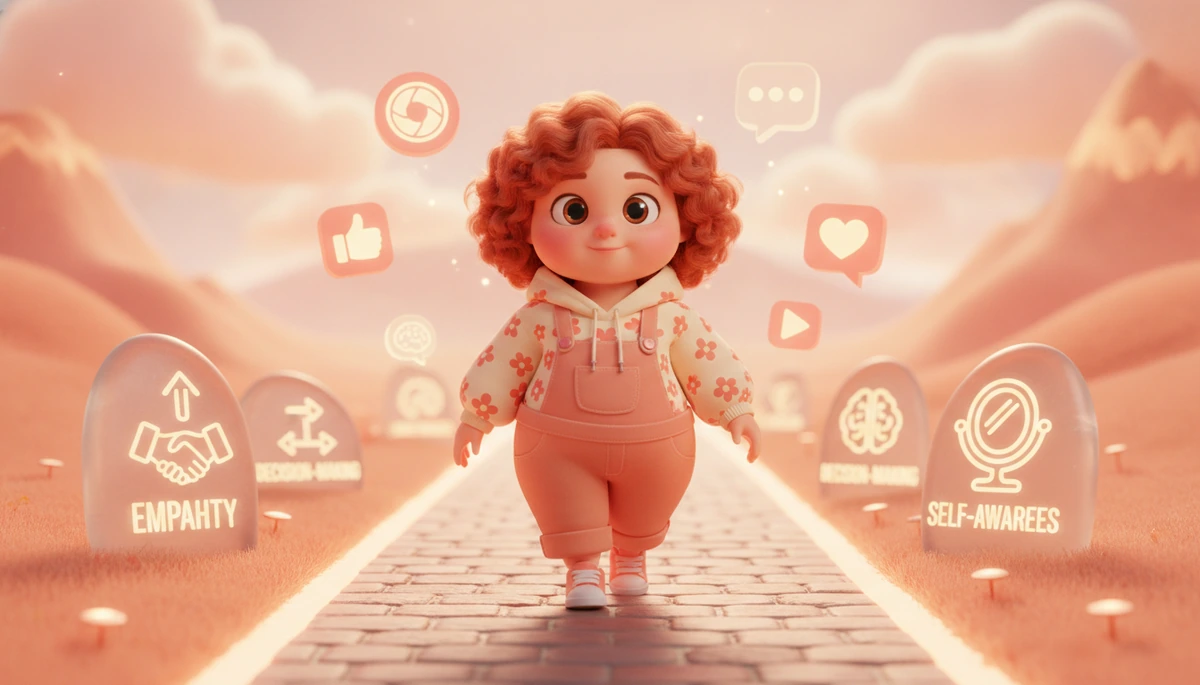
Allowing a child to open their first social media account at 13 should be seen as a starting point for teaching them vital SEL competencies. These include self-awareness, self-management, social awareness, relationship skills, and responsible decision-making. Each of these skills plays a crucial role in how tweens navigate the digital world.
In my practice, I've witnessed the importance of a gradual introduction to social media, emphasizing SEL skills to help children manage this transition smoothly. Parents often share concerns about their child's readiness, and I advise approaching this step as a collaborative journey.
This article is part of our complete guide to Tween SEL (Ages 11-13): A Parent's Guide to the Hardest Years.
SEL Skills Your Tween Needs BEFORE Their First Account
Before your tween ventures into the world of social media, it's vital they possess certain SEL skills. These skills help them navigate potential online challenges. Self-management is crucial for handling the impulsivity that can come with online interactions. Social awareness helps them understand and empathize with others' perspectives online. Responsible decision-making enables them to judge what to post or how to respond appropriately.
To build these skills, it's helpful to design activities that simulate online interactions. Role-playing different scenarios can be particularly effective. For instance, you can set up a mock "comment section" where your tween practices responding to various comments, both supportive and critical. This role-play can strengthen their ability to pause and consider the impact of their words.
Example: Imagine your tween sees a hurtful comment about a classmate online. Instead of reacting impulsively, they can pause, recognize the impact of their actions, and choose to support their classmate instead. This demonstrates responsible decision-making and social awareness.
To help your tween develop these skills, consider discussing real-life scenarios and practicing social stories from our product collection. These stories provide a safe space for learning and reflection.
FOMO + Comparison: The Daily SEL Load
Fear of missing out (FOMO) and constant comparison are common struggles for tweens on social media. They can lead to feelings of inadequacy and anxiety. Encouraging your tween to develop self-awareness can help mitigate these feelings. Teach them to recognize when they are comparing themselves to others and to focus on their own strengths and achievements.
Encourage daily reflections on their online experiences. Keeping a journal where they note what they enjoyed, what made them uncomfortable, and what they learned can be a powerful tool for building self-awareness. This reflective practice encourages them to internalize their experiences and develop a balanced view of their online interactions.
In my practice, I've seen many parents who worry about their child's self-esteem due to social media. I often suggest setting aside time each day to discuss what they saw online and how it made them feel. This not only builds self-awareness but also strengthens parent-child relationships.

Privacy as a Self-Advocacy Skill
Understanding privacy is a critical part of self-advocacy. Tweens need to learn how to protect their personal information online and understand why it matters. Discussing privacy settings and the importance of keeping personal details confidential can empower them to make safer choices.
Consider creating a checklist of privacy settings to review together whenever they join a new platform. This practice not only informs them about potential risks but also reinforces the habit of assessing privacy options as a standard procedure.
Example: Picture this: your tween is setting up their first social media profile. Encourage them to go through privacy settings with you, explaining each choice. Ask them why they chose certain settings and what they think the consequences might be. This dialogue helps them understand the importance of privacy in a tangible way.
When Phones Come Out at School (The Sleep Cost)
The use of phones at school can disrupt not only learning but also sleep. The blue light emitted from screens can interfere with melatonin production, impacting sleep quality. Encouraging self-management by establishing a "no phones before bed" rule can help improve their sleep hygiene.
Additionally, you might introduce a "tech basket" where all family members place their devices an hour before bedtime. This communal activity not only sets a routine but also models positive behavior for your children.
- Parent: "I've noticed you stay up late on your phone. How do you feel in the morning?"
- Tween: "Tired, but I want to see what everyone is doing."
- Parent: "What if we set a rule to put phones away an hour before bed? It might help you feel more rested."
This conversation opens up a discussion on responsible decision-making and helps them see the benefits of managing their screen time.
Family Media Plan Template (AAP)
Creating a family media plan can set clear expectations and boundaries around technology use. The American Academy of Pediatrics (AAP) offers a Family Media Plan that can be customized to fit your family's needs 2. This plan encourages discussions about media use and helps identify priorities and goals.
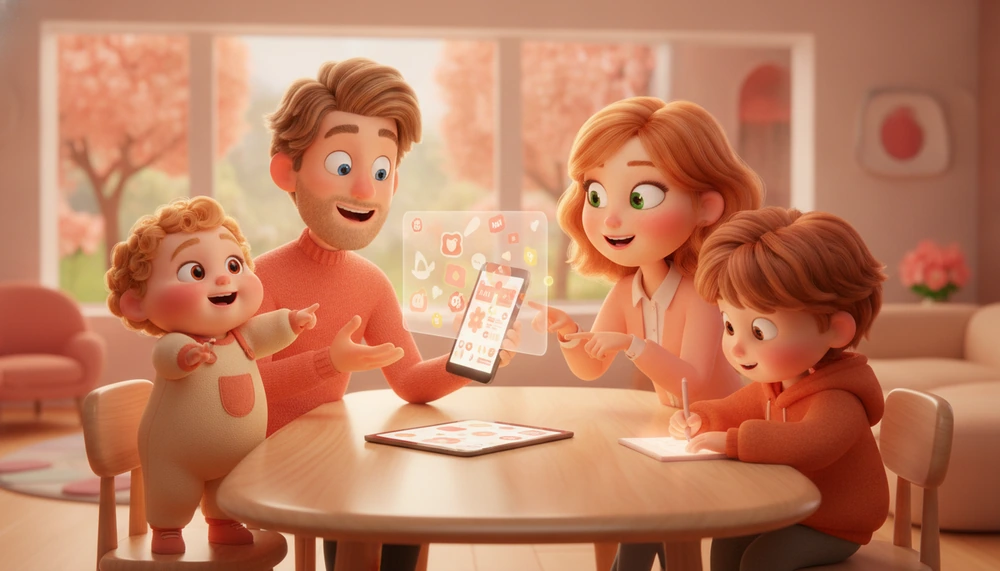
Engage your tween in the planning process by asking them to contribute their thoughts on what should be included. This involvement not only makes the plan more comprehensive but also fosters a sense of responsibility and ownership over their media use.
Steps to Create a Family Media Plan:
- Establish screen-free zones: Designate areas in your home where screens are off-limits, such as the dining room.
- Set screen time limits: Decide on daily screen time limits and stick to them.
- Model good behavior: Show your tween how you manage your screen time effectively.
- Discuss online etiquette: Talk about the importance of treating others with respect online.
- Review regularly: Schedule regular check-ins to discuss how the plan is working.
When to Check, When to Trust
Balancing supervision and trust can be challenging. It's important to check in on your tween's online activities, but also to trust them to make good choices. Building relationship skills is key here.
Encourage a weekly "tech talk" where your tween shares their favorite apps or a new skill they've learned online. This regular dialogue not only builds trust but also opens opportunities for you to guide their online interactions.
Example: Start by having open conversations about what they do online. Ask them to show you their favorite apps and explain why they like them. This builds trust and opens the door for more meaningful discussions about their online interactions.
References
1 Twenge, J. (2017). iGen: Why Today's Super-Connected Kids Are Growing Up Less Rebellious, More Tolerant, Less Happy—and Completely Unprepared for Adulthood. Retrieved from Twenge Research.
2 American Academy of Pediatrics. Family Media Plan. Retrieved from AAP.
3 American Academy of Pediatrics. Bright Futures: Guidelines for Health Supervision (4th ed.). Retrieved from AAP.
Try It This Week
Reading is the easy part. Skills build through small, repeated practice — here's a low-pressure plan you can try with your child.
- 1Role-play online scenariosDay 1Simulate online interactions to practice SEL skills. Helps manage impulsivity and empathy.use this story →👉 What this looks likeSet up a mock online comment section at home. Have your child practice responding to both positive and negative comments. Discuss their choices and the possible impact. This exercise helps them pause and think before reacting online.
Frequently Asked Questions
What SEL skills are essential for tweens before using social media?
How can I help my child manage FOMO on social media?
What should be included in a family media plan?
How can I teach my tween about privacy online?
When should I trust my tween online?
References
- Twenge, J. (2017). iGen: Why Today's Super-Connected Kids Are Growing Up Less Rebellious, More Tolerant, Less Happy—and Completely Unprepared for Adulthood. Retrieved from Twenge Research.
- American Academy of Pediatrics. Family Media Plan. Retrieved from AAP.
- American Academy of Pediatrics. Bright Futures: Guidelines for Health Supervision (4th ed.). Retrieved from AAP.