Navigating Tween Emotional Development: A Guide for Parents

Understanding Tween Emotional Development
Navigating the tween years, ages 11 to 13, can be both exhilarating and challenging for parents and children alike. This period is marked by significant changes in the brain, identity formation, and social interactions. Emotional development during these years is crucial as tweens begin to form a deeper understanding of themselves and their place in the world.
In this guide, we'll explore what typical development looks like, identify red flags that might warrant further exploration, and suggest supportive activities to foster healthy social-emotional growth.
In This Guide
-
Tween Identity Formation: 'Who Am I?' Becomes the Question
Explore how identity develops during these pivotal years. -
Tween Mood Swings: Hormones + Brain Development (and What's Normal)
Understand the biological and environmental factors influencing emotional volatility. -
Online and Social Media SEL: A Tween Parent's Guide
Learn how to navigate the digital landscape with your tween. -
Healthy Boundaries with Parents: Yes, Tweens Set Boundaries Too
Discover how to respect and encourage healthy boundary-setting.
The Tween Brain: A Work in Progress
Brain development plays a significant role in tween emotional growth. According to Steinberg's research, this phase is marked by increased connectivity in the brain, particularly in areas responsible for decision-making and emotional regulation 1. During this time, tweens begin to process emotions more deeply and become more self-aware.
The brain's prefrontal cortex, responsible for reasoning and self-control, is still maturing. This ongoing development explains why tweens often act impulsively or struggle with emotional regulation. Understanding these changes can help parents set realistic expectations and provide appropriate support. Recognizing that their child's brain is still a "work in progress" can alleviate some of the frustrations that come from tween behaviors.
The Role of Hormones
Hormonal changes, often linked to the onset of puberty, also contribute to emotional fluctuations. Tweens might experience mood swings or heightened sensitivity, which can sometimes be confusing or overwhelming for both the child and the parent.
Example: Imagine your 12-year-old comes home from school visibly upset because of a disagreement with a friend. They might express their frustration more intensely than before, reflecting the heightened emotional responses typical during this age.

How Parents Can Support
- Encourage open dialogue: Talk to your child about their feelings and experiences. Encourage them to express themselves without fear of judgment.
- Model emotional regulation: Demonstrate how to manage emotions calmly. Show them how you handle stress by verbalizing your process.
- Provide a stable environment: Consistency helps tweens feel secure. Establish routines that offer predictability and safety.
Identity Exploration: 'Who Am I?'
During the tween years, children start to explore their identities, asking questions like "Who am I?" and "Where do I fit in?" Erikson's psychosocial development theory highlights this as a critical stage for identity versus role confusion 2.
As tweens navigate this stage, they may experiment with different roles and personalities. They are trying to figure out where they belong in their social circles and what values resonate with them. This can sometimes lead to conflicts with parents, especially if the tween's choices differ from family expectations. It's essential to approach these differences with curiosity rather than judgment.
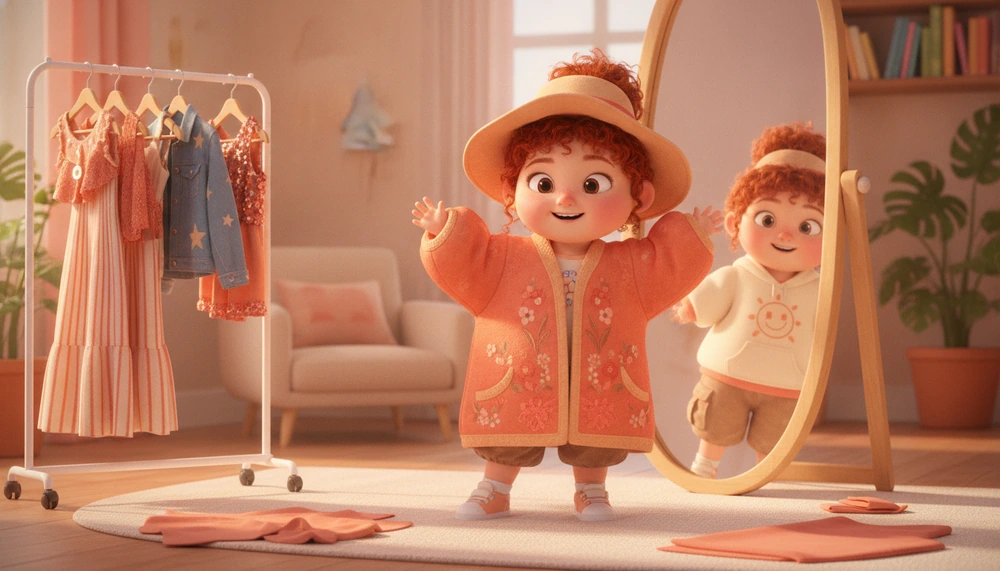
Example: A tween might experiment with different clothing styles, social groups, or activities as they search for their identity.
Supporting Identity Exploration
- Encourage self-expression: Allow your child to explore interests and styles. This might mean supporting them if they want to try a new hobby or express themselves through fashion.
- Celebrate diversity: Teach respect for different perspectives and cultures. Discuss how diversity enriches our communities and personal growth.
- Discuss values: Engage in conversations about what matters to them. Help them articulate their own values and understand how these guide their decisions.
The Impact of Technology
Technology and social media are significant influences on tween emotional development. Twenge's research indicates a correlation between increased screen time and emotional health challenges 3. However, technology also offers opportunities for connection and learning.
As digital natives, tweens are adept at navigating technology, but they still need guidance to use it responsibly. Discussing the impact of social media on self-esteem and identity can be enlightening for both parents and children. Encourage critical thinking about what they see online and how it affects their perceptions of self and others.
Balancing Screen Time
- Set boundaries: Establish clear rules for technology use. Be consistent with these boundaries to help your child understand the importance of balance.
- Encourage offline activities: Promote hobbies and face-to-face interactions. Activities like sports, music, or art can help tweens develop skills outside the digital world.
- Discuss digital citizenship: Teach responsible and respectful online behavior. Discuss the permanence of online actions and the importance of kindness in digital interactions.
Example: Instead of forbidding all screen time, you might set a rule of no devices during dinner, allowing for family connection and conversation.
Common Concerns and Red Flags
While many behaviors are typical for tweens, certain patterns may indicate the need for additional support:
- Persistent sadness or withdrawal
- Difficulty maintaining relationships
- Extreme irritability or anger
If you notice these signs, consider consulting a pediatrician or a mental health professional for guidance. Early intervention can be crucial in addressing potential challenges before they escalate. It's important to approach these issues with empathy, ensuring your child feels supported rather than scrutinized.
Age-Appropriate SEL Activities
Engaging tweens in social-emotional learning (SEL) activities can help them develop critical skills such as empathy, self-regulation, and responsible decision-making.
Activities to Try
- Journaling: Encourage your child to write about their thoughts and feelings. Journaling can be a safe space for self-reflection and emotional processing.
- Role-playing scenarios: Use social stories like Understanding Our Feelings with Katie - Printable Social Story to explore different situations. These stories can help tweens practice empathy and understand different perspectives.
- Mindfulness exercises: Practice breathing techniques, like those in Dragon Breaths to Calm Down - Printable Social Story. Mindfulness helps tweens stay grounded and manage stress.
Engaging in these activities regularly can reinforce SEL concepts and provide tweens with tools to manage their emotions effectively.

Encouraging Peer Relationships
Peer relationships become increasingly important during the tween years. These connections help tweens develop social skills and a sense of belonging.
Fostering Healthy Friendships
- Encourage group activities: Sports teams or clubs can provide social opportunities. These settings allow tweens to practice teamwork and communication skills.
- Discuss friendship qualities: Talk about what makes a good friend. Encourage your child to reflect on their friendships and how they contribute to their well-being.
- Model positive relationships: Demonstrate healthy interactions with your own friends. Show your child how to handle disagreements respectfully and maintain supportive connections.
Example: If your tween has a falling out with a friend, encourage them to use "I feel" statements to express themselves and resolve conflicts. This approach can help them articulate their emotions and find constructive solutions.

Building Strong Parent-Tween Relationships
Maintaining a strong bond with your tween requires understanding, patience, and open communication. As they strive for independence, it's essential to balance guidance with respect for their growing autonomy.
Tips for Strengthening Connections
- Listen actively: Show genuine interest in their thoughts and feelings. Making time to listen without distractions reinforces that their concerns are important.
- Respect their privacy: Allow them some personal space and time. Privacy is crucial as they develop independence and self-identity.
- Be supportive: Encourage their interests and validate their experiences. Recognize their accomplishments and be there to help them navigate challenges.
Conclusion
Navigating the tween years can be challenging, but with understanding and support, parents can help their children thrive during this transformative stage. By focusing on social-emotional learning, parents can equip their tweens with the skills needed for a healthy and fulfilling adolescence.
References
1 Steinberg, L. (2014). Age of Opportunity — adolescent brain research. Retrieved from https://www.penguinrandomhouse.com/books/551348/age-of-opportunity-by-laurence-steinberg/
2 Erikson, E. (1950). Childhood and Society — psychosocial stages framework. Retrieved from https://archive.org/details/childhoodandsoci00erik
3 Twenge, J. (2017). iGen — research on tween/teen tech use + emotional health. Retrieved from https://www.simonandschuster.com/books/iGen/Jean-M-Twenge/9781501152016
4 AAP Bright Futures: Guidelines for Health Supervision (4th ed.). Retrieved from https://brightfutures.aap.org/
Try It This Month
Reading is the easy part. Skills build through small, repeated practice — here's a low-pressure plan you can try with your child.
- 1Start a Daily Emotion JournalDaily, 10 minHave your tween write about their feelings each day. This helps with self-awareness and emotional processing.👉 What this looks likeEach evening, ask your tween to spend 10 minutes writing in a journal. Prompt them with questions like, 'What made you happy today?' or 'Was there something challenging?' This routine encourages reflection and helps them articulate emotions. Over time, they may start to identify patterns in their feelings.
- 2Practice Role-Playing ConflictsWeekly, 20 minUse role-playing to help your tween navigate social challenges. This builds empathy and problem-solving skills.practice this role-playing scenario with our social stories →👉 What this looks likeSet up a scenario where your tween had a disagreement with a friend. Role-play the situation, first with them as themselves, then as the friend. Discuss what each person might feel and how to resolve the issue. This exercise helps them see multiple perspectives and develop solutions.
- 3Explore New Hobbies TogetherThis weekendEncourage your tween to try new activities. This supports identity exploration and builds confidence.👉 What this looks likePlan a weekend outing to try a new activity, such as a pottery class or a hiking trip. Let your tween choose the activity, emphasizing fun and exploration. Afterward, discuss what they enjoyed and learned about themselves. This experience fosters curiosity and personal growth.
- 4Model Emotional RegulationTwice a weekShow your tween how you manage your emotions in real situations. This teaches them by example.👉 What this looks likeDuring a stressful moment, like when you're stuck in traffic, verbalize your feelings: 'I'm feeling frustrated because we're late. I'm going to take a deep breath to calm down.' Then model calming strategies. This transparency helps your tween learn emotional regulation through observation.
- 5Encourage Peer Group ActivitiesOnce a weekFacilitate your tween's participation in group activities. This aids social development and teamwork skills.👉 What this looks likeSign your tween up for a group activity, such as a sports team or a club. Encourage them to participate actively and discuss their experiences afterward. Ask about the dynamics and how they felt being part of a team. This reflection helps them understand social interactions and their role within a group.
- 6Discuss Digital CitizenshipDay 1Teach your tween about responsible online behavior. This builds awareness and safety.👉 What this looks likeInitiate a conversation about online behavior. Discuss topics like privacy settings, the permanence of online actions, and the importance of kindness. Use real-life examples to illustrate these points. This dialogue empowers them to make informed decisions online.
- 7Set Technology BoundariesThis monthCreate a family technology agreement to manage screen time. This promotes balance and intentional use.👉 What this looks likeSit down with your family to create a technology use agreement. Include rules like no screens during meals or before bedtime. Discuss why these rules are important and agree on consequences together. This collaborative approach encourages accountability and mutual respect.
Frequently Asked Questions
How do I support my tween's emotional development?
What are common emotional changes in tweens?
How can I help my tween balance screen time?
What are some SEL activities for tweens?
When should I seek professional help for my tween?
References