Understanding Social Cues: Differentiating ADHD and Autism in Children
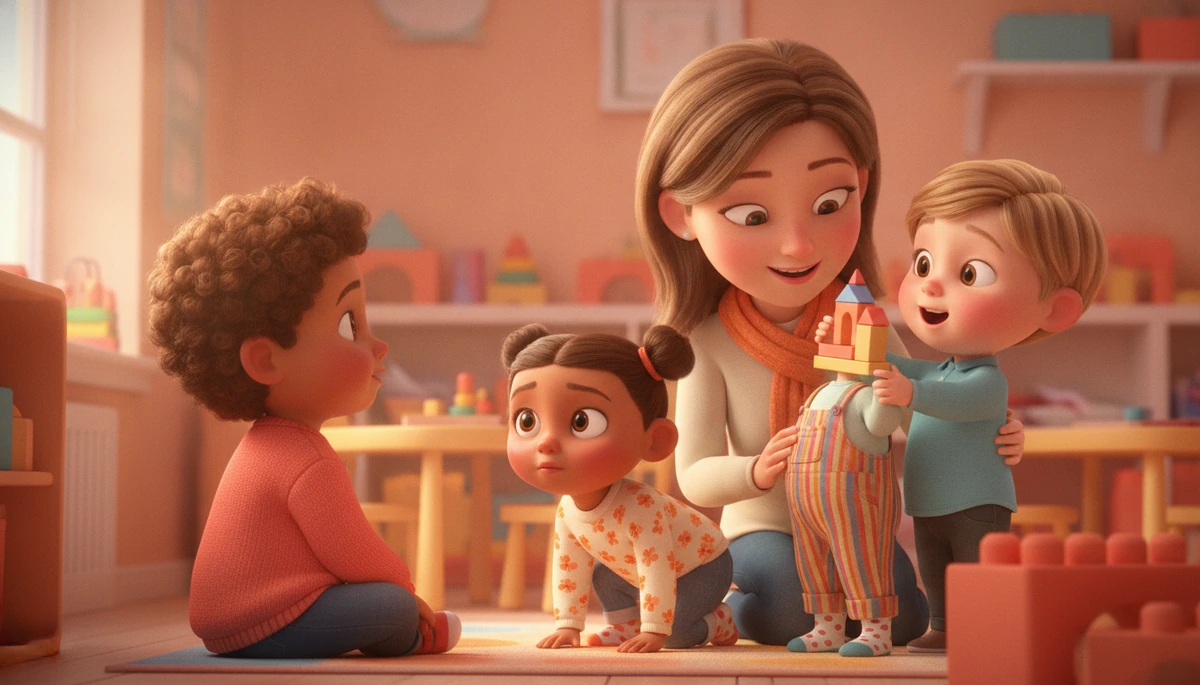
Why ADHD ≠ Autism in Social-Cue Reading
Parents often wonder why some neurodivergent children struggle with reading social cues. It's crucial to understand that ADHD and autism present different challenges in this area. Children with ADHD often miss cues due to attentional issues, whereas those with autism might struggle with decoding social signals 1. This article is part of our complete guide to Social Skills for Kids with ADHD: A Parent's Guide, where we explore how to support your child's social development.
In my practice, I've observed many parents mistaking ADHD social challenges for those seen in autism. It's important to differentiate these so we can provide the right support. Understanding these differences helps in tailoring interventions that play to the strengths of each child. Parents can better appreciate their child's unique way of interacting with the world and provide environments that nurture rather than frustrate.
Attention vs Decoding: The Distinction
Children with ADHD may not notice social cues not because they can't understand them, but because their attention is elsewhere. In contrast, children with autism might miss cues because they interpret them differently, focusing on details rather than the bigger picture 2.
Imagine a classroom setting: A child with ADHD might be focused on a bird outside the window instead of their peer's expression, while a child with autism might be analyzing the peer's shirt pattern instead of the emotion on their face. These scenarios illustrate how each condition manifests uniquely, requiring different strategies for support.
Real-life Script
Consider this scenario: You're at the park with your child. They are playing, and another child approaches with a toy.
- Child with ADHD: “Can I see that?” (without noticing the other child's reluctance).
- Parent: “Did you see their face? What do you think they felt?”
- Child with ADHD: “Oh, I didn’t notice. Maybe they were sad?”
This approach helps redirect attention to social cues without judgment. Encouraging children to reflect on others' emotions fosters self-awareness and empathy, both critical components of social-emotional learning (SEL).

5 'Tune In' Games to Build Observational Skills
Engaging children with ADHD in fun activities can enhance their ability to notice social cues. Here are five games that can help:
- Emotion Charades: Act out different emotions and have your child guess them.
- Story Time Pause: Read stories and pause to ask about character feelings.
- Mirror Game: Mimic each other's facial expressions to build awareness.
- Picture This: Look at photos and discuss what people might be feeling.
- Social Stories: Use social stories like Shivani Learns to Listen with Care to practice scenarios.
These games are not only fun but also provide a safe space to practice new skills without pressure. Each activity encourages children to pause and reflect, fostering mindfulness and attentiveness in social interactions, skills that are crucial for developing social awareness.
In my practice, I've seen children make significant progress through these interactive methods. One child, initially resistant to observing others, found joy in "Emotion Charades," eventually leading to spontaneous recognition of emotions in real-life situations.
Calling Attention to Cues in Real-Time (Without Shaming)
It's vital to encourage children to notice cues without making them feel ashamed. A gentle nudge can be more effective than a critique. This method promotes self-management and responsible decision-making by empowering children to become more aware of their actions and their impacts on others.
Scripted Dialogue
- Instead of: “Why didn’t you notice they were upset?”
- Try saying: “Hey, let’s look at their face together. What do you see?”
This approach builds social awareness and empathy, as outlined by CASEL’s framework 3. Creating a supportive environment where children feel safe to make mistakes and learn from them is crucial. It encourages a growth mindset and resilience.
Movies + TV as Practice Ground
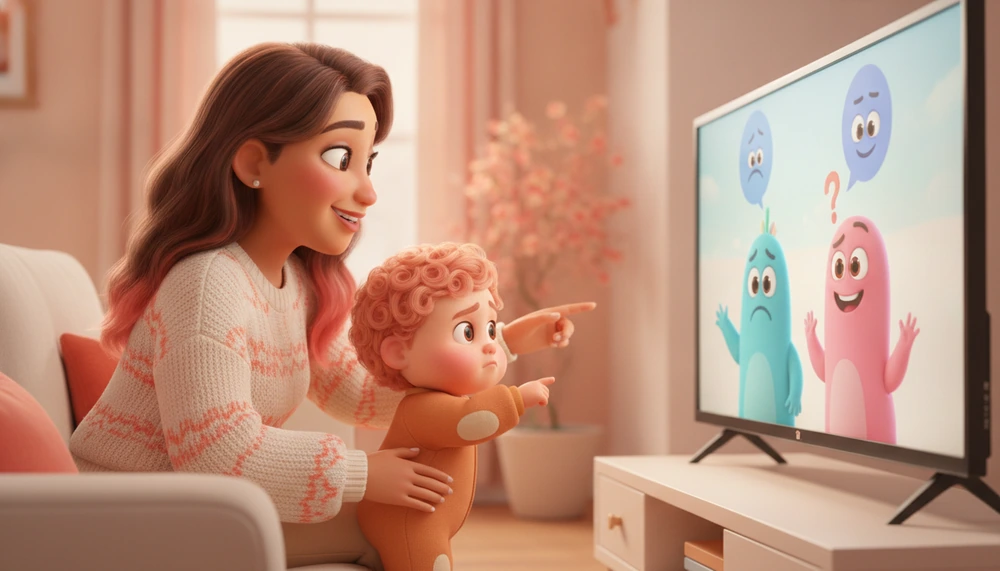
Television can serve as a powerful tool for learning social cues. Shows like Bluey, which depict relatable situations, are excellent for discussing emotions and reactions. Viewing together creates an opportunity for shared experiences and discussions, strengthening relationship skills.
Example Activity
- Watch an episode of Bluey.
- Pause to discuss what the characters might be feeling and why.
- Relate it to real-life situations your child might encounter.
Using media in this way can make learning engaging and less intimidating. Encouraging children to draw parallels between fictional scenarios and their lives helps in generalizing the skills learned.
When the Cue is Missed — Repair Script
Mistakes happen, and missing a cue is not the end of the world. Teaching children how to repair these moments is crucial. This process helps children develop robust relationship skills, emphasizing the importance of repair in social interactions.
Repair Dialogue
- Child: “I didn’t mean to ignore you.”
- Friend: “It's okay. Can we play now?”
- Parent: “You did great noticing and fixing it!”
Learning to repair relationships is a key relationship skill in SEL. It teaches children accountability and encourages them to be proactive in maintaining friendships.
In my practice, I've seen many children benefit from learning this skill. One parent shared how their child began using repair scripts at school, which improved peer relationships and boosted their confidence.
Building This Skill Ages 5-12
Developing these skills is a gradual process. Here's a breakdown of how you can support your child through different ages:
- Ages 5-7: Focus on simple games and stories that illustrate emotions.
- Ages 8-10: Introduce more complex scenarios and discussions.
- Ages 11-12: Encourage reflection on personal experiences and peer interactions.
Regular practice and patience are key. Consulting resources like Setting Limits Without Shame can also be beneficial. These age-specific approaches ensure that the interventions are developmentally appropriate, fostering a supportive environment for growth.

References
1 DuPaul, G. & Stoner, G. (2014). ADHD in the Schools (Guilford, 3rd ed.).
2 Hoza, B. (2007). Peer functioning in children with ADHD. Ambulatory Pediatrics 7:101
3 CASEL. (n.d.). What is the CASEL Framework? Retrieved from https://casel.org/fundamentals-of-sel/what-is-the-casel-framework/
Try It This Week
Reading is the easy part. Skills build through small, repeated practice — here's a low-pressure plan you can try with your child.
- 1Spot an Emotion DailyDaily, 5 minEncourage your child to identify emotions in people they see daily, like family members or TV characters.in the SocialBlossom app →👉 What this looks likeDuring dinner, ask your child, "What do you think Dad is feeling right now?" If they struggle, help them by describing facial expressions or tone of voice. Over time, they'll start noticing these cues independently.
- 2Play Emotion CharadesThis weekendEngage your child in acting out emotions while guessing them to enhance social cue recognition.use this story →👉 What this looks likeGather family members for a game of Emotion Charades. One person acts, while others guess the emotion. Encourage your child to notice body language and facial expressions. Celebrate each correct guess to build confidence.
- 3Watch and PauseEvening TV timeWatch a TV show with your child and pause to discuss characters' emotions and motivations.👉 What this looks likeWhile watching Bluey, pause when a character shows a strong emotion. Ask your child, "Why do you think Bingo is upset?" Discuss possible reasons and relate them to similar real-life experiences.
- 4Read and ReflectBedtime storyRead a storybook and pause to discuss characters' feelings and actions.👉 What this looks likeChoose a storybook like 'Where the Wild Things Are.' After reading a page, ask, "What do you think Max is feeling?" Discuss how the pictures show his emotions, reinforcing visual cues.
- 5Mirror GameMorning routineUse the mirror game to enhance your child's awareness of facial expressions.in the SocialBlossom app →👉 What this looks likeStand in front of a mirror with your child. Make different facial expressions and ask them to mimic you. Then, swap roles and let them lead. This game enhances their ability to notice and interpret expressions.
Frequently Asked Questions
How can I help my child with ADHD notice social cues?
What are good TV shows for teaching social cues?
How do I differentiate between ADHD and autism in social cue reading?
Can missed social cues be repaired?
What age should I start teaching social cue skills?
References