Setting Limits with Compassion: A Guide for Neurodiverse Families

Limits are Kindness, Not Punishment
Setting limits with kids is often misunderstood as a form of punishment. However, limits are essential boundaries that help children feel safe and understand expectations. Limits are a form of kindness, teaching children about responsibility and respect. This approach aligns with the principles of Social-Emotional Learning (SEL), fostering self-awareness and responsible decision-making.
In my practice, I've seen many parents struggle with the balance between setting boundaries and showing empathy. They often feel guilty or fear being too harsh. However, when limits are communicated with compassion, children learn to understand and respect them. It's not about restricting freedom but guiding children towards healthier choices.
Research suggests that children who understand the reasons behind rules are more likely to follow them 1. This understanding enhances their ability to make responsible decisions, a core component of SEL. By framing limits as guidance rather than control, we empower children to develop self-management skills.
This article is part of our complete guide to Discipline Without Damage: An SEL-Based Approach. By integrating SEL principles, you can set limits that nurture emotional intelligence and mutual respect.

The "I Won't Let You" + Empathy Template
One effective way to set boundaries is using the "I won't let you" template, combined with empathy. This method communicates clear limits while acknowledging your child's feelings.
Here's how it works:
- State the limit clearly. For example, "I won't let you hit your brother."
- Acknowledge the child's feelings. "I see you're upset because he took your toy."
- Offer a solution or alternative. "Let's find another toy to play with together."
This template empowers you to maintain boundaries without dismissing your child's emotions. Over time, children learn to express their feelings in healthier ways. By acknowledging emotions, you validate their experiences, which is crucial for developing self-awareness.
In a recent session, a parent shared how using this template transformed their daily interactions. They noticed their child was more willing to discuss feelings and showed improved self-regulation.
When the Kid is Having a Meltdown
Meltdowns are challenging for both children and parents. During these moments, the focus should be on co-regulation, helping your child regain control while maintaining clear boundaries.
Imagine your child is at the supermarket and wants a toy. When you say no, they start crying loudly. Here's a possible approach:

- Stay calm and close. Kneel down to their level and say, "I know you're upset because you want the toy."
- Reinforce the limit. "We can't buy toys today, but we can look at them together."
- Guide them to calm down. "Let's take deep breaths together. I'm here with you."
This approach not only sets a limit but also teaches self-management and emotional regulation. For more strategies on handling meltdowns, check out our article on Time-Out vs Time-In: What Actually Works.
In my practice, I encourage parents to use these moments as teaching opportunities rather than battles to win. By modeling calm and understanding, children learn to mirror these behaviors.
Sibling Limits: One-Sided Situations
Sibling dynamics can be complex, especially when it feels one-sided. Setting limits in these situations requires fairness and understanding.
Consider a scenario where one sibling often takes toys from the other. Using the "I won't let you" template helps in setting a fair limit:
- State the limit: "I won't let you take toys from your sister."
- Acknowledge both sides: "I see you really want to play with it, but she was using it first."
- Find a compromise: "How about we set a timer for sharing turns?"
By involving both children in the solution, you promote relationship skills and empathy. For more on sibling dynamics, explore our Natural Consequences vs Punishment guide.
I've observed that when siblings are involved in creating solutions, they feel more invested in the outcome. This involvement fosters collaboration and mutual respect.
Public Limits: When Other Adults Are Watching
Setting limits in public can feel daunting, especially with an audience. However, maintaining consistency is key.
In my practice, I've guided parents to stay focused on their child rather than the judgment of others. If your child is climbing on a restaurant chair, you might say:
- State the limit: "I can't let you climb on the chair."
- Acknowledge their excitement: "I see you're excited about being here."
- Redirect appropriately: "Let's sit and choose what to order together."
This approach shows your child that limits apply everywhere and reassures them of your support. Consistency builds trust and teaches children that rules are not situational but apply universally.
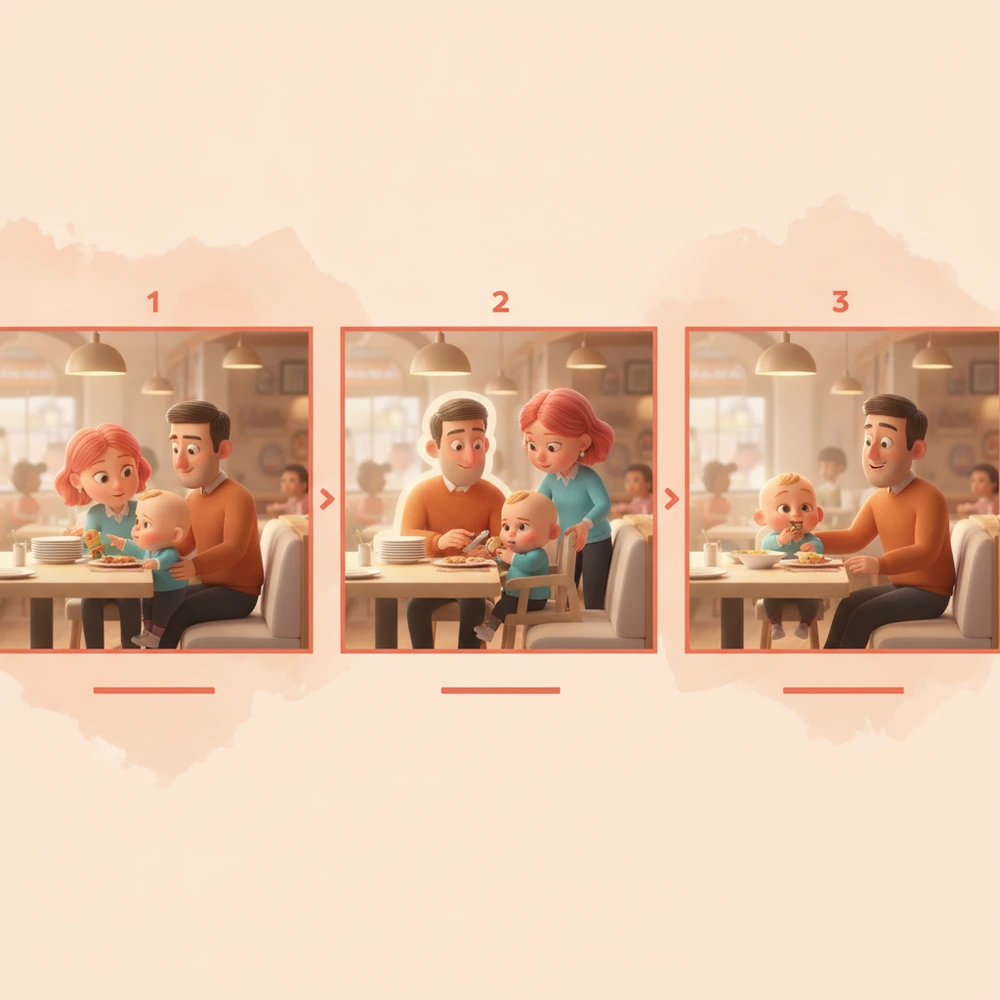
When YOU Enforce vs. the Other Parent
Consistency between parents is crucial for effective discipline. It's important to communicate and agree on limits to avoid confusion.
- "I've noticed that when we set the same limits, our child responds better. How do you feel about handling bedtime together with the same approach?"
This encourages teamwork and ensures that both parents are aligned in their approach, promoting a stable environment for the child. Children thrive when they understand expectations are the same from both parents.
Re-imposing a Limit You Let Slide
Sometimes, a limit you set might slip, and re-establishing it can feel challenging. The key is to approach it with honesty and consistency.
Imagine you've allowed extra screen time during a busy week. To restore the original limit:
- Acknowledge the change: "I know we've had more screen time lately."
- State the original limit: "We're going back to our usual screen time rules."
- Explain the reason: "It's important for us to have time for other activities, too."
Re-imposing limits teaches responsibility and helps children understand boundaries. For additional strategies, our Repair Conversation After a Hard Moment article offers practical scripts.
In my practice, I've found that transparency with children about the need for rules helps them adapt more easily to changes. They learn that limits are there to help, not hinder.
References
1 Kennedy, B. (2022). Good Inside. 2 Markham, L. (2012). Peaceful Parent, Happy Kids. 3 Ginott, H. (1965). Between Parent and Child.
Try It This Week
Reading is the easy part. Skills build through small, repeated practice — here's a low-pressure plan you can try with your child.
- 1Reflect on a Recent LimitDay 1Think about a recent limit you set. Consider how it was communicated and how your child responded.👉 What this looks likeRecall a time you set a limit, like bedtime. Ask yourself: Did I explain the reason behind it? How did my child react? Use this reflection to improve future interactions.
- 2Use the "I Won't Let You" TemplateDay 2-3Practice using the template to set a limit with empathy. Reinforce boundaries while acknowledging feelings.👉 What this looks likeDuring playtime, if your child grabs a sibling's toy, say: 'I won't let you take that. I see you want it, but let's find another toy together.' This teaches empathy while maintaining limits.
- 3Handle a Public LimitThis weekendNext time you're out, practice setting a public limit calmly and consistently, focusing on your child.👉 What this looks likeIf at a restaurant, your child stands on the chair, calmly say: 'Chairs are for sitting. Let's sit together and look at the menu.' Focus on your child, not the audience.
- 4Discuss Limits with Your PartnerOnce this weekHave a conversation with your partner about maintaining consistent limits and approaches.👉 What this looks likeOver dinner, bring up a recent challenge: 'I think we should handle screen time the same way. How do you feel about setting a shared rule?' This promotes unity and consistency.
- 5Reinforce a Slipped LimitDay 5If a limit has slipped, re-establish it with clarity and consistency, explaining its importance.👉 What this looks likeIf bedtime has been late recently, say: 'We've been staying up late, but bedtime is 8 PM again. Sleep helps us feel good.' Consistency is key for understanding limits.
Frequently Asked Questions
How can I set limits without feeling guilty?
What if my partner disagrees on setting limits?
How do I handle public meltdowns?
Can I change a limit once it's set?
What if my child doesn't respect limits?
References