Understanding Rejection Sensitive Dysphoria in Children with ADHD

Rejection Sensitive Dysphoria (RSD) is a term that's gaining recognition, especially among parents of children with ADHD. Understanding this emotional experience can make a significant difference in supporting your child. This article is part of our complete guide to Emotional Regulation for Kids with ADHD: A Parent's Complete Guide, where we dive deep into emotional challenges and strategies that work.
What RSD Is (and Isn't a Formal Diagnosis)
Rejection Sensitive Dysphoria (RSD) refers to extreme emotional sensitivity and pain triggered by the perception of rejection or criticism. It's important to note that RSD is not a formal diagnosis but a common emotional experience for many children with ADHD. Unlike typical emotional responses, RSD can lead to intense feelings of shame and worthlessness, often resulting in emotional outbursts or withdrawal 1.
In my practice, I've seen many parents confused by their child's intense reactions to seemingly minor events. They often describe these moments as "meltdowns" or "overreactions." Understanding RSD can provide a clearer perspective and allow parents to respond more empathetically.
Recognizing RSD
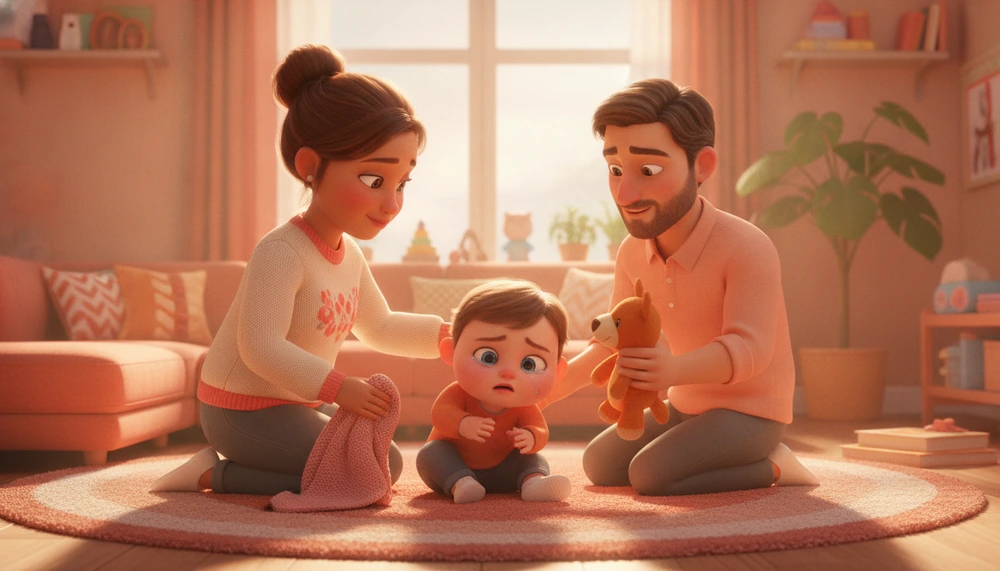
Parents can often mistake RSD reactions for tantrums or intentional misbehavior, but these are genuine emotional responses. Recognizing the difference can be the first step in addressing the root of the problem. It's crucial to observe patterns—does your child often react strongly to specific triggers like criticism or perceived exclusion? Understanding these patterns can help in tailoring supportive strategies.
Why It Happens in ADHD Brains
The connection between ADHD and RSD lies in the unique wiring of the ADHD brain. Children with ADHD often have heightened emotional responses due to differences in their brain's regulation of neurotransmitters. This makes them more vulnerable to feelings of rejection and criticism 2.
Emotional regulation, a key component of SEL, is often a challenge for kids with ADHD. The impulsivity and emotional intensity that accompany ADHD can make managing emotions even more complex. When ADHD and Anxiety Overlap: A Parent's Guide (Very Common) explores these connections further.
Brain Chemistry and Emotional Sensitivity
The neurotransmitters dopamine and norepinephrine play a significant role in ADHD. These chemicals affect attention and emotional responses. When they are imbalanced, as often seen in ADHD, emotional regulation becomes challenging. This imbalance can lead to heightened responses to rejection or criticism, often seen in RSD.
What It Looks Like at Ages 6-8 vs 9-12 vs Teen
The manifestations of RSD can vary significantly with age. Understanding these differences can help parents tailor their support strategies.
Ages 6-8
Young children might not articulate their feelings clearly. Instead, they may react to perceived rejections with tantrums or tears. For example, imagine a 7-year-old, Emma, who bursts into tears when a friend chooses another playmate. Her intense reaction may be a sign of RSD.
In an anecdote from my practice, a young boy named Jake would often feel rejected during playdates. He felt hurt when friends picked other games over his suggestions. By focusing on SEL strategies, his parents learned to gently guide him through these emotions by validating his feelings and encouraging him to express them.
Ages 9-12
As children grow, RSD might appear as withdrawal or avoidance. A 10-year-old might refuse to participate in group activities if they fear criticism. Picture a scenario where Alex, age 11, hesitates to raise his hand in class, worried about getting an answer wrong.
Building Confidence: Encourage participation in low-stakes environments where consequences of "failure" are minimal. This can be through activities like family game nights or art projects, where the emphasis is on fun rather than winning.
Teenagers
Teens may experience RSD as internalized shame or depression. They might express feelings of inadequacy or extreme self-criticism. A 15-year-old, for instance, might isolate themselves after receiving a low grade, feeling like a failure.
Peer Support Groups: Teens often benefit from sharing experiences with peers who understand them. Consider support groups or online forums where they can discuss their feelings in a safe, empathetic environment.
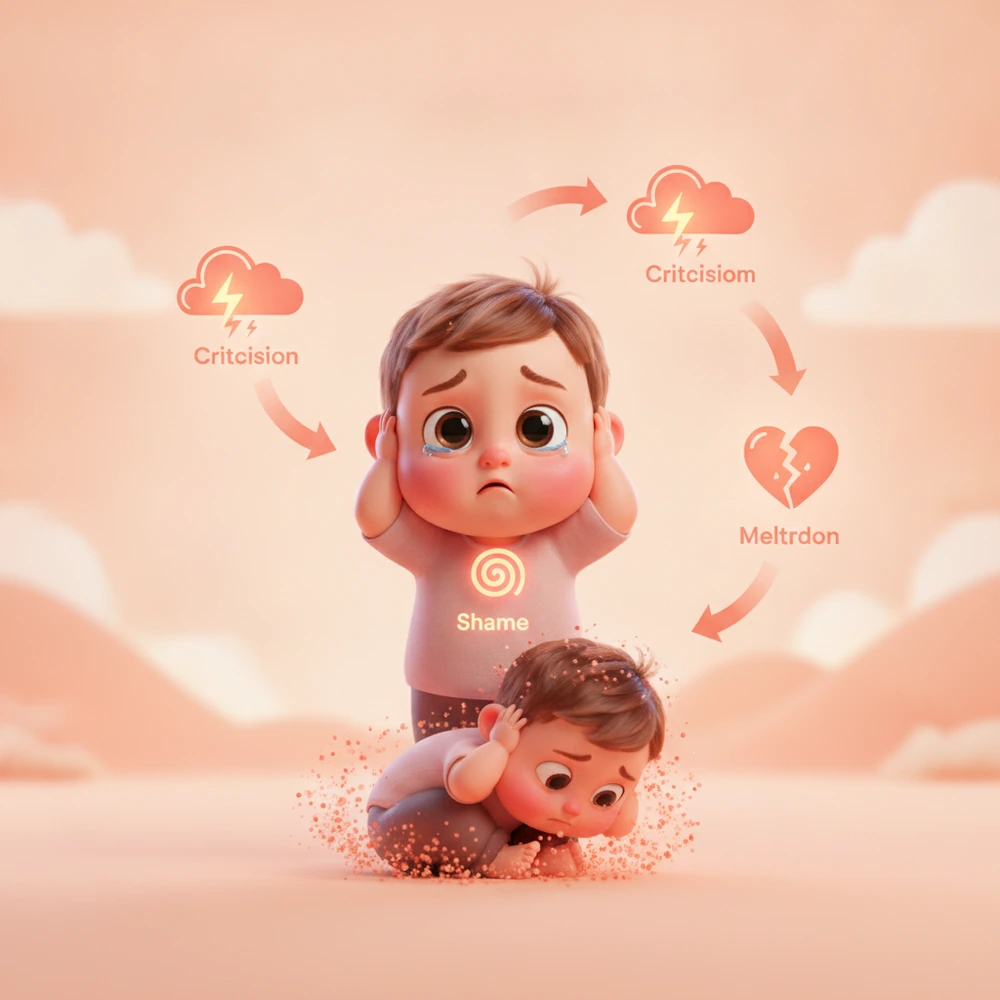
The Cascade: Criticism → Shame → Meltdown → More Criticism
RSD can set off a cascade of emotions. It often starts with a perceived criticism, leading to intense shame and an emotional meltdown. This, in turn, can attract more criticism from others, creating a vicious cycle.
Real-Life Script: Navigating a Supermarket Meltdown
Imagine you're at a supermarket with your child. A small criticism about choosing the wrong cereal leads to a meltdown. How can you navigate this?
- Stay calm: "I see you're upset. Let's take a moment together."
- Acknowledge the emotion: "It’s okay to feel hurt. Let’s find a quiet spot."
- Redirect the focus: "Let’s pick a cereal we both like."
In real life, I've seen this approach soothe a child quickly. One parent shared how her son, initially overwhelmed in the cereal aisle, eventually learned to express, "I feel upset, can we talk?" This shift happened over several months of practice.
What NOT to Say in the Moment
Avoid phrases that dismiss or invalidate your child's feelings. Statements like "Stop overreacting!" or "It's not a big deal" can exacerbate the situation.
Scripted Dialogue
Instead of saying:
- "Why are you making such a fuss?"
Try saying:
- "I can see this is really hard for you. I’m here to help."
Repair Scripts After a Hard Moment
After an emotional episode, it's crucial to repair the relationship and rebuild trust. Here are some repair scripts you might find useful:
- Acknowledge the feeling: "I noticed you felt upset when that happened."
- Express empathy: "That must have been hard for you."
- Offer reassurance: "I'm here for you, and we'll figure this out together."
In My Practice
In my practice, I've encouraged parents to use these scripts consistently. One family reported that after weeks of using empathy-focused language, their child began to verbalize feelings instead of acting out. This approach has strengthened family bonds and improved communication.
Building Emotional Resilience Over Time
Building emotional resilience in children with RSD involves consistent social-emotional learning (SEL) strategies. This includes teaching them to recognize their emotions and developing coping strategies.
SEL Strategies in Action
Mindfulness Exercises: Encourage daily mindfulness practices, such as deep breathing or guided imagery. These activities help children ground themselves, reducing the intensity of emotional reactions.
Role Play: Use role-playing to practice responses to perceived criticism. This can build confidence and prepare your child for real-life situations.
In My Practice
I've worked with families to incorporate daily SEL activities, such as mindfulness exercises or Teamwork Makes Tasks Easier - Printable Social Story, to help children manage their emotions proactively.
When to Involve a Therapist
While many parents can support their children through SEL strategies, there are times when professional help is needed. If RSD significantly disrupts your child’s daily life or causes severe distress, it may be time to seek guidance from a therapist.
Therapists can offer tailored interventions and work with families to create supportive environments. They can help develop coping strategies that are specific to your child's needs.
Finding the Right Support
Look for professionals who specialize in ADHD and emotional regulation. Consider reaching out to local support groups or online communities for recommendations. Working with a professional can provide personalized guidance and encourage positive outcomes for your child.
References
1 Dodson, W. (2017). Emotional Regulation Disorder & Rejection Sensitivity in ADHD. ADDitude Magazine
2 Hallowell, E. & Ratey, J. (2021). ADHD 2.0 — emotional dysregulation as core ADHD
3 Brackett, M. (2019). Permission to Feel — Yale RULER
Try It This Week
Reading is the easy part. Skills build through small, repeated practice — here's a low-pressure plan you can try with your child.
- 1Recognize Emotional PatternsDay 1Track your child's emotional triggers to understand patterns. This helps tailor supportive responses.👉 What this looks likeBegin by observing your child during interactions. Note when they seem most upset. For example, if your child often gets upset when a sibling chooses a TV show, recognize this as a trigger. Observe without judging, and note it for future reference.
- 2Practice Empathy-Focused LanguageDaily, 5 minUse empathetic language during emotional moments to validate feelings and rebuild trust.in the SocialBlossom app →👉 What this looks likeThe next time your child is upset, say, 'I see this is hard for you. I'm here to help.' This approach was effective for a family I worked with, where the child began to feel understood and less defensive over time.
- 3Role-Play ResponsesThis weekendRole-play different scenarios with your child to practice handling rejection sensitively.👉 What this looks likeCreate a role-playing scenario where your child is turned down for a playdate. Guide them in saying, 'I feel disappointed, but we can play another time.' Practice until they feel comfortable with this response.
- 4Introduce MindfulnessDaily, 5 minIncorporate simple mindfulness exercises to help regulate emotions.use this story →👉 What this looks likeEvery evening, practice deep breathing together. Sit with your child and take slow, deep breaths. Say, 'Let's breathe in peace and breathe out stress.' This was beneficial for a child in my practice who struggled with nightly anxiety.
- 5Connect with a Supportive CommunityOnce this weekJoin support groups to share experiences and strategies with other parents.👉 What this looks likeAttend a local ADHD support group meeting. Share your experiences with other parents, and listen to their stories. One parent found relief in knowing they weren't alone and gained practical tips from others.
Frequently Asked Questions
What is Rejection Sensitive Dysphoria (RSD)?
How can I help my child with RSD?
Is RSD only found in children with ADHD?
What should I avoid saying to a child with RSD?
When should I seek professional help for my child?
References