Teaching Children to Share: Strategies for Building Empathy
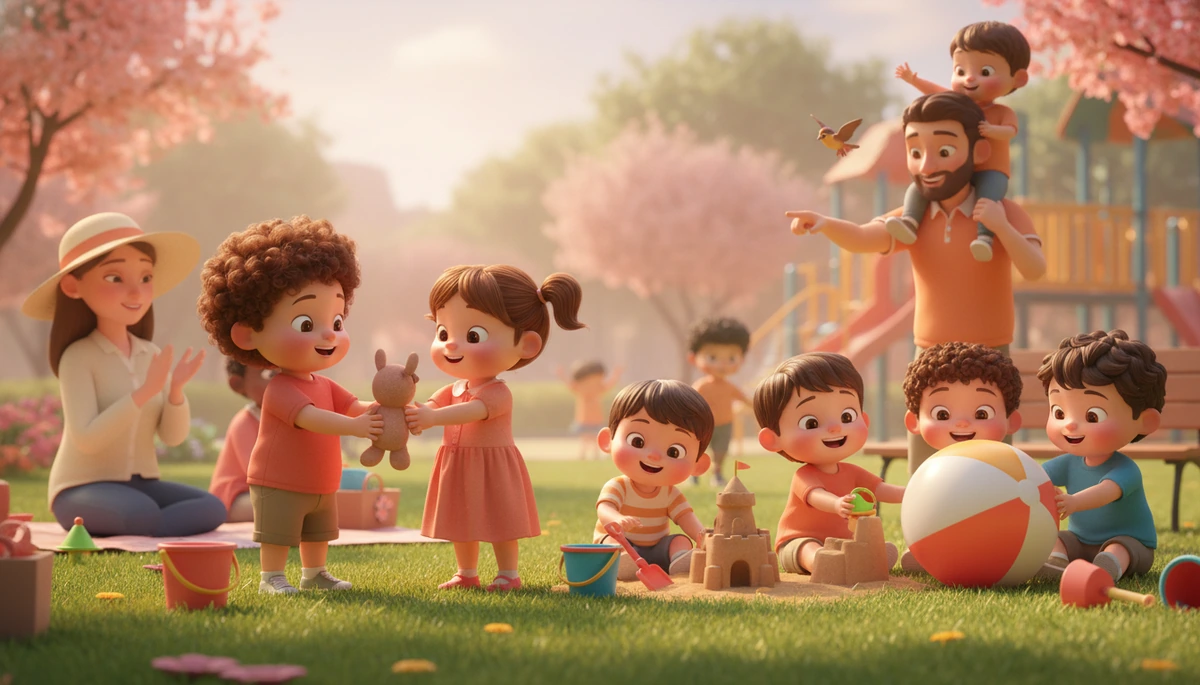
Teaching children to share can be as challenging as it is rewarding. Sharing is a vital social skill, foundational to building relationships and developing empathy. This article is part of our complete guide to Social Skills for Kids: A Parent's Guide to Friendship, Sharing & Conflict. Here, we explore why the command "just share!" often misses the mark and delve into research-backed strategies that nurture genuine sharing.
Why 'Just Share!' Usually Fails
Many parents have found that simply telling their child to "just share!" often leads to frustration and tears rather than cooperation. Research by Blake and Harris highlights that forced sharing can backfire, leading to resistance and resentment 1. Sharing should not be about compliance, but about understanding and empathy.
In my practice, I've seen many parents struggle with this. Forcing a child to share without understanding their feelings or the context can lead to power struggles. Instead, fostering an environment where sharing is a choice can lead to more positive outcomes. Imagine a scenario where a child is playing with their favorite toy and is abruptly told to give it up. This can feel like a loss of control and can cause distress. Instead, guiding the child to offer the toy when they feel ready can lead to a more willing and happy exchange, fostering a sense of autonomy and respect.
What Sharing Actually IS at Each Developmental Stage
Understanding what sharing means at different ages is crucial. Sharing isn't a one-size-fits-all skill.
- Toddlers (1-3 years): At this stage, children engage in parallel play, where they play alongside each other but not directly with one another. Expecting them to share is unrealistic. However, you can model sharing by showing how you share with them. For example, "Here, let's share this apple together."
- Preschoolers (3-5 years): They begin to understand turn-taking, but sharing still needs to be structured. Encourage sharing by using positive reinforcement, such as praising them when they share voluntarily.
- School-age (5+ years): Children can grasp the concept of real reciprocity, where sharing is mutual and rewarding. Encourage them to reflect on how sharing makes them feel and how it helps build friendships.
The 'When You're Done' Approach (and When It Works)
This strategy involves allowing a child to finish playing with a toy before passing it on. It respects their engagement and autonomy. Here's how you can implement the "when you're done" approach effectively:
- Set Clear Expectations: Explain that everyone gets a turn, and they can have it back when their friend is done.
- Model Patience: Show how to wait for a turn by modeling patient behavior yourself.
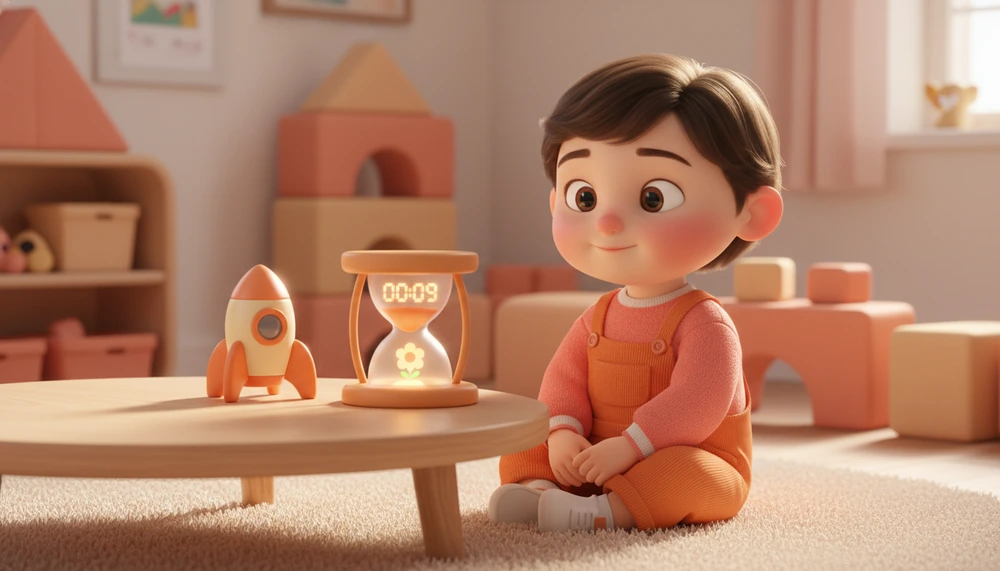
- Use Visual Aids: A timer can help make waiting tangible.
Imagine your child is playing with blocks, and their friend wants to join. You might say, "Let's let Sam finish building his tower. Once he's done, it'll be your turn." This approach encourages patience and respect for others' playtime.
In my practice, I've seen the "when you're done" approach work wonders in reducing conflicts. Children feel respected and, over time, naturally start offering their toys after completing their play. One mother I worked with shared how her son, initially reluctant to share, began to offer his toys more freely when he realized he had control over when he shares.
Turn-Taking vs. Sharing — The Critical Difference
There's a subtle yet important difference between turn-taking and sharing. Turn-taking is about time-limited access to objects, while sharing involves concurrent use.
For example, using a timer during turn-taking can help children visualize time and understand fairness. This method works well for activities where children can take turns, like using a swing or playing with a specific toy. On the other hand, sharing a larger toy set, like building blocks, can happen simultaneously and encourages joint play.
Another example: Imagine a scenario where kids are playing a game with limited resources, like a board game. By taking turns, each child gets a fair chance to participate. But when it comes to an art project, they can share materials and create together, which fosters collaboration and mutual enjoyment.
Toddler Ages 1-3: Parallel Play is Normal, Don't Push
At this age, parallel play is the norm. Forcing sharing can frustrate both the child and the parent. Instead, focus on modeling positive interactions and providing multiple toys to reduce conflict.
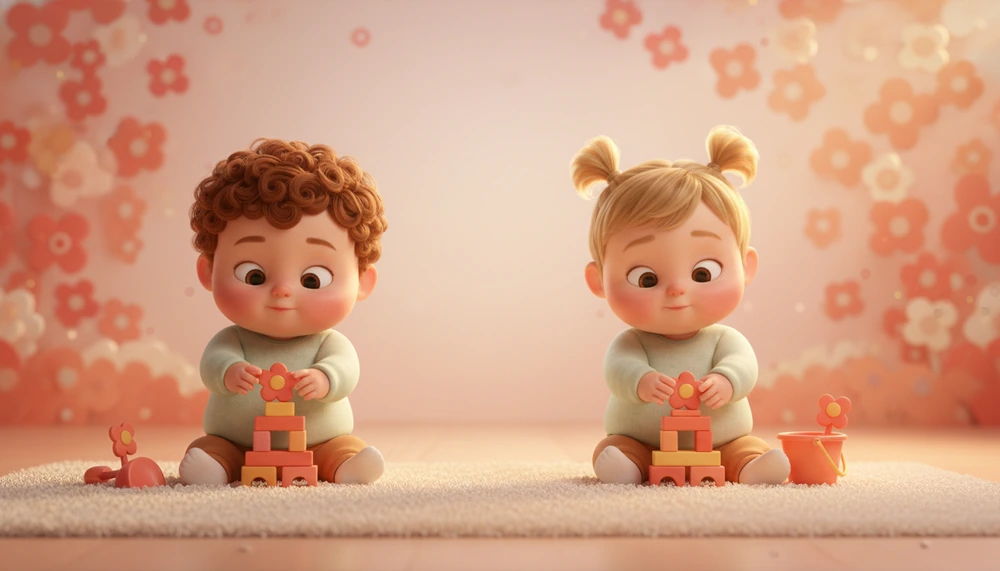
In my practice, I've observed that toddlers learn best by watching. Encourage parallel play by setting up similar toys side by side. This way, toddlers can observe each other without the pressure to share. A common strategy is to have two sets of identical toys. This reduces the competition and allows children to play alongside each other without the expectation of sharing.
Ages 3-5: Turn-Taking with a Timer
Preschoolers are starting to understand the concept of taking turns. Introduce a timer to create a visual cue for when it's time to switch.
Here's a simple script you can use:
- Parent: "Let's use the timer. When it rings, it'll be Alex's turn."
- Child: "Okay, I can wait!"
This method not only teaches patience but also fairness and respect for others' time. Encourage your child to think of turn-taking as a game. You can say, "Let's see who can wait the longest before getting their turn!" Turning it into a game can make the waiting period more enjoyable and less about the loss of immediate gratification.
Ages 5+: Real Reciprocity
At this stage, children can appreciate the benefits of sharing. Encourage them to think about how sharing can make them feel good and help them build friendships.
A real-life example: Imagine two children, Emma and Liam, both want to play with a new board game. Emma suggests, "Let's play together, and that way we both get to enjoy it." This scenario not only fosters cooperation but also builds empathy and understanding.
You can also encourage older children to reflect on their experiences by asking questions like, "How did it feel when you shared your toy?" or "What did you learn by playing together?" Asking open-ended questions encourages them to think deeply about their actions and feelings, which enhances their emotional intelligence.
Free Social Story: 'Sharing the Toy I Love'
Social stories are powerful tools to reinforce sharing concepts. They help children visualize and understand scenarios before they happen.
Explore our Let's Share and Play Together - Printable Social Story to introduce the concept of sharing through engaging narratives.
For interactive learning, try this story in the SocialBlossom app.
References
- Blake, P. R. & Rand, D. G. (2010). Currency value moderates equity preference among young children. Evolution and Human Behavior 31:210. https://pubmed.ncbi.nlm.nih.gov/20371135/
- Eisenberg, N. (2006). Empathy-related responding: Moral, social, and socialization correlates. Psychological Bulletin. https://doi.org/10.1037/0033-2909.132.1.117
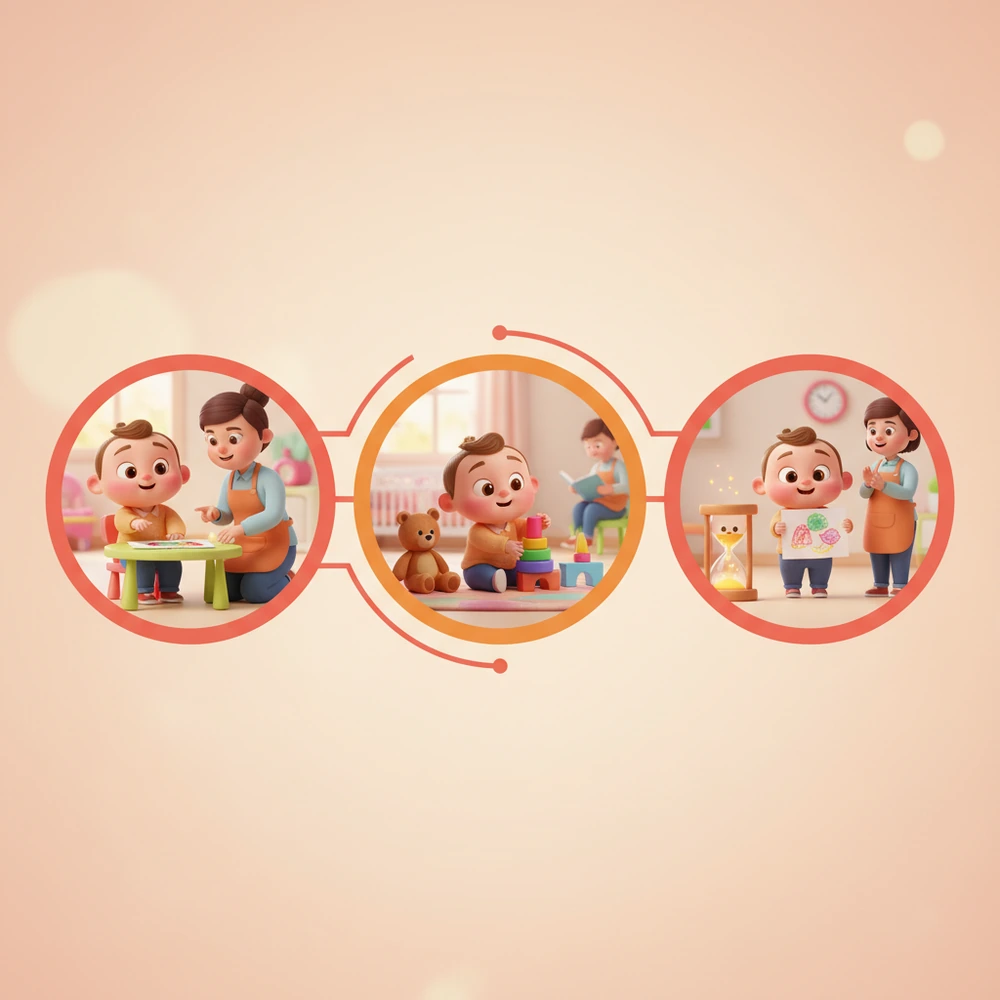
By understanding the developmental stages of sharing and utilizing effective strategies, parents can create a nurturing environment where children learn the value of sharing. These techniques not only foster social skills but also strengthen the bond between parent and child, laying the foundation for future positive interactions.
Try It This Week
Reading is the easy part. Skills build through small, repeated practice — here's a low-pressure plan you can try with your child.
- 1Model Sharing DailyDaily, 5 minShow your child how you share with others. This models positive behavior.👉 What this looks likeDuring snack time, offer a piece of your apple to your child and say, 'Let's share this together.' Do it daily to demonstrate sharing as a natural part of life.
- 2Use a Timer for Turn-TakingThis weekendIntroduce a timer to manage turn-taking. It helps visualize waiting time.👉 What this looks likeWhen playing with a toy, set a timer for 5 minutes. Tell your child, 'When the timer rings, it's your brother's turn.' This tangible cue helps them understand time sharing.
- 3Discuss Sharing FeelingsDay 2-3Talk about how sharing makes them feel. This builds emotional awareness.👉 What this looks likeAsk after a playdate, 'How did you feel when you shared your toy with Alex?' Discussing feelings helps them understand emotional responses to sharing.
- 4Create a Sharing StoryOnce this weekMake a bedtime story about sharing. It reinforces concepts.use this story →👉 What this looks likeAt bedtime, create a story about two animals sharing a toy. Use characters they love, and narrate how they both felt happy after sharing. This storytelling builds understanding.
- 5Praise Sharing EffortsDailyRecognize and praise when your child shares willingly. Encouragement reinforces behavior.👉 What this looks likeWhen your child shares a toy, say, 'I noticed you shared with your sister. That was kind!' Positive reinforcement encourages them to repeat the behavior.
Frequently Asked Questions
Why is sharing important for children?
What age do children start sharing?
How can I encourage my toddler to share?
What is the 'when you're done' approach?
How does turn-taking differ from sharing?
References