Nurturing Social Skills in Neurodivergent Children: A Comprehensive Guide
In This Guide
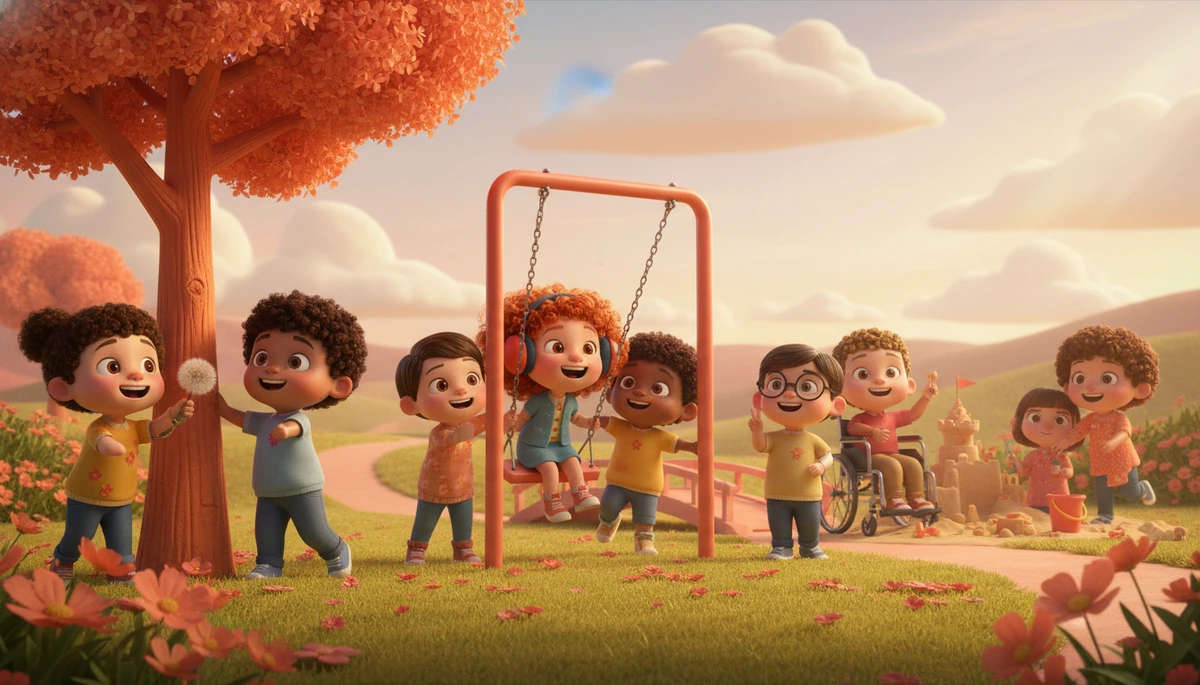
Explore the various aspects of social skills development for children, focusing on building meaningful relationships without forcing conformity. This guide is your comprehensive resource for understanding and supporting your child's social growth.
- Friendship Skills by Age: A Parent's Guide for Ages 3 to 12: Discover age-appropriate friendship skills and how they evolve from preschool to pre-teen years.
- Teaching Kids to Share: Research-Backed Strategies (and What Doesn't Work): Learn effective strategies for encouraging sharing without causing stress or resentment.
- Conflict Resolution for Kids: 5 Steps That Work (Ages 4-12): Equip your child with tools to resolve conflicts peacefully and productively.
- Helping Autistic Kids Make Friends (Without Masking): Support neurodivergent children in forming friendships that respect their unique social styles.
Understanding Social Skills for Kids
Social skills are fundamental building blocks for children's development, allowing them to form friendships, collaborate, and resolve conflicts. These skills are not about fitting in but about understanding and interacting with others in meaningful ways. The CASEL framework identifies Relationship Skills as one of the five core competencies essential for social-emotional learning (SEL) 1.
The Importance of Relationship Skills
Relationship skills involve the ability to establish and maintain healthy and rewarding connections with diverse individuals and groups. This includes communicating clearly, listening actively, cooperating, resisting inappropriate social pressure, negotiating conflict constructively, and seeking help when needed 1.
In my practice, I often see children who struggle with social interactions not due to a lack of desire for connection but because the skills they have learned don't match the expectations set by adults. By focusing on genuine connection rather than conformity, we can help children build lasting friendships. For instance, I worked with a child named Jamie who was eager to make friends but found the typical playground interactions overwhelming. By encouraging Jamie to connect with peers through shared interests, such as drawing, he gradually built a circle of friends who appreciated his unique perspective.
Friendship Skills for Kids
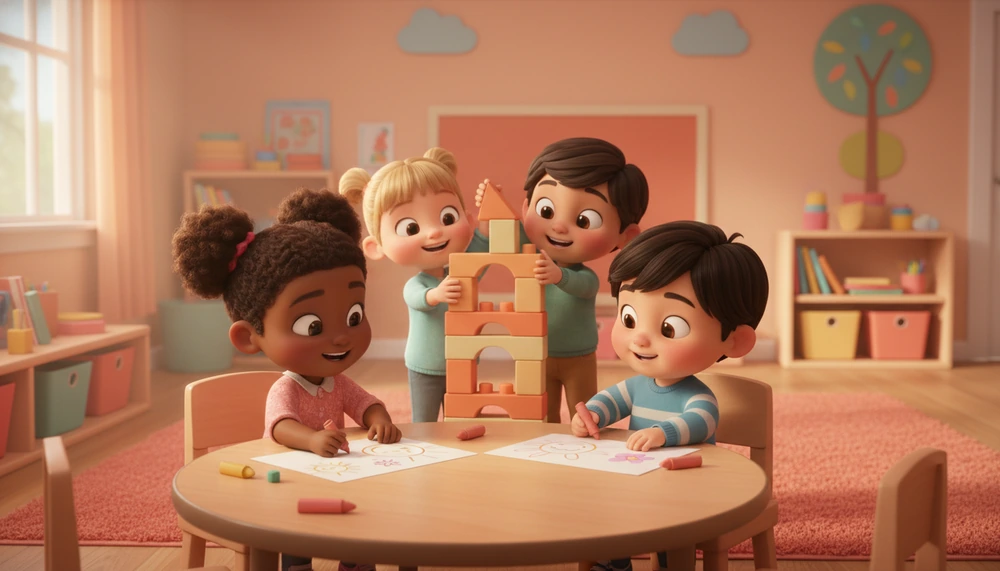
Building friendships is a key component of social development. Children learn how to make friends, understand social cues, and develop empathy through these early relationships 2. Friendship skills vary significantly by age and require different approaches as children grow.
Stages of Friendship Development
- Preschool (Ages 3-5): At this stage, friendships are often about shared activities. Children engage in parallel play and begin to learn about taking turns and sharing.
- Example: During preschool, playdates focusing on cooperative activities like building blocks or playing house can help children practice sharing and turn-taking naturally.
- Elementary School (Ages 6-9): Friendships become more about shared interests and mutual support. Children start to understand the importance of empathy and cooperation.
- Example: Organizing group projects or team sports can encourage children to work together, fostering a sense of teamwork and understanding.
- Pre-Teens (Ages 10-12): Friendships are more complex, involving trust and loyalty. Children begin to navigate group dynamics and peer influences.
- Example: Encourage group activities that require planning and negotiation, such as organizing a bake sale or a school club, to develop leadership and collaborative skills.
Example: Imagine Sophie, a 7-year-old, who loves playing soccer during recess. She invites her classmate, Mia, to join her. At first, Mia is hesitant, but Sophie reassures her by saying, "It's okay if you're not sure. We can practice together."

Teaching Kids to Share
Sharing is a crucial social skill that helps children build friendships and learn empathy. While often seen as a simple act, sharing can be challenging for young children who are naturally egocentric.
Strategies for Encouraging Sharing
- Model Sharing: Demonstrate sharing in everyday situations. Share your time, food, or even your feelings with your child to show them how it's done.
- Use Social Stories: Social stories like "Diego Learns to Share and Take Turns" can be effective tools to teach sharing through relatable scenarios.
- Praise Positive Behavior: Reinforce sharing by acknowledging and praising your child's efforts when they share willingly.
Example: During a playdate, you notice your child and their friend both want to play with the same toy. You might say, "I see you both love this toy. How about we set a timer, and each of you gets five minutes to play with it?"
In my practice, I've observed that children respond well to sharing games. For example, using a timer to take turns helps them visualize and understand the concept of waiting, which is a fundamental part of sharing. This method turns potential conflict into a learning opportunity, as children start to see sharing as a game rather than a chore.
Navigating Conflict Resolution
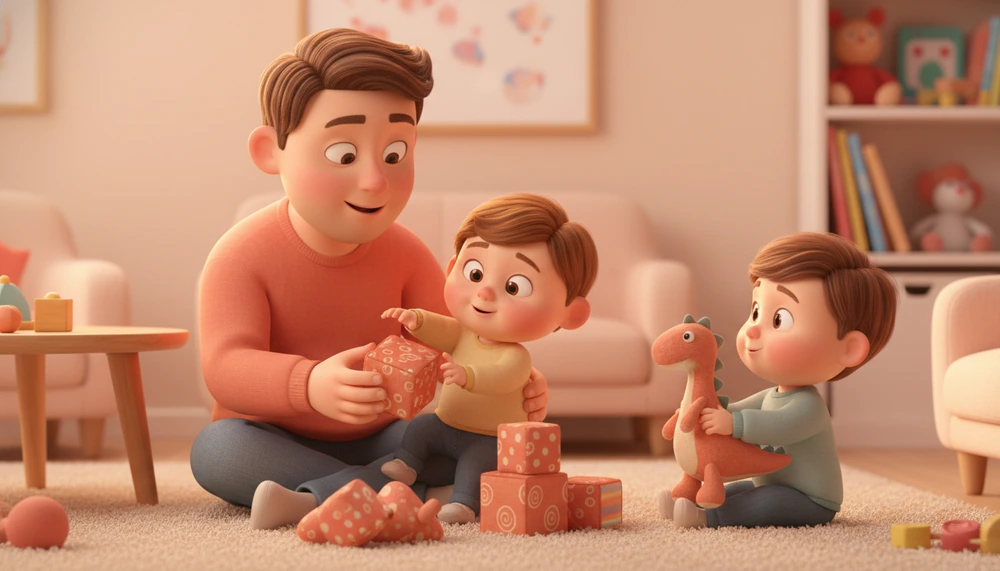
Conflict is a natural part of any relationship, and learning to resolve it constructively is an essential skill for children. The ability to manage disagreements helps in maintaining healthy friendships and reduces stress.
Steps to Teach Conflict Resolution
- Identify the Problem: Help children articulate what the conflict is about.
- Express Feelings: Encourage them to share their feelings calmly.
- Brainstorm Solutions: Guide them to think of multiple ways to solve the issue.
- Agree on a Solution: Help them choose a resolution that everyone can accept.
- Follow-Up: After the conflict is resolved, discuss what worked and what could be improved.
Example: Picture two children arguing over a game. You can step in and say, "I see both of you are upset. Let's talk about what happened. Can each of you tell me how you're feeling?"
In my practice, I had a case where two siblings, Alex and Sam, frequently argued over toys. By teaching them to express their feelings and brainstorm solutions, they learned to resolve their disputes independently. Over time, they started to ask each other, "How do you feel about it?" before deciding on whose turn it was, showing significant growth in their conflict resolution skills.
Supporting Neurodivergent Friendship Styles
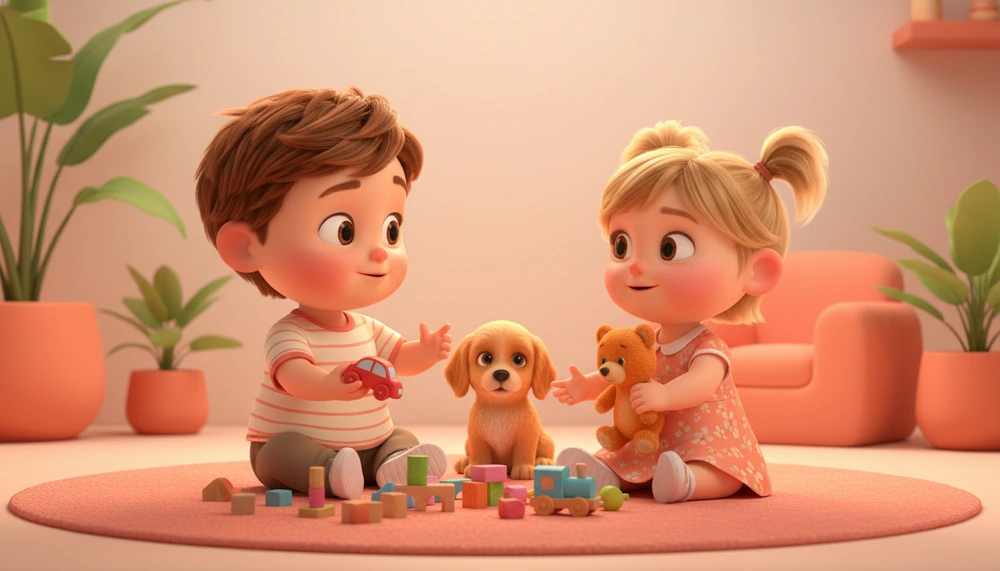
For autistic children, social skills may develop differently. It's crucial to support their unique ways of interacting without pressuring them to conform to neurotypical standards. Empathy and understanding are key.
Strategies for Support
- Embrace Interests: Encourage activities that align with their interests to foster social connections.
- Respect Communication Styles: Understand and respect their preferred ways of communicating, whether verbal or non-verbal.
- Provide Structured Social Opportunities: Use structured settings like "Making Friends at Preschool" to ease social interactions.
Example: In my practice, I've worked with children who thrive in smaller groups where their specific interests are the focus. One child, Alex, found it easier to connect with peers over a shared love of dinosaurs, leading to a successful friendship.
In another instance, a child named Lily, who communicated primarily through sign language, was encouraged to join a signing club. This not only boosted her confidence but also helped her form meaningful relationships with peers who shared her mode of communication. By creating an environment where her communication style was not just accepted but celebrated, Lily was able to express herself freely and build genuine connections.
Encouraging Social Skills Through Play
Play is a powerful tool for developing social skills. It provides a natural context for children to practice communication, cooperation, and problem-solving.
Types of Play That Enhance Social Skills
- Cooperative Play: Activities where children must work together towards a common goal.
- Role-Playing: Encourages children to understand different perspectives and develop empathy.
- Games with Rules: Teaches patience, turn-taking, and fairness.
Example: Organize a simple game of "Simon Says" to practice listening skills and following directions in a fun, engaging way.
Another effective game is "Red Light, Green Light," where children learn to control their impulses and follow instructions. This game is particularly beneficial for children who struggle with self-regulation, as it combines physical activity with cognitive control, making it an enjoyable way to practice these skills.
Conclusion
Developing social skills is a lifelong journey that begins in childhood. By focusing on relationship skills, empathy, and genuine connections, children can learn to navigate their social worlds with confidence and respect for diversity. Encouraging children to embrace their individuality while learning to connect with others lays the foundation for a lifetime of healthy relationships.
References
- CASEL. (n.d.). What is the CASEL Framework? Retrieved from CASEL
- Gresham, F. M., & Elliott, S. N. (2008). Social Skills Improvement System. Retrieved from ResearchGate
- Brackett, M. (2019). Permission to Feel. Yale RULER framework. Retrieved from Yale Center for Emotional Intelligence
- Eisenberg, N. (2006). Empathy-related responding: Moral, social, and socialization correlates. Psychological Bulletin. Retrieved from PubMed
- Howes, C. (1988). Peer interaction of young children. Society for Research in Child Development. Retrieved from JSTOR
Try It This Month
Reading is the easy part. Skills build through small, repeated practice — here's a low-pressure plan you can try with your child.
- 1Model Sharing DailyDaily, 5 minDemonstrate sharing in everyday situations. It helps children learn through observation.👉 What this looks likeDuring breakfast, offer to share a different fruit each day. Say, 'I have an extra apple. Would you like to share it with me?' This simple act reinforces the concept of sharing as a natural and positive behavior.
- 2Organize a PlaydateThis weekendSet up a playdate focused on cooperative play. It encourages teamwork and social interaction.use this story →👉 What this looks likeInvite a friend over and set up a simple cooperative game like building a tower together. Guide them with, 'Let's see how tall we can build this together!' This promotes working as a team to achieve a common goal.
- 3Practice Conflict ResolutionOnce a weekRole-play conflict scenarios to practice resolution skills.👉 What this looks likeAct out a scenario where both you and your child want the same toy. Say, 'I feel sad when I can't play with it. How do you feel?' Then brainstorm solutions together like taking turns or finding a new game to play.
- 4Encourage Interest-Based GroupsDay 1Find clubs or groups that align with your child's interests. It fosters natural friendships.👉 What this looks likeIf your child loves dinosaurs, look for a local dinosaur enthusiast club. Attend the first meeting together and encourage them to share their knowledge. This helps them connect over shared passions.
- 5Play "Red Light, Green Light"Daily, 10 minUse this game to practice impulse control and following instructions.👉 What this looks likeAt the park, play 'Red Light, Green Light' with your child. Explain, 'When I say green light, you can move. Red light means stop.' This game improves listening skills and self-regulation in a fun way.
- 6Narrate Emotional Moments2-3 times a weekDescribe your emotions aloud to model self-regulation.👉 What this looks likeNext time you're frustrated (e.g., stuck in traffic), narrate out loud, 'I'm feeling frustrated because we're stuck. I'm going to take deep breaths.' This teaches children to recognize and regulate emotions by example.
- 7Create a Social Story TogetherThis monthCo-create a social story with your child. It personalizes learning.in the SocialBlossom app →👉 What this looks likeTogether, write a story about a new experience, like visiting a zoo. Discuss what might happen and how to handle different scenarios. This empowers children to anticipate and navigate social situations.
Frequently Asked Questions
How do I help my child make friends?
What are social stories?
How can I teach my child to share?
What if my child struggles with conflict resolution?
How do I support my neurodivergent child's social skills?
References
- CASEL. (n.d.). What is the CASEL Framework? Retrieved from CASEL.
- Gresham, F. M., & Elliott, S. N. (2008). Social Skills Improvement System. Retrieved from ResearchGate.
- Brackett, M. (2019). Permission to Feel. Yale RULER framework. Retrieved from Yale Center for Emotional Intelligence.
- Eisenberg, N. (2006). Empathy-related responding: Moral, social, and socialization correlates. Psychological Bulletin.
- Howes, C. (1988). Peer interaction of young children. Society for Research in Child Development.