Understanding Autism Masking: A Guide for Parents
What Masking Actually Is
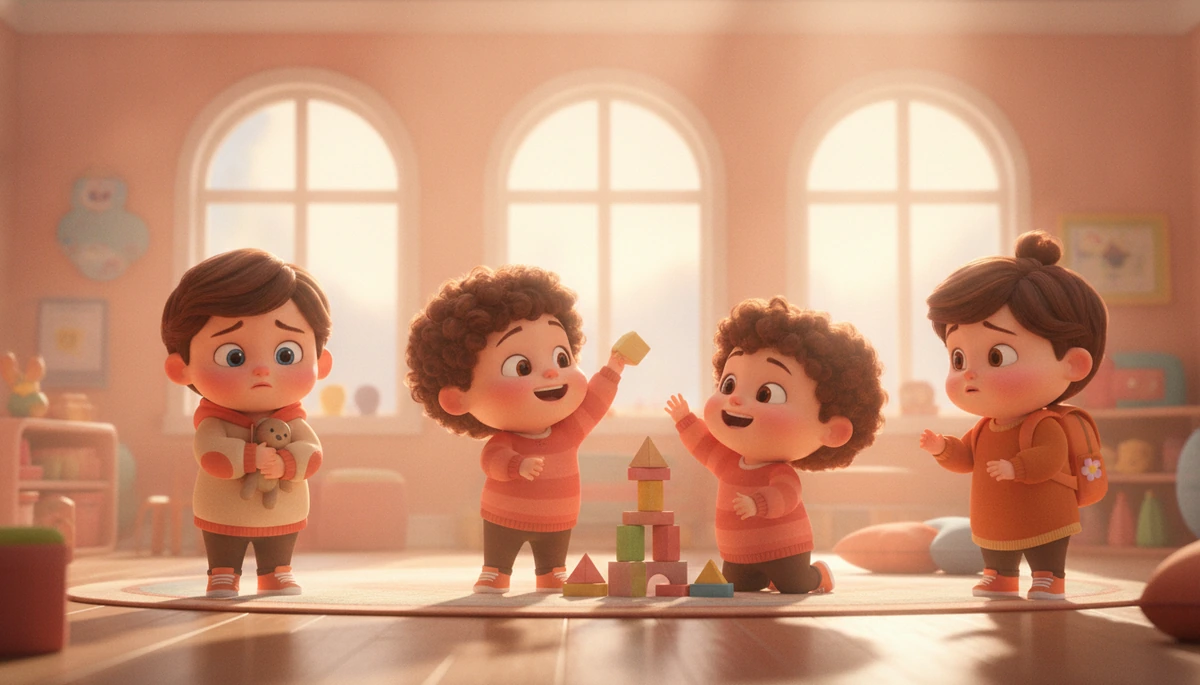
Autism masking refers to the strategies some autistic individuals use to hide their true autistic traits in order to fit into social norms. These actions are often unconscious attempts to avoid negative social judgments or bullying. Masking can involve mimicking social behaviors, suppressing stimming (self-soothing behaviors), or even forcing eye contact, which might not come naturally to them.
For example, a child might learn to smile during conversations even when they don't feel like it, or they might nod along in agreement to avoid standing out. This effort to conform can be incredibly taxing and lead to significant stress.
In my practice, I've seen many children who, after a full day at school, feel utterly exhausted due to the constant effort of maintaining this mask. They often need quiet time to decompress and be themselves at home. These children may struggle with increased anxiety and burnout over time if the need to mask persists.
This article is part of our complete guide to Social Skills for Autistic Kids — Without Masking.
Why Kids Learn to Mask
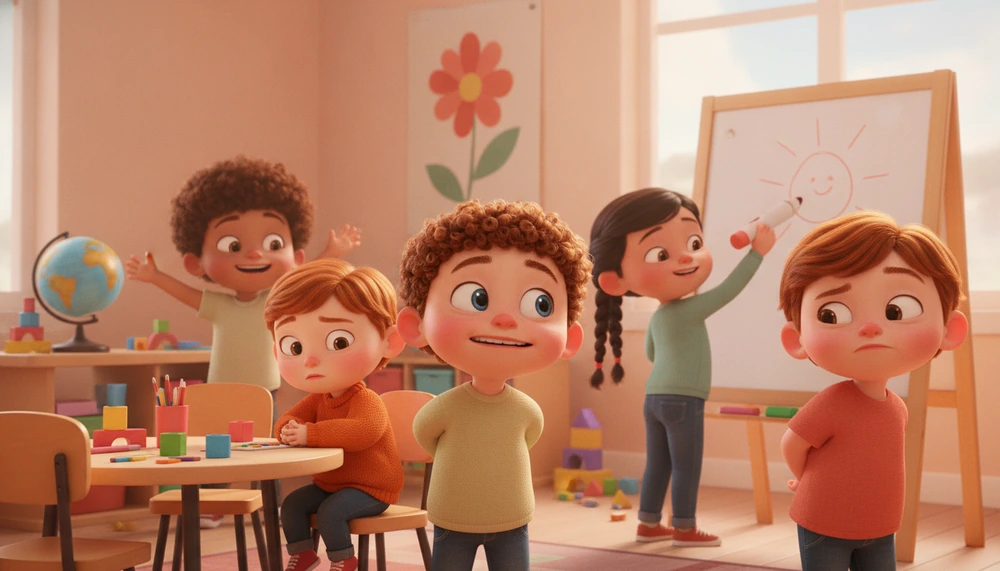
Children learn to mask from observing those around them, including parents, teachers, and peers. The pressure to conform can be immense, especially when autistic traits are misunderstood or stigmatized.
- Avoidance of Bullying: To prevent being targeted by peers.
- Social Acceptance: To feel included and accepted by others.
- Adult Expectations: To meet the expectations of teachers and parents who might not fully understand autism.
Scripted Moment
Imagine a situation where a teacher insists on eye contact during conversations. An autistic child might force themselves to do so to please the teacher, inadvertently masking their discomfort.
In-My-Practice Moment
In my practice, I've observed that when children feel the need to mask, it often stems from a deep-seated fear of rejection. One child shared with me that he "pretends to be like everyone else" to avoid being laughed at. This not only highlights the emotional toll masking takes but also underscores the importance of creating understanding environments.
How Masking Looks Different in Girls
Research suggests that girls often mask differently than boys, which can lead to underdiagnosis or misdiagnosis. Girls might engage in more complex social camouflaging techniques, such as imitating peers or rehearsing social interactions in advance 2. This can make their struggles less visible to outsiders.
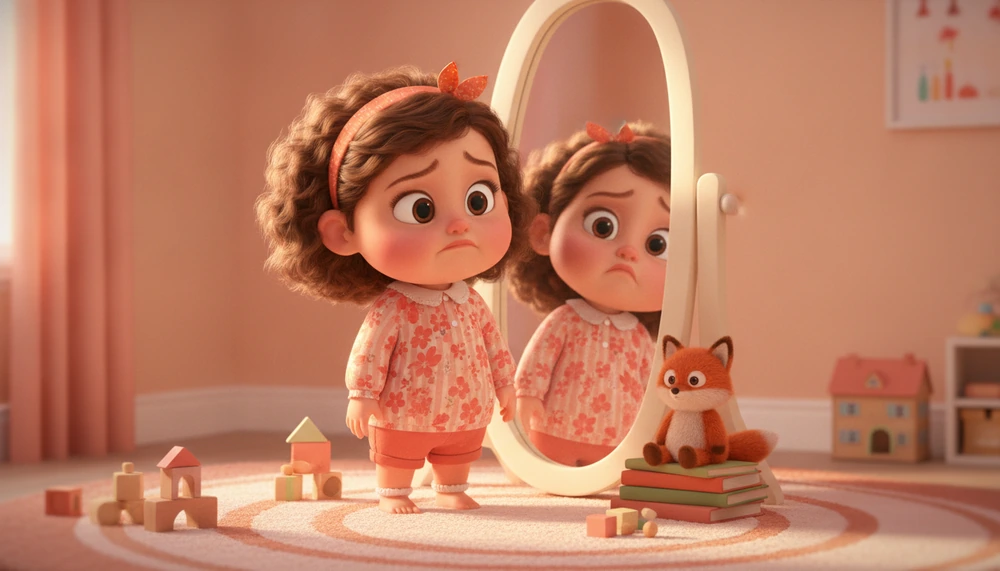
Example: Sarah, a 9-year-old girl, has learned to mimic the social behaviors of her classmates. She spends hours practicing conversations in front of the mirror to avoid slipping up at school. Her ability to blend in successfully often causes teachers to overlook her need for support.
In my practice, I've noticed that girls are sometimes praised for being "quiet" or "well-behaved," mistaking masking for compliance. This can inadvertently reinforce the behavior, leading to prolonged periods of stress and anxiety.
The Mental-Health Cost
While masking might seem beneficial for social integration, it often comes at a high mental-health cost. Prolonged masking can lead to increased anxiety, depression, and even burnout.
Research from Hull et al. highlights the emotional toll of keeping up a facade, leading to feelings of isolation and exhaustion 1. This constant state of stress can impact a child's self-esteem and overall well-being.
In-My-Practice Moment
I've worked with teenagers who, after years of camouflaging, express feelings of identity loss. They often struggle to distinguish between their real selves and the persona they've created to fit in. One teen shared how she felt "trapped" in her own body, unable to express her true emotions without fear of judgment.
Practical Example: Consider a high school student who, after years of masking, experiences frequent meltdowns at home. Despite academic success, the emotional toll leaves them feeling disconnected and misunderstood by peers and family.
Signs Your Child is Masking
Recognizing the signs of masking can be crucial for parents. Some indicators include:
- Exhaustion after social situations
- Increased anxiety or stress at home
- Frequent meltdowns after school or social events
- A strong need for time alone
Example Scenario
Imagine your child comes home from school and retreats immediately to their room, avoiding family interaction. They might appear withdrawn or irritable, signs that the effort of masking has depleted their emotional reserves.
What to Do Instead: Unmasking-Friendly Parenting
Supporting your child in expressing their authentic self is vital. Here are some strategies:
- Create a Safe Home Environment: Encourage your child to be themselves without fear of judgment.
- Promote Self-Awareness: Help your child understand their emotions and triggers.
- Use Social Stories: Utilize tools like Using Honest Words to Ask for What You Want to practice communication skills in a supportive way.
Scripted Dialogue Instead of saying, "Why aren't you looking at me?", try "I understand you might be more comfortable not making eye contact. I'm still listening." This approach acknowledges their needs while fostering open communication.
In-My-Practice Moment
A family I worked with found that allowing their child to express frustration through art led to significant improvements in communication. By validating their child's feelings and providing an outlet, the child felt more comfortable being themselves at home.
Talking to Teachers + Therapists About Not Encouraging Masking
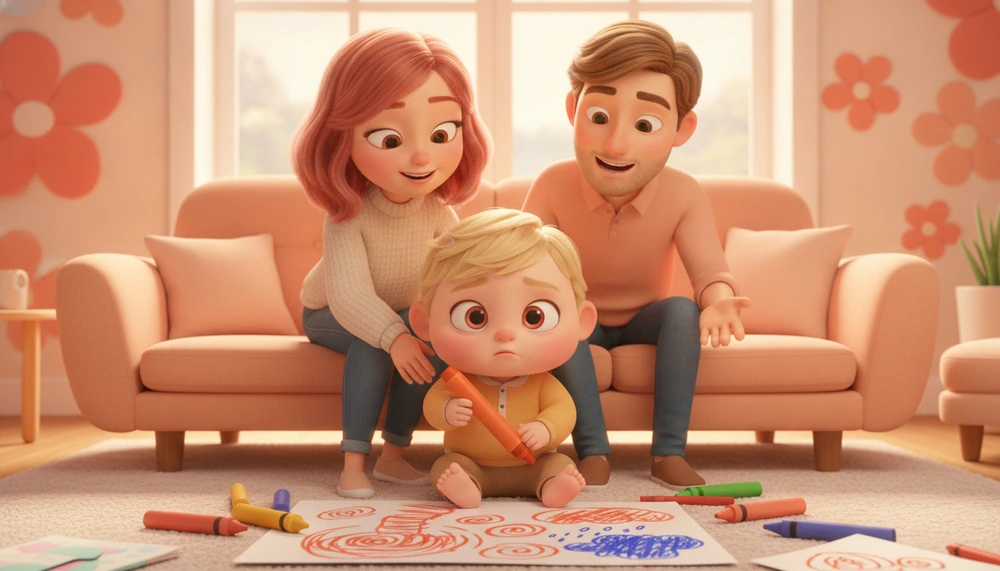
Open communication with educators and therapists is essential to ensure they understand the importance of not promoting masking behaviors.
- Educate them on masking and its effects
- Share your child's needs and preferences
- Encourage the use of visual supports and social stories in the classroom
Real-Life Script
When discussing with a teacher, you might say, "I've noticed that my child feels pressured to act a certain way at school. Can we explore ways to support their authentic self?" This conversation can lead to collaborative strategies that benefit your child.
Worked Example: A parent might collaborate with a teacher to implement a "quiet corner" in the classroom, where children can go to decompress without judgment. This small change can make a significant difference in the daily experience of a child who masks.
References
1 Hull, L. et al. (2017). 'Putting on My Best Normal': Social camouflaging in adults with ASC. JADD 47:2519.
2 Pearson, A. & Rose, K. (2021). A conceptual analysis of autistic masking. Autism in Adulthood 3:52.
3 Cook, J. et al. (2021). Camouflaging in autism: a systematic review. Clinical Psychology Review.
Try It This Week
Reading is the easy part. Skills build through small, repeated practice — here's a low-pressure plan you can try with your child.
- 1Observe Without JudgmentDay 1Watch your child interact and note moments they seem to mask. Understanding triggers helps in supporting them.👉 What this looks likeSpend an afternoon observing your child. Notice when they seem to force eye contact or mimic peers. Reflect on these moments and consider what might be causing the masking.
- 2Create a Safe SpaceDay 2-3Establish a judgment-free zone at home where your child can relax and express themselves freely.try this strategy in the SocialBlossom app →👉 What this looks likeDesignate a corner of your home with comfy pillows and art supplies. Invite your child to use this space whenever they feel overwhelmed or need to recharge.
- 3Use Social StoriesDay 4Introduce social stories to help your child navigate social situations without the need to mask.use this story →👉 What this looks likeRead a social story like "Using Honest Words to Ask for What You Want" together. Discuss the scenarios and encourage your child to share their thoughts and feelings.
- 4Talk About FeelingsDaily, 5 minEncourage open discussions about emotions and experiences to build self-awareness and communication skills.👉 What this looks likeAt dinner, ask your child how they felt during the day. Share your own feelings too. This practice reinforces that emotions are normal and okay to express.
- 5Collaborate with EducatorsOnce this weekReach out to teachers and therapists to discuss unmasking-friendly strategies.👉 What this looks likeEmail your child's teacher, saying, "I'd love to discuss ways we can support my child's authentic self at school. Could we set up a meeting?" Collaborate on strategies that avoid promoting masking.
Frequently Asked Questions
What is autism masking?
How can I tell if my child is masking?
Why do autistic children mask?
How can I support my child in unmasking?
What are the mental health impacts of masking?
References
- Hull, L. et al. (2017). 'Putting on My Best Normal': Social camouflaging in adults with ASC. JADD 47:2519.
- Pearson, A. & Rose, K. (2021). A conceptual analysis of autistic masking. Autism in Adulthood 3:52.
- Cook, J. et al. (2021). Camouflaging in autism: a systematic review. Clinical Psychology Review.