Empowering Autistic Children to Disclose Their Autism Identity

Why Disclosure is Your CHILD's Choice
When it comes to telling friends about autism, the decision should always be your child's choice. Empowering them with the autonomy to share or withhold this information is a critical step in fostering self-awareness and self-advocacy. This approach not only respects their personal experience but also aligns with the SEL competency of responsible decision-making.
In my practice, I've seen many parents initially struggle with this concept. They often want to protect their child by controlling the narrative. However, research from organizations like ASAN highlights the importance of allowing autistic individuals to disclose their diagnosis on their own terms 1. This promotes independence and self-confidence. Allowing children to choose when and how to share about their autism helps them develop crucial decision-making skills, which are vital for their growth.
This article is part of our complete guide to Building Self-Advocacy in Autistic Kids: A Parent's Guide. Let’s explore the age-appropriate ways to facilitate these conversations.

Age 5-7: 'My Brain Works Differently' Framing
At ages 5-7, children are just beginning to form their understanding of social dynamics. A gentle introduction using the phrase "My brain works differently" can be effective. This simple and relatable explanation helps peers understand that differences are natural and okay. By starting with such basic concepts, children learn that it's okay to be different and that these differences are part of what makes them unique. This early understanding paves the way for greater acceptance and empathy among peers.
Example Scenario
Picture this: Emily is six and is playing with her friend Mia at the playground. Emily notices that she needs a bit more time to understand the game rules than Mia does.
- Emily: "Sometimes my brain works differently, so I need a little more time to get things."
- Mia: "Oh, that's okay! Can I help you?"
By framing it this way, Emily takes ownership of her unique traits while opening the door for support and understanding. This method encourages children to be proud of their differences and to see them as strengths rather than weaknesses.
For more resources, explore our Making New Friends at the Playground - Social Story PDF.
Age 8-11: 'I'm Autistic and That Means I...' Pattern
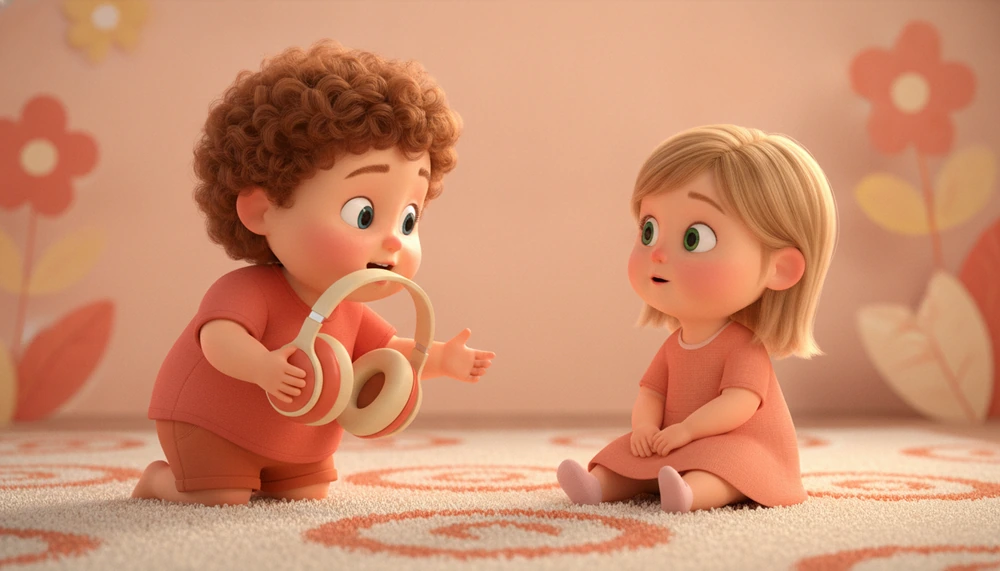
As children grow, so does their capacity for self-expression. Between the ages of 8-11, kids can use the "I'm autistic and that means I..." pattern to articulate their needs and strengths. This method not only helps them express their individuality but also aids in developing self-awareness and social awareness. By understanding and verbalizing their needs, children learn to advocate for themselves in various situations.
Example Dialogue
Imagine Alex, who is nine, wants to explain why he sometimes wears headphones.
- Alex: "I'm autistic, and that means I hear things louder than other people. That's why I wear headphones."
- Friend: "That makes sense! Can we still play together?"
This pattern not only clarifies Alex's experience but also teaches his friend about sensory differences, fostering social awareness. It encourages peers to ask questions and learn more, promoting an inclusive environment.
Consider using Smiles and Names: Making New Friends - Social Story to support these conversations.
In My Practice
In my practice, I observed a ten-year-old named Liam who explained to his classmates why he sometimes needed to sit alone during lunch.
- Liam: "I'm autistic, so sometimes I like to eat by myself. It helps me feel calm."
- Classmate: "That's cool, Liam. Do you want to sit with us tomorrow?"
This interaction not only helped Liam feel understood but also encouraged his classmates to respect his needs and preferences.
Age 12+: Full Self-Advocacy Disclosure
By age 12 and beyond, children are often ready to engage in full self-advocacy disclosure. This involves a more comprehensive discussion about what it means to be autistic and how it affects their daily life. At this stage, they can discuss their experiences and how they manage different situations, which further develops their self-management skills.
In My Practice
In a session, I worked with a 13-year-old named Jordan who wanted to explain to his new classmates why he sometimes needs to leave class. We practiced:
- Jordan: "I'm autistic, which means I might get overwhelmed easily. When I leave the room, it's because I need a break, not because I'm upset."
This kind of open dialogue encourages empathy and understanding among peers. It empowers the child to take charge of their narrative, fostering a sense of autonomy and confidence. For further reading, check out our article on Self-Advocacy at School: Helping Your Autistic Kid Speak Up to Teachers.

What to Do if Peers React Badly
Unfortunately, not all peer reactions will be positive. It's crucial to prepare your child for this possibility and equip them with strategies to handle negative responses. This preparation helps develop resilience and problem-solving skills, which are key components of responsible decision-making.
Scripted Response
- Child: "I understand if you don't get it right away. Everyone learns about things differently."
- Optional: "If you want to know more, I can share a story or you can ask my teacher."
Using a calm and patient approach can help defuse tension and encourage a constructive conversation. Teaching children to respond calmly rather than defensively can transform potential confrontations into opportunities for learning and understanding.
For younger children, our Sharing Kind Words with Friends - Printable Social Story can be a helpful tool.
In My Practice
Recently, I worked with a family whose child, Rachel, faced negative reactions from peers. We practiced a dialogue where Rachel could express her feelings calmly and suggest learning together.
- Rachel: "It's okay if you don't understand. Maybe we can learn together!"
This approach not only helped Rachel feel more confident but also opened the door for her peers to become more empathetic and informed.
Practicing Disclosure (Role-Play, Social Story)
Practicing disclosure through role-play and social stories is vital for building confidence. Role-playing allows children to rehearse different scenarios in a safe environment. It enhances their self-management skills by helping them navigate potential social interactions.
Role-Play Exercise
Set up a simple role-play at home:
- Parent: "Let's practice telling someone about autism. I'll be your friend."
- Child: "I'm autistic, and sometimes I need quiet time."
- Parent: "Thanks for telling me. How can I help?"
Repetition of these exercises makes the process more intuitive for your child. This practice helps them feel more comfortable and prepared for real-life interactions. Consider using our Friendly Robots and New Adventures Social Story for more practice.
References
1 ASAN. (n.d.). Retrieved from https://autisticadvocacy.org/
2 Pearson, A., & Rose, K. (2021). A conceptual analysis of autistic masking. Autism in Adulthood, 3, 52. https://doi.org/10.1089/aut.2020.0043
Try It This Week
Reading is the easy part. Skills build through small, repeated practice — here's a low-pressure plan you can try with your child.
- 1Discuss Differences DailyDaily, 5 minTalk about how everyone is unique. Highlight strengths and differences in family members.👉 What this looks likeDuring dinner, say: "Everyone in our family is unique. Dad's great with numbers, and you're amazing at drawing! Everyone has strengths and differences." This normalizes discussions about differences and helps your child see their unique traits as strengths.
- 2Role-Play a ScenarioDay 2Practice a disclosure conversation using role-play. Boosts confidence in real interactions.in the SocialBlossom app →👉 What this looks likeSet a scene: "I'm a new friend. How would you tell me about autism?" Encourage your child to say: "I'm autistic, which means I sometimes need quiet time." Guide them through responses, offering supportive feedback.
- 3Create a Visual StoryThis weekendDraw or make a story about autism. Helps your child visualize and articulate their experience.use this story →👉 What this looks likeSit with your child and draw a comic strip about a day in their life. Include panels showing when they feel happy, need a break, or use headphones. Discuss each scene, like: "This is when I need a break." It encourages expression and visualization.
- 4Model Calm ResponsesDay 3Show how to handle misunderstandings with calm, clear language.read more →👉 What this looks likeNext time you're misunderstood, narrate: "I see we have different views. Let me explain my side." Teach your child to say: "I understand you might need time to learn about this." This models constructive communication.
- 5Celebrate Small WinsWeeklyAcknowledge every disclosure attempt, successful or not, to build confidence.in the SocialBlossom app →👉 What this looks likeAfter your child shares about autism, praise their courage: "I saw you explaining about autism. That was brave!" Whether or not it went perfectly, celebrating their effort reinforces positive behavior and builds confidence.
Frequently Asked Questions
How do I know if my child is ready to disclose their autism?
What if my child doesn't want to talk about being autistic?
How can I help my child handle negative reactions from peers?
Are there specific social stories that can help with disclosure?
Can role-playing really help my child prepare?
References