Identifying When SEL Turns Into Behavior Management
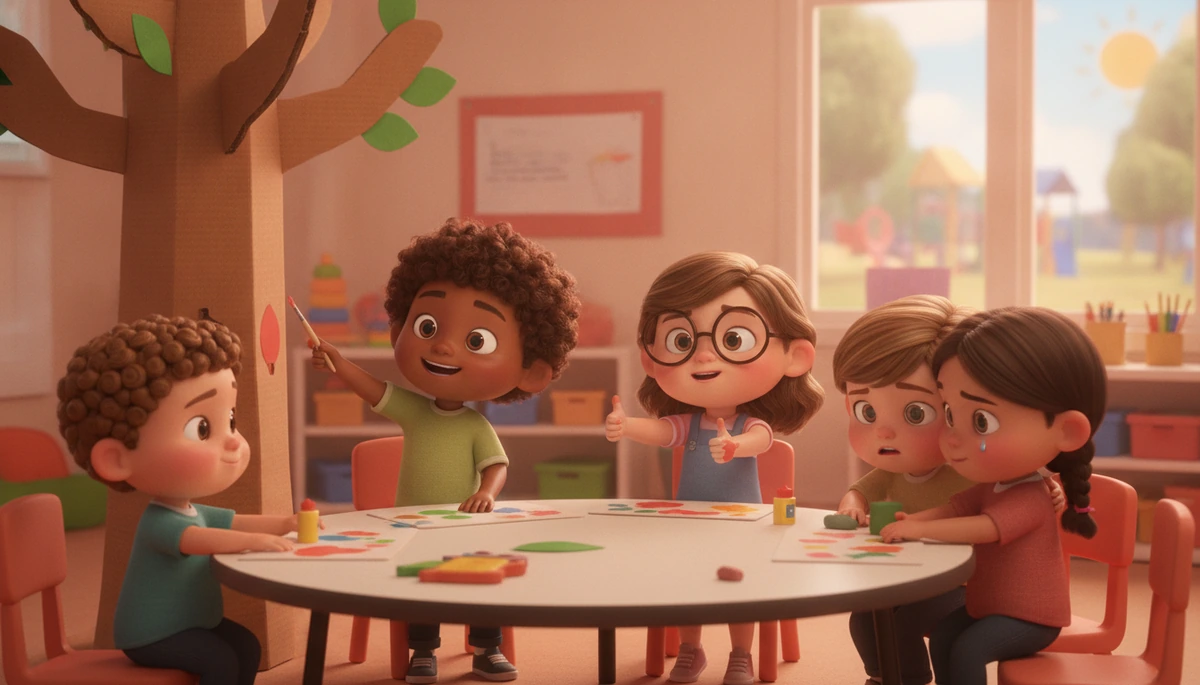
The Line Between SEL and Behavior Management
In the realm of education, Social-Emotional Learning (SEL) is a powerful tool designed to help children develop essential life skills such as self-awareness, self-management, and relationship skills. However, there is a thin line between effective SEL and what can sometimes devolve into mere behavior management. This article is part of our complete guide to SEL in the Classroom: What Parents Should Know.
Understanding the Difference
SEL aims to empower students by enhancing their emotional intelligence, empathy, and ability to collaborate with others. In contrast, behavior management focuses on controlling students' actions, often emphasizing compliance and obedience over personal growth. The distinction is critical because while SEL fosters intrinsic motivation and personal development, behavior management can sometimes suppress individuality and creativity.
Example: Imagine a classroom where a teacher implements SEL by encouraging students to express their feelings about a group project. This promotes understanding and collaboration. In contrast, a behavior management approach might focus on punishing students who don’t conform to specific behaviors during the project.
In my practice, I've observed that when SEL is properly integrated into the curriculum, students not only perform better academically but also exhibit higher emotional resilience. Schools that adopt a genuine SEL approach often report a more inclusive and supportive school culture, which benefits both students and teachers.
Red Flag 1: SEL Only Mentioned When Kids 'Misbehave'
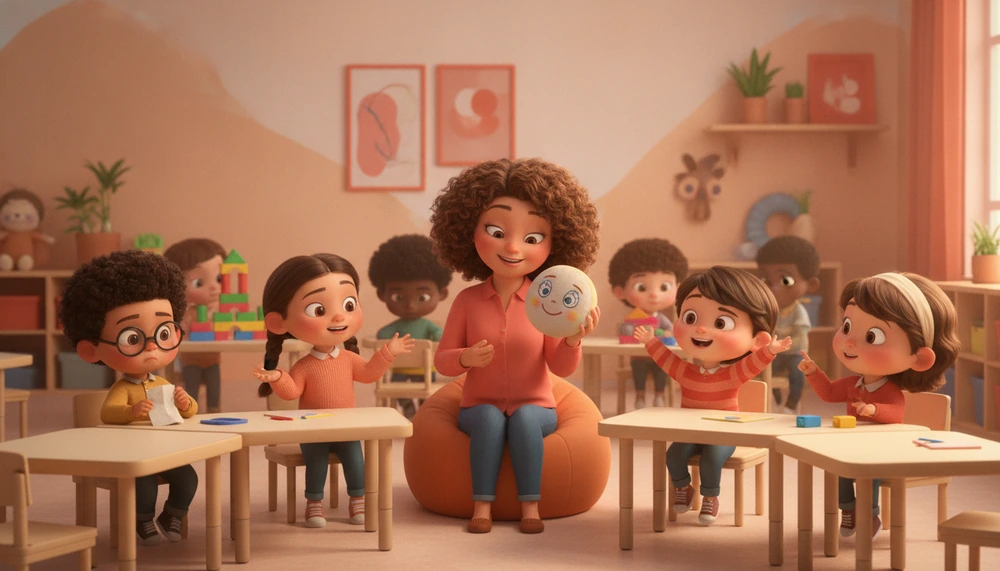
One of the most telling signs that SEL might be veering into behavior management is when it's only mentioned in the context of misbehavior. SEL should be a consistent part of the curriculum, not just a tool to correct undesirable behaviors.
Case Study
In my practice, I've seen schools where SEL is only brought up during disciplinary meetings. For instance, a student named Alex was only given SEL support after several incidents of disruption. Instead of integrating SEL into daily activities, it was used reactively. This approach missed opportunities for proactive skill-building that could prevent such disruptions in the first place.
To enhance SEL, schools should embed it into daily routines. For example, morning meetings can include discussions about emotions and how they affect learning. Teachers might start the day by asking students to share one emotion they feel and why. This practice not only normalizes emotional expression but also helps build a community where students feel safe to express themselves.
Red Flag 2: Rewards-and-Punishments Language
Another red flag is the prevalent use of rewards and punishments. True SEL should not rely on extrinsic motivators like stickers or detention to enforce rules.
Scripted Dialogue
- Teacher: "If you finish your work quietly, you’ll get a star."
- Alternative SEL Approach: "Let's talk about why staying focused helps everyone learn better. How do you feel when someone helps you stay on task?"
Moving away from a transactional model encourages children to internalize the value of self-control and collaboration, aligning with SEL's core objectives.
Example: Consider a classroom where instead of handing out rewards, the teacher uses a "gratitude circle" at the end of each day. Students take turns sharing something positive they noticed about a classmate's behavior. This technique helps shift the focus from individual rewards to community acknowledgment and appreciation.

Red Flag 3: Same Goals for Every Kid
SEL must be personalized. If every child has the same goals, it likely indicates a one-size-fits-all approach rather than a tailored strategy.
Infographic: Personalized SEL Goals
- Zone of Proximal Development: Highlighting Vygotsky's theory, showing how tailored goals within a child's developmental stage can enhance learning.
In practice, teachers can work with students to develop personalized learning plans. For example, one student might focus on building confidence in speaking up during class, while another might work on managing test anxiety. These personalized goals help students engage more deeply because they address individual needs and strengths.
Red Flag 4: No Input from Kids on Their Goals
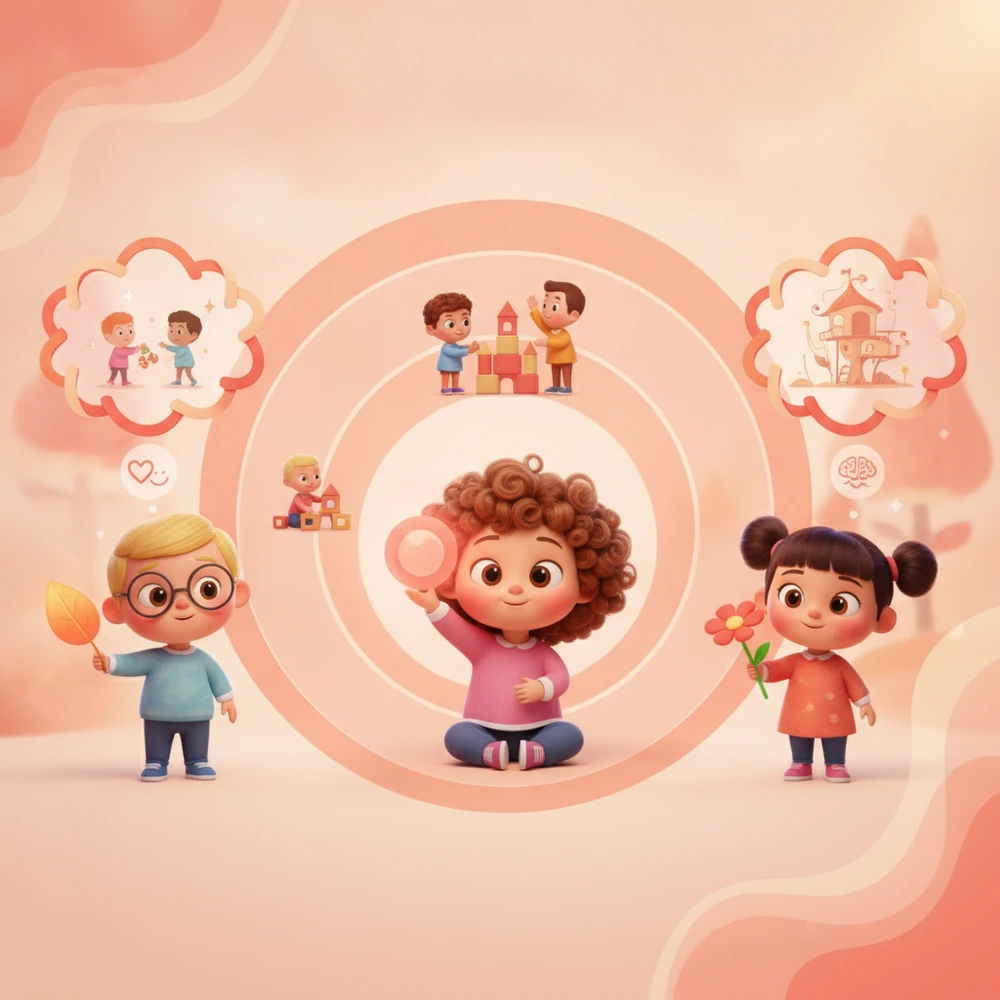
When kids have no say in their SEL goals, motivation and engagement can suffer. True SEL involves students in the goal-setting process, fostering ownership and responsibility.
Real-Life Script
- Teacher: "Let's set some goals. What would you like to improve or learn more about this year?"
- Student: "I want to get better at talking to new friends."
This dialogue encourages students to reflect on their needs and interests, making their learning more relevant and engaging. In my practice, when children are allowed to set personal goals, they become more invested in their learning journey, often showing greater enthusiasm and persistence in achieving them.
What Real SEL Looks Like Instead
Real SEL integrates into everyday school life and focuses on building competencies like empathy, responsible decision-making, and relationship skills. Programs should be inclusive, flexible, and student-centered.
Example: A class discussion about emotions where students share and listen to each other's experiences without judgment. This practice cultivates empathy and social awareness, key components of SEL.
Implementing True SEL
- Regular SEL Activities: Daily check-ins and group reflections.
- Collaborative Projects: Encouraging teamwork and communication.
- Emotional Vocabulary Building: Teaching students to articulate their feelings effectively.
In classrooms I've observed, students who participate in regular SEL activities often demonstrate improved emotional regulation and conflict resolution skills. These students are better equipped to handle challenges both inside and outside the classroom.
What to Do If Your School's 'SEL' Is Actually Compliance
If you suspect your child's school uses SEL as a guise for compliance, here’s what you can do:
- Engage with Teachers: Ask about the program's goals and implementation.
- Request Transparency: Request a curriculum overview to understand how SEL is integrated.
- Advocate for Change: Encourage the school to adopt inclusive and personalized SEL programs.
In My Practice
I've seen many parents successfully advocate for better SEL programs by collaborating with teachers and school administrators. One parent worked with their child's school to shift from a rigid behavior chart system to a more flexible SEL framework that accounted for individual student needs.
Parents can also organize informational sessions with other parents and teachers to discuss the benefits of true SEL. This collective approach can often lead to meaningful changes in how SEL is perceived and implemented.
Advocating for Inclusive SEL Classrooms can be a powerful step in ensuring your child receives the support they deserve.
References
- CASEL SELect program rubric
- Kohn, A. (2005). Unconditional Parenting. Retrieved from https://www.alfiekohn.org
- Davis, J. & Marsh, B. (2020). Confronting compliance-based SEL. ASCD. Retrieved from https://www.ascd.org
Try It This Week
Reading is the easy part. Skills build through small, repeated practice — here's a low-pressure plan you can try with your child.
- 1Discuss emotions dailyDaily, 5 minFacilitate daily discussions about emotions with your child to normalize emotional expression and build emotional vocabulary.👉 What this looks likeBefore bedtime, sit with your child and ask them to share one emotion they felt during the day and why. For instance, 'I felt excited when we played soccer.' This routine helps your child articulate their feelings and learn to recognize different emotions.
- 2Create a gratitude circleThis weekendImplement a gratitude circle at home to encourage positive reinforcement through acknowledgment rather than rewards.👉 What this looks likeDuring dinner, ask each family member to share something positive they noticed about someone else that day, like 'I appreciated when you helped set the table.' This practice fosters a sense of community and appreciation within the family.
- 3Set a personal goal with your childDay 2-3Work with your child to set a personal goal that aligns with their interests and developmental stage, enhancing motivation and investment.👉 What this looks likeSit with your child and discuss what they want to improve. For example, 'I want to get better at reading.' Help them choose a book they like and set a small, achievable goal like reading one page a day.
- 4Model emotional regulationOnce a weekDemonstrate emotional regulation by narrating your process when you experience strong emotions to teach by example.👉 What this looks likeNext time you're frustrated, say out loud, 'I am feeling frustrated because the internet is slow. I'm going to take a deep breath. Ah, that's better.' This models calm responses to emotions for your child.
- 5Engage in a collaborative projectThis weekendChoose a small project to work on together with your child to practice teamwork and communication skills.👉 What this looks likePlan a simple project like baking cookies. Assign roles, 'You measure the flour, I'll mix the dough.' Communicate about each step and discuss what went well and what could improve next time.
Frequently Asked Questions
What is the main difference between SEL and behavior management?
Why should SEL not rely on rewards and punishments?
How can parents recognize genuine SEL programs?
What should I do if my child's school misuses SEL?
How can SEL be personalized for each child?
References