Understanding SEL in Schools: A Parent's Guide to Social Emotional Learning
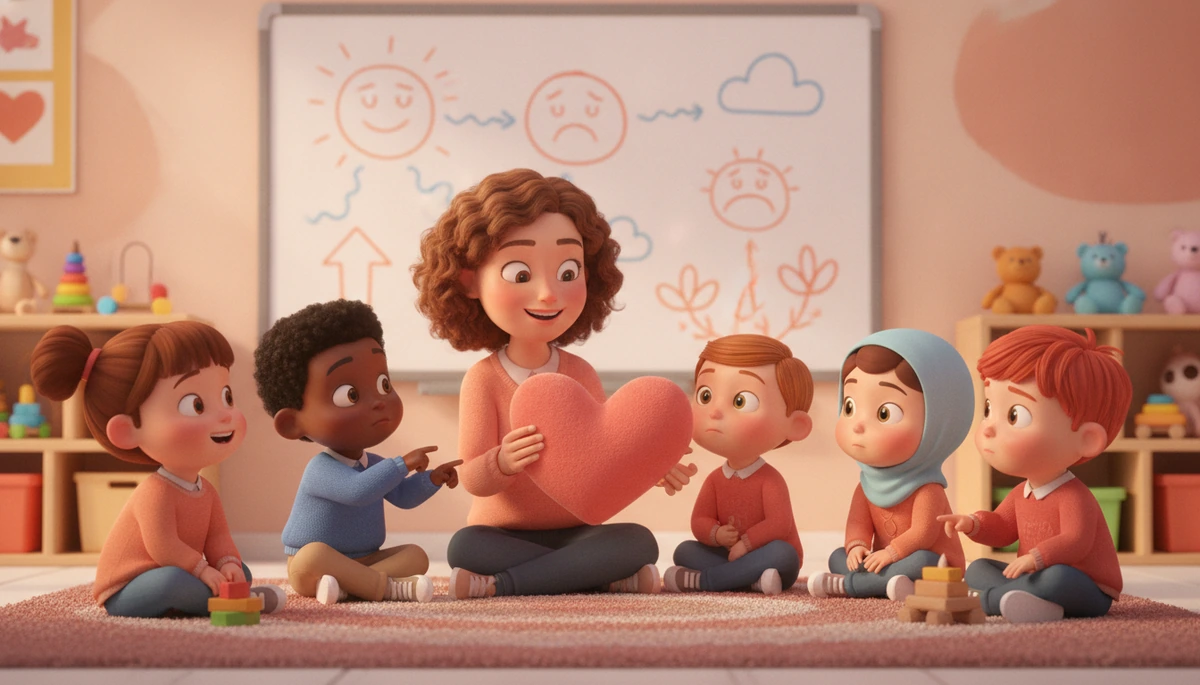
Understanding SEL in Schools
Social Emotional Learning (SEL) is an integral part of modern education, designed to enhance a child's ability to manage emotions, build relationships, and make responsible decisions. For parents, understanding the SEL curriculum in their child's school is crucial. This guide will explore the importance of SEL in schools, highlight key programs like Second Step, and provide advice on how to engage with educators about these programs effectively.
In This Guide
- Top US K-5 SEL Curricula Compared: Explore the leading SEL programs like Second Step and Sanford Harmony.
- How to Ask Your Child's Teacher About SEL Practices: Learn how to engage with teachers about SEL without being overbearing.
- When SEL Becomes 'Behavior Management': Recognize the difference between SEL and behavior management.
- Advocating for Inclusive SEL Classrooms: Discover how to ensure the SEL environment is inclusive and strengths-based.
What is SEL?
SEL is the process through which children and adults acquire the skills needed to understand and manage emotions, set and achieve positive goals, feel and show empathy for others, establish and maintain positive relationships, and make responsible decisions. According to the Collaborative for Academic, Social, and Emotional Learning (CASEL), SEL can improve students' academic performance, reduce aggression, and lead to better social behaviors 1.
The Role of SEL in K-5 Education
In K-5 education, SEL is particularly important as it lays the foundation for future learning and development. Programs like the Second Step curriculum aim to integrate SEL into daily classroom activities, allowing children to practice these skills in a supportive environment 2.
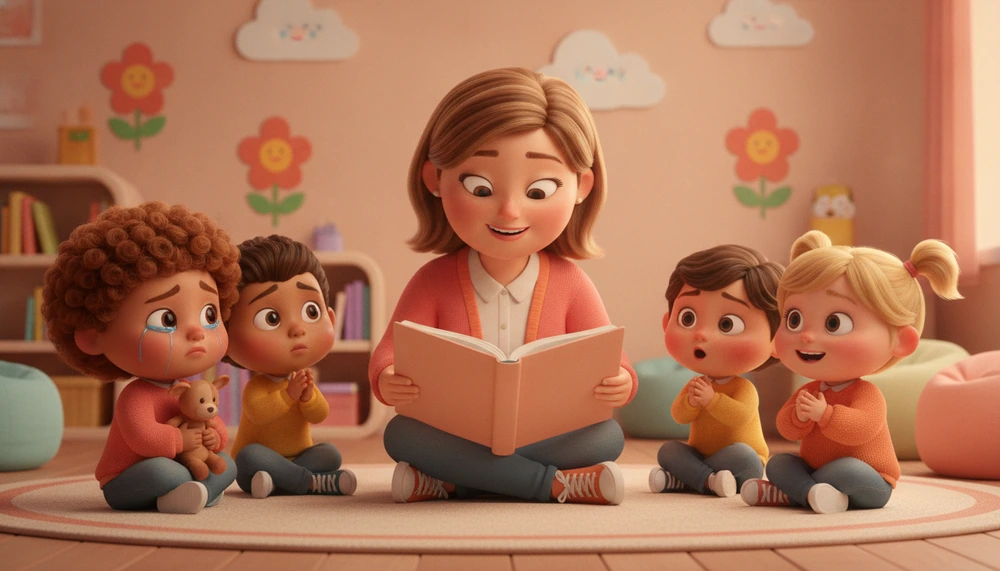
Example Scenario: Imagine a classroom where students are learning about empathy through a storytelling session. The teacher reads a story about a child who is feeling left out, and students discuss how they might feel in that situation and what they could do to help. This not only fosters empathy but also encourages students to express their feelings and support their peers.
In my practice: I've worked with schools where teachers use morning meetings as a platform for SEL activities. These sessions often begin with a simple question like, "How are you feeling today?" allowing students to voice their emotions and setting a tone of mutual respect and understanding for the day.
Top SEL Programs in Schools
Choosing the right SEL program is essential for effectively fostering emotional and social skills in students. Several programs are widely used across the United States, each with unique strengths and focuses.
Second Step Program
The Second Step program, developed by the Committee for Children, is one of the most widely used SEL curricula in US schools. It emphasizes skills for learning, empathy, emotion management, and problem-solving 2. This program is praised for its comprehensive approach to integrating SEL into everyday classroom activities.
- Structured lessons that build on each other.
- Activities that encourage real-life application of SEL skills.
- Resources for teachers to effectively implement the program.
Example in Practice: In a Second Step lesson, students might engage in a role-playing activity where they simulate a problem-solving scenario. For instance, two students might pretend to have a disagreement over a shared toy, and the class discusses how to resolve the conflict using empathy and cooperation.
Sanford Harmony
Sanford Harmony focuses on promoting communication, collaboration, and relationship-building among students. It includes lessons that help students understand and respect diversity, manage conflict, and work cooperatively 3.
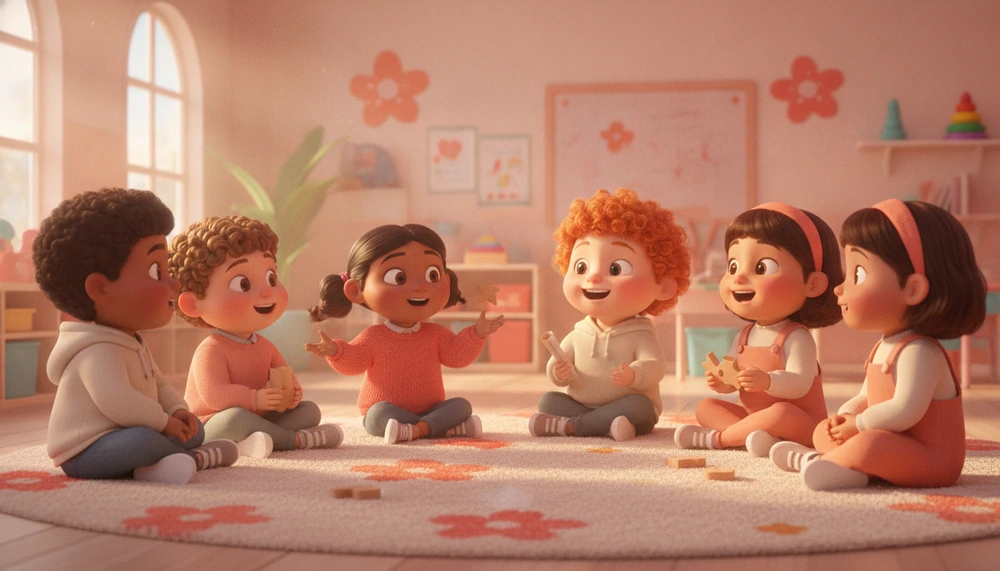
Example Scenario: Picture a classroom where students engage in a "Meet Up" session, part of Sanford Harmony, where they discuss daily goals and reflect on interpersonal interactions. This routine helps students build stronger connections with classmates and improves their ability to collaborate.
In my practice: I've seen how Sanford Harmony's "Buddy Up" activities can transform classroom dynamics. By pairing students who don't usually work together, they learn to appreciate diverse perspectives and build new friendships.
Yale RULER
Yale's RULER approach is another popular SEL framework that emphasizes the development of emotional intelligence through recognizing, understanding, labeling, expressing, and regulating emotions 4. The RULER program is research-based and has been shown to improve emotional climate in classrooms.
Example in Practice: In my practice, I've seen schools successfully use RULER to enhance students' emotional vocabulary. Teachers would use mood meters to help students articulate their feelings, fostering an environment where students feel safe to express themselves.
Case Study: Consider a class where the teacher introduces RULER's "Feeling Words Curriculum." Students start their day by selecting a word from a "mood meter" posted on the wall. This simple act of recognition and labeling helps students become more self-aware and better at managing their emotions.
How to Engage with Your Child's School About SEL
Parents play a critical role in supporting their child's SEL development, and engaging with schools is a crucial part of this process. However, it's important to approach the topic thoughtfully.
Asking the Right Questions
When talking to teachers about SEL, focus on understanding the program's impact on your child. Here are a few questions to consider:
- What SEL program does the school use?
- How are SEL skills integrated into daily learning?
- How can parents support SEL at home?
For more tips, see How to Ask Your Child's Teacher About SEL Practices.
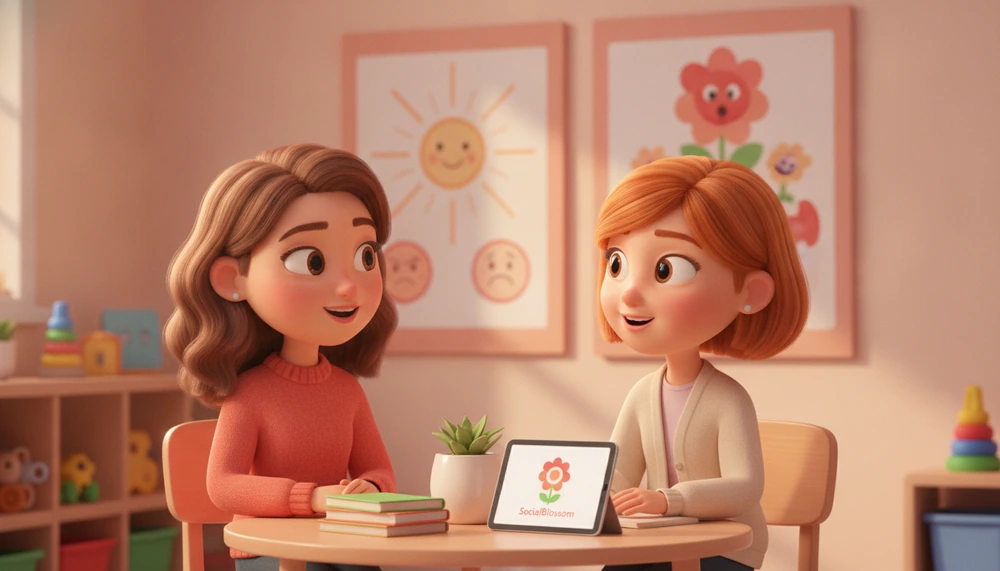
Example of a Conversation: "I'm interested in understanding how SEL is taught in the classroom. Can you tell me more about the program and how I might reinforce these skills at home?"
In my practice: I've guided parents to initiate these conversations by attending parent-teacher meetings prepared with specific questions about SEL. This proactive approach not only informs parents but also shows educators that SEL is valued at home.
Bridging SEL from School to Home
SEL doesn't stop at school. Parents can reinforce these skills at home through various activities and discussions.
Using Social Stories
Social stories are an excellent tool for reinforcing SEL at home. These stories use simple narratives to teach children about social norms and emotional responses. You can find a variety of social stories that align with SEL topics like sharing, emotional regulation, and cooperation.
Example of Using a Social Story: One effective way to support SEL at home is to use a story like Calm Down with Charlie: Learning to Share. Read the story with your child and discuss the emotions and decisions of the characters. Encourage your child to relate these experiences to their own life.
Practical Activities
- Emotional Check-Ins: Create a routine where you ask your child about their feelings each day. This could be as simple as asking, "What was the best part of your day?" and "Did anything make you feel upset?"
- Role-Playing: Engage in role-playing activities to practice conflict resolution or empathy.
In my practice, I've seen families use dinner time as an opportunity for emotional check-ins. By asking each family member to share their "rose and thorn" of the day, everyone gets a chance to practice expressing emotions and listening.
For more on building inclusive environments, see Advocating for Inclusive SEL Classrooms.

Challenges and Considerations
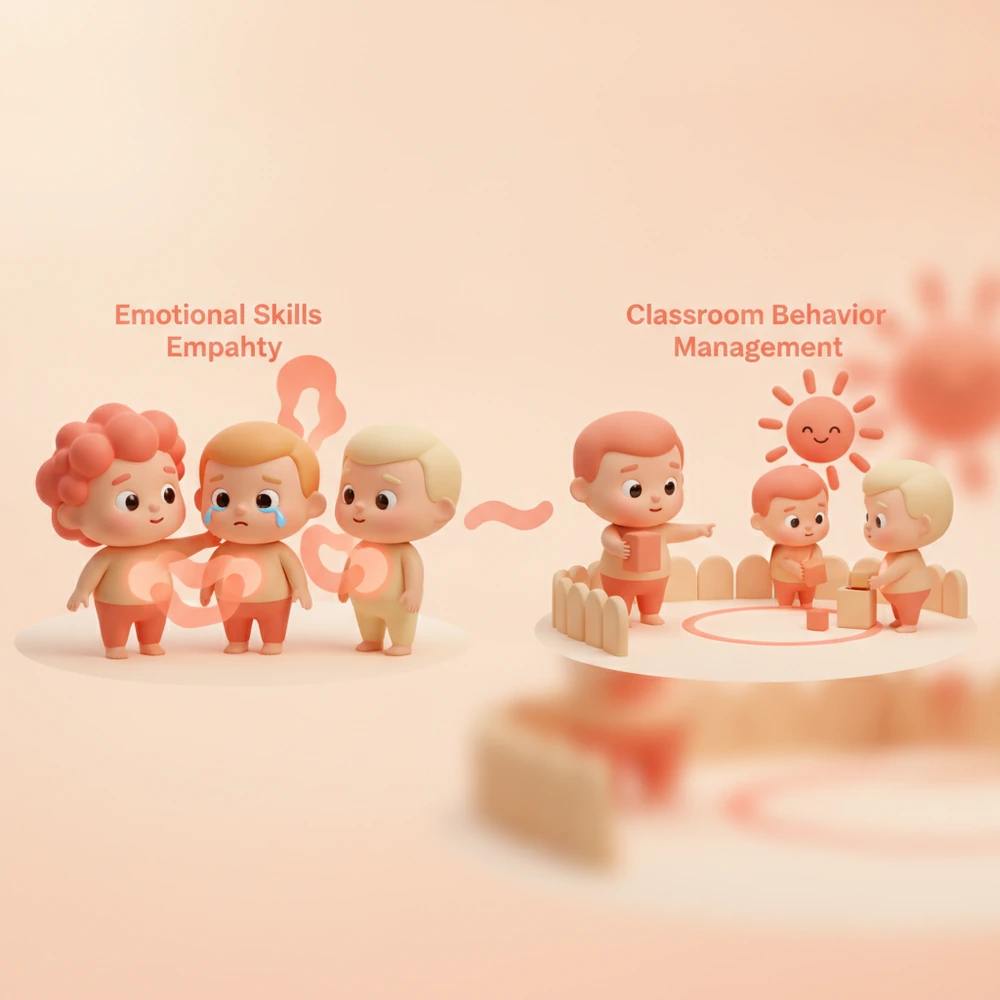
While SEL has many benefits, there are challenges in its implementation. Some programs may unintentionally blur the line between SEL and behavior management. It's essential for parents to recognize this and advocate for a program that truly supports emotional growth rather than simply managing behavior 5.
Recognizing True SEL
An effective SEL program should focus on fostering emotional intelligence and social skills, not just controlling behavior. Parents should ensure that SEL goals are aligned with their child's emotional development needs.
Example Warning Sign: If an SEL program focuses solely on reducing unwanted behaviors without addressing the underlying emotional skills, it may not be effective. It's crucial for parents to ask how SEL goals are set and measured, ensuring they align with emotional development.
In my practice: I once worked with a school that prioritized reducing disciplinary actions over developing SEL skills. By shifting the focus to emotional understanding and empathy, students began to show genuine improvements in behavior and interpersonal skills.
To learn more about these distinctions, check out When SEL Becomes 'Behavior Management'.
Conclusion
Understanding and engaging with your child's SEL curriculum is vital for supporting their emotional and social development. By asking informed questions, using resources like social stories, and reinforcing skills at home, parents can significantly enhance their child's SEL journey.
References
- CASEL SELect program rubric. Retrieved from https://casel.org/
- Second Step (Committee for Children). Retrieved from https://www.secondstep.org/
- Sanford Harmony. Retrieved from https://sanfordharmony.org/
- Yale RULER. Retrieved from https://www.rulerapproach.org/
- Durlak, J. A., et al. (2011). The impact of enhancing students’ social and emotional learning: A meta-analysis. Retrieved from https://pubmed.ncbi.nlm.nih.gov/21291449/
Try It This Month
Reading is the easy part. Skills build through small, repeated practice — here's a low-pressure plan you can try with your child.
- 1Start a daily emotional check-inDaily, 5 minCreate a routine where you ask your child about their feelings each day to build emotional awareness and expression.👉 What this looks likeEach morning, as you prepare breakfast, ask your child, 'What color is your day today?' This metaphorical question encourages them to express emotions without needing to name them directly. Respond with empathy, 'A blue day? Sounds a bit sad. Want to talk about it?' This simple routine helps kids articulate feelings and feel heard.
- 2Incorporate social storiesTwice a weekUse social stories to teach social norms and emotional responses. Relate them to real-life situations.use this story →👉 What this looks likeChoose a social story like 'Calm Down with Charlie: Learning to Share' and read it during a quiet time. Discuss the characters' emotions and decisions afterward. Ask questions like, 'How did Charlie feel when he shared?' and 'What would you do in that situation?' This helps children relate stories to their experiences.
- 3Engage in role-playing gamesThis weekendPractice conflict resolution and empathy through role-playing activities to build social skills.👉 What this looks likeSet up a role-playing game where you and your child act out a common conflict scenario, such as deciding who gets the last cookie. Guide them to express feelings, 'I feel sad because I want the cookie too,' and find a solution together, 'Maybe we can split it?'. This teaches negotiation and empathy.
- 4Discuss SEL with teachersOnce this monthInitiate conversations with teachers about SEL programs and how you can reinforce them at home.learn more in this guide →👉 What this looks likeDuring the next parent-teacher meeting, ask specific questions about the SEL curriculum: 'How are SEL skills being integrated into the daily schedule?' and 'What can we do at home to support these lessons?' This engagement shows your commitment and helps align home and school efforts.
- 5Model emotional regulationDailyDemonstrate how you manage your emotions in everyday situations to teach by example.👉 What this looks likeWhen feeling frustrated, like when you're stuck in traffic, narrate your emotions out loud: 'I'm feeling a bit impatient because we're late. I'm going to take three deep breaths to calm down.' Showing this process helps children learn self-regulation through observation.
- 6Plan a family SEL nightThis monthDedicate an evening to SEL activities, fostering a family culture of emotional learning.👉 What this looks likeOrganize a family SEL night with games focused on emotional learning. Play a game of 'Emotion Charades,' where each family member acts out different feelings while others guess. Afterward, discuss how it felt to express and recognize those emotions, enhancing family understanding and connection.
- 7Explore SEL resourcesOnce this monthResearch additional SEL resources to expand your toolkit and keep activities fresh.in the SocialBlossom app →👉 What this looks likeVisit websites like CASEL or explore the SocialBlossom app for new SEL activities and insights. Choose one new activity to try with your child and discuss its impact afterward. This continuous learning approach keeps SEL engaging and relevant.
Frequently Asked Questions
What is the main purpose of SEL in schools?
How can I find out what SEL program my child's school uses?
Are SEL programs effective for all students?
How can parents support SEL at home?
What should I do if SEL seems like behavior management at my child's school?
Can SEL reduce bullying in schools?
How often should SEL be practiced at home?
References
- CASEL SELect program rubric. Retrieved from https://casel.org/
- Second Step (Committee for Children). Retrieved from https://www.secondstep.org/
- Sanford Harmony. Retrieved from https://sanfordharmony.org/
- Yale RULER. Retrieved from https://www.rulerapproach.org/
- Durlak, J. A., et al. (2011). The impact of enhancing students’ social and emotional learning: A meta-analysis. Retrieved from https://pubmed.ncbi.nlm.nih.gov/21291449/