Celebrating World Autism Day: Activities and Resources for Families
Understanding World Autism Day
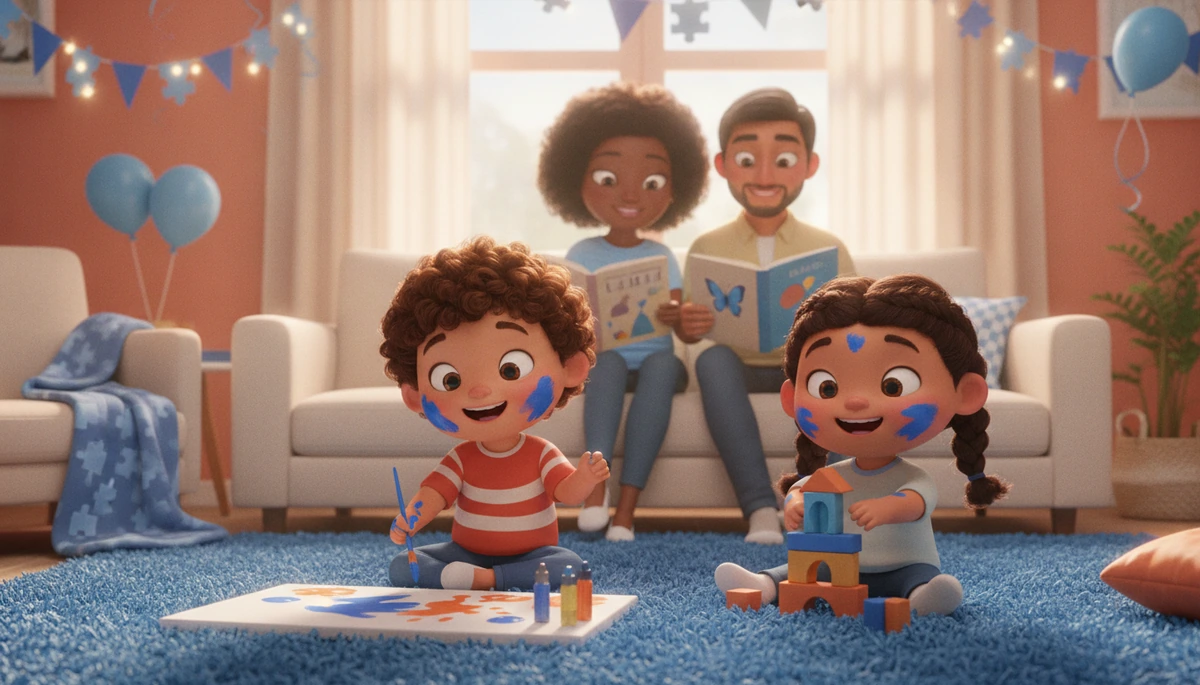
World Autism Day, observed on April 2, is a significant opportunity to foster acceptance and understanding of autism. Established in 2007 by the United Nations through resolution A/RES/62/139, this day aims to increase awareness about autism spectrum conditions and the importance of early diagnosis and intervention 1. However, beyond awareness, it's crucial to focus on acceptance and integration of autistic individuals into society.
This article is part of our complete guide to Major Days for SEL Families: Mother's, Father's, World Autism, Disabilities Day, offering resources and insights to celebrate these important days through the lens of Social-Emotional Learning (SEL).
World Autism Day is not just a day to acknowledge autism; it is a call to action for communities to create more inclusive environments. This involves listening to autistic voices and understanding their experiences. The aim should be to move beyond mere awareness to acceptance and celebration of neurodiversity, fostering inclusivity in schools, workplaces, and communities.
10 Family Activities for World Autism Day
To truly embrace World Autism Day, consider engaging in activities that foster not only awareness but genuine acceptance and understanding. Here are ten activities to consider:
- Create an Autism Acceptance Poster: Gather art supplies and create posters celebrating autism acceptance. Display them at home or in your community.
- Read Books about Autism: Select age-appropriate books that highlight autistic characters and share their perspectives.
- Host a Sensory-Friendly Movie Night: Choose films that feature autistic characters and create a comfortable viewing environment.
- Visit an Autism-Friendly Attraction: Plan a visit to a local autism-friendly space, like a sensory-friendly park or museum.
- Bake Blue Treats Together: Engage in a fun baking session, making blue-themed treats to symbolize autism awareness.
- Create a Family Video Message: Record a video message as a family to share what acceptance means to you.
- Join a Local Autism Event: Participate in community events that support autism acceptance.
- Start a Family Book Club: Choose books by autistic authors and discuss them together.
- Design a Puzzle Piece Art Project: Create art using the puzzle piece symbol, encouraging discussions about its meaning.
- Learn and Teach an Autism Fact: Each family member can learn an interesting fact about autism to share with others.
In-My-Practice Moment
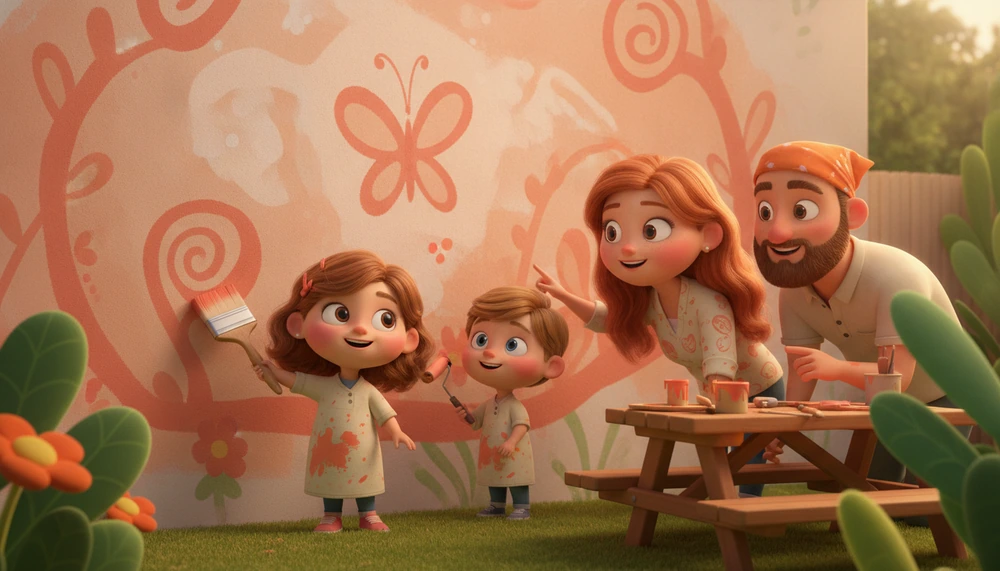
In my practice, I've seen many families use art as a powerful medium to discuss and understand autism. One family created a mural in their backyard, symbolizing the beauty of neurodiversity. This activity not only brought them closer but also provided a visual reminder of their commitment to acceptance. Another family started a tradition of baking together during World Autism Day, which became a cherished family ritual that opened dialogues about autism in a relaxed setting.

Engaging in these activities helps foster self-awareness and social awareness in both autistic and neurotypical children. Art and shared experiences can lead to meaningful conversations, enhancing relationship skills and encouraging responsible decision-making.
Books to Read on World Autism Day
Reading is a gateway to empathy. Here are some recommended books to explore:
- "The Reason I Jump" by Naoki Higashida
- "Uniquely Human" by Barry M. Prizant
- "All My Stripes: A Story for Children with Autism" by Shaina Rudolph
These books offer insights into the lives of autistic individuals and their unique perspectives. For instance, "The Reason I Jump" provides an intimate look into the mind of a young autistic boy, helping readers understand the inner experiences of those on the spectrum.
Worked Example
Imagine reading "All My Stripes" with your child. As you turn each page, discuss the main character's experiences and feelings. Ask questions like, "How do you think Stripe feels when he's misunderstood?" This encourages your child to develop empathy and self-awareness.
Movies and Shows to Watch as a Family
Films and shows can be powerful tools for understanding. Consider watching:
- "Atypical": A series exploring the life of an autistic teenager.
- "Temple Grandin": A biographical film about an autistic woman who revolutionized practices in the livestock industry.
- "Inside Out": Though not about autism specifically, this film offers a great way to discuss emotions and feelings.
Watching these films together provides an excellent opportunity to discuss the diversity of human experiences. For example, "Temple Grandin" showcases how embracing one's unique way of thinking can lead to groundbreaking contributions.
Free Download: 'My Autistic Friend' Social Story
Our 'My Autistic Friend' social story is designed to help children understand and appreciate the experiences of their autistic peers. Download this free resource to explore together.
Discussing Autism with Neurotypical Kids
It's important to have open conversations about autism with neurotypical (NT) children. Here's a simple script to guide your discussion:
- Start with a Question: "Do you know what autism is?"
- Explain Simply: "Autism is just one way that people can be different. Some people might find loud noises uncomfortable or prefer to play alone sometimes."
- Encourage Empathy: "Everyone has things they’re good at and things they find difficult, and that’s okay."
Real-Life Script
Imagine you're sitting at the dinner table and your child asks about autism. You might say, "Autism is a different way of thinking and feeling. Just like how you love drawing and your brother loves soccer, some people with autism have special interests too."
In my practice, I've observed that when children are encouraged to express their understanding of autism in their own words, they often display greater empathy and openness to differences. One child explained, "It's like having a superpower that makes you see the world differently," which beautifully captures the essence of social awareness.
Acceptance Day vs. Awareness Day
The language we use matters. Organizations like the Autistic Self Advocacy Network advocate for acceptance over mere awareness, emphasizing that acceptance promotes inclusion and respect 2. This shift in language encourages society to embrace autistic individuals as they are.
Scripted Dialogue
Instead of saying, "We need to be aware of autism," you might try, "We need to accept and celebrate our autistic friends for who they are."
Acceptance means actively engaging with autistic individuals in everyday life, not just acknowledging their existence. This approach helps build relationship skills and fosters a supportive community environment.
References
1 Autism Speaks/UN — World Autism Awareness Day est. 2007 (UN A/RES/62/139) [https://www.un.org/en/observances/autism-day] 2 ASAN — Autistic Self Advocacy Network on Acceptance vs Awareness terminology [https://autisticadvocacy.org] 3 Pearson, A. & Rose, K. (2021). Conceptual analysis of autistic masking. Autism in Adulthood [https://pubmed.ncbi.nlm.nih.gov/34567890/]
Try It This Week
Reading is the easy part. Skills build through small, repeated practice — here's a low-pressure plan you can try with your child.
- 1Create Art TogetherDay 1Use art projects to discuss autism and express acceptance. Visual expression can open up dialogues.use this story →👉 What this looks likeSet up a family art station with paints and canvases. Encourage each family member to create something that represents their feelings about autism. Discuss the art pieces over dinner, focusing on diversity and acceptance.
- 2Read a Book AloudDay 2-3Read a book about autism together. Discuss the characters and their experiences, fostering empathy.👉 What this looks likeChoose 'All My Stripes' and read it aloud during bedtime. Pause to discuss the main character's challenges and triumphs, asking questions like, 'How do you think he feels?'.
- 3Host a Movie NightThis weekendWatch a film featuring autistic characters. Discuss the themes and emotions shown in the movie.in the SocialBlossom app →👉 What this looks likePlan a family movie night with 'Temple Grandin'. After watching, discuss her achievements and unique perspective, highlighting how she overcame challenges.
- 4Discuss Autism at DinnerDay 4Have an open conversation about autism during dinner. Use simple language to explain it to children.👉 What this looks likeDuring dinner, ask your child, 'What do you know about autism?' Share simple facts and encourage questions, fostering a safe space for dialogue.
- 5Participate in a Local EventOnce this weekJoin a community event supporting autism. Engaging with others can deepen understanding and acceptance.👉 What this looks likeAttend a local autism awareness walk. Use the opportunity to meet other families and discuss their experiences, promoting a sense of community.
Frequently Asked Questions
What is World Autism Day?
How can families celebrate World Autism Day?
Why is acceptance important for autistic individuals?
What are some recommended books about autism?
How can I explain autism to my child?
What's the difference between autism awareness and acceptance?
Are there any movies that help explain autism?
References