Understanding Childhood Anxiety: A Guide for Parents of 5-8 Year Olds
Why Anxiety Often Shows Up at Ages 5-8
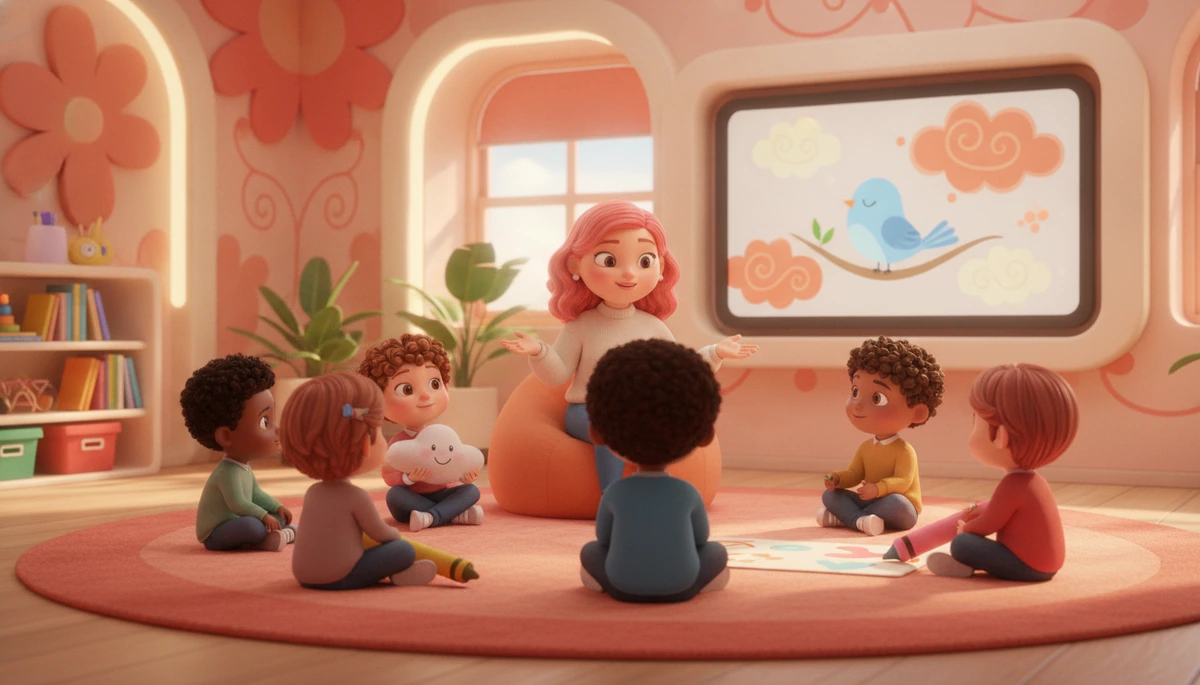
Children aged 5-8 are in a unique developmental phase where they start understanding the world more deeply. This awareness brings about new concerns and fears. At this age, children are learning to navigate social settings like school and friendships, which can naturally lead to increased worries. These worries can sometimes manifest as anxiety, but it's crucial to recognize it as part of their developmental journey.
This article is part of our complete guide to Early Elementary SEL (Ages 5-8): A Parent's Guide, offering insights into supporting your child through this essential stage.
In my practice, I've seen many parents express concern when their child starts voicing fears about things like school performance or making friends. Understanding these concerns as a natural part of growing up can help parents provide better support.
In-My-Practice Moment: I've observed that children often express their worries through play or art. One child, Jake, would build elaborate block structures and then express anxiety about them being knocked down. His parents used this play as a conversation starter to discuss feelings of vulnerability and control.

Common Worries by Age
Children’s worries tend to evolve with age. Here are some typical concerns you might notice:
- Ages 5-6: Fear of separation from parents, worries about monsters or the dark.
- Ages 7-8: Concerns about school performance, making friends, and understanding more complex concepts like death or safety.
It's important to note that these worries are very normal and part of emotional growth. They help children develop self-awareness and social awareness, key components of social-emotional learning (SEL).
Example: Imagine a 6-year-old named Maya who suddenly becomes anxious about going to school. She worries about not knowing the answers in class or not having anyone to play with at recess. This is typical as children start to engage more socially and academically. Maya's parents can support her by acknowledging her feelings and helping her find solutions, like role-playing social scenarios or reading social stories together.
'Normal Worry' vs 'Clinical Anxiety'
It's important to differentiate between normal developmental worries and signs that might suggest more significant anxiety. Normal worry might include occasional fears that resolve with reassurance, while clinical anxiety might involve persistent fears that interfere with daily activities.
Signs that warrant further attention include:
- Consistent avoidance of social activities or school.
- Physical symptoms like headaches or stomachaches that coincide with anxiety.
- Excessive reassurance-seeking about the same fears over time.
If these signs are persistent, it may be time to talk to your pediatrician. They can help determine if further support is needed, possibly including consulting with a specialist like a child psychologist.
Worked Example: Consider a child, Sam, who begins to complain of stomachaches every morning before school. His parents initially thought it was a medical issue but noticed it only happened on school days. By discussing his feelings and validating them, they discovered Sam was anxious about a group project. This insight allowed them to work with his teacher to provide additional support in class, easing his anxiety.
Validating vs Reassurance
While it might feel natural to reassure a worried child, constant reassurance can sometimes trap you in a cycle where the child becomes dependent on external validation. Instead, validating their feelings—acknowledging their fears without immediately jumping to comfort—can be more effective.
- Child: "I'm scared of going to school."
- Parent: "I hear that you're scared. It's okay to feel scared. What do you think might help you feel a bit better about it?"
This approach encourages children to express their feelings and think about coping strategies. By validating, you help them develop self-management skills—an essential part of SEL.
Wilson's 'Worry Brain' Technique for Kids
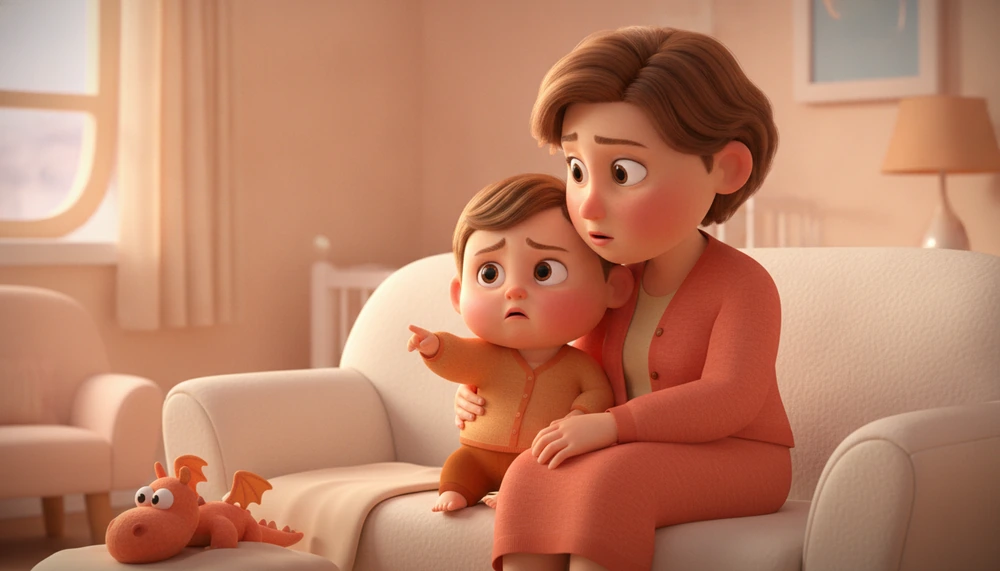
Wilson's 'worry brain' technique is a helpful method for children to understand and manage their fears. It involves teaching children that their brain has a part that worries unnecessarily and how they can "talk back" to it.
How to Implement the 'Worry Brain' Technique:
- Identify the Worry: Teach your child to recognize when their "worry brain" is talking.
- Challenge the Thoughts: Encourage them to ask if the worry is realistic.
- Replace with Positive Thoughts: Help them find a reassuring or comforting thought.
For instance, if a child is worried about a test, they can learn to say, "My worry brain thinks I'll fail, but I’ve studied well, and I can do my best."
In-My-Practice Moment: I've used the 'worry brain' technique with many children. One child, Emily, learned to label her worries as "worry brain thoughts" and found it empowering to challenge them. Her parents noticed she became more confident in handling her fears over time, which improved her overall school performance.
Worry-Time as a Daily Ritual
Designating a specific "worry-time" each day can help children contain their worries. This involves setting aside a short period when your child can express their worries, and you can discuss them together.
- Every evening after dinner, set a 10-minute "worry-time." Let your child talk about what's on their mind. After this time, gently remind them that it's time to focus on something else, like reading a story or playing a game.
This structured approach can help children feel heard and also learn to manage their worries. It builds responsible decision-making skills by teaching them to prioritize when to focus on their worries.
When to Talk to Your Pediatrician
While many worries are part of normal development, there are times when it’s important to seek professional advice. If your child’s anxiety is affecting their daily life or health, consulting a pediatrician or a child psychologist is a prudent step. They can provide guidance and, if necessary, refer you to a specialist.
Remember, addressing these concerns early can prevent them from becoming more problematic as the child grows. Early intervention supports children in developing healthy relationship skills and managing emotions effectively.
References
1 Wilson, R. & Lyons, L. (2013). Anxious Kids, Anxious Parents.
2 AAP Bright Futures: Guidelines for Health Supervision (4th ed.).
Try It This Month
Reading is the easy part. Skills build through small, repeated practice — here's a low-pressure plan you can try with your child.
- 1Set Daily Worry-TimeDaily, after dinnerDesignate a specific time each day for your child to express worries. This helps contain anxiety and teaches prioritization.use this story →👉 What this looks likeEvery evening, sit down with your child for 10 minutes to discuss their worries. After this time, shift focus to a positive activity like reading a story or playing a game. This routine helps children feel heard and teaches them to manage when to worry.
- 2Model Healthy Anxiety ResponsesWeeklyDemonstrate how you manage your own worries. Children learn by observing adults.in the SocialBlossom app →👉 What this looks likeWhen you're anxious about an upcoming meeting, express it out loud where your child can hear: "I'm nervous about tomorrow's meeting, but I’ve prepared well. I'll do my best." This shows them anxiety is manageable.
- 3Use 'Worry Brain' TechniqueOnce a weekTeach your child to identify and challenge their 'worry brain.' It empowers them to handle fears independently.use this story →👉 What this looks likeDuring a quiet moment, ask your child about a recent fear. Help them label it as 'worry brain' and discuss realistic outcomes. Encourage them to replace the worry with a positive thought.
- 4Validate Feelings RegularlyDailyAcknowledge your child's fears without rushing to comfort. This encourages self-awareness and problem-solving.👉 What this looks likeWhen your child expresses fear about a school trip, say, "I understand it feels scary. What do you think might make it less scary?" This opens up a dialogue for problem-solving.
- 5Create a Relaxation RoutineDaily, before bedHelp your child practice relaxation techniques to use when anxious.learn more here →👉 What this looks likeIntroduce deep breathing before bedtime. Guide your child to breathe in slowly for 4 counts, hold for 4, and breathe out for 4. Repeat several times to instill calmness.
Frequently Asked Questions
How can I tell if my child's anxiety is normal?
What are common anxiety triggers for ages 5-8?
How can I help my child manage anxiety?
Should I seek professional help for my child's anxiety?
What is the 'worry brain' technique?
References