How to Create Social Stories for Children: A Step-by-Step Guide
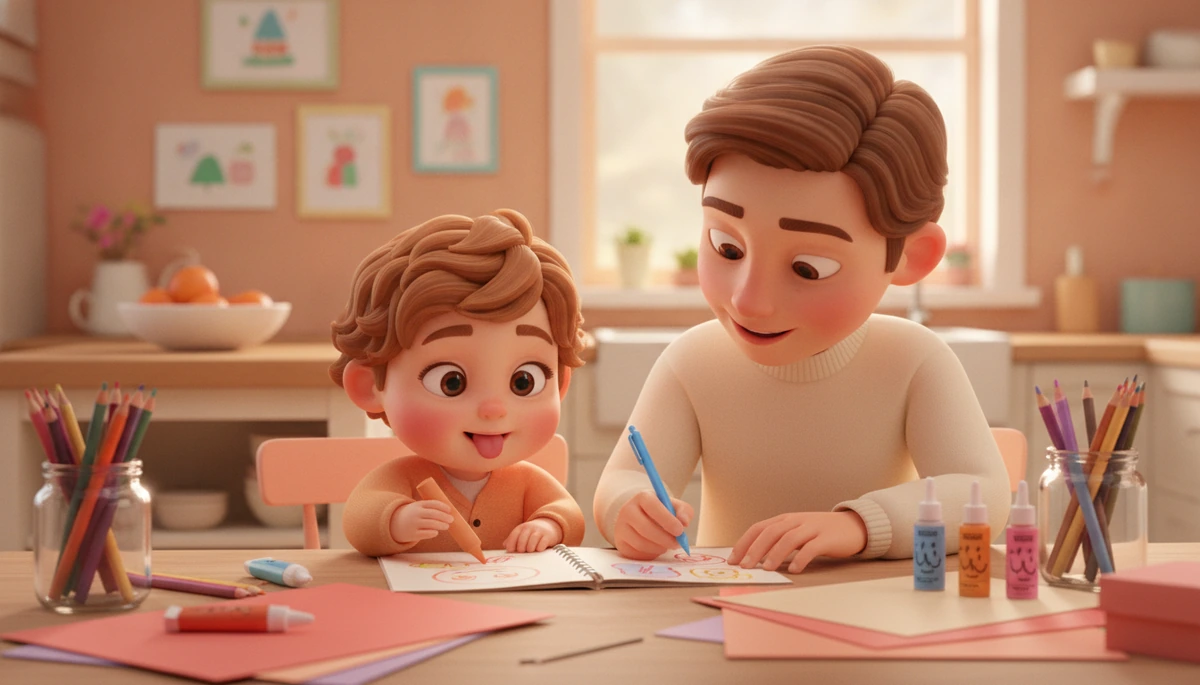
Social stories are a powerful tool for helping children navigate social events and interactions. They offer a structured way for kids to understand and manage their emotions and actions in various situations. This article is part of our complete guide to Social Stories: A Complete Guide (Carol Gray Method). In this guide, we'll walk you through writing your first social story using a practical example: "Going to a Birthday Party."
Step 1: Pick the Situation
The first step in writing a social story is choosing a specific situation your child might encounter. This could be anything from attending a birthday party to visiting the dentist. The key is to select an event that is relevant and meaningful to your child.
Example: Imagine your child, Alex, has been invited to a friend's birthday party. Alex is excited but also anxious about what to expect. Creating a social story about attending a birthday party can help Alex understand the sequence of events and what behaviors are expected.
When selecting a situation, consider the events that typically cause anxiety or require preparation for your child. Events like visiting a new school or meeting relatives for the first time can be excellent scenarios for social stories. The goal is to facilitate understanding and comfort by breaking down these experiences into manageable parts.

Step 2: Gather Your Child's Perspective
Understanding your child’s perspective is crucial. Talk to them about their feelings and thoughts regarding the situation. This will help you tailor the story to address their specific concerns and expectations.
- Parent: "Alex, how do you feel about going to Jamie's party?"
- Alex: "I'm excited, but what if I don't know what to do there?"
- Parent: "That's okay! Let's make a story together about what happens at a birthday party."
This conversation helps uncover any anxieties and reinforces that it's okay not to know everything ahead of time.
During these discussions, focus on validating your child’s feelings. Use open-ended questions to explore their thoughts. This approach not only builds self-awareness but also enhances social awareness by acknowledging how they might feel in different situations.

Step 3: Outline Using the 10.2 Sentence Ratio
Carol Gray’s 10.2 criteria is essential for creating an effective social story 2. It emphasizes a balance of descriptive, perspective, and directive sentences. Aim for a ratio of 2-5 descriptive, 1-2 perspective, and 0-1 directive sentences.
Outline Example:
- Descriptive: "The birthday party will be at Jamie's house."
- Perspective: "Many children feel excited and a bit nervous when attending a party."
- Directive: "I will do my best to have fun and try new games."
The use of this structured framework ensures that children can relate to the story and learn from the narratives. In my practice, I've observed that children respond well to stories that are clear and concise, allowing them to focus on the key aspects of the situation.
Step 4: Write the Descriptive Sentences First
Start by writing the descriptive sentences, which should objectively describe the situation. These sentences provide the 'who, what, where, and why' of the story without any judgments or directives.
- "The party will begin at 3 PM in Jamie’s backyard."
- "There will be games, snacks, and a big cake."
These sentences set the scene and give your child a clear picture of what to expect.
Descriptive sentences are the foundation of the social story. They help the child visualize the setting and the sequence of events. This clarity can significantly reduce anxiety by transforming the unknown into something familiar and predictable.
Step 5: Add Perspective Sentences
Perspective sentences describe the feelings and thoughts of the child or others involved. These sentences offer insight into emotions and help the child empathize with others.
- "Jamie might feel happy to see everyone at the party."
- "I might feel shy at first, but that’s okay. Many children do."
Including these sentences helps children understand that feeling a range of emotions is normal. This understanding can build empathy and self-regulation skills, as children learn to recognize and accept their own feelings.
Step 6: Minimal Directive Sentences
Directive sentences gently guide the child towards a desired behavior. They should be used sparingly and framed positively.
- "I will try to say 'hello' to Jamie when I arrive."
- "If I need help, I can ask an adult."
Remember, the goal is to support, not to instruct or command.
Drafting directive sentences requires a delicate balance. They must empower the child to make choices rather than feel compelled to act in a specific way. In my experience, children appreciate stories that respect their autonomy, which in turn encourages responsible decision-making.
Step 7: Pictures + Format
Visuals are a critical component of a social story. Use images to illustrate key points and help make the story engaging. Consider drawing simple pictures or using photos.
- A sequence illustrating 'Going to a Birthday Party' — arriving, playing games, eating cake, saying goodbye.
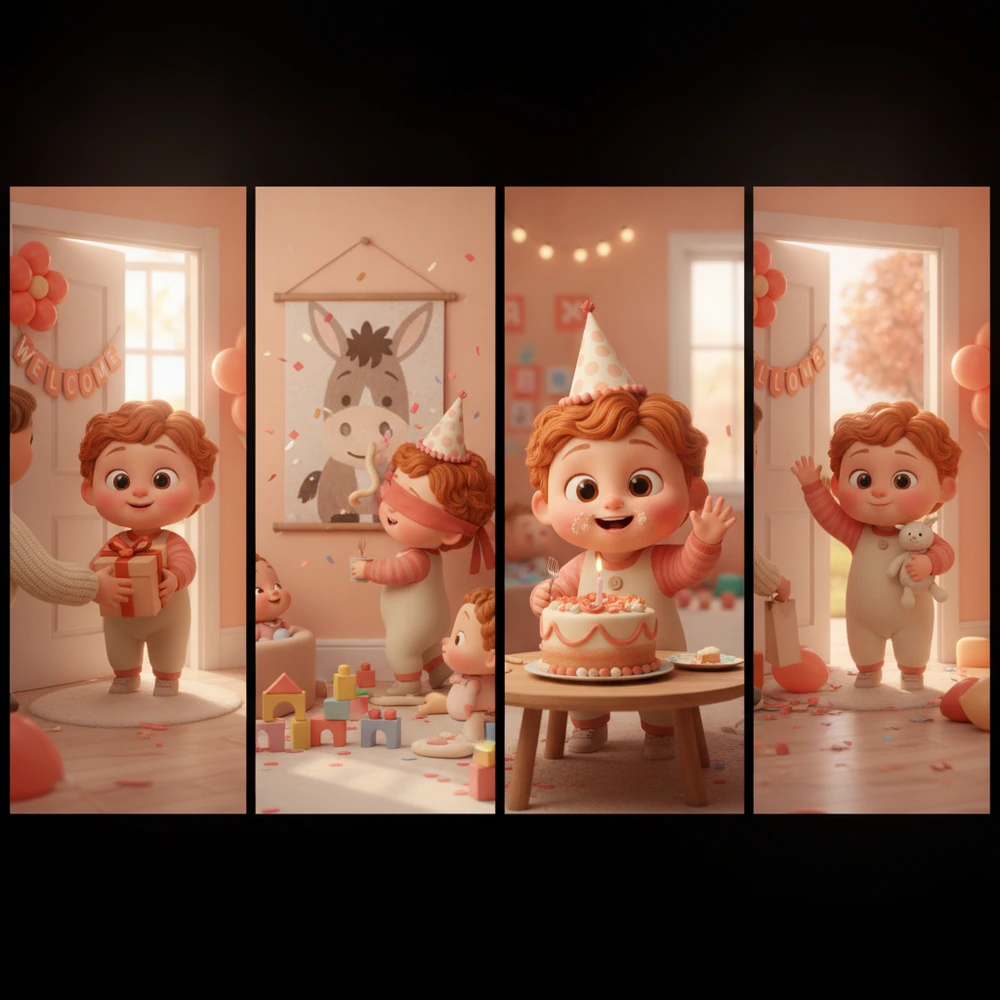
Pictures play a vital role in reinforcing the narrative. They act as visual cues that can help children who are visual learners or those who struggle with verbal instructions. A well-illustrated story can bridge the gap between understanding and action.
The Read-Aloud Test
Reading the story aloud with your child is a crucial final step. It ensures the story is clear and engaging. Pay attention to your child's reactions and be open to making adjustments.
In My Practice: In my practice, I've seen many children become more comfortable with new experiences after listening to their social stories. One parent noted that their child began to ask questions during the read-aloud, which led to a deeper understanding of the event.
Reading aloud also provides an opportunity for co-regulation, where the child can feel supported and understood, thereby enhancing their self-management skills.
Worked Example: 'Going to a Birthday Party'
Let's bring it all together with a complete example.
Scenario Setup: Alex is going to Jamie's birthday party for the first time. Here's the social story we crafted:
- Descriptive: "Jamie’s party is at his house on Saturday, starting at 3 PM."
- Descriptive: "There will be games in the backyard and a cake at the end."
- Perspective: "Lots of kids feel excited and a bit nervous at parties."
- Directive: "I can try to smile and say 'hello' to Jamie."
- Descriptive: "When it’s time to leave, I’ll thank Jamie for inviting me."
- Parent: "Let's read your story about Jamie's party."
- Alex: "I see, it says I can try to say 'hello'. I think I can do that!"

Reading the story together helps Alex visualize the event and feel more prepared. This shared activity not only reassures Alex but also strengthens the parent-child relationship through mutual understanding and support.
References
1 Gray, C. (2010). The New Social Story Book. Future Horizons. 2 Gray, C. — Social Stories 10.2 criteria. Retrieved from Carol Gray's Social Stories
Try It This Week
Reading is the easy part. Skills build through small, repeated practice — here's a low-pressure plan you can try with your child.
- 1Pick a Relevant SituationDay 1Choose a situation that often causes anxiety for your child. Tailor the social story to this context.👉 What this looks likeStart by observing your child's daily routines and noting which parts seem to cause stress or excitement. For instance, if your child hesitates at the playground, consider crafting a story about making new friends there. Begin the story with 'Imagine you're at the park...'.
- 2Discuss Their PerspectiveDay 2-3Talk with your child about their feelings on the chosen situation to gather insights.👉 What this looks likeSit down with your child and ask, 'How do you feel about going to the park?' Listen actively and note any concerns or excitement they express. Use their words in your story to make it relatable.
- 3Craft Descriptive SentencesDay 3Write clear descriptive sentences to set the scene of the story.👉 What this looks likeDescribe the park in vivid detail: 'The park has a big slide and swings. There are usually other kids playing, and sometimes there's a friendly dog.' This helps your child visualize the setting.
- 4Incorporate Perspective SentencesDay 4Add perspective sentences to help your child empathize with others.👉 What this looks likeInclude sentences like, 'Sometimes other kids might feel shy when meeting new friends, but everyone is there to have fun.' This normalizes different emotions.
- 5Read Aloud TogetherThis weekendRead the completed story with your child to ensure clarity and engagement.use this story →👉 What this looks likeFind a quiet time to sit together. Read each part of the story aloud, pausing to discuss the illustrations. Ask questions like, 'What do you think happens next?' to encourage interaction.
Frequently Asked Questions
What are social stories?
Who can benefit from social stories?
How do you write a social story?
Can social stories be used for any situation?
Why are visuals important in social stories?
References