Body Scans for Kids: Enhancing SEL Through Mindfulness
What is a Body Scan?
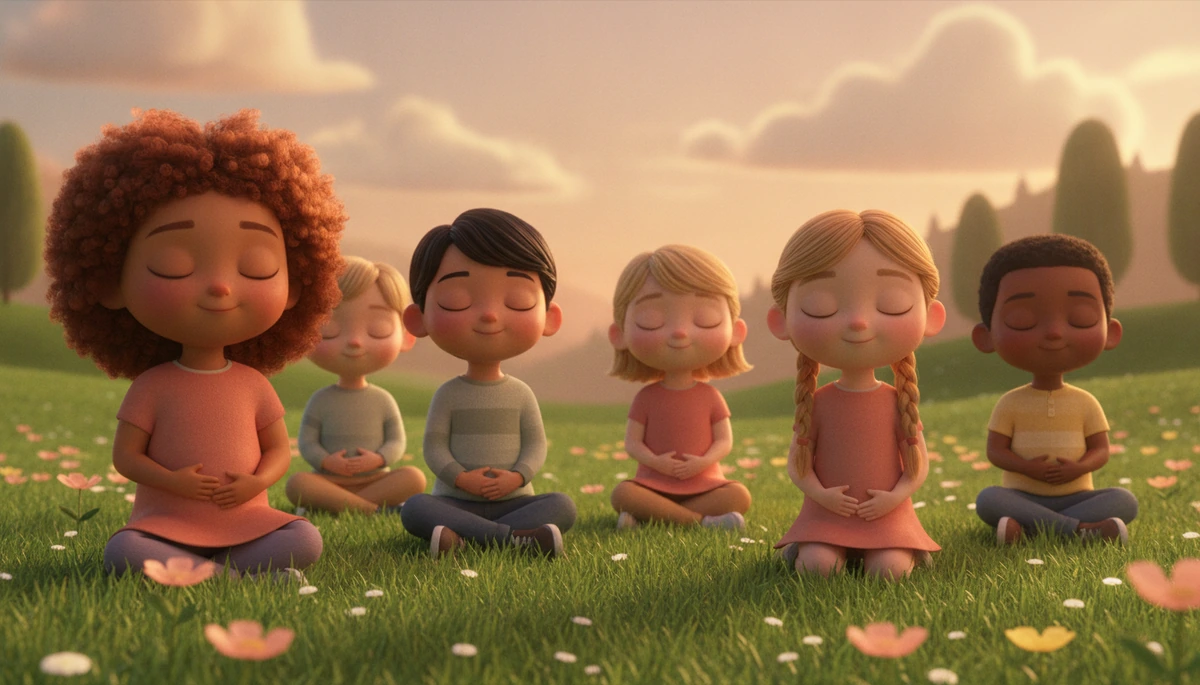
A body scan is a mindfulness practice that involves paying attention to different parts of your body, one by one. This practice helps individuals notice bodily sensations without judgment. Originally designed for adults as part of mindfulness-based stress reduction (MBSR) by Jon Kabat-Zinn 1, the body scan can be adapted for children to suit their attention spans and developmental stages.
Incorporating body scans into a child's routine is not just about relaxation. It's a tool for developing interoception—the awareness of internal body sensations. This foundational skill is crucial for social-emotional learning (SEL), allowing kids to better understand and manage their emotions.
Regular practice can lead to improvements in a child's emotional vocabulary as they learn to connect physical sensations with emotions. For instance, a child might begin to associate a fluttering stomach with anxiety or excitement, providing a richer understanding of their emotional landscape.
This article is part of our complete guide to Mindfulness for Kids: An SEL Tool, Not a Trend.
How Body Scans Build Interoception
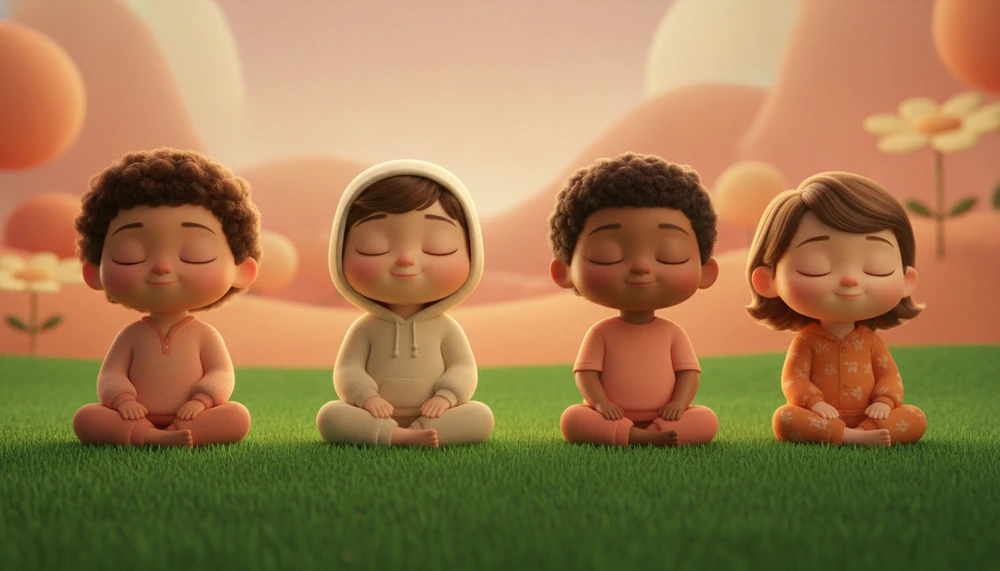
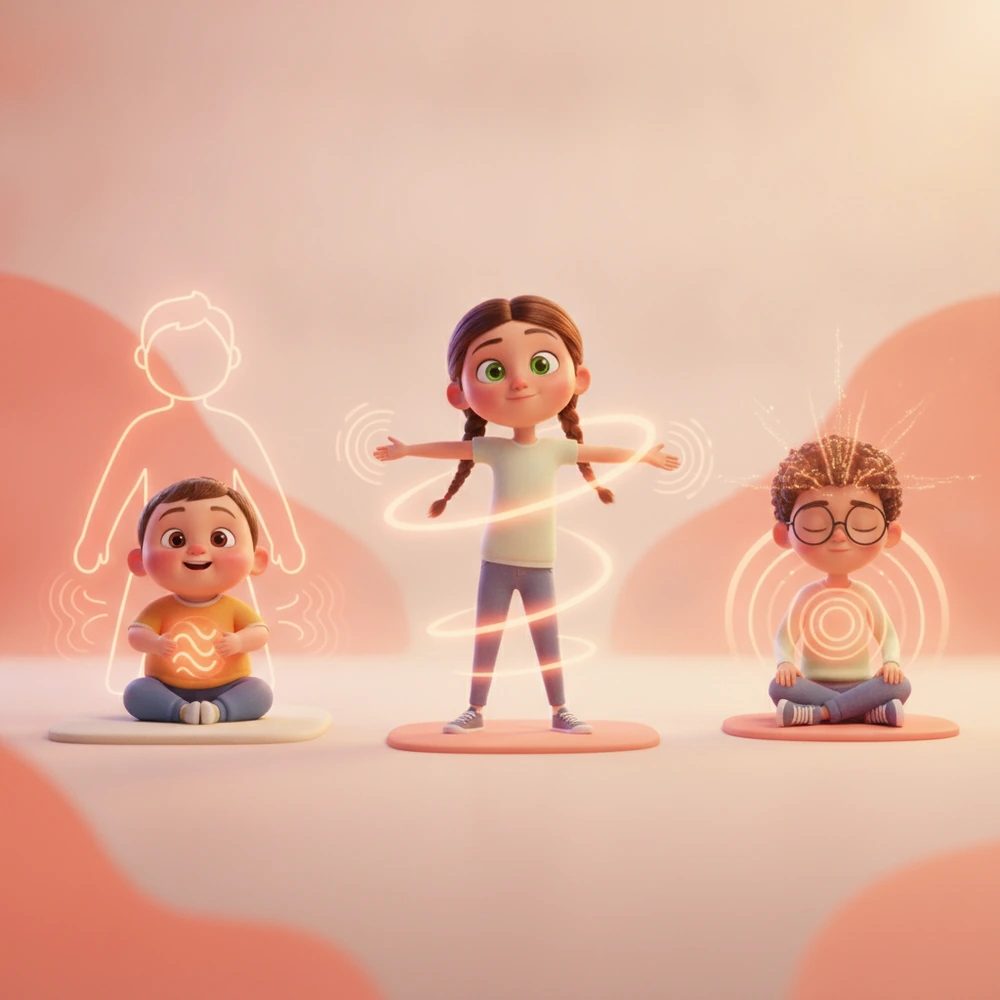
Interoception involves sensing internal body states, such as hunger, thirst, or the need to go to the bathroom. For children, developing interoception is pivotal for understanding their own emotional and physical needs. SEL frameworks emphasize the importance of self-awareness, and interoception is a key component of this competency 3.
Imagine a child who recognizes their heart racing as a sign of anxiety. With this awareness, they can employ calming strategies before emotions escalate. In my practice, I've seen many parents express relief when their child begins to articulate their feelings more clearly, attributing this progress to enhanced interoceptive skills.
Moreover, studies show that children with strong interoceptive awareness tend to have better emotional regulation skills. This is because they can identify emotional states early on and apply appropriate coping mechanisms 3.
For example, consider Maya, a 7-year-old who often gets overwhelmed in noisy environments. Through regular body scan practice, she learns to identify the sensation of tightness in her chest as a precursor to feeling anxious. This awareness allows her to take deep breaths, a strategy she learned from combining body scans with breathing exercises.
Age-Adapted Versions
Adapting body scans for different ages ensures engagement and effectiveness. Here are three versions tailored for specific age groups:
Age 4: Simple and Playful
- Duration: 2-3 minutes
- Focus: Wiggle and relax each body part
- Script: "Let's pretend we're spaghetti noodles. First, we wiggle our fingers, then we relax them. Now, let's wiggle our toes..."
Engaging young children through play is crucial. By incorporating imaginative elements like pretending to be noodles, children remain interested while learning to connect with their bodies.
Age 7: Guided Exploration
- Duration: 3-4 minutes
- Focus: Notice feelings in each body part
- Script: "Close your eyes and feel your feet. Are they warm or cool? Now move to your legs..."
At this age, children can begin to explore more subtle sensations. Encourage them to describe what they feel, which enhances both language and emotional skills.
Age 10: Detailed Awareness
- Duration: 5 minutes
- Focus: Observe subtle sensations
- Script: "Imagine a gentle light scanning your body, from your head to your toes. Notice any sensations without changing them."
Older children benefit from a more structured approach, focusing on nuanced body sensations. This practice can enhance concentration and patience.
Downloadable Read-Aloud Script
We’ve created a free downloadable script for guiding children through a body scan. This script is designed to be read aloud during the activity, ensuring that parents or educators can facilitate the practice smoothly.
This resource is especially useful for those new to mindfulness, as it provides clear instructions and helps maintain consistency in practice.
Best Times to Do a Body Scan
Incorporating body scans into your child’s routine can help them transition between activities or prepare for restful sleep. Here are optimal times to practice:
- After School: Helps unwind from school stress.
- Before Homework: Prepares the mind for focus.
- Bedtime: Promotes relaxation for better sleep.
In my practice, I've noted that children who practice body scans before bed tend to fall asleep faster and report feeling more rested the next day. This is likely because the practice helps them release the accumulated tensions of the day, making it easier to relax into sleep.
When Kids Resist: Strategies to Try
Resistance is normal, especially when introducing new routines. Here are some approaches to consider:
- Make it a Game: Use playful language and props.
- Shorten the Duration: Start with one minute and gradually increase.
- Incorporate Favorite Toys: Let them hold a stuffed animal during the scan.
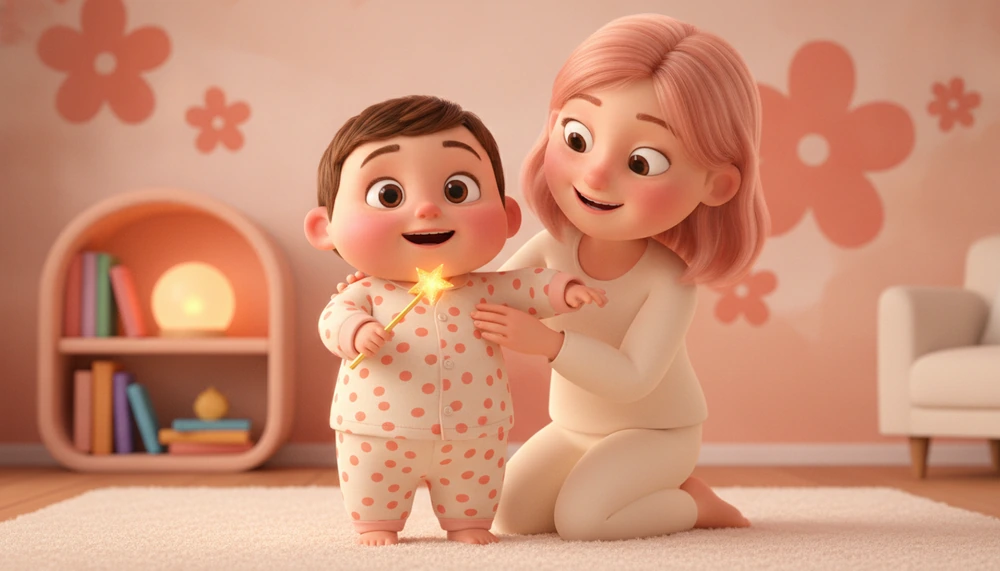
When Emily, a 6-year-old, resisted doing a body scan, her parents introduced a "magic wand" to guide the imaginary light over her body. This playful addition made the practice enjoyable and engaging for her.
Overcoming resistance through creativity not only makes the practice more appealing but also strengthens the parent-child bond as they collaborate in a shared activity.
Combining Body Scans with Breathing
Pairing body scans with deep breathing can enhance the calming effects. Encourage children to take slow breaths as they focus on each body part. This combination not only aids relaxation but also builds self-regulation skills.
Example: Breathing with Body Scans
- Focus on Feet: "Breathe in and feel your toes. Exhale slowly."
- Move to Legs: "Breathe in, notice your legs. Breathe out, feel them relax."
- Continue Upwards: "Breathe in, focus on your arms. Exhale, let them soften."
For more on integrating breathing techniques with mindfulness, explore our article on Mindfulness vs Deep Breathing: When Each One Helps.
This dual approach can be particularly beneficial for children who experience anxiety, as it provides them with a tangible strategy to manage their emotions.

References
1 Kabat-Zinn, J. (1990). Full Catastrophe Living. Retrieved from https://en.wikipedia.org/wiki/Full_Catastrophe_Living 2 Greenland, S. (2010). The Mindful Child. Retrieved from https://en.wikipedia.org/wiki/The_Mindful_Child 3 Mahler, K. (2017). Interoception. Retrieved from https://www.kelly-mahler.com/interoception
Try It This Week
Reading is the easy part. Skills build through small, repeated practice — here's a low-pressure plan you can try with your child.
- 1Introduce a daily body scanDaily, 2 minStart with a 2-minute body scan at a consistent time each day. This routine helps build familiarity and comfort.👉 What this looks likeChoose a time that fits seamlessly into your routine, like after brushing teeth in the morning. Sit with your child, close your eyes, and guide them through a brief body scan, starting at their toes and moving upwards. Use a gentle, calming voice and encourage them to notice any sensations. Over the week, this practice becomes a shared moment of calm.
- 2Use toys for engagementOnce this weekIncorporate a favorite toy into the body scan. This makes the practice more engaging and less intimidating for young children.use this story →👉 What this looks likeIf your child loves their stuffed bear, include it in the body scan. Ask your child to hold the bear and imagine the bear is joining in the scan. "Let's see if Bear can feel his toes relaxing too!" This playful approach helps your child associate the body scan with fun and comfort.
- 3Pair body scans with bedtimeThis weekendCombine bedtime routines with a body scan to help your child unwind and prepare for sleep.👉 What this looks likeDuring your child's bedtime routine, after storytime, guide them through a body scan. Dim the lights and say, "Let's relax our bodies from head to toe." Encourage them to take deep breaths as they do this. This calming ritual can make falling asleep easier and more peaceful.
- 4Create a body scan scriptDay 2-3Draft a simple script you can read to your child. Personalize it to include their favorite imagery or themes.👉 What this looks likeWrite a script that uses themes your child loves, like outer space. "Imagine a gentle star shining on your feet, making them feel warm and relaxed." Use this script during your sessions, and ask your child for feedback on what they liked or would change. This collaboration makes the practice more personal and engaging.
- 5Reflect on body scan sessionsAfter each sessionSpend a few minutes after each session discussing how your child felt. This reflection reinforces the practice's benefits.👉 What this looks likeAfter a session, ask your child, "What did you feel when we did the scan today?" Listen to their responses and validate their feelings. "I noticed your breathing got calmer when we reached your shoulders. That was really nice to see." This conversation helps your child connect their practice to their emotions and body awareness.
Frequently Asked Questions
What age is appropriate for starting body scans?
How long should a body scan session last for kids?
What should I do if my child resists body scans?
Can body scans help with anxiety in children?
How often should my child practice body scans?
References
- Kabat-Zinn, J. (1990). Full Catastrophe Living. Retrieved from https://en.wikipedia.org/wiki/Full_Catastrophe_Living
- Greenland, S. (2010). The Mindful Child. Retrieved from https://en.wikipedia.org/wiki/The_Mindful_Child
- Mahler, K. (2017). Interoception. Retrieved from https://www.kelly-mahler.com/interoception