Building Self-Esteem in Kids with ADHD: A Parent's Guide
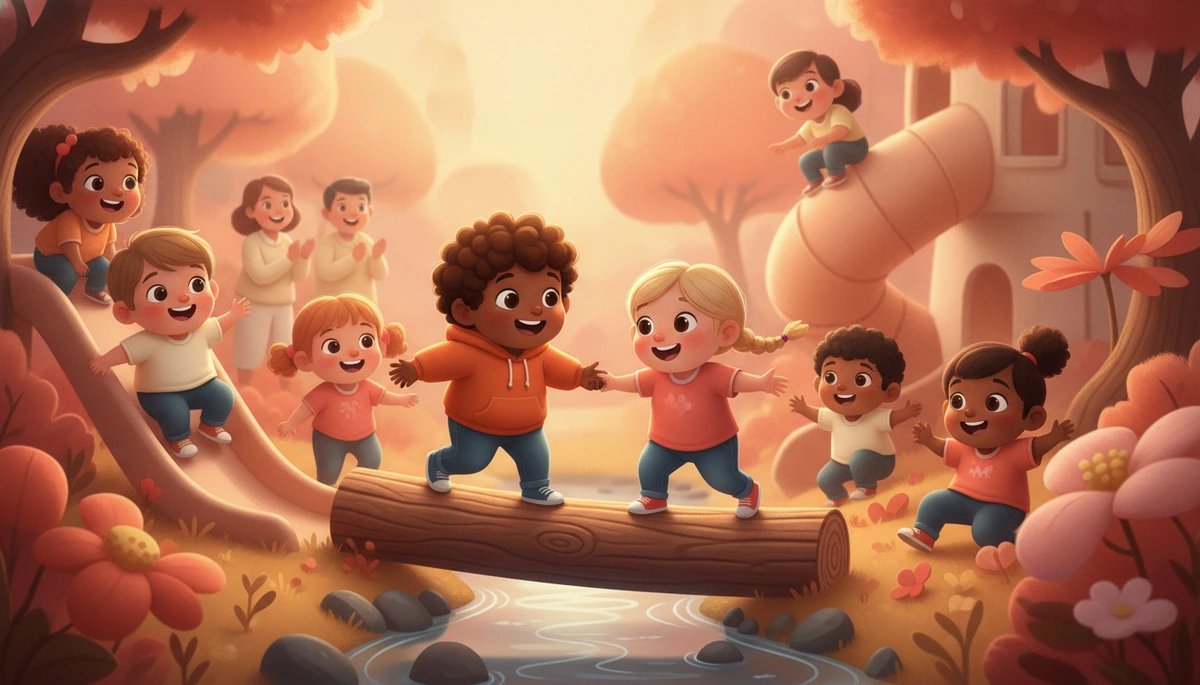
Understanding ADHD and Self-Esteem
Children with ADHD often face unique challenges that impact their self-esteem. Research indicates that by age 12, kids with ADHD hear approximately 20,000 more negative comments than their neurotypical peers 1. This negativity can significantly affect their self-confidence and sense of self-worth.
Self-esteem is crucial for the healthy development of all children. It influences how they perceive themselves and interact with the world. For kids with ADHD, nurturing self-esteem is particularly vital, as it can help them manage emotional dysregulation and anxiety commonly associated with ADHD.
The Impact of ADHD on Self-Esteem
ADHD can lead to difficulties with executive function, impacting skills such as planning, impulse control, and emotional regulation 2. These challenges can result in frequent negative feedback from teachers, peers, and even family members, which can erode a child's self-esteem over time.
One of the biggest hurdles for these children is dealing with Rejection Sensitive Dysphoria (RSD), a condition where the individual experiences extreme emotional sensitivity and pain due to perceived or actual rejection 3. This sensitivity can exacerbate feelings of inadequacy and shame.
In This Guide
-
The Negativity Ratio: Why ADHD Kids Hear 20,000 More 'No's by Age 12
Explore the reasons behind the increased negative feedback experienced by children with ADHD. -
Strengths-Based Parenting for ADHD: A Practical Framework
Learn how to focus on your child's strengths to build confidence and resilience. -
When ADHD + Dyslexia (or Other SLD) Compound: A Parent's Guide
Understand the compounded challenges of ADHD and SLD and how to support your child. -
Reframing 'Lazy' / 'Not Trying' — What Parents of ADHD Kids Can Say
Discover effective communication strategies to encourage your child.
Nurturing Self-Confidence through Strengths-Based Parenting
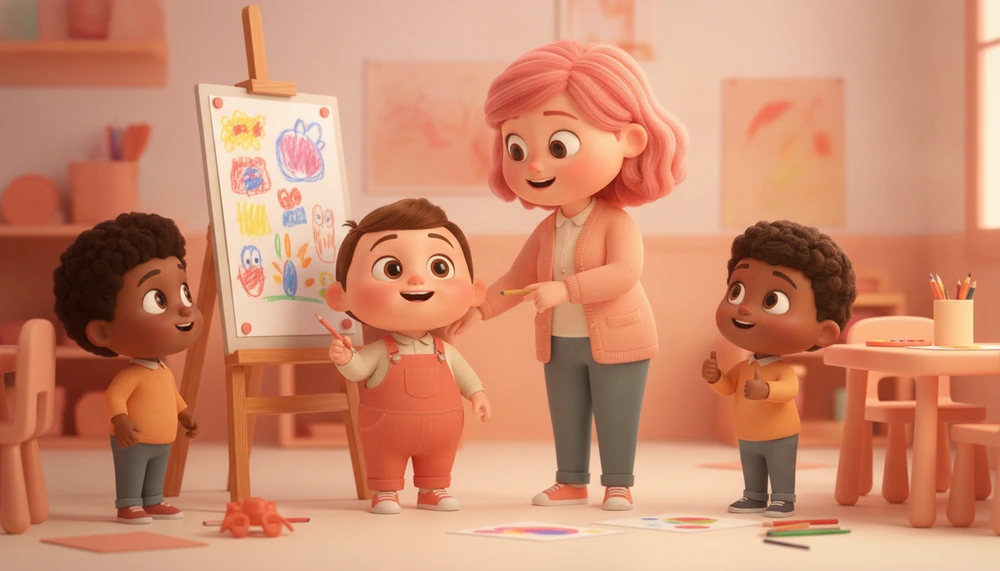
Strengths-based parenting focuses on recognizing and cultivating a child's inherent strengths, rather than emphasizing their weaknesses. This approach can significantly boost a child's self-esteem by helping them develop a positive self-image.
Identifying and Celebrating Strengths
Start by identifying your child's unique strengths. This could be anything from creativity, problem-solving, kindness, to a keen interest in science or sports. Celebrating these strengths can help your child see themselves in a positive light.
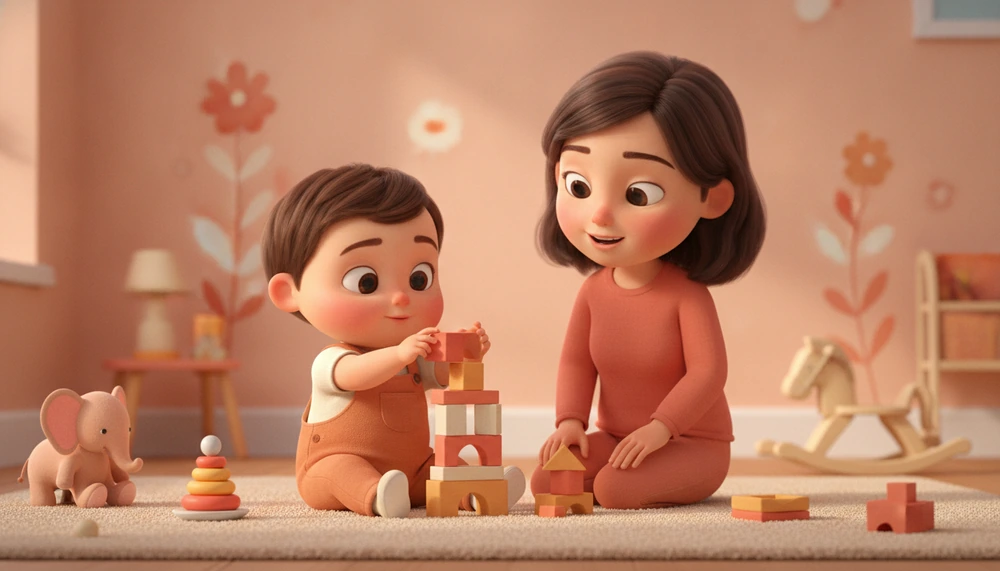
Example: Imagine your child is passionate about building with blocks. Set up a space where they can freely create and invite them to share their creations with family members. Praise their creativity and problem-solving skills.
Scripted Dialogue:
- Instead of saying, "Why can't you focus on your homework?"
- Try, "I see you love building these amazing structures. Let's figure out how we can use this focus in other areas."
Addressing Negative Feedback and the Negativity Ratio
The negativity ratio—the disproportionate amount of negative feedback children with ADHD receive—can be a key factor in low self-esteem. Combating this involves intentional efforts to provide positive reinforcement and constructive feedback.
Creating a Positive Feedback Loop
Aim to give five positive comments for every one piece of constructive criticism. This helps shift the focus from what a child does wrong to what they do right.
Example: In my practice, I've seen parents transform their relationships with their children by using more positive language. One mother began each day by highlighting something her son did well, which gradually improved his willingness to try new things.
Infographic Concept: A diagram showing the "5-to-1 Positive Feedback Ratio" with examples of positive reinforcement phrases.

The Role of Emotional Regulation and Executive Function
Emotional regulation and executive function are crucial components of self-esteem. Kids with ADHD often struggle with these skills, leading to frustration and emotional outbursts.
Strategies for Enhancing Emotional Regulation
- Mindfulness Exercises: Simple breathing techniques can help children calm down and manage their emotions.
- Social Stories: Use Dragon Breaths to Calm Down - Printable Social Story to teach calming techniques.
Example: Picture this: Your child is upset because they can't find their favorite toy. Instead of saying "Calm down," you guide them through a calming technique using the "Dragon Breaths" social story.
Scripted Dialogue:
- "Let's try our dragon breaths together. Inhale like a dragon, hold, and exhale. That’s it, let’s find your toy together."

Building Resilience Through Social Connections
Social interactions can profoundly impact a child's self-esteem. Encouraging your child to build friendships and engage positively with peers can boost their confidence.
Encouraging Positive Social Interactions
- Organize Playdates: Arrange regular playdates with kids who have similar interests.
- Use Social Stories: Making Friends at Preschool - Printable Social Story can guide children in navigating social situations.
Example: Imagine a playdate scenario where your child successfully shares toys and plays cooperatively. Such experiences reinforce their ability to make friends and enjoy social interactions.
Fostering a Growth Mindset
Adopting a growth mindset, as championed by Carol Dweck, can help children see challenges as opportunities to learn and grow 4. This perspective is crucial for building resilience and self-esteem in children with ADHD.
Growth Mindset Activities
- Encourage Problem-Solving: Celebrate attempts, not just successes.
- Praise Effort Over Results: Focus on effort and persistence.
Example: Your child struggles with a math problem. Instead of emphasizing the mistake, highlight their perseverance: "I love how you kept trying different ways to solve this. That's how we learn!"
References
1 Jellinek, M. (Year). Study on ADHD and Negative Feedback.
2 Barkley, R. (2012). Executive Functions: What They Are, How They Work, and Why They Evolved (Guilford). doi.org/...
3 Dodson, W. (2017). Emotional Regulation Disorder & Rejection Sensitivity in ADHD. ADDitude Magazine. additudemag.com/...
4 Dweck, C. (2006). Mindset: The New Psychology of Success. wikipedia.org/wiki/Mindset:_The_New_Psychology_of_Success
Try It This Month
-
Title: Start a Positivity Journal Description: Encourage your child to write or draw one positive thing about their day. This practice can help shift focus from negative to positive experiences. When: Daily, 5 min Example: Each evening, ask your child what the best part of their day was. It could be something as simple as "I liked drawing a dinosaur in art class." Celebrate these moments to reinforce positivity.
-
Title: Practice Mindful Breathing Together Description: Use mindful breathing to help your child manage emotions and reduce stress. When: Daily, 5 min Example: Choose a calm time of day. Sit together and practice "dragon breaths"—inhale deeply, hold, and exhale slowly. Say, "Let's pretend we're dragons!"
-
Title: Encourage a Growth Mindset Description: Use language that promotes effort and learning rather than innate ability. When: Weekly Example: When your child struggles with a task, say, "That's okay, let's try another way," or "Mistakes help us learn."
-
Title: Organize a Playdate Description: Facilitate positive social interactions by arranging playdates. When: This weekend Example: Plan a simple activity like building a fort. Guide your child in sharing materials and ideas with their friend. Link: {"text": "use this story", "url": "/products/making-friends-at-preschool-2"}
-
Title: Set Up a Strengths Showcase Description: Create a display area at home to celebrate your child's achievements and strengths. When: Once this week Example: Dedicate a wall space for your child's artwork, trophies, or photos of them engaging in activities they love. Praise their efforts and creativity.
-
Title: Use Social Stories for Emotional Regulation Description: Integrate social stories into daily routines to help your child manage emotions. When: Daily Example: Before bedtime, read "Dragon Breaths to Calm Down - Printable Social Story" together to reinforce calming strategies.
-
Title: Reinforce Positive Behavior Description: Use a reward system to encourage positive behavior and effort. When: Daily Example: Create a simple chart where your child earns stars for positive behaviors, such as sharing or helping at home. Celebrate small milestones with a fun activity.
Try It This Month
Reading is the easy part. Skills build through small, repeated practice — here's a low-pressure plan you can try with your child.
- 1Start a Positivity JournalDaily, 5 minEncourage your child to write or draw one positive thing about their day. This practice can help shift focus from negative to positive experiences.👉 What this looks likeEach evening, ask your child what the best part of their day was. It could be something as simple as "I liked drawing a dinosaur in art class." Celebrate these moments to reinforce positivity.
- 2Practice Mindful Breathing TogetherDaily, 5 minUse mindful breathing to help your child manage emotions and reduce stress.👉 What this looks likeChoose a calm time of day. Sit together and practice "dragon breaths"—inhale deeply, hold, and exhale slowly. Say, "Let's pretend we're dragons!"
- 3Encourage a Growth MindsetWeeklyUse language that promotes effort and learning rather than innate ability.👉 What this looks likeWhen your child struggles with a task, say, "That's okay, let's try another way," or "Mistakes help us learn."
- 4Organize a PlaydateThis weekendFacilitate positive social interactions by arranging playdates.use this story →👉 What this looks likePlan a simple activity like building a fort. Guide your child in sharing materials and ideas with their friend.
- 5Set Up a Strengths ShowcaseOnce this weekCreate a display area at home to celebrate your child's achievements and strengths.👉 What this looks likeDedicate a wall space for your child's artwork, trophies, or photos of them engaging in activities they love. Praise their efforts and creativity.
- 6Use Social Stories for Emotional RegulationDailyIntegrate social stories into daily routines to help your child manage emotions.👉 What this looks likeBefore bedtime, read "[Dragon Breaths to Calm Down - Printable Social Story](/products/dragon-breaths-to-calm-down)" together to reinforce calming strategies.
- 7Reinforce Positive BehaviorDailyUse a reward system to encourage positive behavior and effort.👉 What this looks likeCreate a simple chart where your child earns stars for positive behaviors, such as sharing or helping at home. Celebrate small milestones with a fun activity.
Frequently Asked Questions
How can I help my ADHD child build self-esteem?
What is the negativity ratio in ADHD children?
Why is a growth mindset important for ADHD kids?
How does emotional regulation relate to self-esteem?
What role do social stories play in building self-confidence?
References
- Jellinek, M. (Year). Study on ADHD and Negative Feedback.
- Barkley, R. (2012). Executive Functions: What They Are, How They Work, and Why They Evolved (Guilford).
- Dodson, W. (2017). Emotional Regulation Disorder & Rejection Sensitivity in ADHD. ADDitude Magazine.
- Dweck, C. (2006). Mindset: The New Psychology of Success.