The Power of Daily Emotion Check-Ins for Kids: A Guide for Parents

Why 3 Min/Day Beats 30 Min/Week
Incorporating a daily emotion check-in routine into your child's life may seem like a small step, but it can lead to significant emotional growth over time. Research emphasizes the value of consistency in SEL (Social-Emotional Learning) practices. A study by Durlak et al. (2011) found that regular SEL activities yield better outcomes than sporadic, longer sessions 2. This is because daily routines create a reliable framework for children, fostering an environment where emotional awareness becomes second nature.
Daily emotion check-ins help children build self-awareness and social awareness, two crucial components of the CASEL 5 competencies. By engaging in these short, focused interactions, children learn to recognize and articulate their feelings, paving the way for improved self-management and relationship skills.
Everyday check-ins also offer children the opportunity to practice empathy by listening to others' feelings and experiences. This practice is essential in developing relationship skills and fostering a sense of community and understanding within the family. By integrating these moments into daily routines, children can develop a stronger emotional vocabulary, making it easier for them to navigate complex social situations in the future.
This article is part of our complete guide to Emotion Charts and Wheels: A Parent's Complete Guide.
Morning Check-In Script
Starting the day with an emotion check-in sets a positive tone, helping children to approach their day with clarity and confidence. A simple morning routine can guide this process.
Scripted Example:
- Parent: "Good morning! Let's check in with our feelings today. How are you feeling as we start our day?"
- Child: "I'm feeling a bit sleepy but also excited for school."
- Parent: "That's great! Excitement is a wonderful way to start the day. Let's think of one thing you're looking forward to."
By using this simple script, parents can help children begin the day with a sense of preparedness and enthusiasm. It's also an opportunity for parents to model emotional expression, which in turn encourages children to mirror these behaviors.
Using visual aids, like emotion charts, can help children identify and communicate their feelings more effectively. Consider using the Carson's Morning Adventure: A Social Story to reinforce this routine.

In my practice, I have seen children who start their day with a positive emotional check-in exhibit greater resilience when facing challenges at school. One child, who initially struggled with separation anxiety, found comfort in expressing his morning feelings, which helped ease the transition from home to school.
After-School Check-In
The transition from school to home can be challenging, as children often carry the day's stress and excitement with them. An after-school check-in helps them decompress and share their experiences.
In My Practice: In my practice, many parents find that after-school check-ins provide a safe space for their children to express emotions they might otherwise suppress. One parent shared how their child, initially reserved, began to open up about school challenges after consistent check-ins.
Scripted Example:
- Parent: "Welcome back! Let's have a small chat about your day. What was something fun you did today?"
- Child: "We played a new game in PE!"
- Parent: "That sounds fun! How did it make you feel playing with your friends?"
These conversations not only strengthen parent-child relationships but also improve the child's ability to navigate and articulate complex emotions. Regular after-school check-ins provide a platform for children to reflect on their day, recognize their achievements, and discuss any difficulties they faced. This reflection is essential for developing responsible decision-making skills.

Bedtime Check-In
Bedtime is an ideal time for reflection, allowing children to process the day's events and emotions before sleep. A calming check-in can ease the transition into bedtime, promoting relaxation.
Scripted Example:
- Parent: "Before we go to sleep, let's talk about our day. What was something that made you smile today?"
- Child: "When we read the funny story in class."
- Parent: "I'm glad you had a moment of laughter. Let's think about how that made you feel and why it's important to find joy in our day."
Using stories like Cozy Bedtime Routine Tonight - Printable Social Story can help reinforce these bedtime reflections.

Incorporating a bedtime check-in not only fosters emotional bonding but also helps children wind down from the day. It encourages a habit of gratitude and positive reflection, which can lead to better sleep and improved emotional regulation. For parents, this is an opportunity to model self-management by demonstrating how to end the day on a positive note, despite any challenges faced during the day.
What to Do with the Data
Tracking daily emotions over time provides valuable insights into your child's emotional patterns. This data can help identify triggers for certain emotions and guide future conversations.
Weekly Review
- Look for Patterns: Review the week's check-in notes to identify recurring emotions.
- Discuss Trends: Talk with your child about any noticeable patterns, encouraging them to think about causes and solutions.
- Share Insights with Educators: If applicable, share observations with teachers or counselors to collaboratively support your child's emotional development.
Tracking emotions not only benefits the child but also empowers parents to make informed decisions about how to support their child's emotional growth. By recognizing patterns, parents can proactively address potential issues and reinforce positive behaviors.
Adapt for Non-Verbal Kids
For non-verbal children, emotion check-ins can be adapted using tools like AAC devices or visual aids. These alternatives ensure every child can participate meaningfully in their emotional development.
- Use Visual Emotion Charts: Allow children to point or gesture towards feelings on a chart.
- Incorporate Technology: Devices with customizable icons can help children communicate emotions non-verbally.
Adapting check-ins for non-verbal children is crucial for inclusivity. By using tools like emotion charts and AAC devices, we ensure that all children, regardless of their verbal ability, can engage in emotional learning. This adaptation supports the development of self-awareness and self-management skills, which are vital for all children.
For additional support, explore Using Emotion Charts with Autistic Kids: What's Different.
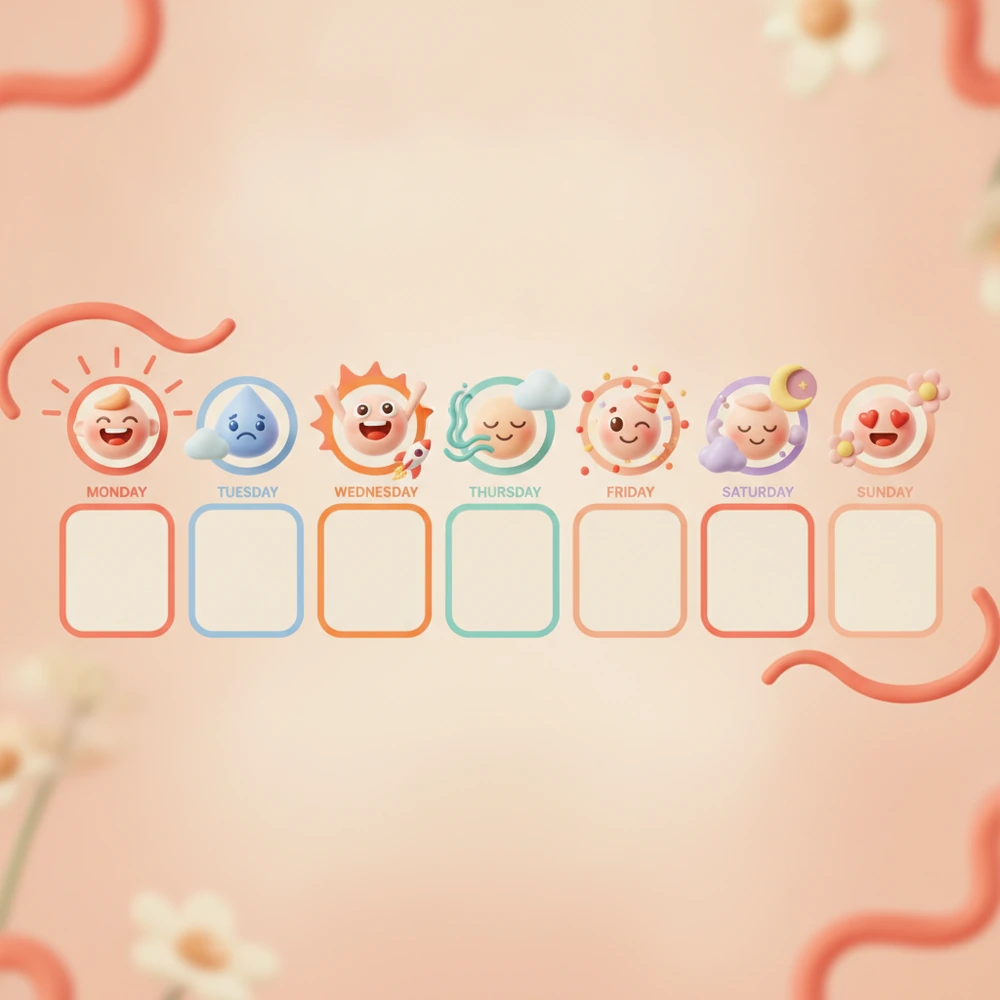
Free Download: Weekly Check-In Tracker
To help you implement these daily check-ins, we've provided a free PDF download. This tracker can be used to document daily emotional states and notes, making it easier to review and discuss with your child.
How to Use the Tracker
- Daily Entries: Encourage your child to participate in filling out the tracker.
- Reflect Weekly: Use the tracker to facilitate weekly discussions about emotional patterns and growth.
Regular use of the check-in tracker allows for a comprehensive view of your child's emotional journey. It helps in creating a dialogue based on observed patterns and can guide future emotional learning strategies.
References
1 Brackett, M. (2019). Permission to Feel. Yale RULER. Retrieved from https://www.yaleruler.org/
2 Durlak et al. (2011). Meta-analysis on consistent SEL practice. Retrieved from https://pubmed.ncbi.nlm.nih.gov/
Try It This Week
Reading is the easy part. Skills build through small, repeated practice — here's a low-pressure plan you can try with your child.
- 1Introduce Morning Check-InDaily, morningStart each day with a 3-minute emotion check-in. Helps children express emotions and set a positive tone for the day.Carson's Morning Adventure: A Social Story →👉 What this looks likeEach morning, as you sit down for breakfast, ask your child, 'How are you feeling today?' Use an emotion chart to help them point out their feelings, such as happy, sad, or excited. This brief check-in helps set a positive emotional tone for the day.
- 2After-School ChatDaily, after schoolSpend a few minutes after school discussing the day's highs and lows. Encourages reflection and open communication.👉 What this looks likeWhen your child arrives home, greet them warmly and ask, 'What was the best part of your day?' Listen actively as they share, and reflect their emotions back to them. This reinforces their ability to articulate feelings and promotes openness.
- 3Create a Bedtime RoutineNightly, before bedEnd each day with a calming bedtime check-in. Supports emotional reflection and relaxation before sleep.Cozy Bedtime Routine Tonight →👉 What this looks likeAt bedtime, sit with your child and ask, 'What made you smile today?' Share your own happy moment too, fostering a mutual exchange. This routine helps your child end the day with positive thoughts and prepares them for restful sleep.
- 4Track Emotions TogetherWeekly, reviewUse a weekly tracker to document and review emotional patterns. Enhances understanding and communication.👉 What this looks likeEach Sunday, sit with your child and review the week's emotion tracker. Discuss patterns you notice, such as frequent 'excited' days. Ask, 'What made those days special?' This discussion helps in understanding and managing emotions better.
- 5Adapt for Non-Verbal CommunicationDaily, as neededUse visual aids and technology for non-verbal kids to participate in emotional check-ins.Using Emotion Charts with Autistic Kids →👉 What this looks likeIntroduce an emotion chart with pictures and symbols your child can point to. If using an AAC device, program it with feelings like 'happy' or 'frustrated.' Encourage them to express emotions this way during check-ins, fostering inclusion in emotional dialogue.
Frequently Asked Questions
What is a daily emotion check-in?
How can I help my non-verbal child with emotion check-ins?
Why are daily check-ins better than weekly sessions?
Can emotion check-ins improve my child's school performance?
How do I start a morning emotion check-in?
References