Teasing and Bullying: How to Support Your Child Through Early Elementary Challenges
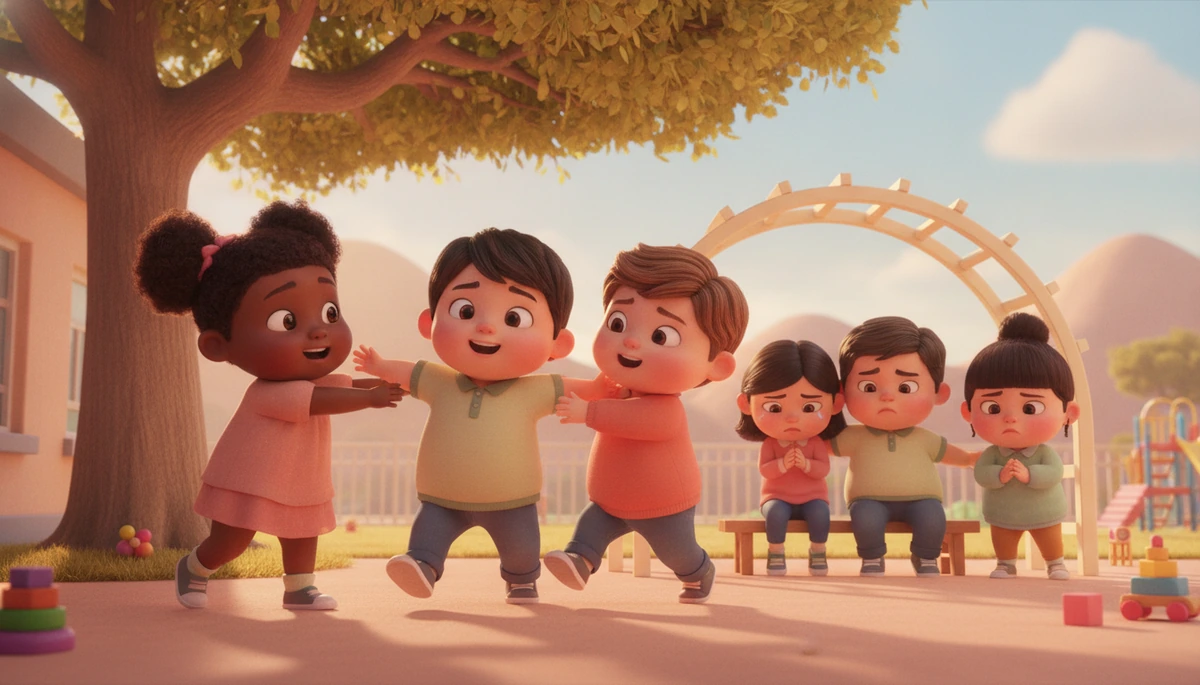
This article is part of our complete guide to Early Elementary SEL (Ages 5-8). Understanding the nuances between teasing and bullying is vital for parents of children aged 5-8. These early elementary years are formative, and distinguishing between playful banter and harmful behavior can help foster a supportive environment. Let's delve into the distinctions and how you can support your child through these experiences.
The 3-Criteria Definition of Bullying
Bullying is a complex issue defined by three key criteria: repeated behavior, a power imbalance, and intentional harm. According to Dan Olweus, a pioneer in bullying research, these factors must be present for a behavior to be classified as bullying 1.
- Repeated Behavior: Bullying isn't a one-time event. It involves continuous actions that target the same individual over time.
- Power Imbalance: This could be physical strength, access to embarrassing information, or even social standing. The imbalance means the target finds it difficult to defend themselves.
- Intentional Harm: The actions are deliberate, with the intent to hurt or control the other person.
Recognizing these criteria helps parents and educators differentiate between bullying and other forms of conflict.
An example from my practice involved a young girl who was repeatedly excluded from group activities by her peers. Over time, this exclusion led to a noticeable drop in her self-esteem and social participation. By identifying the behavior as bullying, we were able to work with the school to create more inclusive environments and provide the child with strategies to assert herself in social settings.
Teasing: Where It Sits on the Spectrum
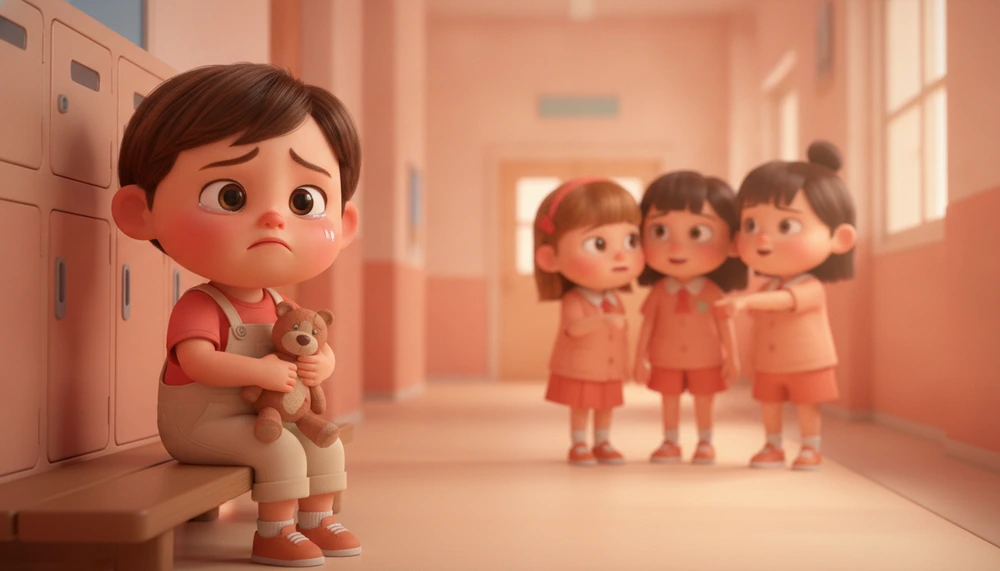
Teasing can be a normal part of childhood interactions. It often sits between playful banter and harmful behavior. Teasing becomes problematic when it is persistent and hurtful rather than playful.
In my practice, I've seen many parents confused about whether their child's experiences are teasing or bullying. For instance, if a child is frequently called nicknames at school and appears upset, it might be time to delve deeper. However, if the teasing is mutual and both parties are laughing, it might be harmless.
Recognizing Healthy Teasing
- Reciprocal: Both children participate equally.
- Playful: It leads to laughter and fun.
- Stops When Asked: Respectful of boundaries when one child asks to stop.
When Teasing Becomes Harmful
- Unilateral: One child is always the target.
- Hurtful: Leads to tears or anger.
- Persistent: Continues despite requests to stop.
If teasing crosses into harmful territory, it might verge on bullying.
To illustrate, imagine two kids, Sarah and Tom, who regularly tease each other about their favorite superhero characters. They often laugh and playfully argue about whose hero is better. However, one day, Tom starts calling Sarah's hero "lame" in front of other kids repeatedly, causing Sarah to feel embarrassed and upset. This is when teasing shifts towards being harmful and may require intervention.
Rough-and-Tumble vs Aggression
Rough-and-tumble play is a healthy and common form of play among children, often mistaken for aggression. It includes activities like play fighting or wrestling, which are not harmful when both parties consent and enjoy the activity.
Distinguishing Signs
- Rough-and-Tumble: Laughter, mutual initiation, stops with a request.
- Aggression: Crying, one-sided initiation, continues despite distress.
Imagine a scenario where two children are wrestling in the backyard. If both are laughing and no one is getting hurt, it's rough-and-tumble play. However, if one child is crying or trying to escape, it becomes aggression, needing adult intervention.
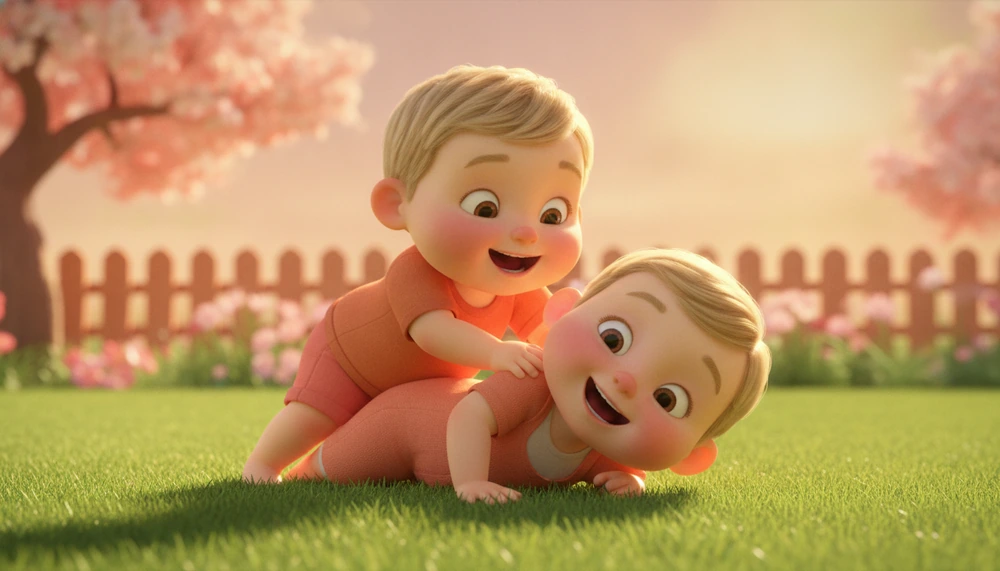
In one case, a parent shared with me their concerns about their son, who often engaged in rough play with his friends. They noticed that although the play was intense, the boys were always smiling and high-fiving after each session. This mutual enjoyment signified healthy play, but the parents remained vigilant for signs of discomfort or distress.
When to Call It Bullying (And What to Do)
Recognizing when teasing or rough play becomes bullying is crucial. If the behavior is repeated, involves a power imbalance, and the intent is to harm, it's time to act.
Steps to Take
- Document Incidents: Keep a record of what happens, including dates and times.
- Communicate: Talk to your child to understand their feelings and perspective.
- Involve the School: If the behavior occurs at school, engage with teachers or counselors.
- Consult Professionals: For ongoing issues, seek advice from a pediatrician or counselor.
In my practice, I've guided parents through discussions with schools to ensure their children feel safe and supported. For example, one family documented their child's experiences over several weeks and presented this to the school. This detailed information helped the school address the issue more effectively.
Teaching Your Child to Respond to Teasing
Empowering your child with the skills to handle teasing can build resilience and self-confidence. Using social stories can be an effective way to teach these skills.
- Stay Calm: Encourage your child to take deep breaths and remain composed.
- Use "I" Statements: Teach them to express their feelings, such as "I don't like that."
- Walk Away: If teasing continues, instruct them to remove themselves from the situation.
Consider using the Adam Learns to Pause and Play: A Social Story to reinforce these strategies.
To put this into practice, imagine your child is being teased about their glasses. You might say: "If someone teases you, take a deep breath and say, 'I like my glasses; they help me see better.' If they don't stop, find a teacher or come to me." This not only teaches self-advocacy but also reinforces the child's confidence in their unique traits.
When to Involve School
Schools play a critical role in addressing bullying. Knowing when to involve them can make a significant difference.
Signs to Involve School
- Changes in Behavior: Withdrawal, anxiety, or reluctance to attend school.
- Physical Signs: Unexplained injuries or lost belongings.
- Academic Decline: Drop in grades or interest in schoolwork.
It's essential to approach school staff with specific examples and concerns. Collaboration between parents and educators can create a safer environment for all students.
Imagine a child who suddenly becomes withdrawn and anxious about going to school. The parents notice missing personal items and a decline in academic performance. By discussing these issues with school staff, they uncover ongoing bullying during recess. This collaborative approach facilitates immediate intervention and support for the child.
Building Resilience Without Dismissing
Building resilience in your child is crucial but should not come at the expense of dismissing their feelings. SEL activities such as role-playing or discussing feelings can help children express and manage emotions.
Concrete Example
Imagine your child, Alex, comes home upset because a classmate called them a name. Instead of saying "ignore it," you might try:
- Listen Actively: "I hear that upset you. Let's talk about it."
- Empathize and Support: "It's hard to hear things like that. What can we do next time?"
Use Discovering Our Feelings: A Printable Social Story to help your child navigate these emotions.
Children who learn to articulate their emotions and seek constructive responses are better equipped to handle challenges. One successful strategy I've observed is the use of emotion charts, which help children identify and label their feelings. This simple tool can transform how children perceive and react to teasing or bullying, fostering a sense of empowerment and control.

References
1 Olweus, D. (1993). Bullying at School. Blackwell.
2 Kidpower. (n.d.). Child personal-safety education research. Retrieved from https://kidpower.org
3 CASEL. (n.d.). What is the CASEL framework? Retrieved from https://casel.org/fundamentals-of-sel/what-is-the-casel-framework/
Try It This Week
Reading is the easy part. Skills build through small, repeated practice — here's a low-pressure plan you can try with your child.
- 1Identify Healthy TeasingDay 1Observe interactions to distinguish between healthy teasing and bullying. Help your child recognize mutual teasing.Read more about teasing vs. bullying →👉 What this looks likeWatch your child's playdate and note if both kids laugh and stop when one asks. Discuss afterward: 'Did you both have fun? Did it feel fair?' This helps kids learn to identify mutual play vs. one-sided teasing.
- 2Role-Play ResponsesDay 2-3Practice scenarios where your child uses 'I' statements and walks away from teasing.Use social stories →👉 What this looks likeSimulate a teasing scenario at home. Say, 'Pretend I'm teasing you about your shoes. What could you say back?' Guide them to respond, 'I like my shoes. Please stop.' Then, walk away together. This builds confidence and communication skills.
- 3Create an Emotion ChartDaily, 5 minHelp your child articulate feelings by using an emotion chart. Discuss emotions daily.Explore SEL activities →👉 What this looks likeAt bedtime, review the day using an emotion chart. Ask, 'What was a happy moment? A frustrating one?' Label these feelings together. This practice helps kids become more self-aware and better at expressing emotions.
- 4Document ConcernsOnce this weekKeep a log of any concerning behavior noticed. This is useful for school discussions.How to talk to school →👉 What this looks likeStart a simple diary to jot down any incidents your child mentions, like 'Monday: called names at recess.' Use this log when discussing with teachers, aiding in identifying patterns and addressing issues effectively.
- 5Connect with TeachersThis weekendReach out to your child's teacher to discuss any observed issues. Build a partnership.Learn about school involvement →👉 What this looks likeEmail or meet with the teacher to share observations: 'I've noticed Alex seems anxious about recess. Can we discuss strategies to support him?' This opens communication lines and ensures your child feels supported from both home and school.
Frequently Asked Questions
How can I tell if my child is being bullied?
Is all teasing considered bullying?
What should I do if my child is a bully?
How can social stories help with bullying?
When should I involve the school in bullying situations?
References