A Comprehensive Guide to SEL Curricula for Elementary Schools
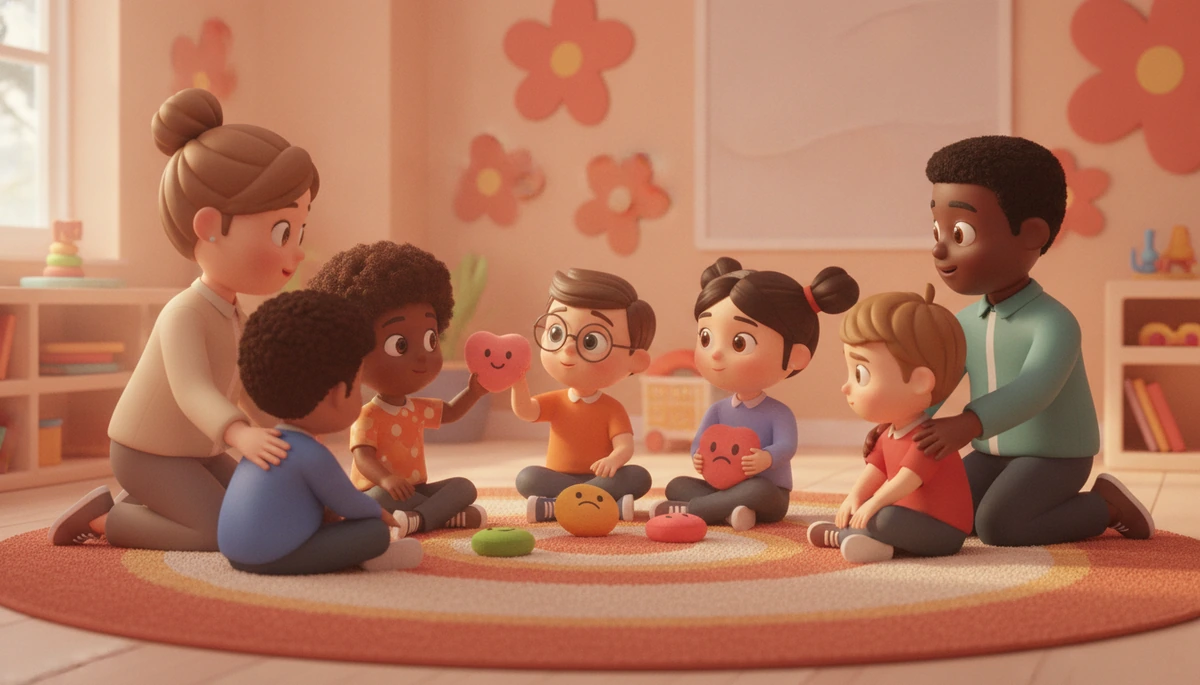
Social-emotional learning (SEL) in elementary school is vital for nurturing well-rounded, empathetic individuals. As part of our complete guide on SEL in the Classroom: What Parents Should Know (US K-5), this article compares top SEL curricula that are shaping the future of our children. Understanding and selecting the right curriculum can make a significant difference in how students develop key competencies like self-awareness, social awareness, and relationship skills.
Why Curriculum Matters
Consistency in SEL curriculum implementation ensures that students can transfer skills learned in school to other areas of their lives, such as home and community settings. This consistency facilitates better self-management and responsible decision-making. In my practice, I've observed that schools with a structured SEL curriculum often see improvements in students' emotional regulation and peer interactions. This is because students are provided with a consistent framework for understanding and expressing their emotions.
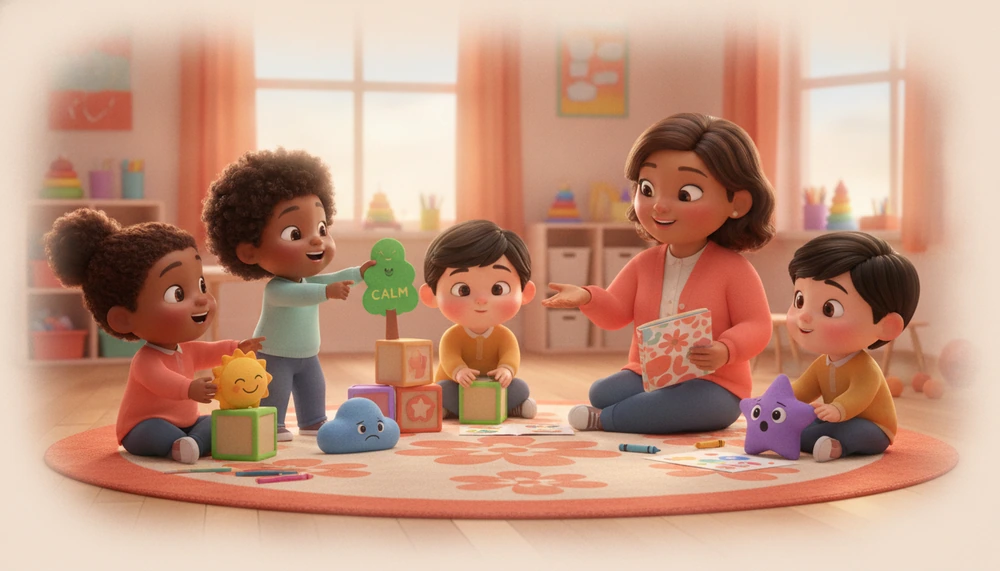
Moreover, a well-implemented SEL curriculum aligns with broader educational goals, including those outlined by the IDEA for students with diverse learning needs. A strong SEL foundation can support IEP goals by promoting skills that assist in generalization from therapy to everyday activities. Additionally, involving parents through workshops and informational sessions can bridge the gap between school and home, fostering a holistic environment for SEL development.
Second Step
Second Step is the most commonly used SEL curriculum in the United States, known for its evidence-based approach 2. It offers a comprehensive set of lessons and activities aimed at enhancing students' social-emotional skills in a step-by-step manner. The program is praised for its ease of integration into existing school frameworks.
- Comprehensive Curriculum: Covers a wide range of SEL topics, including empathy, emotion management, and problem-solving.
- User-Friendly: Teachers report that the materials are easy to use and integrate into daily lessons.
Cons
- Cost: Some schools report that the cost can be a barrier for widespread implementation.
Example in Practice: Imagine a classroom using Second Step to address a conflict between students. The teacher uses a step-by-step guide to help students identify their feelings and find a resolution. This hands-on approach helps students learn to mediate conflicts independently. In another instance, I've seen teachers utilize role-playing games from Second Step to engage students in empathy-building exercises, which significantly improved classroom dynamics.
Sanford Harmony
Sanford Harmony focuses on building relationships and understanding among students. It is rooted in research and offers tools for fostering inclusive classroom environments 3.
- Focus on Relationships: Emphasizes building strong relationships, which is crucial for social awareness.
- Research-Backed: Numerous studies support its effectiveness in improving classroom climate.
Cons
- Training Required: Teachers may need additional training to effectively implement the program.
Scripted Dialogue: Teacher: “Let’s practice our Meet Up routine. How can we make everyone feel included today?” Student: “We can ask each other about our weekends!” This routine encourages students to engage in positive interactions regularly.
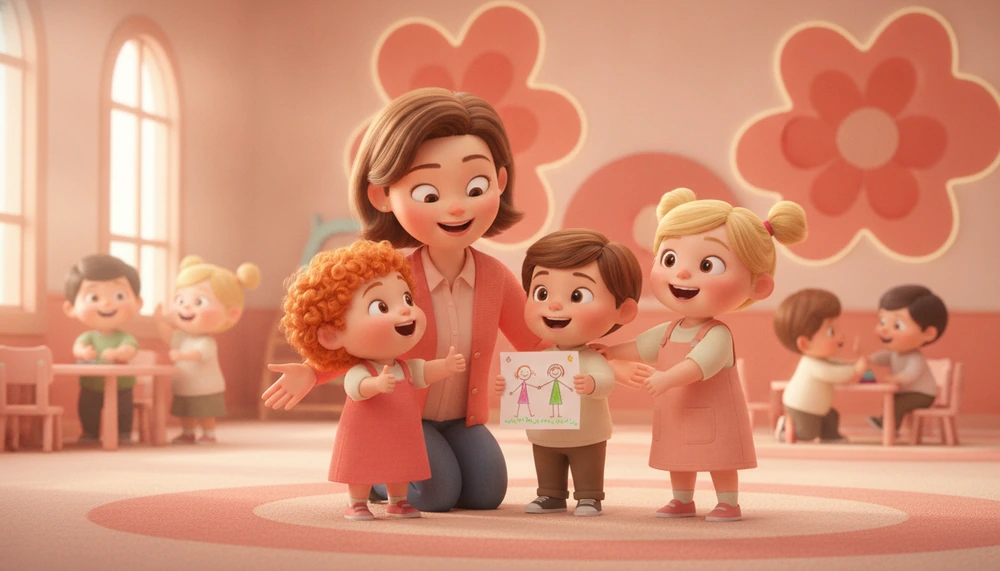
In My Practice: I've worked with educators who implemented Sanford Harmony, and they noticed students became more inclusive, reducing incidents of bullying and exclusion. This program's emphasis on daily meet-ups and buddy systems fosters an environment where students feel valued and heard.
Yale RULER
Yale's RULER is a robust SEL framework focusing on the development of emotional intelligence through the recognition, understanding, labeling, expressing, and regulating of emotions 4.
- Comprehensive Framework: RULER provides a holistic approach to emotional development.
- Research Backed: Proven to enhance students' emotional intelligence and academic performance.
Cons
- Implementation Complexity: Schools may find it challenging to fully integrate RULER without sufficient resources.
In My Practice: I worked with a school that adopted RULER, and the noticeable improvement in students’ emotional literacy was profound. Teachers observed that students were better at articulating their emotions and managing conflicts. Additionally, RULER's focus on emotional vocabulary helped students express themselves more clearly, reducing misunderstandings and fostering a supportive school environment.
MindUP
MindUP focuses on mindfulness and neuroscience to help students manage stress and improve focus. It integrates lessons that explain how the brain works in relation to emotions.
- Mindfulness-Based: Encourages students to practice mindfulness, which aids in self-regulation.
- Scientific Approach: Lessons are backed by neuroscience, offering a unique perspective.
Cons
- Resource Intensive: Requires resources for full implementation, which can be a challenge for some schools.
Real-Life Script: During a mindfulness exercise, a teacher guides students in focusing on their breath. “Breathe in... breathe out. Notice how you feel. Let’s share what we experienced.” This practice helps students center themselves and enhances their ability to focus. Educators have reported increased student engagement and reduced anxiety levels through consistent practice of mindfulness exercises.
PATHS
PATHS (Promoting Alternative Thinking Strategies) is designed to enhance the social-emotional competence of students through structured lessons.
- Structured Lessons: Offers detailed lesson plans that guide teachers.
- Proven Impact: Research shows improvements in students’ emotional understanding and self-control.
Cons
- Time-Consuming: The structured nature of PATHS can require significant time investment from teachers.
In My Practice: I've observed that PATHS is particularly effective in classrooms where teachers can dedicate time to detailed lesson plans. Students learn to identify and manage their emotions, leading to improved classroom behavior and academic performance.
Caring School Community
This curriculum emphasizes the importance of building a caring classroom community. It focuses on creating an environment where students feel supported and valued.
- Community Focused: Promotes a strong sense of belonging among students.
- Flexible Implementation: Can be easily adapted to various classroom settings.
Cons
- Less Structured: Some teachers may find the lack of detailed lesson plans challenging.
Example: In classrooms using the Caring School Community approach, students participate in regular community circles where they express gratitude and discuss challenges. This practice builds mutual respect and collaboration, enhancing the overall classroom atmosphere.
Comparison Table
Here’s a quick comparison to help you choose the best program for your school:
| Curriculum | Key Features | Pros | Cons |
|---|---|---|---|
| Second Step | Step-by-step lessons | Comprehensive, user-friendly | Cost |
| Sanford Harmony | Relationship building | Focused on inclusion, research-backed | Training required |
| Yale RULER | Emotional intelligence | Comprehensive, research-backed | Complex to implement |
| MindUP | Mindfulness and neuroscience | Mindfulness, scientific approach | Resource intensive |
| PATHS | Structured lessons | Proven impact, detailed plans | Time-consuming |
| Caring School Community | Community building | Flexible, promotes belonging | Less structured |
Asking What YOUR School Uses
Being informed about the SEL curriculum your child’s school uses is crucial. It allows you to support generalization from school to home. When talking to teachers, ask about the specific programs and how they align with your child's needs. Consider reading our article on How to Ask Your Child's Teacher About SEL Practices for more strategies.
By understanding the SEL curriculum, you can better assist your child in developing essential skills. Whether it’s through using social stories like Expressing Our Feelings Positively - Social Story PDF or engaging with the SocialBlossom app, your involvement is key.
References
1 CASEL SELect program rubric — standards for evaluating SEL programs
2 Second Step (Committee for Children) — most-used US K-5 SEL curriculum
3 Sanford Harmony — research-based SEL program
4 Yale RULER — school-based SEL framework
Try It This Week
Reading is the easy part. Skills build through small, repeated practice — here's a low-pressure plan you can try with your child.
- 1Explore Social StoriesThis weekendIntroduce social stories at home to reinforce SEL skills. They help translate school lessons into real-life situations.Expressing Our Feelings Positively →👉 What this looks likePick a quiet evening. Read a social story about expressing emotions, like [Expressing Our Feelings Positively - Social Story PDF](/products/expressing-our-feelings-positively). Discuss the story with your child, asking 'How would you feel?' and 'What could you do next time?' Encourage them to relate it to their own experiences.
- 2Practice Mindfulness TogetherDaily, 5 minEngage in a short mindfulness exercise to enhance focus and emotional regulation.👉 What this looks likeEvery morning, sit together for a brief breathing exercise. Say, 'Let's take a deep breath in... and out. How do you feel now?' This routine helps start the day with calmness and focus.
- 3Discuss School SEL ActivitiesDay 2Talk with your child about their SEL activities at school to reinforce learning.👉 What this looks likeAfter school, ask your child, 'What SEL activity did you do today?' Listen actively and encourage them to explain what they learned. This dialogue helps reinforce school lessons at home.
- 4Model Emotional ExpressionDay 4Demonstrate how to express emotions clearly and constructively.👉 What this looks likeDuring dinner, share a moment from your day, 'Today, I felt frustrated when I ran late. I decided to take deep breaths and it helped.' Model emotional expression and strategies for regulation.
- 5Create a Gratitude CircleThis weekendStart a family gratitude circle to foster a supportive environment.👉 What this looks likeGather your family in a circle and take turns sharing one thing you're grateful for. Encourage each member to listen and respond positively. This practice strengthens family bonds and highlights positive experiences.
Frequently Asked Questions
What is the most popular SEL curriculum in the US?
How can SEL curricula support students with diverse learning needs?
Why is Sanford Harmony effective for classroom climates?
What challenges might schools face implementing Yale RULER?
How does MindUP incorporate neuroscience into SEL?
What is the main focus of the PATHS curriculum?
How can parents support SEL at home?
References