Supporting Autistic Children Through Sensory and Emotional Dysregulation

Living with autism often means experiencing the world in unique ways, with sensory experiences playing a pivotal role in daily life. This article explores how sensory overload can lead to emotional dysregulation and offers strategies for parents to support their children. This is part of our comprehensive guide on Emotion Regulation in Autistic Kids: A Parent's Complete Guide.
How Sensory Dysregulation Becomes Emotional Dysregulation
Sensory dysregulation occurs when a child has difficulty managing input from their environment, leading to overwhelming sensations. This can quickly become emotional dysregulation as the child struggles to cope with these intense feelings. Research indicates that interoception, the ability to sense internal body states, plays a significant role in this process 12.
Imagine a child in a crowded supermarket: the fluorescent lights, background hum of conversations, and the smell of different foods might become too much. Overwhelmed, the child might express this through a meltdown, an emotional response to an overload of sensory input.
In my practice, I've observed that teaching children to recognize early signs of sensory overload can help in managing emotional responses. Encouraging self-awareness through tools like social stories can bridge the gap between sensory experiences and emotional regulation.

Understanding the connection between sensory and emotional dysregulation can empower parents to identify and act on the early signs. Proactive strategies such as creating a sensory-friendly space and using calming techniques can significantly reduce the frequency and intensity of meltdowns.
The 8 Sensory Systems
Understanding how different sensory systems affect your child is crucial. Beyond the five basic senses, there are three additional systems to consider:
- Visual
- Auditory
- Olfactory (smell)
- Gustatory (taste)
- Tactile (touch)
- Vestibular (balance and movement)
- Proprioception (body awareness)
- Interoception (internal body signals)
Interoception helps us recognize hunger, thirst, or the need to use the bathroom. Understanding these systems can help parents identify specific sensory triggers and adapt environments to better suit their child's needs 2.
Incorporating activities that stimulate these sensory systems can help your child become more attuned to their body's signals. For example, a game that involves touching different textures can enhance tactile awareness, while playing with balance boards can help with vestibular input.
Hyper- vs Hypo-responsiveness
Children with autism may experience sensory inputs differently, either as hyper-responsive (over-sensitive) or hypo-responsive (under-sensitive). A child who is hyper-responsive might find bright lights unbearable, while a hypo-responsive child might not notice them at all.
Example: Imagine a classroom setting where the bell rings. A hyper-responsive child might cover their ears and cry, overwhelmed by the sound. Conversely, a hypo-responsive child might not react at all, missing the cue to transition to the next activity.
Understanding these responses is key to developing effective strategies for emotional regulation. Calming Strategies That Respect Sensory Needs can provide additional insights.
In my practice, I've seen many parents who initially focus on eliminating sensory triggers. However, embracing a balanced approach where children learn coping mechanisms alongside reducing triggers often leads to better emotional regulation.
Common Sensory Triggers by Setting
Different environments come with their own sensory triggers. Here are some common ones:
- Home: Sudden loud noises, strong smells from cooking, or bright lights.
- School: Crowded hallways, ringing bells, and noisy cafeterias.
- Stores: Bright fluorescent lights, bustling crowds, intense smells.
Scripted Scenario: In a grocery store, you might say, "Let's use our dragon breaths to calm down." This technique involves deep breathing, like a dragon taking in air before a gentle exhale. It can help manage immediate sensory overload. Check out the Dragon Breaths to Calm Down - Printable Social Story for more practical techniques.

By anticipating these triggers, parents can prepare and practice calming strategies ahead of time. This proactive approach not only helps in the moment but also builds a child's confidence in managing their sensory environment.
Building a Sensory Profile for Your Child
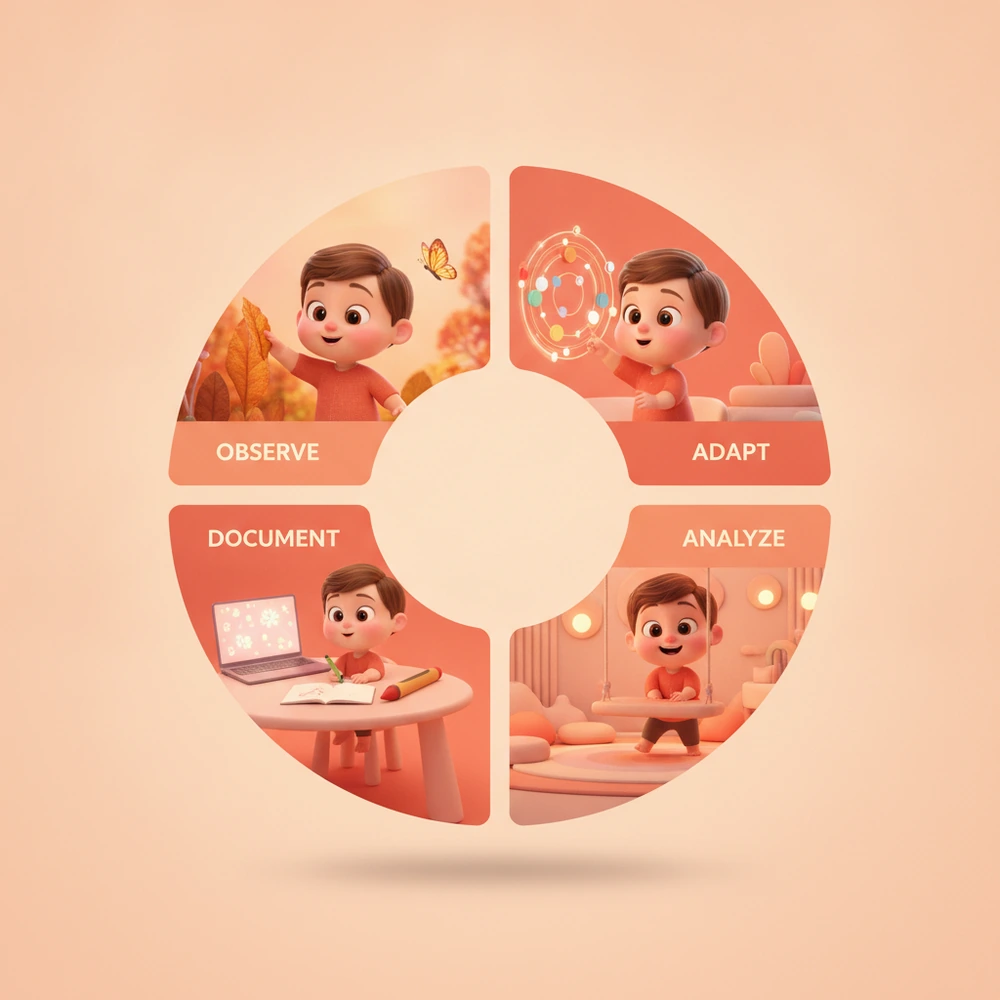
Creating a sensory profile involves observing and documenting how your child reacts to different sensory inputs. This helps in understanding their unique sensory preferences and thresholds.
- Observe: Note reactions to different sensory inputs.
- Document: Keep a journal of triggers and coping strategies.
- Analyze: Look for patterns and identify specific triggers.
In my practice, I've seen parents succeed by systematically noting their child's reactions to sensory stimuli. This proactive approach fosters a better understanding and helps tailor environments that minimize stress.
Developing a sensory profile can be a collaborative process involving your child. Engage them by asking how certain sensations make them feel, empowering them with language to express their sensory experiences.
Pre-emptive Sensory Diet vs Reactive Calming
A sensory diet is a proactive strategy that incorporates regular sensory activities to help maintain regulation. It differs from reactive calming, which addresses sensory overload after it occurs.
- Pre-emptive: Incorporate activities like swinging or deep pressure exercises.
- Reactive: Use calming techniques like quiet time or weighted blankets during overload.
Example: Before heading out to a crowded place, a sensory diet might involve swinging or using a stress ball. These activities can help regulate sensory input in advance, reducing the likelihood of a meltdown.
Integrating a sensory diet into daily routines can be transformative. It helps balance sensory input, making daily transitions smoother and fostering emotional stability.
When to Involve an OT
An Occupational Therapist (OT) can provide personalized strategies to manage sensory challenges. They help develop a plan that includes both sensory diets and reactive strategies tailored to your child's needs.
Example: Consider consulting an OT if your child consistently struggles with sensory overload, affecting their daily activities. The OT can work with your child to create a sensory-friendly environment at school and home, enhancing their ability to self-regulate.
Explore more about Co-Regulation for Autistic Kids: The Parent's Most Important Role to learn how parental support can be pivotal in managing sensory challenges.
Collaborating with an OT can provide insights into sensory processing and offer strategies that you might not have considered. This partnership can empower both the child and the parents in navigating the sensory world effectively.
References
1 Garfinkel, S. et al. (2016). Discrepancies between dimensions of interoception in autism. Biological Psychology 114:117. Retrieved from PubMed
2 Mahler, K. (2017). Interoception. Retrieved from Future Horizons
3 Dunn, W. (1999). The Sensory Profile (Pearson). Retrieved from Pearson Clinical
Try It This Week
Reading is the easy part. Skills build through small, repeated practice — here's a low-pressure plan you can try with your child.
- 1Observe Sensory ReactionsDay 1Spend a day observing your child's reactions to different sensory inputs. This helps identify triggers.👉 What this looks likeWhile playing in the park, notice if your child avoids certain textures like sand or grass. Make a note of any strong reactions to sounds, like a dog barking or children shouting. Record these observations in a notebook.
- 2Document and DiscussDay 2-3Create a sensory journal with your child to discuss and document their sensory experiences.👉 What this looks likeSit with your child and draw a simple face to represent how different sounds make them feel. Discuss why certain sounds might be overwhelming. Use colored pencils to shade areas that feel intense or calm.
- 3Create a Sensory-Friendly SpaceThis weekendDesignate a calming zone at home with sensory-friendly items.👉 What this looks likeSet up a corner with soft pillows, a blanket, and noise-cancelling headphones. Let your child choose a few fidget toys to keep there. Encourage them to use this space whenever they feel overwhelmed.
- 4Practice a Sensory DietDaily, 5 minIncorporate sensory activities into daily routines to help regulate input.in the SocialBlossom app →👉 What this looks likeBefore school, spend 5 minutes doing jumping jacks or squeezing a stress ball. This primes their sensory system for the day ahead. Encourage them to notice how these activities make their bodies feel.
- 5Consult with an OTOnce this weekSchedule a meeting with an OT to discuss personalized sensory strategies.Co-Regulation for Autistic Kids →👉 What this looks likeMeet with an OT to discuss your child's sensory profile and get advice on specific sensory activities and calming strategies. Implement one new strategy at home and observe any changes in your child's behavior.
Frequently Asked Questions
What are common sensory triggers for autistic children?
How can I help my child with sensory overload?
What is the difference between hyper- and hypo-responsiveness?
When should I consult an occupational therapist?
How do sensory profiles help in managing dysregulation?
References