Navigating Sibling Conflict: Building Social-Emotional Skills
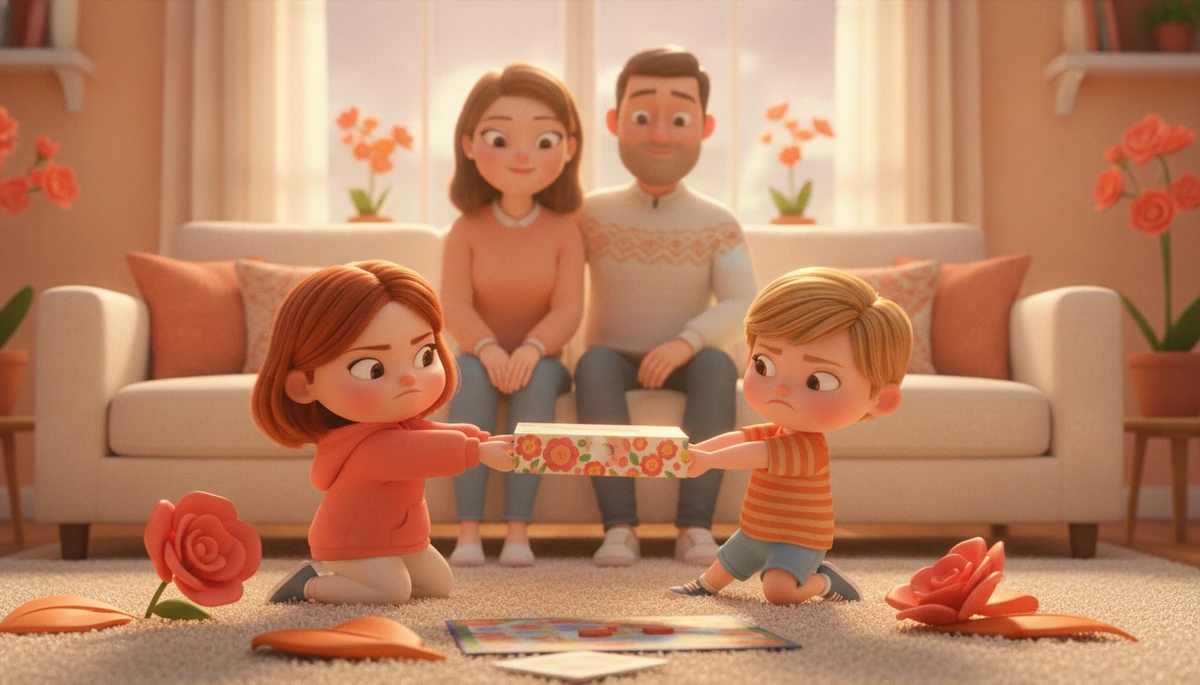
The Conflict That BUILDS SEL
Sibling conflict can often feel like a constant battle, but not all conflict is negative. In fact, conflict can be a powerful tool for building social-emotional learning (SEL) skills, such as self-awareness, self-management, and relationship skills. When children engage in conflict, they learn to navigate emotions, express needs, and negotiate solutions.
This article is part of our complete guide to Sibling Dynamics: An SEL Approach to Rivalry, Sharing, and Connection. Understanding the difference between healthy conflict and sibling rivalry is crucial for fostering a nurturing environment that promotes growth.
Healthy conflict encourages children to express their feelings and understand the perspectives of others. It fosters empathy and collaborative problem-solving, which are essential skills for life.
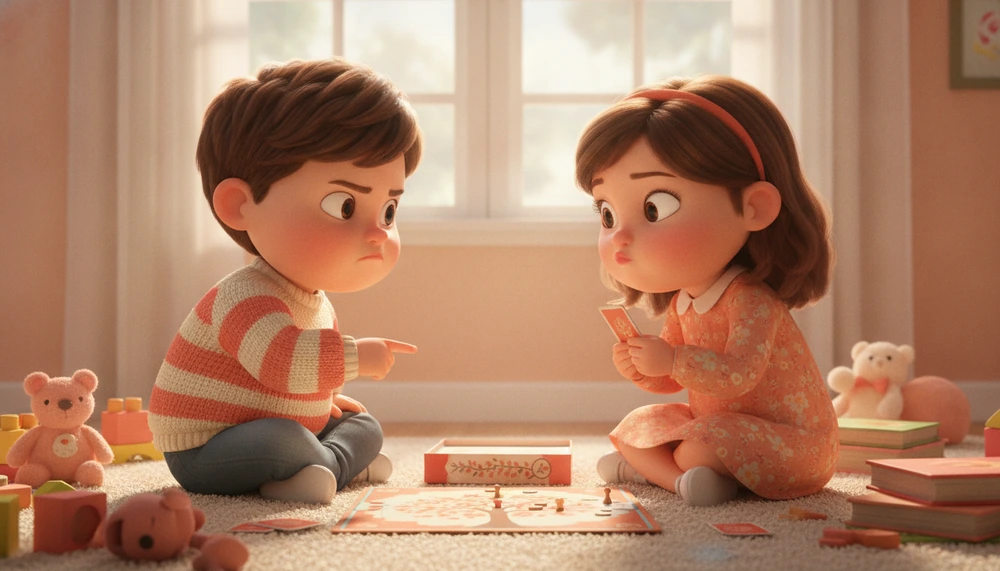
In my practice, I've seen many parents worry about their children's frequent arguments. However, I've also observed that when guided correctly, these conflicts can transform into valuable learning experiences. By teaching children to resolve their disagreements, we prepare them for future interactions with peers and adults alike.
Embracing the Learning Opportunity
When siblings argue, it's an opportunity to teach them about emotional intelligence. Encourage them to articulate their feelings and listen actively to each other. This practice not only helps in resolving the current conflict but also builds a foundation for effective communication in the future. Self-awareness grows when children can identify their emotions and triggers, leading to better self-management.
Signs It's Healthy: Balanced Power, Repair After, No Contempt
Determining whether a conflict is healthy involves looking for key signs:
- Balanced power dynamics: No single child dominates the interaction. Both siblings have the opportunity to express their thoughts and feelings.
- Repair mechanisms: After a disagreement, siblings are willing to make amends, apologize, or find a mutual resolution.
- Absence of contempt: Interactions, even heated ones, are free from disdain or mockery.
Picture this: Maya and Leo, ages 7 and 9, are arguing over who gets the last cookie. Maya says, "I had only one, and you had two already!" Leo responds, "But I really want it! How about we split it?" They agree, and both leave the situation satisfied, having practiced negotiation and compromise.
Observing and Encouraging Positive Dynamics
Encourage children to reflect on how they resolved their disagreement. Ask questions like, "How did you feel when you agreed to split the cookie?" This reflection strengthens relationship skills and helps children internalize positive conflict resolution strategies, reinforcing the idea that compromise and understanding can lead to a win-win situation.
Signs It's Rivalry: Power Imbalance, Contempt, Parent-Divided
Sibling rivalry, on the other hand, often involves destructive elements:
- Power imbalance: One child consistently dominates or bullies the other.
- Contempt and hostility: Interactions include mean-spirited comments or actions meant to hurt.
- Parent-divided: Children frequently seek parental intervention, forcing parents to choose sides.
Imagine a scenario where Anna, 10, constantly dismisses her younger brother Tim, 8, making him feel inferior. She might say, "You’re too young to understand anything," leaving Tim upset and seeking comfort from a parent.

Addressing Rivalry Constructively
When rivalry emerges, it's essential to address it constructively. Encourage each child to voice their feelings in a safe environment. Consider setting up family meetings where everyone can express their needs and work together to find solutions. This practice promotes social awareness and helps children understand the impact of their actions on others.
When to Intervene (3 Specific Situations)
Knowing when to step in is crucial to prevent harm and guide children towards healthy conflict resolution. Intervene in these situations:
- Physical aggression is present: If siblings are physically harming each other, it's time to step in immediately to ensure safety.
- Repeated power imbalance: If one child is consistently dominating or belittling the other, parental guidance is needed to address the behavior.
- Emotional harm: If a child is showing signs of distress or emotional harm, it's important to provide support and mediate the conflict.
Promoting Safety and Emotional Security
Create a home environment where children feel safe to express themselves without fear of judgment. Establish clear family rules about acceptable behavior and consequences. Discuss these rules regularly to reinforce their importance and adapt them as children grow and change.
When to Let Them Work It Out (4 Specific Situations)
On the other hand, there are times when allowing siblings to resolve their issues can be beneficial:
- Minor disagreements: Let them negotiate over small issues like toy sharing or turn-taking.
- Balanced arguments: If both children are equally contributing to the conflict without hostility.
- Post-conflict reconciliation: When siblings show signs of resolving their conflict independently.
- Learning opportunities: If the disagreement offers a chance to practice negotiation or empathy.
Supporting Independent Conflict Resolution
Encourage children to think of solutions themselves by asking, "What can we do differently next time?" This approach encourages responsible decision-making and boosts their confidence in handling disagreements autonomously. It's vital to offer praise for their efforts, reinforcing positive behaviors.
Repair Scripts for Siblings
Using repair scripts can help siblings mend their relationship after a disagreement. Here’s a simple script to guide them:
- Acknowledge: "I see you're upset because we had a fight over the game."
- Apologize: "I’m sorry for yelling at you."
- Suggest a Resolution: "Let’s agree to take turns next time."
By practicing these scripts, children learn the importance of communication and reconciliation, essential parts of SEL.
Practicing Scripts in Daily Life
Role-playing these scripts can be an effective way to ingrained these skills. Set aside time each week to go through common scenarios with your children, helping them to practice these strategies in a supportive setting. This practice not only prepares them for real-life situations but also enhances their emotional regulation and relationship skills.
Long-term Sibling Relationship Investment
Fostering a positive sibling relationship is a long-term investment. Here are some strategies:
- Encourage shared activities: Engage siblings in activities that require teamwork, like building a fort or a puzzle. Check out our Let's Build a Mud House Together! - Social Story PDF to promote collaboration.
- Model healthy conflict resolution: Demonstrate how to handle disagreements by openly resolving conflicts with your partner or other family members.
- Celebrate individuality: Acknowledge each child’s unique strengths and achievements to prevent comparisons and rivalry.
In my practice, I often suggest families use social stories to reinforce these concepts, providing a narrative framework that children can relate to and learn from.
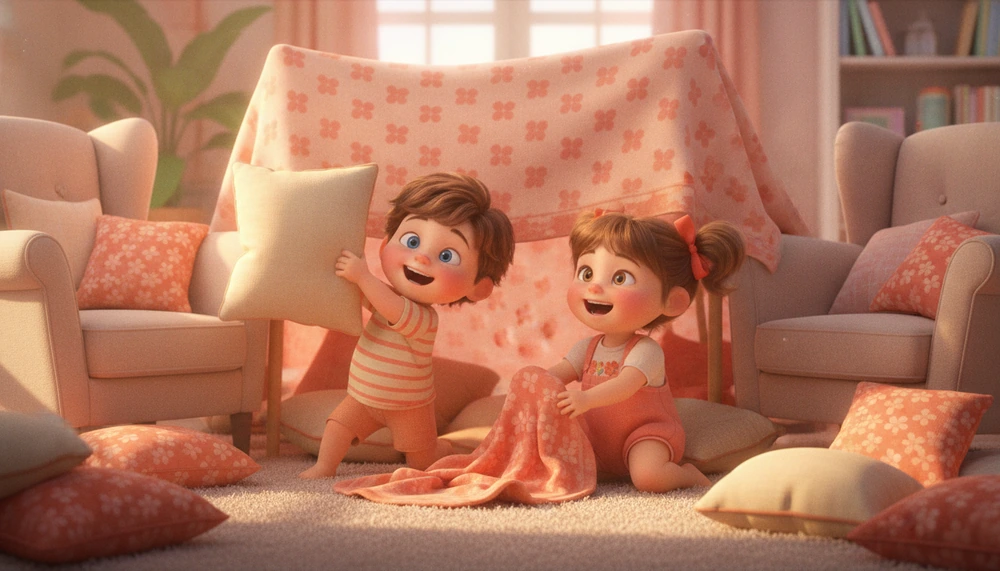
Building Resilient Relationships
Celebrate each child’s achievements and progress, however small, to build a strong foundation of self-esteem. Encourage them to support each other’s endeavors, creating a bond that fosters mutual respect and understanding. This investment in their relationship will pay dividends throughout their entire lives.
References
1 Gottman, J. (1997). Raising an Emotionally Intelligent Child. Retrieved from https://www.gottman.com
2 Faber, A. & Mazlish, E. (1980). How to Talk So Kids Will Listen. Retrieved from https://www.fabermazlish.com
For more insights on sibling dynamics, explore our article on Why 'Just Share!' Backfires Between Siblings (and What Works).
Try It This Month
Reading is the easy part. Skills build through small, repeated practice — here's a low-pressure plan you can try with your child.
- 1Observe a conflict without interveningOnce this weekLet minor sibling disagreements unfold naturally. Observe how they resolve issues and learn from each other.👉 What this looks likeDuring a disagreement over a toy, resist the urge to step in immediately. Instead, watch as they discuss taking turns. You might hear one say, 'You can have it first, and then it's my turn.' Afterwards, discuss with them how it felt to resolve the issue themselves.
- 2Introduce family meeting timesThis weekendSet up regular family meetings to discuss feelings and resolve conflicts collectively, promoting open communication.explore SEL strategies →👉 What this looks likeGather your family on a Sunday after lunch. Start by saying, 'Let's share one thing we liked about this week and one thing we wish was different.' Encourage each child to speak, and listen actively to their ideas for resolving any issues that arose.
- 3Role-play repair scriptsTwice this monthPractice repair scripts with your children to help them learn reconciliation skills.use this story →👉 What this looks likeChoose a common conflict scenario, like arguing over screen time. Role-play with each child taking turns being the one to apologize and suggest a resolution. Say, 'I see you're upset because we both want the tablet. Let's set a timer for sharing.'
- 4Encourage individual strengthsDailyCelebrate each child's unique abilities to prevent rivalry and promote self-esteem.👉 What this looks likeNotice when your child excels at something, like drawing or building. Say, 'I love how creative your drawings are,' or 'You’re really good at building things.' This reinforces their confidence and reduces the need for comparison.
- 5Model conflict resolutionDailyDemonstrate healthy conflict resolution in your interactions for children to emulate.learn more about modeling →👉 What this looks likeDuring a disagreement with your partner, openly discuss the issue. Say, 'I feel worried when the bills are late. Can we set a reminder?' Let your children witness the resolution process to understand how to handle conflicts constructively.
Frequently Asked Questions
How can I tell if sibling conflict is healthy?
When should I intervene in sibling conflicts?
What are some ways to foster positive sibling relationships?
How do repair scripts help siblings?
What if one child always feels left out?
References