Using Social Stories to Ease Transitions for Autistic Children

Why Transitions Are Uniquely Hard for Autistic Kids
Transitions can be challenging for everyone, but for autistic children, they present a unique set of difficulties. Changes in environment and routine can lead to feelings of anxiety and unpredictability. This is where social stories come in handy. Created by Carol Gray, social stories are short descriptions of a situation, event, or activity, which include specific information about what to expect 1. They help children understand and navigate transitions by providing a structured narrative.
Autistic children often experience the world more intensely and may have difficulty predicting what might happen next in new situations. These challenges can make transitions particularly daunting. However, using social stories can provide the predictability and preparation that autistic children thrive on.
In my practice, I've noticed that when parents introduce social stories early and consistently, their children often feel more secure and capable during transitions. This approach aligns well with the SEL (Social-Emotional Learning) competencies, particularly in helping children develop self-awareness and self-management skills.
Furthermore, social stories can be tailored to the individual needs of each child. By including personal interests or familiar routines, they become more relatable and engaging. This customization can significantly enhance the child’s connection to the story, making the transition smoother.
This article is part of our complete guide to Social Stories for Autistic Kids: A Parent's Complete Guide.

First Day of School Social Story
Starting school is a major milestone. For an autistic child, the first day of school can be overwhelming due to new people, routines, and environments. A well-crafted social story can help ease these anxieties by familiarizing your child with what to expect.
Scripted Dialogue Example
Imagine your child is nervous about starting school. You can use a social story like this:
"In the morning, we will get ready and go to school together. You will meet your teacher, Ms. Jones. She will show you fun activities and help you make new friends."
This story empowers your child by giving them a clear picture of the day, reducing uncertainty.
Additionally, incorporating visual aids such as pictures of the school, classroom, and teachers can further enhance understanding and comfort. Visual supports are particularly effective for autistic children as they often process visual information more readily than verbal instructions.
Downloadable Resource: Check out our Brave First Day at Preschool Social Story to make this transition smoother.

Doctor Visit Social Story
Visiting the doctor can provoke anxiety in many children, especially those who are autistic. The unfamiliar environment and procedures can be daunting. A social story prepares them by explaining each step of the visit clearly.
In-My-Practice Moment
In my practice, I encourage parents to read the social story multiple times before the visit. One parent shared how her son's anxiety decreased significantly after using a social story. He knew what to expect and felt more in control.
Consider introducing stories like Winny Learns About Community Helpers - Printable Social Story to familiarize your child with healthcare professionals.
To make these visits even more predictable, role-playing the doctor visit at home can be beneficial. Using familiar toys as props, parents can simulate the doctor visit, allowing the child to practice the narrative in a safe environment.
Dentist Visit Social Story
Similar to doctor visits, dentist appointments can be stressful due to sensory sensitivities and fear of the unknown. A social story that details what will happen can alleviate some of this stress.
Real-Life Script
"We will go to the dentist's office. First, we will sit in the waiting room. Then, the dentist will look at your teeth with a small mirror. This helps keep your teeth healthy."
This narrative reassures your child by breaking down the visit into manageable steps.
Providing sensory tools, such as noise-canceling headphones or a favorite stress ball, can also help manage sensory overload during the visit. Encouraging your child to bring these items can give them additional comfort and control over their environment.
New Sibling Social Story
The arrival of a new sibling can be a significant change. A social story can help your child understand what to expect and how to express their feelings about the new baby.
Scripted Dialogue Example
"A new baby is coming to our family. Babies need a lot of care. You can help by singing to the baby or showing your favorite toy."
This story fosters relationship skills by encouraging positive interactions and emotional connections with the new sibling.
In addition to the story, setting aside special one-on-one time with your child can reassure them of their importance in the family. This can be as simple as reading a book together or playing a favorite game, reinforcing their role as a valued member of the family.
Moving House Social Story
Moving to a new house involves many changes. A social story can guide your child through the process, helping them adjust to the new environment.
Worked Example
Imagine you're planning a move. The social story might read:
"We are moving to a new house. We will pack our things and say goodbye to our old home. Our new house will have your room and all your toys."
This narrative helps your child visualize the process and reduces anxiety about the move.
To engage your child further, involve them in the moving process. Allow them to pack a special box of their favorite items, which they can unpack first in the new house. This gives them a sense of control and ownership.
How to Introduce a Story 1-2 Weeks BEFORE the Event
Introducing a social story well in advance of the transition is crucial. Here's how:
- Read Regularly: Read the social story daily leading up to the event.
- Engage with Questions: Ask your child questions about the story to ensure understanding.
- Role Play: Use toys to role-play scenarios from the story.
Example
For a school transition, start reading the story two weeks before school starts. Discuss the story during breakfast or bedtime, asking questions like, "What will you do when you meet your teacher?"
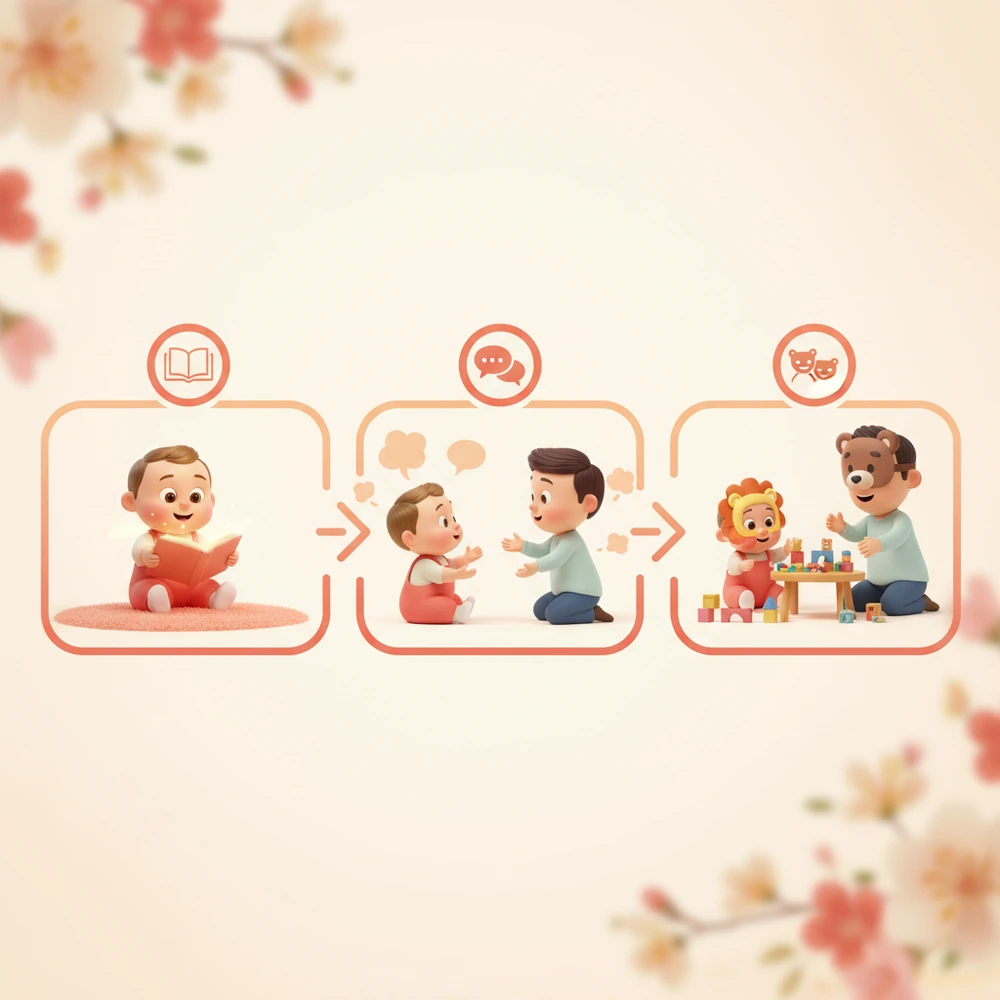
By preparing your child with social stories, you're not only easing immediate transitions but also fostering long-term skills in self-management, social awareness, and responsible decision-making.
To explore more about how to craft your own stories, visit our guide on How to Write Your First Social Story (Template + Walkthrough).
References
1 Gray, C. (2010). The New Social Story Book (15th Anniversary Edition). Future Horizons
2 Mazefsky et al. (2013). Role of emotion regulation in ASD. JAACAP, 52, 679.
Try It This Week
Reading is the easy part. Skills build through small, repeated practice — here's a low-pressure plan you can try with your child.
- 1Read a social story dailyDailyChoose a relevant social story and read it with your child every day to build familiarity.use this story →👉 What this looks likeSelect a social story related to an upcoming event, like visiting the doctor. Read it together each evening. Pause to ask your child how they feel about the story and if they have any questions. This routine helps them understand what to expect, reducing anxiety about the event.
- 2Role-play with toysTwice this weekUse toys to act out scenarios from the social story, reinforcing the narrative.👉 What this looks likeAfter reading the doctor visit story, use toys to simulate the visit. Your child can be the doctor, and you can be the patient. Switch roles to give them different perspectives. This playful approach reinforces understanding and reduces anxiety by making the situation familiar.
- 3Discuss the story's eventsAfter each readingEngage your child by asking questions about the story to ensure comprehension.👉 What this looks likeRead the first day of school story at breakfast. Ask, 'What will you do when you meet your teacher?' Encourage your child to express their thoughts and feelings about the story. This dialogue improves understanding and comfort with the upcoming event.
- 4Create a personal social storyThis weekendWork with your child to create a social story about an upcoming change in their life.explore our guide →👉 What this looks likePlan a move to a new house. Write a story together, including pictures of the new house and packing boxes. Let your child draw or paste images in the story. This involvement gives them a sense of control and reduces uncertainty about the move.
- 5Use visual aidsOnce this weekEnhance the social story with pictures or drawings to aid understanding.👉 What this looks likeFor the dentist visit story, add pictures of the dentist office and tools. Show these visuals as you read the story. This helps your child visualize the setting, making the actual visit less intimidating.
Frequently Asked Questions
What is a social story?
How early should I introduce a social story?
Can social stories help with sensory sensitivities?
Are social stories only for autistic children?
How can I make a social story more engaging?
References