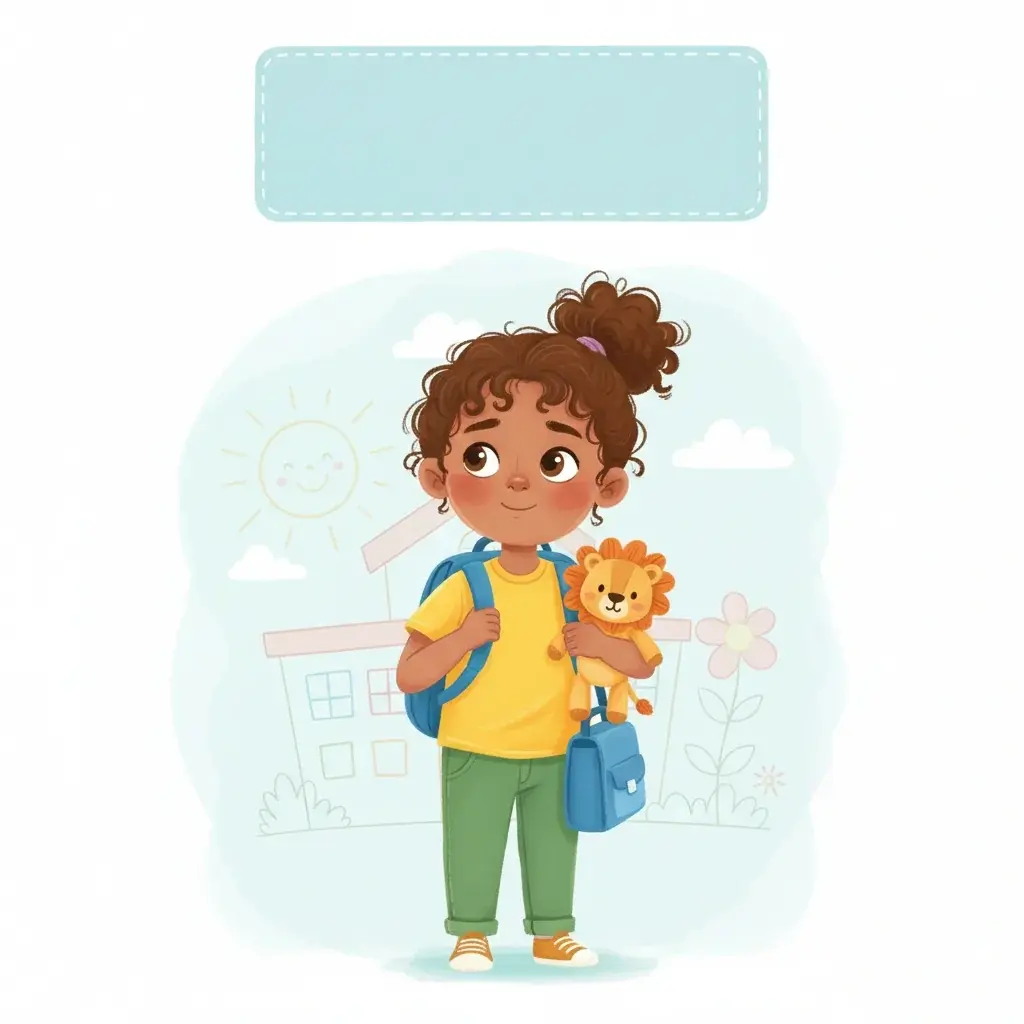
Brave First Day at Preschool Social Story

Help your child prepare for their first day at preschool with this engaging social story. It addresses feelings of nervousness and excitement, making the transition smoother.
Story Preview
Brave First Day at Preschool
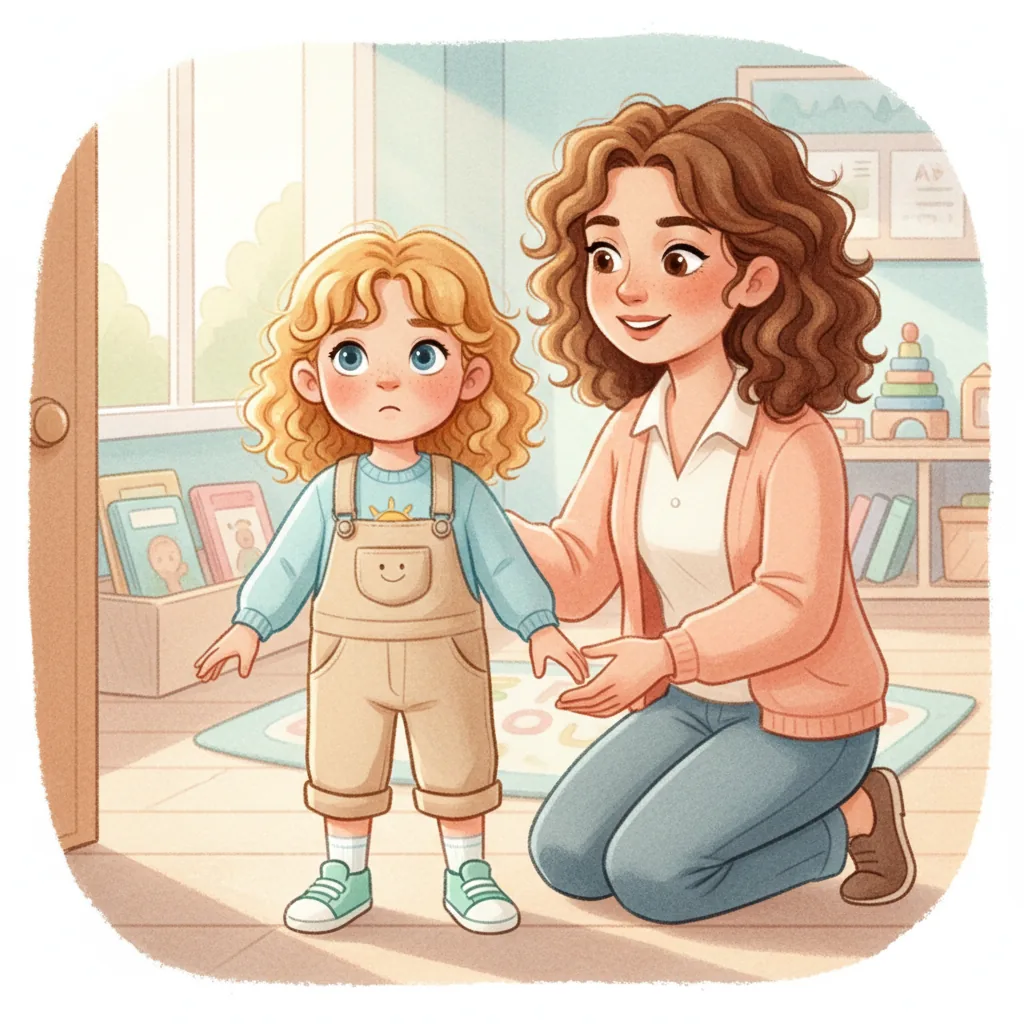
Today is my first day at preschool. I feel a little nervous.

I follow my morning routine. I get dressed and eat breakfast.
Purchase to access all pages
Who Is This For?
What's Inside
This social story covers feelings, routines, and playtime, helping children adjust to preschool.
About This Story
This printable social story is designed to support your child as they embark on their first day at preschool. It includes relatable scenarios and comforting messages to ease any anxiety.
- Explore feelings of nervousness and excitement.
- Follow a morning routine.
- Engage in playtime with new friends.
- Celebrate bravery at the end of the day.
Disclaimer: This resource supports learning. It does not replace professional advice.
How to Use This Story
When to use this story
The "Brave First Day at Preschool" social story is a wonderful resource to help children transition to preschool. This story can be read before the big day to familiarize children with what to expect. It’s particularly useful for children who may feel a mix of nervousness and excitement about starting something new. By sharing this story, you can help your child understand their feelings and prepare them for the experience ahead.
What's inside
This engaging social story begins with the relatable experience of a child feeling nervous on their first day at preschool. The narrative gently guides young readers through their morning routine, including getting dressed and eating breakfast, which can help reinforce a sense of normalcy and predictability. As the child arrives at school, they hold a grown-up's hand, and the story highlights moments like saying goodbye and meeting a friendly teacher.
Inside the classroom, the child sees friends sitting in a circle and participates in singing songs and discussing their day. This story not only captures the excitement of new experiences but also provides a framework for discussing emotions. Activities included encourage vocabulary development, comprehension, creativity, and role-play, allowing children to engage with the story on multiple levels.
What kids learn
Through the narrative of "Brave First Day at Preschool," children learn about:
- Recognizing and naming their feelings, such as nervousness and excitement.
- Following a routine, which can create a sense of security and predictability.
- The importance of social skills, including saying hello and participating in group activities.
- Engaging with peers and teachers, fostering a sense of belonging in a new environment.
Research context
The use of social stories has roots in the work of Carol Gray, who developed this storytelling approach to enhance social understanding. Research supports the effectiveness of narrative-based methods in promoting social-emotional learning (SEL). By embedding social stories in educational settings, parents and educators can help children navigate new experiences, manage emotions, and build connections with peers. The evidence suggests that stories can be a powerful tool for enhancing children's emotional literacy and social skills.
Tips for parents and educators
- Read the story together multiple times before the first day to build familiarity and comfort.
- Discuss the child’s feelings and encourage them to express what they are looking forward to and what makes them nervous.
- Role-play different scenarios from the story, such as saying goodbye or making new friends, to prepare for real-life experiences.
- Use open-ended questions to prompt discussions about emotions related to starting school.
- Reinforce the morning routine at home to help your child feel more secure and confident.
- Celebrate their bravery after the first day, acknowledging their feelings and experiences.
How This Story Lands — Clinical Review & Perspectives
One named clinical review from our co-founder Rajini, plus three composite perspectives summarising how this story tends to land in a classroom, at home, and in therapy. How we write these.

A Wonderful Tool for Transitioning to Preschool
As a pediatric speech-language pathologist, I find the 'Brave First Day at Preschool' social story to be an invaluable resource for my young clients. It gently addresses feelings of nervousness and excitement, which many children experience during this significant transition. While reading, I encourage kids to articulate their feelings and predict what might happen next, allowing for the development of expressive language skills. The simple, age-appropriate language is perfect for engaging preschoolers, making this story a delightful addition to my sessions.
Great for Sensory Preparation and Routine
OTs often pair this kind of story with activities that promote sensory preparation for school environments. In sensory-regulation work, this story can be used to help children visualize their morning routine and the steps leading to school. The narrative supports discussions about transitions and coping strategies, making it easier for children to manage their expectations. Overall, it's a practical resource that complements sensory integration activities well.
Composite perspective synthesised from common feedback patterns — read how.
Sparking Conversations About School
Parents reading this with their child often notice that it sparks meaningful conversations about feelings related to starting school. The story’s relatable scenarios help children express their own emotions, making it easier to discuss any worries they might have. The gentle narrative reassures kids that it’s normal to feel nervous yet excited, creating a comfortable space for dialogue. This story has become a bedtime favorite, leading to discussions that help our child navigate their feelings.
Composite perspective synthesised from common feedback patterns — read how.
Effective for Inclusive Classrooms and Transition
In an inclusive classroom, this story works well because it addresses common feelings about starting preschool, making it relatable for all children. Educators using small-group settings will find that incorporating visual supports alongside the story can enhance understanding and engagement. The repetitive structure helps reinforce key concepts, allowing children to feel more secure and prepared for their own first day. Overall, it's a practical tool for easing transitions.
Composite perspective synthesised from common feedback patterns — read how.
Frequently Asked Questions
What activities are included in the Brave First Day at Preschool Social Story?
The product includes a variety of engaging activities such as vocabulary building, spelling practice, and comprehension questions. Additionally, there are open-ended prompts and role-play scenarios that encourage creativity and help your child express their feelings about preschool.
How can the Brave First Day at Preschool Social Story help my child with their transition?
This social story is designed to gently guide your child through the emotions they may feel about starting preschool. By addressing feelings of nervousness and excitement, it helps them visualize their first day, making the transition less daunting and more enjoyable.
What age is this social story suitable for?
This social story is suitable for preschool-aged children.
You May Also Like




Read More
Acknowledge and Embrace the Complexity of Mother's Day for Neurodivergent Families
Mother's Day for neurodivergent families can be complex. Embrace emotions, combat burnout, and use SEL strategies to celebrate in meaningful ways.
Read article →Crafting Effective Self-Management IEP Goals for Neurodivergent Students
Self-regulation IEP goals are key for supporting students with ADHD or autism in schools. These goals, like emotion identification and task initiation, help children manage emotions and behaviors, fos
Read article →Bridging the Gap: Real Self-Care vs. Instagram Self-Care for Parents
Real self-care for parents involves modeling self-regulation, showing children how to manage emotions effectively. Unlike Instagram's consumer-driven self-care, authentic practices teach kids vital sk
Read article →
This resource supports learning. It does not replace professional advice.