Navigating the Toddler 'No': Fostering Autonomy and Building Decision-Making Skills

Why 'No' Starts Around 18 Months
Around 18 months, toddlers often begin to embrace the word "no" with gusto. This seemingly defiant behavior is a natural part of their development. According to Erik Erikson, a renowned developmental psychologist, this stage is known as autonomy versus shame and doubt 1. It marks a crucial time when toddlers start to assert their independence and explore their ability to make choices.
At this age, children are learning to recognize themselves as separate individuals. This growing sense of self-awareness is fundamental to their social-emotional development. The frequent use of "no" is less about defiance and more about exploring their newfound autonomy. Toddlers are beginning to understand they have preferences and the power to express them.
For more insights into toddler development, see our complete guide to toddler social-emotional development.
In my practice, I've noticed that when toddlers are allowed to express their "no," they often become more engaged in the activities they eventually choose. This engagement is a positive sign of developing self-awareness and confidence.

Autonomy vs Shame: The Developmental Task
Erikson's stage of autonomy versus shame and doubt is a balancing act for toddlers. As they express their needs, they also begin to learn about limits and expectations 1. This stage is pivotal in developing self-confidence and a sense of security in their abilities.
Imagine a toddler, Lucy, who wants to dress herself. She insists on wearing mismatched clothes. While it may seem chaotic, it's crucial to her developing self-esteem. Allowing Lucy to make such choices reinforces her autonomy. However, if she's constantly corrected or criticized, she might develop feelings of shame or doubt about her abilities.
In my practice, I've seen many parents struggle with finding the right balance between guiding their child and allowing independence. Encouraging autonomy while setting boundaries helps toddlers feel secure and valued. For instance, offering guidance by saying, "You can wear the red shoes or the blue shoes," helps maintain a sense of control while promoting decision-making.
When to Honor the 'No' (Most of the Time)
Honoring a toddler's "no" is essential for fostering their independence and confidence. By frequently respecting their decision, you communicate that their preferences matter, and they have a voice.
Scripted Dialogue Example
- Parent: "Do you want to wear the red shoes today?"
- Toddler: "No!"
- Parent: "Okay, what shoes would you like to wear instead?"
This approach not only respects the child's choice but also encourages decision-making and problem-solving skills.
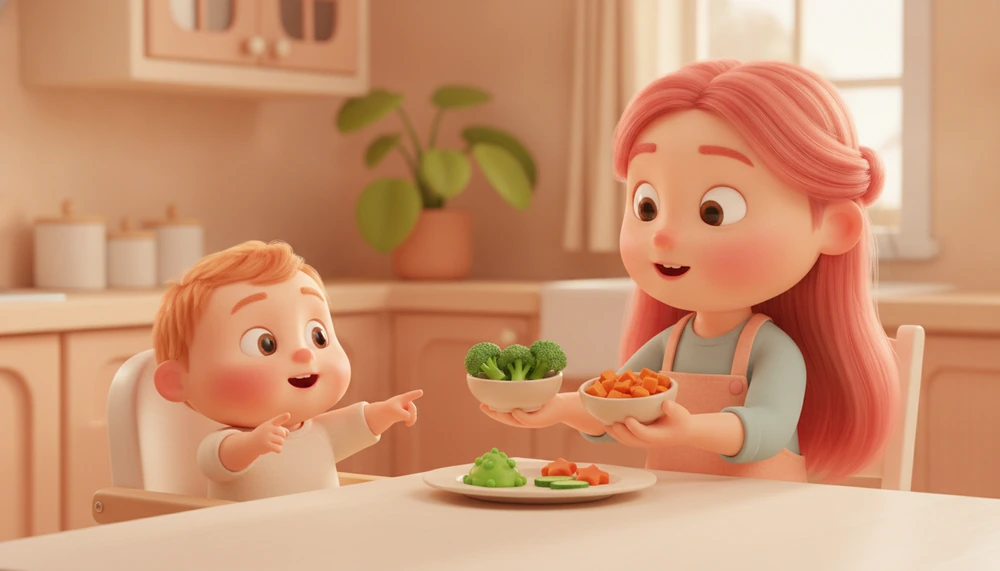
Here's another example: Imagine your toddler refuses to eat broccoli at dinner. Instead of insisting, you might say, "I see you're not in the mood for broccoli. Would you prefer carrots or corn tonight?" This not only gives them a choice but also maintains nutritional balance.
For more on how to encourage toddler communication, check out our article on naming feelings to a toddler.
When to Override Gently (Safety + Non-negotiables)
While it's important to respect a toddler's autonomy, there are situations where overriding their "no" is necessary, particularly when it concerns safety or essential routines. In these cases, the key is to redirect gently.
Real-Life Script
Imagine your toddler refuses to hold your hand in a parking lot:
- Acknowledge their feeling: "I see you want to walk by yourself."
- Explain the need: "Parking lots can be dangerous."
- Offer a fun alternative: "Let's pretend we're trains and choo-choo together!"
By acknowledging their desire and providing a playful alternative, you maintain safety without diminishing their sense of autonomy.
In my practice, I've found that toddlers respond better to redirection when they feel their initial choice is respected. For example, in situations involving car seats, you might say, "I know you want to sit in the front, but it's my job to keep you safe, so let's buckle up together in your seat." This reinforces safety while showing respect for their feelings.
Offering 2 Choices Instead of Asking Yes/No
A powerful strategy to reduce power struggles and encourage decision-making is to offer two choices. This technique gives toddlers a sense of control within safe boundaries.
Example
Instead of asking, "Do you want to go to bed now?" which might get a "no," try:
- "Do you want to hop to bed like a bunny or tiptoe like a mouse?"
This approach shifts the focus from the task itself to how they will accomplish it, engaging their imagination and making the routine more enjoyable.
In my practice, I've seen the positive effects of this approach. When given options, children are more likely to cooperate because they feel in control of their actions. This method also reduces frustration for parents, as it turns routine tasks into playful interactions.
Explore more about handling toddler routines in our piece on toddler tantrums.
Building Choice-Muscle Ages 1-3
Developing a toddler's ability to make choices is like exercising a muscle. The more opportunities they have to choose, the stronger their decision-making skills become.
Offer choices throughout the day, from selecting snacks to choosing a bedtime story. This practice not only enhances their autonomy but also builds their confidence in their decision-making abilities.
Consider using social stories like the Learning to Say Okay to reinforce positive decision-making.
Example Scenario: During playtime, ask, "Do you want to build a tower or draw with crayons?" This simple choice empowers toddlers to direct their play, fostering creativity and decision-making.

What This 'No' Becomes at Age 5
As toddlers grow, their frequent "no" evolves into more complex forms of communication and self-expression. By age 5, children typically have a better grasp of verbalizing their thoughts and emotions.
The foundation laid during the "no" stage supports their ability to negotiate, compromise, and express their needs more clearly. This growth is a testament to the importance of honoring autonomy in the early years.
In my practice, I've observed that children who are allowed to express "no" in their toddler years tend to have more advanced problem-solving abilities and stronger social skills by the time they reach preschool. They become adept at negotiating and understanding others’ perspectives.
For related insights, explore how playing nicely with friends at preschool supports social skills development.

References
1 Erikson, E. (1950). Childhood and Society — psychosocial stages framework. Retrieved from Wikipedia
2 Zero to Three. (n.d.). Early Childhood Developmental Authority. Retrieved from Zero to Three
3 Ginott, H. (1965). Between Parent and Child. Retrieved from Wikipedia
Try It This Week
Reading is the easy part. Skills build through small, repeated practice — here's a low-pressure plan you can try with your child.
- 1Catch one calm moment togetherDaily, 5 minUse quiet times to bond and practice co-regulation. This builds trust and emotional connection.👉 What this looks likePick a quiet time each day, like after lunch. Sit with your child, and say, 'Let's just enjoy a calm moment together.' Match their breathing. This practice helps them learn to regulate emotions by observing yours.
- 2Offer choices during playTwice this weekEncourage autonomy by letting your child choose activities. This builds decision-making skills.use this story →👉 What this looks likeAt playtime, say, 'Do you want to play with blocks or read a book?' Watch how they engage more when they choose the activity. This encourages independent thinking and decision-making.
- 3Narrate your emotional responsesOnce a dayModel emotional regulation by speaking aloud your responses to stress. This teaches self-management.👉 What this looks likeWhen feeling frustrated, say, 'I'm getting upset because the traffic is slow. I'm going to take deep breaths to calm down.' This out-loud narration shows children how to manage emotions and develop self-regulation skills.
- 4Engage in a cooperative gameThis weekendPlay games that require taking turns to build relationship skills and cooperation.👉 What this looks likePlay a game like 'Simon Says'. Highlight taking turns by saying, 'Now it's your turn to lead.' This teaches cooperation and helps develop social awareness by encouraging them to think of others' roles in a game.
- 5Discuss a choice made during the dayOnce a dayReflect on decisions made to reinforce responsible decision-making skills.in the SocialBlossom app →👉 What this looks likeAt bedtime, discuss a choice they made, like, 'You chose the blue cup today. How did that feel?' This reflection encourages them to think about their decisions, fostering self-awareness and responsible decision-making.
Frequently Asked Questions
Why does my toddler say 'no' so often?
How can I encourage my toddler to make decisions?
What should I do if my toddler's 'no' is for safety concerns?
Is it okay to sometimes say 'no' to my toddler?
How does honoring 'no' help in social-emotional learning?
References