Nurturing Toddler Emotional Development: A Guide for Parents
Understanding Toddler Emotional Development
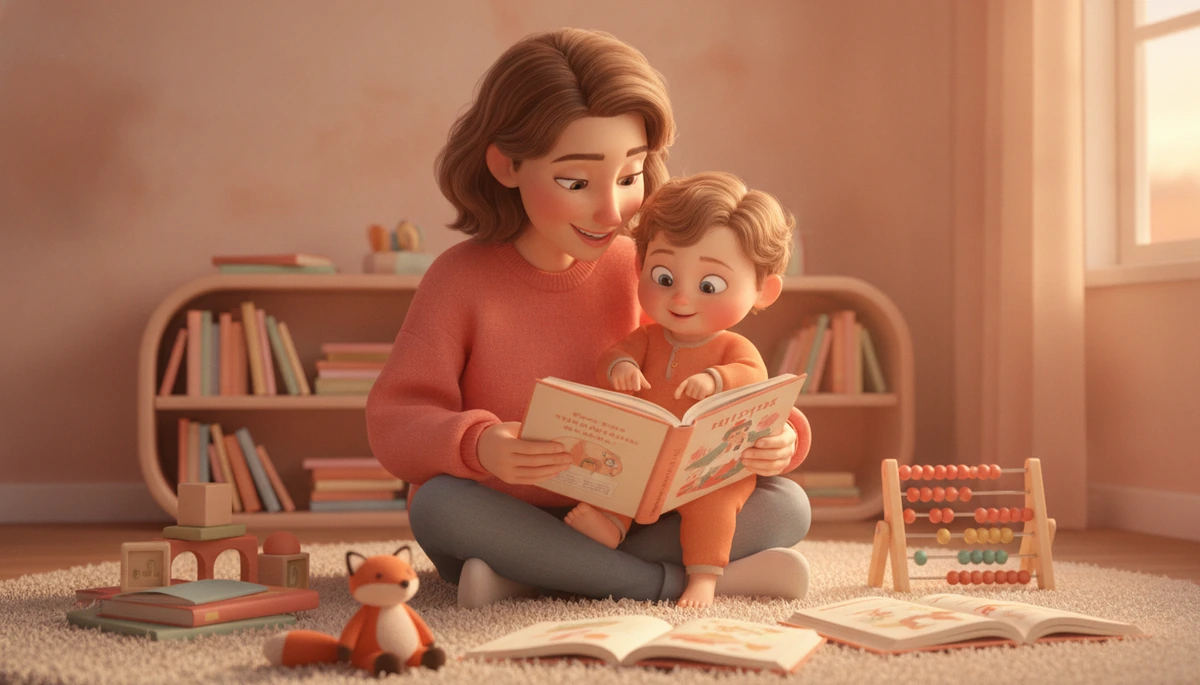
Toddlers, ages 1 to 3, are at a crucial stage in their social-emotional learning (SEL). During this period, children develop foundational skills in self-awareness and co-regulation. They begin to recognize their emotions and learn how to manage them with support from caregivers. Toddler tantrums, often misunderstood as misbehavior, are actually a natural part of this developmental phase.
Typical Emotional Milestones
From the age of one, toddlers start to express a wider range of emotions. They move from basic feelings like joy and anger to more complex emotions such as jealousy and embarrassment. By age three, many toddlers can identify feelings in themselves and others, though they may not always manage them effectively. According to the CDC's developmental milestones, these years are characterized by significant growth in emotional awareness 1.
Expanding Emotional Vocabulary
A toddler's ability to express emotions evolves alongside their growing vocabulary. Parents can support this development by consistently naming emotions during everyday interactions. For example, when a toddler is happy after receiving a toy, a parent might say, "You look so happy with your new toy!" This reinforcement helps toddlers connect words to feelings, enhancing their emotional literacy.
Common Parent Worries
Parents often worry about whether their toddler's emotional responses are "normal." Concerns typically include frequent tantrums, difficulty sharing, and separation anxiety. It's important to remember that these behaviors are typical and part of the learning process. Toddler social development involves learning to interact with others, which can be challenging but is essential for later social skills.
In my practice, I've seen many parents concerned about their child's tantrums. It's crucial to understand these are not signs of defiance but rather opportunities for teaching emotional regulation.

In This Guide
- The 'No!' Stage: How Toddler Autonomy Builds SEL — Explore how saying "no" is a crucial step in building independence.
- Naming Feelings to a Toddler: Build 50 Emotion Words by Age 2 — Learn strategies for teaching toddlers to express their emotions effectively.
- Toddler Tantrums Are Developmental — Not Bad Behavior — Understand why tantrums are a normal part of growth.
- Toddler First Social Skills: Parallel Play, Turn-Taking, Sharing Emerges — Discover how early social skills develop.
The Foundation of Self-Awareness
Recognizing Emotions
The first step in toddler SEL is recognizing emotions. By age two, many toddlers start to identify basic emotions such as happy, sad, or angry. This recognition is the building block for self-awareness, one of the five CASEL competencies. Encouraging toddlers to name their feelings helps them become more self-aware.
Imagine a scenario where a toddler is upset because their block tower fell. Instead of dismissing their feelings, the parent might say:
"I see you're upset. It's hard when our towers fall. Let's try building it again."
Such dialogues not only validate the child's feelings but also help them articulate their emotions, fostering emotional vocabulary.
Expanding Emotional Awareness
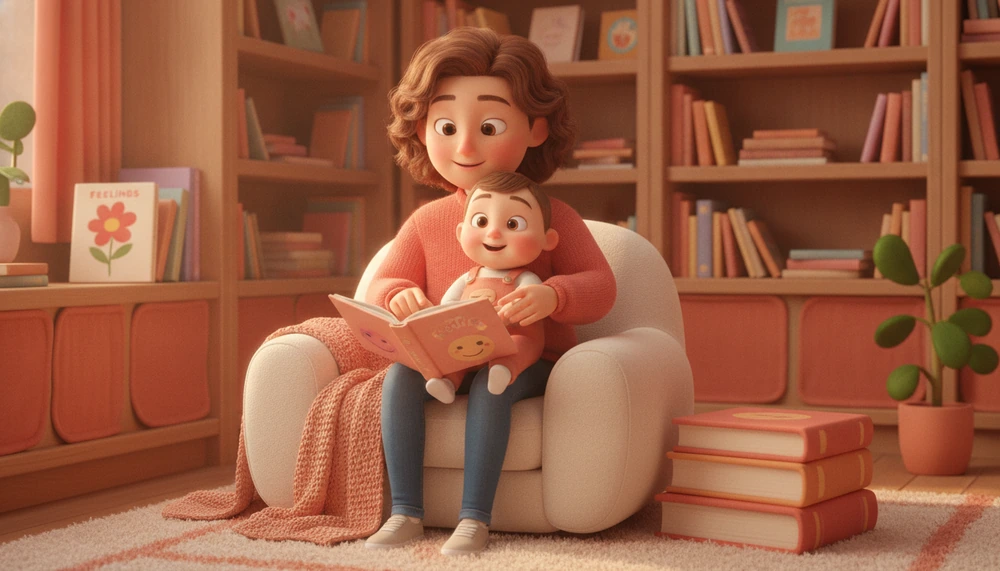
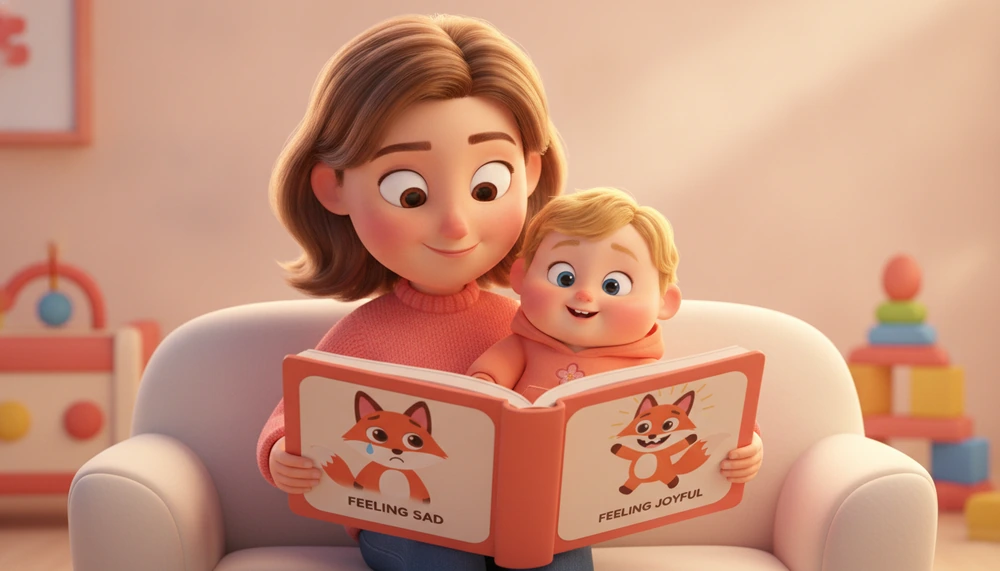
As toddlers grow, they begin to understand more complex emotions and how these feelings can change throughout the day. Parents can facilitate this by discussing emotions openly, using books and stories as tools to illustrate different feelings and scenarios.
Co-Regulation Techniques
Co-regulation involves the caregiver providing support to help the child manage their emotions. This can be through physical comfort, like a hug, or verbal reassurance. The goal is to model calm behavior so the child can learn to self-regulate over time.
In my practice, I've found that gentle guidance during emotional outbursts can teach toddlers effective self-soothing techniques. For example, teaching a toddler to take deep breaths when they are upset can be a powerful tool for calming down.
Practical Co-Regulation Strategies
- Deep Breathing: Practice deep breathing together during calm moments so it becomes a familiar tool.
- Predictable Routines: Establishing consistent daily routines can help toddlers feel secure and reduce emotional volatility.
Social Skills and Interactions
Parallel Play and Sharing
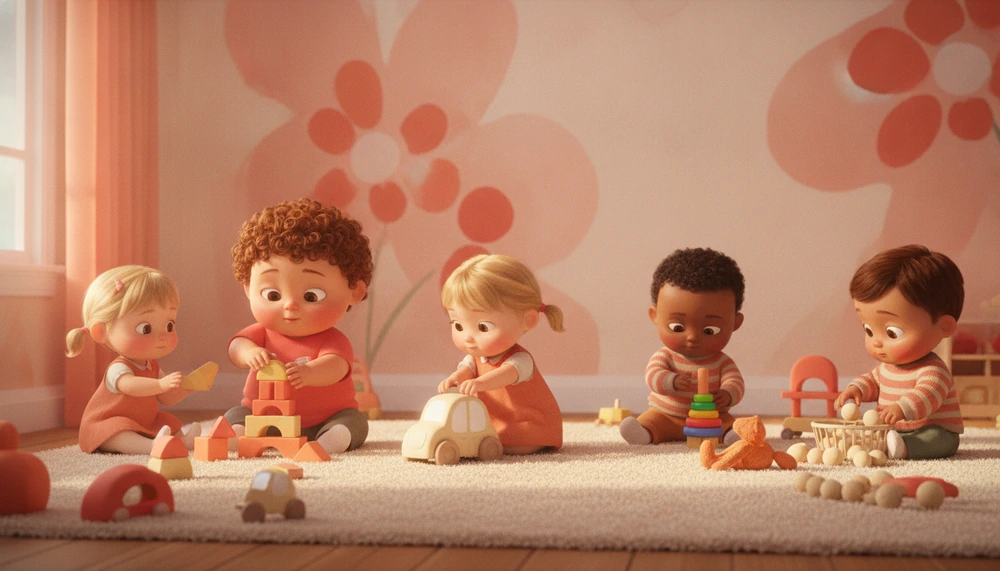
During the toddler years, children engage in parallel play, where they play alongside but not directly with other children. This stage is crucial for developing social skills, such as turn-taking and sharing.
Encouraging Social Skills
- Model sharing: Demonstrate sharing with your toddler by taking turns during play.
- Use social stories: Sharing Toys with Friends Social Story can be a helpful tool in teaching these concepts.
Strengthening Peer Interactions
Parents can create opportunities for social engagement by organizing playdates or visits to the park. These settings offer toddlers the chance to practice social skills in a low-pressure environment.
Building Relationships
Toddlers begin forming relationships with peers through simple interactions. They might not yet play cooperatively, but these early interactions lay the groundwork for future friendships. Encouraging your toddler to greet other children, perhaps with a "friendly hello," is a simple way to start.
- Role-play greetings: Practice greeting scenarios with toys or during play to familiarize your child with friendly exchanges.
- Observe and Encourage: Notice when your child interacts positively and reinforce their behavior with praise.
Managing Toddler Tantrums
Understanding Tantrums
Tantrums are often a toddler's way of expressing frustration or unmet needs. They are a normal part of development and an opportunity to teach emotional regulation.
Effective Strategies
- Stay Calm: Your calm presence helps soothe your child.
- Acknowledge Emotions: Let your child know you understand their feelings.
- Redirect: Offer an alternative activity to shift their focus.
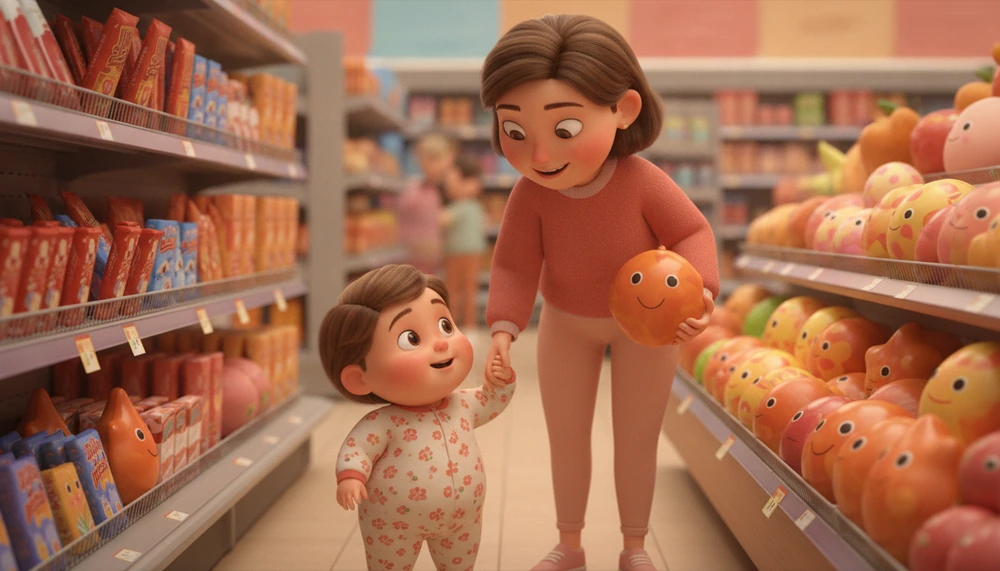
Case Example: Imagine you're at the supermarket and your toddler starts a meltdown over a candy bar.
"I see you're upset because you want the candy. We can have a sweet treat after dinner. Let's pick a fun fruit to bring home."
This approach validates their feelings while redirecting their attention to a positive alternative. More strategies can be found in Toddler Tantrums Are Developmental — Not Bad Behavior.
Advanced Tantrum Management
- Prepare for triggers: Identify common tantrum triggers and plan strategies in advance.
- Use a calm-down corner: Designate a safe space for your toddler to calm down when overwhelmed.
Encouraging Language and Emotional Expression
Building an Emotional Vocabulary
Naming feelings is a key part of emotional development. By age two, toddlers can learn to identify and express a variety of emotions. Teaching toddlers feelings involves consistent use of emotion words and modeling emotion expression.
- Use everyday moments: Point out emotions during daily activities, e.g., "You look excited to see Grandma!"
- Interactive play: Use dolls or stuffed animals to act out emotions and scenarios.
Example: Create a simple game where you and your toddler take turns making faces for different emotions and guessing them.
Role of Social Stories
Social stories are a great tool for helping toddlers understand emotions and social cues. Stories like Understanding Our Feelings with Katie - Printable Social Story provide relatable scenarios that teach and reinforce emotional skills.
Integrating Social Stories
- Daily Storytime: Incorporate social stories into your daily reading routine to reinforce emotional concepts.
- Discuss Scenarios: After reading, discuss the scenarios with your child to deepen their understanding.
Conclusion: Supporting Your Toddler's Emotional Growth
As your toddler navigates this stage of rapid emotional development, remember that each child is unique. What matters most is providing a supportive environment where your child feels safe to express emotions. Celebrate their small victories and be patient with setbacks. By focusing on self-awareness and co-regulation, you can help your child build a solid foundation for future social-emotional skills.
Final Thoughts
Embrace the journey of your toddler's emotional development with curiosity and compassion. Remember, the goal is not to eliminate tantrums or emotional outbursts but to guide your child in understanding and managing their emotions effectively. With patience and consistent support, toddlers can thrive and develop the emotional resilience needed for lifelong success.
References
1 CDC. (n.d.). Learn the Signs. Act Early. Retrieved from https://www.cdc.gov/ncbddd/actearly/milestones/index.html
2 Zero to Three. (n.d.). Early Development & Well-Being. Retrieved from https://www.zerotothree.org/
3 AAP. (2017). Bright Futures: Guidelines for Health Supervision (4th ed.).
4 Siegel, D., & Bryson, T. (2011). The Whole-Brain Child.
5 Erikson, E. (1950). Childhood and Society.
Try It This Month
Reading is the easy part. Skills build through small, repeated practice — here's a low-pressure plan you can try with your child.
- 1Model Emotions DailyDaily 5 minDemonstrate labeling and expressing your own emotions to teach your toddler by example.👉 What this looks likeDuring breakfast, if you're feeling tired, say, "I'm feeling a bit tired today. I think some coffee will help." This shows your toddler how to recognize and articulate emotions in real-time.
- 2Create a Calm-Down SpaceThis weekendDesignate a cozy corner for your toddler to retreat to when overwhelmed, with calming toys or books.use this story →👉 What this looks likeSet up a corner with soft cushions and a favorite blanket. Introduce it by saying, "This is your special calm-down space where you can go when you need a quiet moment."
- 3Practice Deep Breathing TogetherDaily 2 minTeach deep breathing as a calming tool by practicing it during calm moments.👉 What this looks likeSit with your toddler and say, "Let's take some big breaths together. Breathe in like you're smelling a flower, and out like you're blowing out a candle." Practice this once a day to build the habit.
- 4Organize a PlaydateOnce this monthArrange a playdate to encourage social interaction and practice sharing.👉 What this looks likeInvite a friend with a toddler over for an afternoon playdate. Start with a group activity like building blocks, and encourage turn-taking by saying, "It's your friend's turn to add a block now."
- 5Read Social Stories Together3 times a weekIncorporate social stories into your bedtime routine to discuss emotions and social cues.Understanding Our Feelings with Katie →👉 What this looks likeChoose a story like 'Understanding Our Feelings with Katie' and read it together. Afterward, ask, "How do you think Katie felt when she lost her toy?" This encourages empathy and discussion.
Frequently Asked Questions
How can I help my toddler express their emotions?
What are common emotional milestones for toddlers?
How should I handle toddler tantrums?
Why is parallel play important?
What role do social stories play in emotional development?
References
- CDC. (n.d.). Learn the Signs. Act Early. Retrieved from https://www.cdc.gov/ncbddd/actearly/milestones/index.html
- Zero to Three. (n.d.). Early Development & Well-Being. Retrieved from https://www.zerotothree.org/
- AAP. (2017). Bright Futures: Guidelines for Health Supervision (4th ed.).
- Siegel, D., & Bryson, T. (2011). The Whole-Brain Child.
- Erikson, E. (1950). Childhood and Society.