Understanding Anxiety in Tweens: A Social-Emotional Learning Approach
Why Anxiety Often Returns or Ramps at 8-10
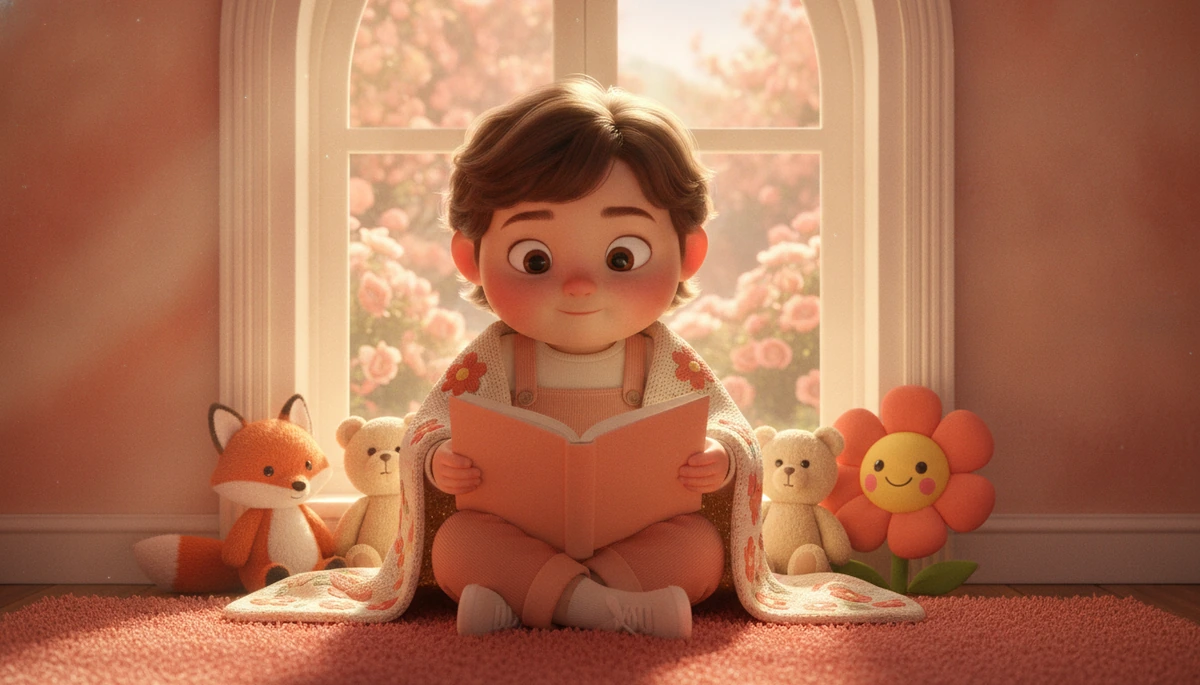
As children transition into the tween years, many parents notice a resurgence or increase in anxiety. This phase, often beginning around ages 8 to 10, marks a significant developmental shift. Unlike earlier stages, children in this age group start to engage more deeply with abstract thoughts and complex emotions. According to the AAP Bright Futures guidelines, this is when children begin to understand concepts like future consequences and social evaluation 2.
Social-Emotional Learning (SEL) becomes crucial during this time, as it helps children develop essential skills like self-awareness and responsible decision-making. SEL frameworks, such as those outlined by CASEL, provide tools for children to navigate their emotions and relationships effectively 3.
This article is part of our complete guide to Late Elementary SEL (Ages 8-11): The Tween Runway. Understanding these changes can help parents support their children through this transformative phase.
New Worries: Future, Death, Body Changes, Peer Status
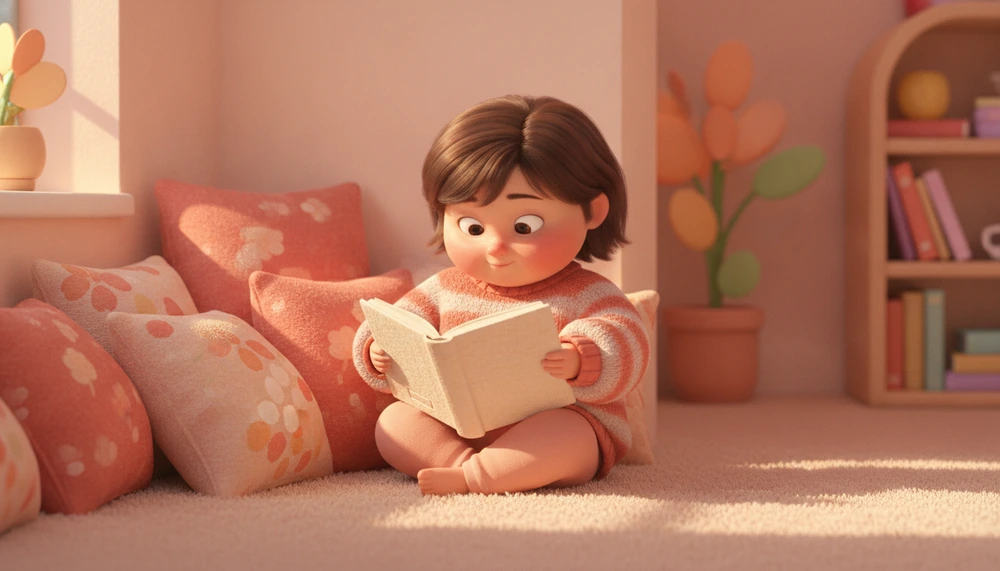
With increased cognitive abilities, tweens begin to worry about more abstract issues. Common concerns include:
- Future anxiety: Thoughts about what lies ahead, academic pressures, or family changes.
- Death and existential worries: Understanding mortality can lead to existential questions and fears.
- Body changes: As puberty begins, children might feel anxious about body image and physical development.
- Peer status: Friendships and social standing become increasingly important, often leading to social anxiety.
Example: Navigating Body Changes
Imagine a child named Alex who suddenly feels self-conscious about a growth spurt. Alex may refuse to attend swimming classes, fearing judgment from peers. As a parent, acknowledging these feelings and discussing body changes can help Alex feel understood and less anxious.
In my practice, I've observed that when parents are open and proactive about discussing body changes, children feel more supported and less isolated. This openness encourages children to express their concerns, knowing they have a safe space to do so.
Why 'Just Don't Worry' Fails at This Age
Telling a tween to "just don't worry" is rarely effective. At this age, children possess advanced reasoning skills. They require more than simple reassurances; they need to understand and process their emotions. Cognitive reasoning allows them to explore "what if" scenarios, making it crucial to engage in meaningful conversations rather than dismissive comments.
SEL principles suggest that children benefit from learning how to articulate their feelings and explore solutions. By validating their emotions, parents can guide them towards healthier coping strategies.
In My Practice
In my practice, I've seen many parents who are surprised by the depth of their child's anxieties at this age. One family I worked with found success by dedicating a weekly "worry time" where the child could voice concerns without judgment. This structured approach helped the child feel safe to express fears.
Concrete Example: During these sessions, the child would say, "I'm worried about my science project." The parent would respond, "Let's talk about what's worrying you. Do you think breaking it into smaller steps could help?" This dialogue not only validates the child's feelings but also introduces problem-solving techniques.
Validating + Cognitive Techniques
Validation is key to helping tweens manage anxiety. By acknowledging their feelings and providing a safe space for expression, parents can foster emotional security. Cognitive techniques, such as reframing negative thoughts, can also be beneficial.
- Validation: Reflecting back what your child says to show understanding.
- Cognitive restructuring: Helping them reframe negative thoughts into more positive or realistic ones.
Scripted Dialogue
Instead of saying, "You'll be fine," try:
- Child: "I'm scared about the test tomorrow."
- Parent: "I hear you're worried about the test. Tests can be scary. Let's talk about what we can do to feel more prepared."
This approach not only acknowledges the child's anxiety but also empowers them to take control of their situation through actionable strategies.
Body-Based Anxiety Techniques (Still Work)
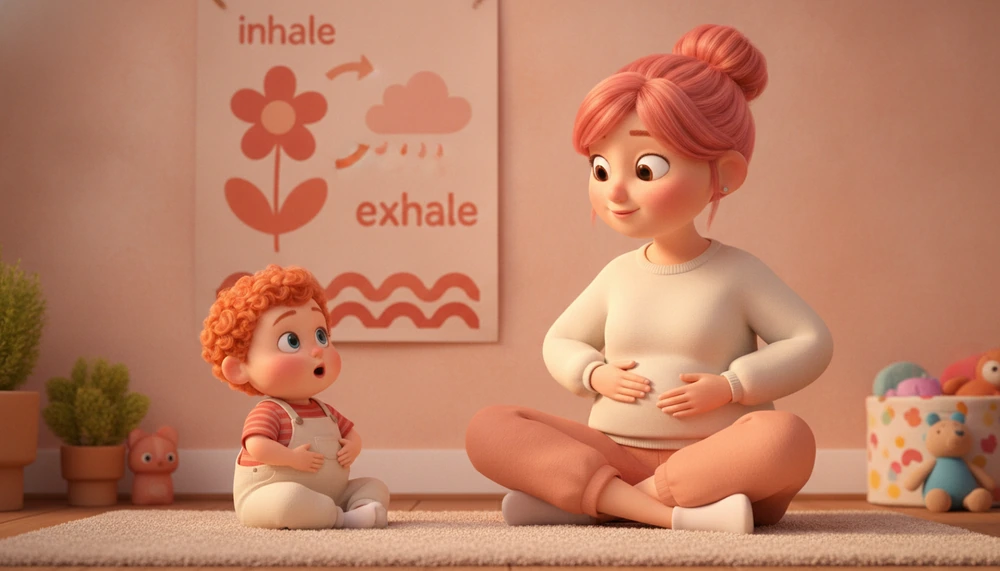
Physical activities and mindfulness exercises remain effective for this age group. Techniques such as deep breathing, progressive muscle relaxation, and yoga can help tweens manage anxiety physically.
- Deep breathing: Encourages relaxation by focusing on slow, deep breaths.
- Progressive muscle relaxation: Involves tensing and relaxing muscle groups to release tension.
- Yoga: Combines movement and mindfulness to promote calmness.
Example: Deep Breathing at Home
Create a calming corner in your home where your child can practice deep breathing. Equip it with cozy pillows and a simple breathing exercise guide. Encourage your child to spend a few minutes there when feeling anxious.
In my practice, I've seen the benefits of physical anxiety techniques firsthand. One child I worked with used a "breathing buddy" — a small stuffed animal they placed on their stomach to watch rise and fall with each breath. This visual aid helped them focus and calm down, reinforcing the practice through a tangible experience.
Friendship Anxiety Specifically
At this stage, peer relationships are pivotal. Many tweens experience anxiety related to friendships, including fear of exclusion or bullying. Addressing these concerns involves open communication and helping children navigate social dynamics.
- Open dialogue: Encourage your child to talk about their feelings regarding friendships.
- Role-playing: Practice scenarios to build confidence in social situations.
Real-Life Script
During a playdate conflict, guide your child by suggesting:
- "It seems like you're feeling left out. Let's think of ways to join the group, or maybe talk to your friend about how you feel."
For more on managing friendship dynamics, see Friend Group Dynamics: Cliques, Rejection, and Recovery (Ages 8-11).
In my practice, I've found that role-playing can be particularly effective. For instance, simulating a scenario where a child practices saying, "I don't like it when you exclude me, can we play together?" can empower them to assert themselves in real situations.
When to Involve a Therapist
Sometimes, additional support is needed. If anxiety interferes significantly with daily life, or if your child expresses persistent distress, consulting a therapist can be beneficial. They can offer specialized strategies and support tailored to your child's needs.
As a parent, trust your instincts. If you're concerned, consider reaching out to a professional for guidance. SEL strategies are a great first step, but professional help can provide deeper insights and interventions when necessary.
References
1 Wilson, R. (2013). Anxious Kids, Anxious Parents.
2 AAP Bright Futures: Guidelines for Health Supervision (4th ed.).
Try It This Week
Reading is the easy part. Skills build through small, repeated practice — here's a low-pressure plan you can try with your child.
- 1Set Up a Calming CornerDay 1Create a dedicated space for your child to relax and practice calming techniques. This area should be free of distractions.calming corner setup →👉 What this looks likeChoose a quiet corner in the house and add soft pillows, a blanket, and a few favorite books or toys. Introduce the space to your child by saying, 'This is your calm corner. You can come here whenever you feel overwhelmed.' Spend 5-10 minutes with your child here, modeling a calming activity like deep breathing or reading a book together.
- 2Practice Deep Breathing TogetherDaily, 5 minSpend a few minutes each day practicing deep breathing exercises with your child to promote relaxation.👉 What this looks likeAfter school, sit with your child and say, 'Let's do some deep breathing together. Put your hand on your stomach and feel it rise as you breathe in.' Practice this for a few minutes, encouraging them to focus on their breath.
- 3Discuss Future WorriesDay 3Have a conversation about your child's worries regarding the future. Use this time to validate their feelings and explore solutions.future planning tips →👉 What this looks likeDuring dinner, ask, 'Is there anything about the future that's been on your mind?' Listen actively and respond with, 'It's okay to feel worried about that. Let's think about steps we can take together to feel more prepared.'
- 4Role-Play Social ScenariosThis weekendPractice common social situations with your child to build confidence and reduce friendship anxiety.social skills for kids →👉 What this looks likeSet up a scenario where your child can practice introducing themselves to a new friend. Say, 'Pretend I'm a new student. How would you introduce yourself?' Help them refine their approach and discuss what went well and what could be improved.
- 5Create a Weekly Worry TimeOnce a weekSet aside a specific time each week for your child to express their worries in a safe, structured environment.structured worry time guide →👉 What this looks likeTell your child, 'Every Thursday after dinner is our worry time. You can tell me anything that's on your mind, and we'll think of ways to handle it together.' During this time, listen without judgment and offer supportive suggestions.
Frequently Asked Questions
What are common signs of anxiety in tweens?
How can I help my child with anxiety?
When should I seek professional help for my child's anxiety?
What are effective SEL strategies for anxiety?
Can physical activity help reduce anxiety in tweens?
References