Understanding Tween Identity Formation: A Guide for Parents
Erikson's Identity Formation Stage
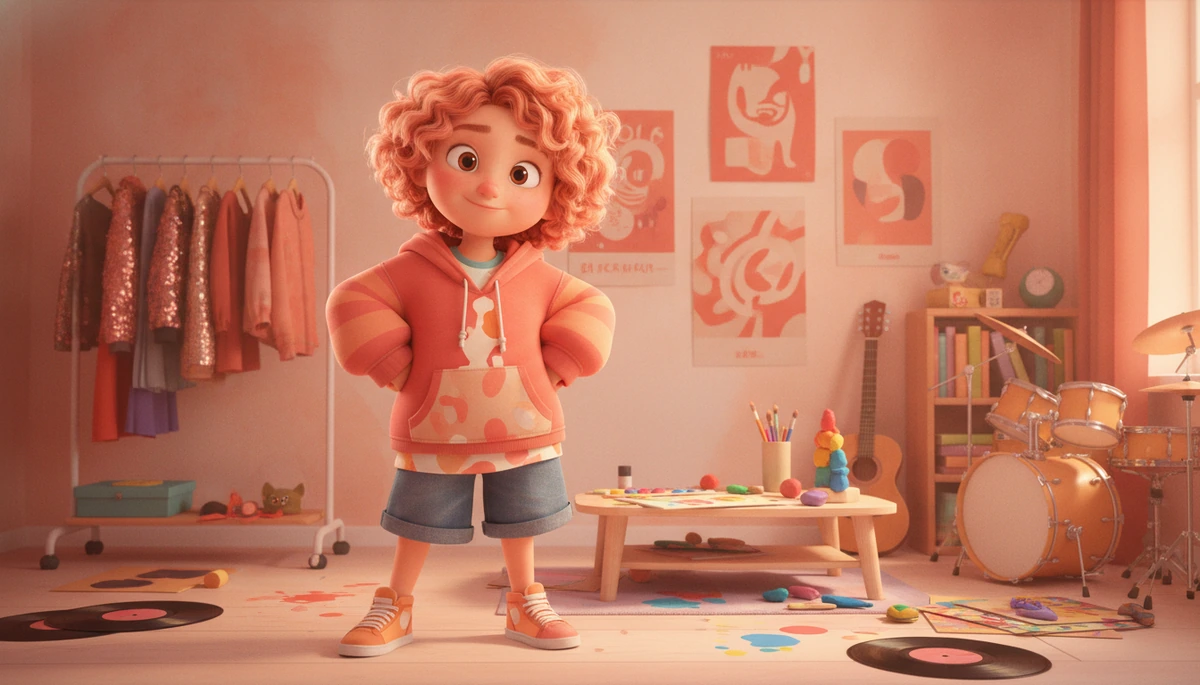
In the journey of human development, Erik Erikson's psychosocial stages provide a framework to understand identity formation. During the tween years, ages 11-13, children are in the midst of Erikson's identity vs. role confusion stage 1. This stage involves a deep exploration of personal identity, where tweens begin to ask themselves, "Who am I?" and "What do I stand for?" They are not merely testing the waters of different personas but are actively engaging in self-discovery.
This period is crucial because it lays the groundwork for future self-awareness and self-management skills. Tweens are figuring out where they fit in the world and how they relate to others — key components of social-emotional learning (SEL). Erikson's theory emphasizes the importance of a supportive environment where tweens feel safe to explore and test these identities. In my practice, I've seen that when parents provide this supportive atmosphere, tweens develop a more robust sense of self and are better equipped to navigate challenges in later stages of life.
Why Hair, Clothes, and Music Become Identity (Not Vanity)
For tweens, choices about hair, clothes, and music often become expressions of their developing identity. This is not about vanity; rather, these choices are tangible ways for tweens to experiment with who they are.
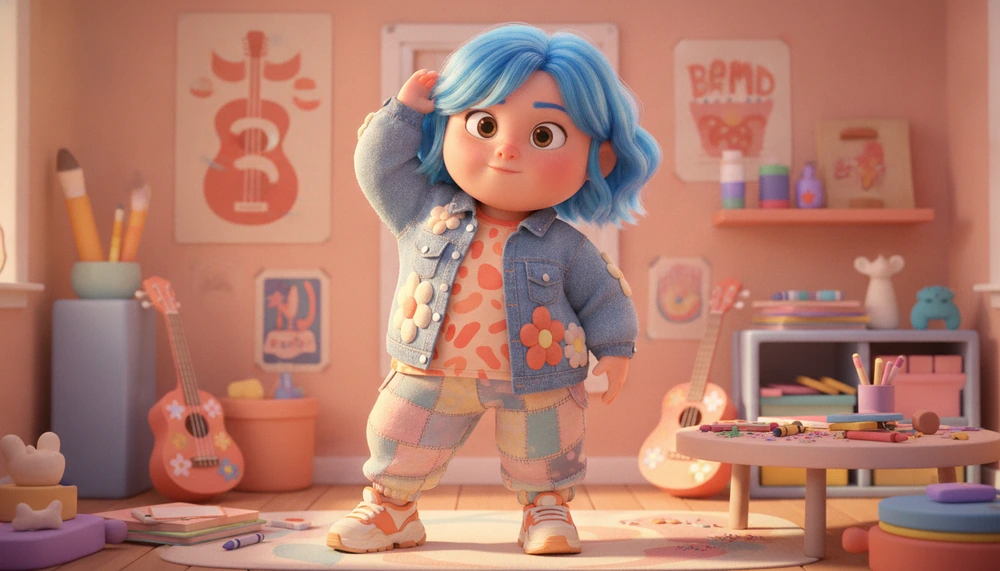
Imagine a 12-year-old who decides to dye her hair blue. For her, this might signify a break from her previous identity or a declaration of independence. In my practice, I've seen many tweens use fashion and music as tools to communicate their evolving selves. It's essential for parents to understand these choices as part of a broader identity exploration, rather than dismiss them as superficial.
- Listen and Observe: Pay attention to the changes your tween is making and what they might be expressing through them.
- Engage in Conversation: Ask open-ended questions like, "What do you like about this style?" to understand their perspective.
- Provide Space: Allow them the freedom to explore these changes safely.
Letting Them Try on Identities (Without Panic)
The tween years are a time for safe exploration. Allowing your child to try on different identities can be challenging, especially if their choices are unfamiliar or uncomfortable for you. However, it's crucial to support their journey without panic.
Understanding that identity exploration is normal and temporary can help parents stay calm and supportive. This period allows tweens to experiment with different roles and attitudes without the pressure of making permanent decisions. It's a rehearsal for future identity commitments.
Scripted Dialogue Example
Instead of saying, "Why are you dressing like that?", you might try:
- "I see you've chosen a new style of clothing. Can you share what's inspiring you?"
This approach shows interest and acceptance, encouraging your tween to share their thoughts without fear of judgment.
When Identity Exploration is Concerning vs Normal
While identity exploration is typical, there are times when it might raise concerns. It's important to distinguish between healthy exploration and behaviors that signal deeper issues.
- Frequent changes in style or interests
- Experimenting with new hobbies
- Varied social circles
- Sudden withdrawal from activities or friends
- Extreme changes in mood or behavior
- Expressions of self-harm or persistent sadness
If any concerning signs appear, talk to your pediatrician or consult an SLP/OT to discuss your observations. In my practice, I often encourage parents to trust their instincts while balancing them with the guidance of professionals. This helps ensure that their child's exploration remains a healthy part of development.
Faith, Values, and Culture Conversations
Conversations about faith, values, and culture are integral during the tween years. These discussions help tweens align their internal identity with external expectations and beliefs. Encouraging open dialogues about your family's values and how they relate to the world can ground tweens in a sense of belonging and purpose.
In my practice, I've found that parents who regularly discuss these topics help their children form a grounded sense of self. When tweens feel connected to their cultural or familial roots, they develop resilience and a clearer understanding of their identity within a broader context.
The Role of Online Identity (Carefully)
Today's tweens often explore their identities online. Social media can be a platform for self-expression, but it also requires careful navigation.
- Monitor Gently: Keep an eye on your tween's online interactions without being intrusive.
- Discuss Privacy: Teach them about privacy settings and the importance of maintaining boundaries online.
- Encourage Critical Thinking: Discuss the differences between online and offline identities and how to manage these perceptions.
For more insights on managing online identity, check out our Online and Social Media SEL: A Tween Parent's Guide (Ages 11-13).
Maintaining Connection Through Change
Maintaining a connection with your tween during their identity exploration is crucial. This connection provides the security they need to explore safely. Building routines that include shared activities can help maintain this bond.
Real-Life Script for Maintaining Connection
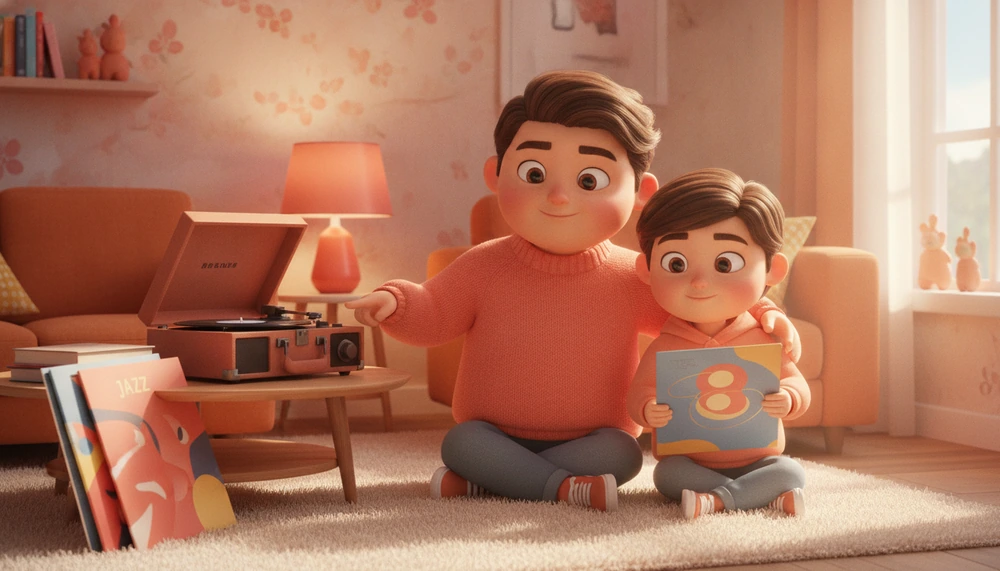
Imagine your child is experimenting with a new musical interest. Instead of dismissing it, say:
- "I noticed you've been listening to a lot of jazz lately. What do you like about it? Can we listen together sometime?"
This approach reinforces your interest in their world, strengthening your relationship. In my practice, I've seen that such shared experiences not only enhance understanding but also help tweens feel valued and respected.
References
1 Erikson, E. (1950). Childhood and Society. https://en.wikipedia.org/wiki/Erik_Erikson
2 Steinberg, L. (2014). Age of Opportunity: Lessons from the New Science of Adolescence. https://www.amazon.com/Age-Opportunity-Lessons-Science-Adolescence/dp/0544279778
Try It This Week
Reading is the easy part. Skills build through small, repeated practice — here's a low-pressure plan you can try with your child.
- 1Observe and CommentDay 1Notice your tween's new choices and comment positively to encourage dialogue. This shows interest without judgment.👉 What this looks likeAs your tween walks in with a new hairstyle, say, 'Wow, that's a bold choice! What made you pick this style?' This can open up a conversation about their current interests and identity exploration.
- 2Engage in Open-Ended ConversationsDay 2-3Ask questions that promote self-expression and understanding of your tween's identity journey.👉 What this looks likeDuring dinner, ask, 'What’s something new you've tried recently that you enjoyed?' This encourages them to share experiences and thoughts about their identity exploration.
- 3Set Up a Music DateThis weekendShare a music session to connect over their interests. It fosters bonding and understanding.in the SocialBlossom app →👉 What this looks likePlan a Saturday afternoon where you both listen to each other's favorite songs. Ask, 'What about this song resonates with you?' and share your thoughts. This can lead to deeper insights into their evolving identity.
- 4Discuss Online SafetyOnce this weekTalk about online privacy and the importance of boundaries. This helps them navigate online identity safely.Online and Social Media SEL guide →👉 What this looks likeSit with your tween and go through their social media privacy settings together. Say, 'Let’s make sure you’re only sharing what you’re comfortable with.' This reinforces responsible online behavior.
- 5Explore Values Through StoriesDaily 5 minUse stories to discuss family values and cultural identity. It strengthens their sense of belonging.use this story →👉 What this looks likeRead a story about a cultural hero or a family tradition. Ask, 'How do you think this fits with our family values?' This encourages reflection on their place within their cultural framework.
Frequently Asked Questions
How can I help my tween with identity exploration?
What if my tween's identity exploration seems concerning?
Why do tweens change their style so often?
How can I talk to my tween about online identity?
What role do family values play in tween identity formation?
References