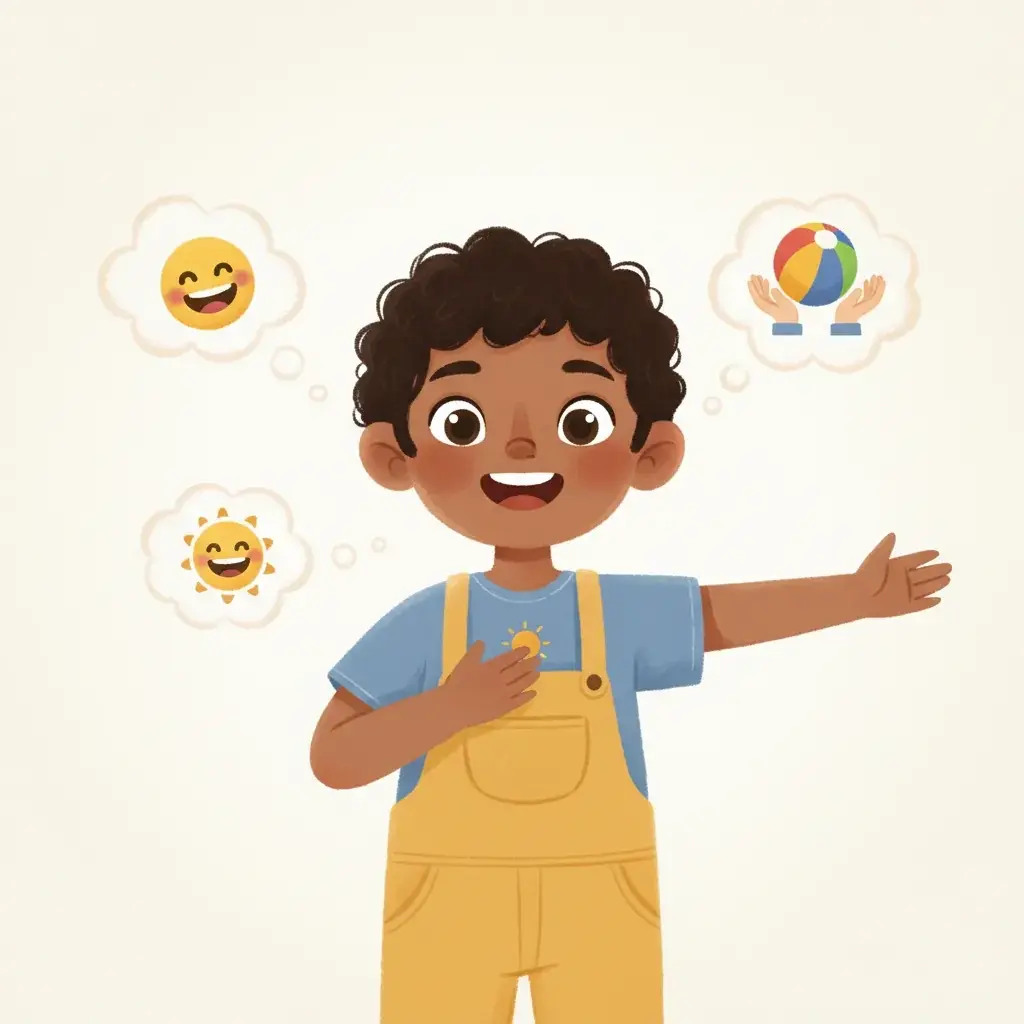
Chiru Learns About Feelings - Printable Social Story

Join Chiru on a journey to explore feelings! This printable social story helps children understand and express their emotions in a fun and engaging way.
Story Preview
Chiru Learns About Feelings
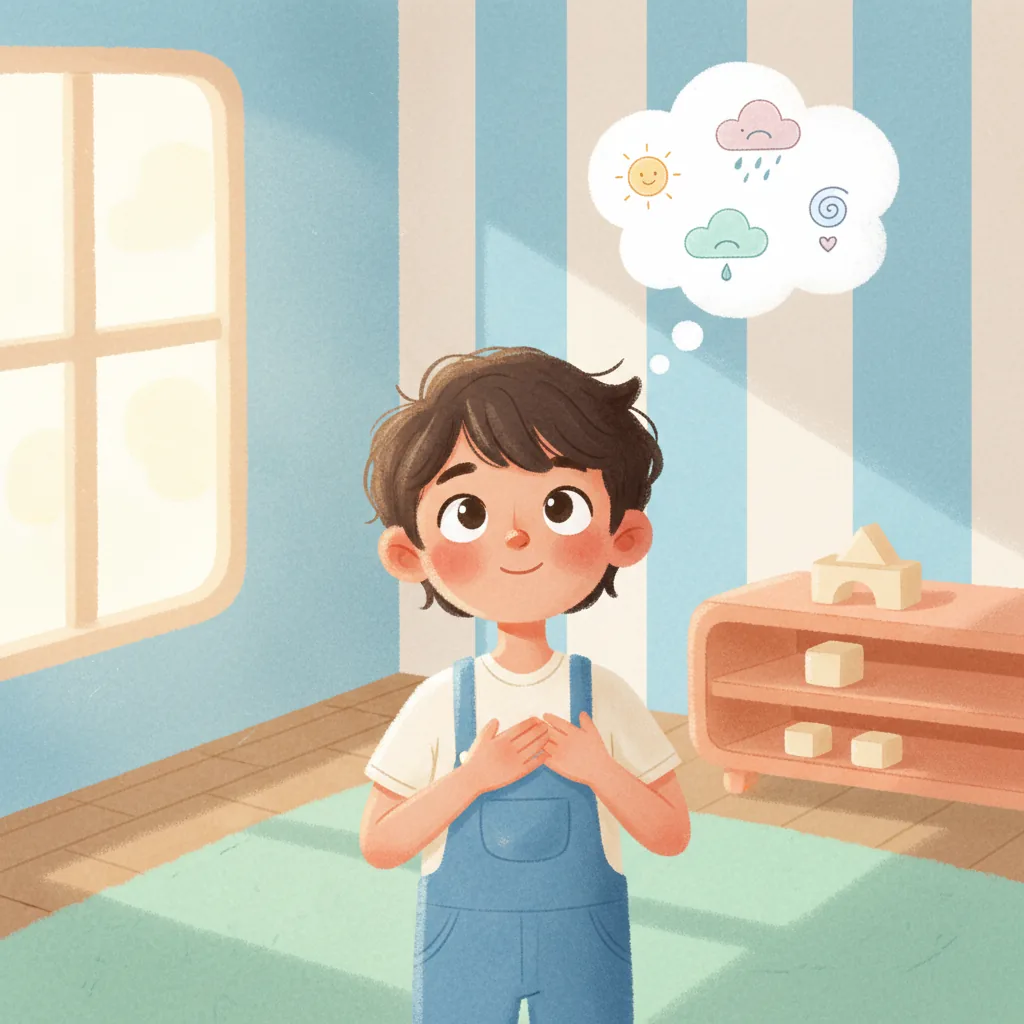
My name is Chiru. Sometimes, I feel different things inside me. Today, I will learn about feelings.
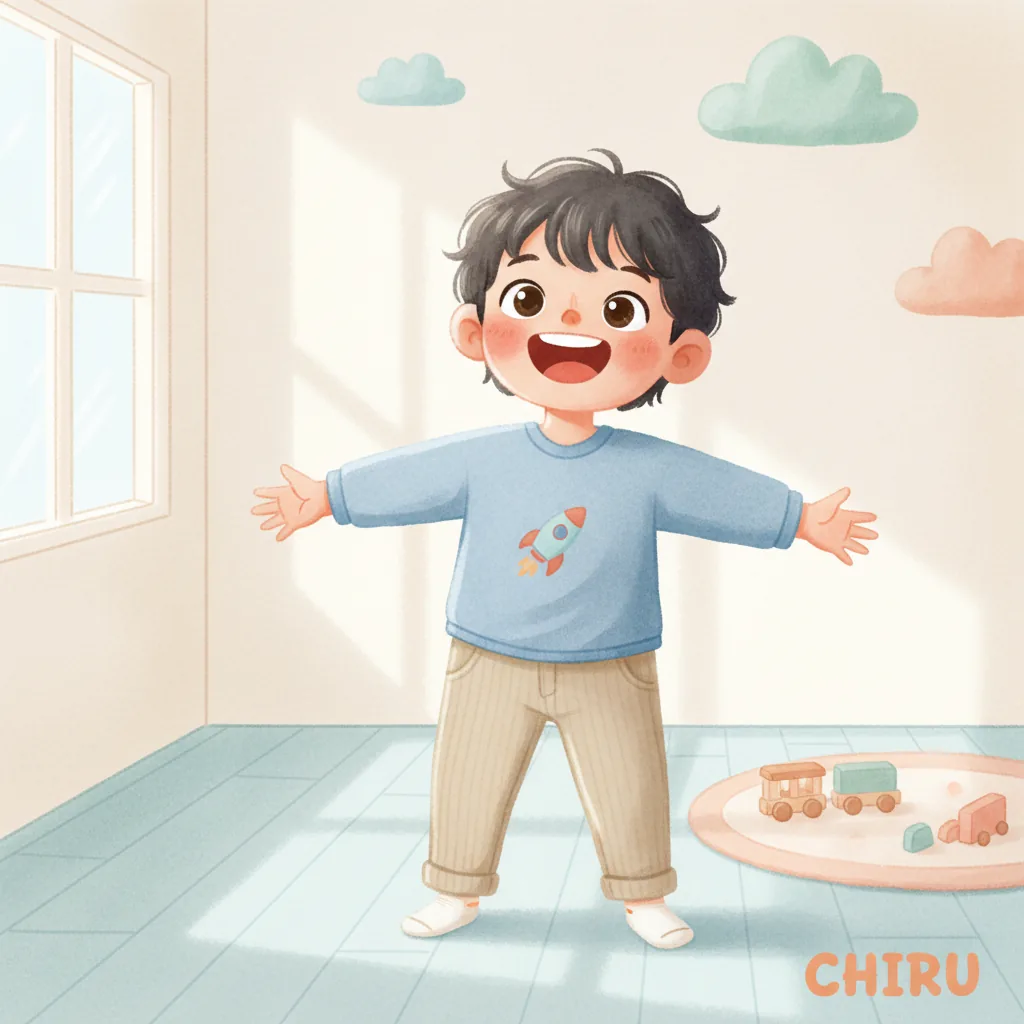
When I am happy, my face smiles. I feel like I want to laugh and play. Happy is a nice feeling.
Purchase to access all pages
Who Is This For?
What's Inside
This social story includes engaging scenarios that help children learn about various feelings and how to express them.
About This Story
Join Chiru as he discovers the world of feelings! This printable social story is designed to help children recognize and express their emotions. Through relatable scenarios, kids will learn to identify feelings like happiness and sadness, fostering emotional awareness.
Key Features:
- Engaging illustrations
- Simple, relatable sentences
- Encourages emotional expression
This resource supports learning. It does not replace professional advice.
How to Use This Story
When to use this story
"Chiru Learns About Feelings" is an excellent resource for early elementary children, particularly those aged 6 to 8 years. This social story can be used in various settings, including at home, in classrooms, or during therapy sessions. It's especially beneficial when children are learning to navigate their emotions, whether it’s during transitions, changes in routine, or social interactions with peers. By introducing Chiru's journey, you can create a supportive environment where children feel empowered to express their feelings.
What's inside
This printable social story invites children to join Chiru as he embarks on a meaningful journey to explore different emotions. The narrative starts with Chiru introducing himself and sharing how he sometimes feels different things inside. Each emotion is depicted in a relatable manner:
- Happy: Chiru expresses joy through laughter and play, highlighting the warmth associated with this feeling.
- Sad: He acknowledges sadness, describing how seeking comfort from others can be helpful.
- Angry: Chiru learns about anger and how deep breathing can help him find calm.
- Scared: He bravely shares his feelings of fear and emphasizes the importance of reaching out for support.
- Emotional Variety: Chiru concludes that it's normal to experience a range of feelings throughout the day, comparing them to clouds that come and go.
In addition to the narrative, the story includes various activities designed to enhance understanding and expression of emotions, including vocabulary exercises, spelling, comprehension questions, and creative role-play scenarios. These activities encourage children to reflect on their feelings and practice expressing them in a safe and supportive way.
What kids learn
Through Chiru's experience, children learn essential skills related to emotional regulation and self-control. They will:
- Recognize and identify different emotions, including happiness, sadness, anger, and fear.
- Understand that it’s okay to feel a variety of emotions and that these feelings can change throughout the day.
- Develop coping strategies, such as taking deep breaths when feeling angry or seeking comfort from trusted adults when scared.
- Build empathy towards themselves and others by learning that everyone experiences emotions.
Research context
The tradition of using social stories to teach emotional understanding has been widely recognized for its effectiveness. Pioneered by Carol Gray, social stories help children comprehend social situations and emotions through relatable narratives. The principles of narrative-based social-emotional learning (SEL) emphasize the importance of storytelling in fostering emotional intelligence and self-awareness. This approach supports children in developing their emotional vocabulary and coping strategies in a manner that resonates with their everyday experiences.
Tips for parents and educators
- Read the story together with your child or student, encouraging them to share their thoughts on each emotion.
- Use the activities included in the story to reinforce learning and engage children in discussions about their feelings.
- Create a feelings chart at home or in the classroom, allowing children to express their emotions throughout the day.
- Model emotional expression by sharing your own feelings and coping strategies, fostering an open dialogue about emotions.
- Encourage role-playing scenarios based on the story to practice navigating different emotional situations.
- Remind children that all feelings are valid and that it’s okay to seek help when needed.
How This Story Lands — Clinical Review & Perspectives
One named clinical review from our co-founder Rajini, plus three composite perspectives summarising how this story tends to land in a classroom, at home, and in therapy. How we write these.

A Heartwarming Journey with Chiru
As a speech-language pathologist, I find 'Chiru Learns About Feelings' exceptionally valuable for children on my caseload. The age-appropriate language invites dialogue about emotions, which is crucial for developing expressive skills. I often read this story with my younger clients, encouraging them to share their feelings after each section. Listening for their use of emotional vocabulary and their ability to connect personal experiences to Chiru’s journey is rewarding. This story not only teaches about feelings but also fosters communication and connection.
Supports Sensory Regulation and Emotional Awareness
OTs often pair 'Chiru Learns About Feelings' with activities focused on emotional regulation. In sensory-regulation work, this story can be used to help children identify their feelings and develop coping strategies. Its simple language and relatable content make it easy for children to connect with. This story provides a platform for OTs to engage children in discussions about managing their emotions, paving the way for practical applications in daily life, such as using deep breaths when feeling angry or scared.
Composite perspective synthesised from common feedback patterns — read how.
Sparking Meaningful Conversations at Home
Parents reading 'Chiru Learns About Feelings' with their child often notice how it sparks meaningful conversations about emotions. The relatable scenarios help children articulate their feelings, whether they're feeling happy or sad. Many parents appreciate how the story normalizes different emotions, leading to discussions about their child's own experiences. This story not only entertains but also provides a framework for parents to guide their children in understanding and expressing their feelings effectively.
Composite perspective synthesised from common feedback patterns — read how.
Great Resource for Inclusive Classrooms
In an inclusive classroom, 'Chiru Learns About Feelings' works well because it provides a clear and engaging narrative about emotions. Educators using small-group settings will find that the repetition of feelings helps reinforce understanding. Visual supports can be paired with the story to deepen comprehension, allowing students to point to images representing different emotions. This approach not only aids in emotional literacy but also encourages peer discussions, promoting a supportive learning environment.
Composite perspective synthesised from common feedback patterns — read how.
Frequently Asked Questions
How does 'Chiru Learns About Feelings' help my child understand emotions?
'Chiru Learns About Feelings' uses relatable scenarios and engaging illustrations to guide children through different emotions. The story encourages kids to identify and express their feelings, making it easier for them to communicate what they are experiencing. Activities like role play and open-ended questions also help reinforce these concepts in a fun way.
How can this story help my child?
It helps children understand and express their emotions better.
What age is this story suitable for?
This story is suitable for preschool-aged children.
You May Also Like



Read More
Creating an Inclusive SEL Classroom for Neurodivergent Students
To create an inclusive SEL classroom for neurodivergent students, incorporate anti-masking practices, adapt curricula, and engage culturally responsive methods. Parents can advocate for these changes
Read article →Push-In vs Pull-Out Services: Navigating the Best Approach for Your Child
Push-in and pull-out services are two key approaches in special education. Push-in involves therapists working within the classroom, promoting social skills and reducing stigma. Pull-out offers focuse
Read article →Understanding SEL in Schools: A Parent's Guide to Social Emotional Learning
Social Emotional Learning (SEL) enhances children's emotional and social skills. Programs like Second Step and Sanford Harmony integrate SEL into classrooms. Parents can support SEL by engaging with e
Read article →
This resource supports learning. It does not replace professional advice.