Supporting Authentic Social Connections for Autistic Children
Understanding Masking and Its Impact
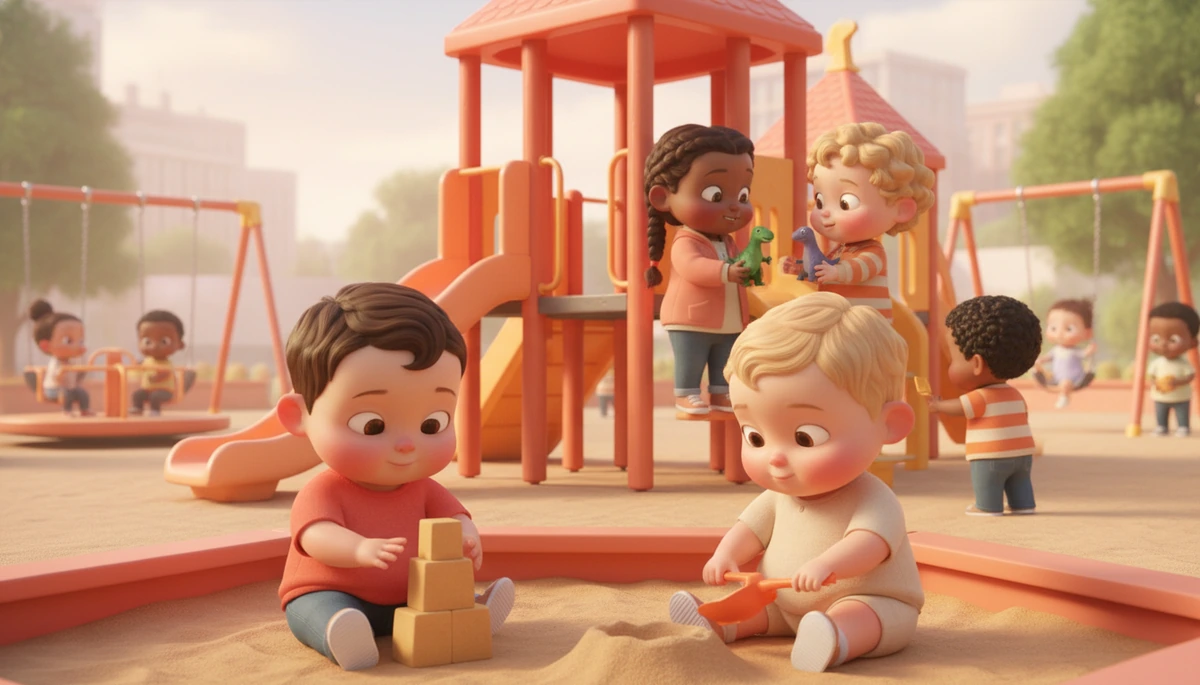
Autistic children often face the pressure to "mask" their true selves in social situations. Masking refers to the practice of hiding one's natural behaviors to fit in with neurotypical peers. While it might seem like a way to help autistic kids make friends, masking can lead to significant emotional and psychological costs. It can cause stress, anxiety, and even burnout as children expend tremendous energy trying to appear "normal" 1.
In my practice, I've seen many parents worry about their child fitting in. However, encouraging authentic interactions rather than masking can lead to more fulfilling and genuine friendships. Supporting autistic kids in expressing themselves authentically is crucial for their well-being. This approach not only enhances their self-awareness and self-management but also fosters genuine relationships that are rooted in their true selves.
Encouraging authenticity over conformity helps build a child’s confidence. When children feel accepted for who they truly are, they develop a stronger sense of self, which is vital for emotional health. Parents can play a pivotal role by reinforcing their child's natural interests and behaviors, celebrating their unique ways of interacting with the world.
Friendship Beyond Neurotypical Norms
Friendship doesn't have to conform to neurotypical standards. Autistic children often form connections in ways that are deeply meaningful to them, even if they look different from typical friendships. It's important to recognize that these friendships are valid and valuable.
A Different Kind of Bond
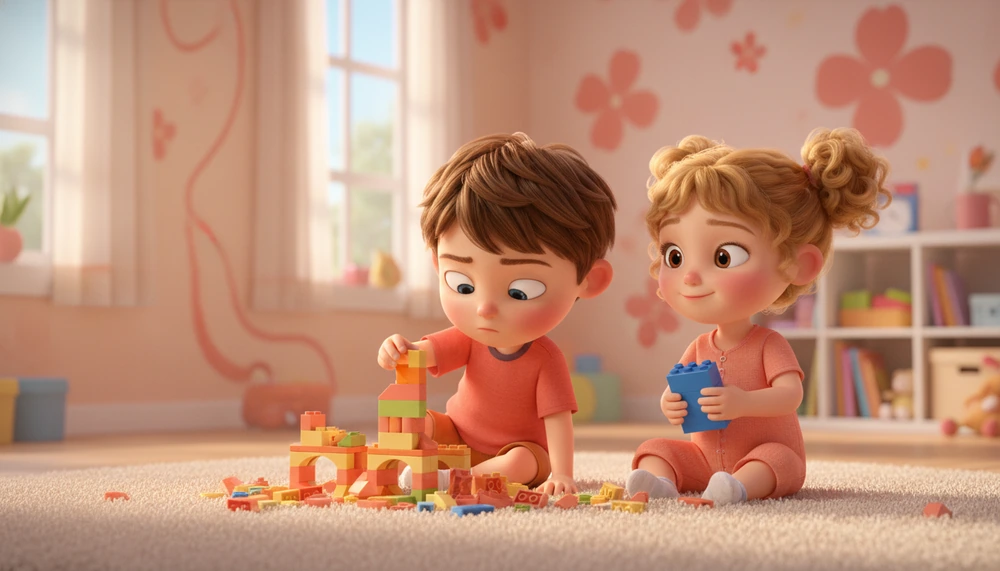
Imagine a scenario: Maya, an autistic eight-year-old, loves building with LEGO. She meets Sam, who shares this interest. They may not talk much while constructing their creations, but their shared enthusiasm builds a strong bond. This type of connection is authentic and significant.
Parents can encourage friendships by facilitating environments where shared interests are explored. Special-interest-based friendships often flourish when children are allowed to engage in activities they love together. This approach also enhances social awareness and relationship skills by valuing diverse ways of connecting.
In my experience, children who are encouraged to pursue their interests tend to form deeper, more meaningful friendships. These bonds, though different, can be just as rewarding and long-lasting as those formed through typical interactions.
Parallel Play: A Form of Real Connection
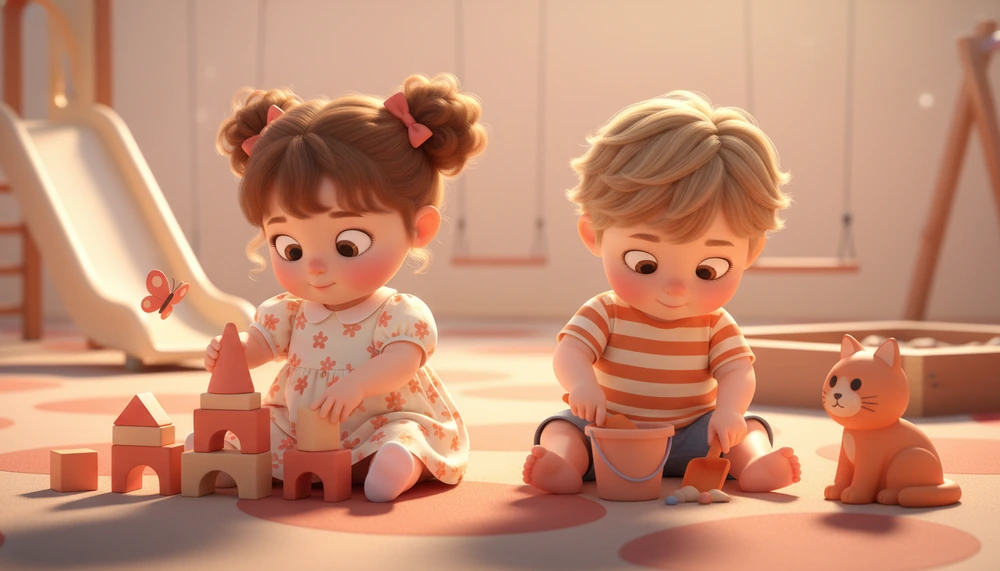
Parallel play is a style where children play alongside each other without direct interaction. While often associated with toddlers, this form of play remains a valid connection style for autistic kids throughout their lives.
Research shows that parallel play can be comforting for autistic children, allowing them to be near others without the pressure to interact verbally. This proximity can foster a sense of companionship and understanding. Parallel play supports social awareness by allowing children to observe and learn from their peers in a comfortable setting.
Supporting Parallel Play
Imagine a group of children at a playground. While some are playing tag, an autistic child, Jane, sits nearby, contentedly stacking blocks. Another child sits beside her, doing the same without speaking. This co-existence and mutual enjoyment are powerful forms of social interaction.
Parents can support these interactions by creating opportunities for parallel play and respecting their child's comfort level. Providing spaces where children can engage in parallel play not only supports their social development but also reinforces their ability to manage emotions in social settings.
Encouraging Special-Interest-Based Friendships
Autistic children often have intense interests or "special interests," which can serve as a foundation for friendships. These shared passions allow children to bond over something they are deeply enthusiastic about.
Building on Shared Interests
For example, Oliver has a keen interest in dinosaurs. When he meets another child who shares this fascination, they can spend hours discussing and learning together. This shared interest forms a basis for a strong friendship that might not involve conventional social cues but is deeply satisfying.
In my practice, I've observed that special-interest-based friendships provide a safe space for children to express themselves. These friendships can boost a child's confidence and help them develop important relationship skills.
Social stories like "Let's Play Together!" can be beneficial tools for illustrating these scenarios and encouraging positive interactions. By using stories that reflect their interests, children are more likely to engage and understand social dynamics.
ASD-Only or Neurodivergent-First Friendships
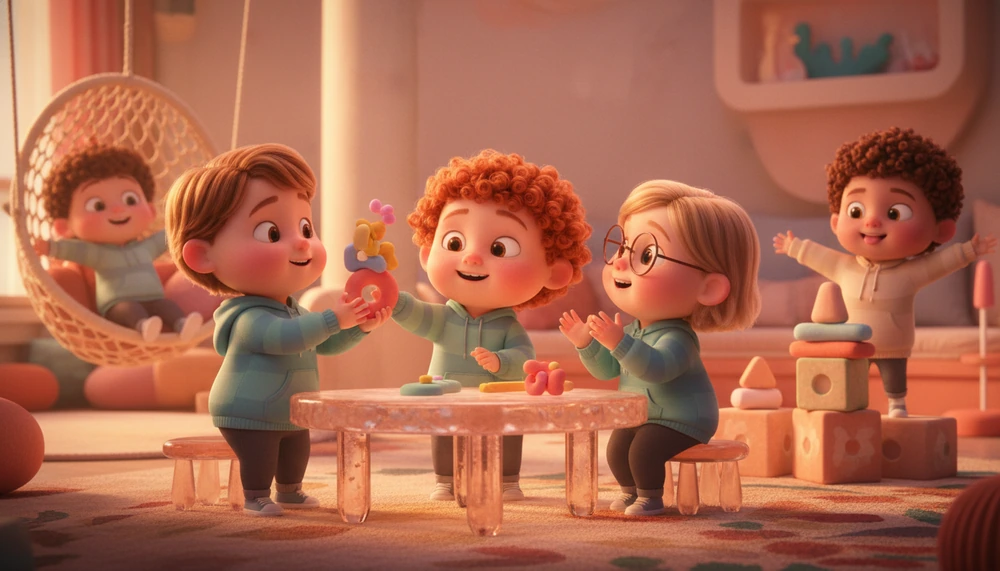
Sometimes, autistic children thrive best in environments where they can interact with others who share similar experiences and communication styles. ASD-only or neurodivergent-first friendships can reduce the pressure to conform to neurotypical norms and promote self-acceptance.
Creating Inclusive Spaces
In my practice, I've noticed that children often feel more at ease in groups where their neurodiversity is understood and celebrated. These spaces allow them to communicate and connect in ways that feel natural, fostering genuine friendships.
Parents might consider enrolling their children in groups or activities specifically designed for neurodivergent kids, where they can meet peers without the pressure to mask. These settings not only support social and emotional learning but also encourage responsible decision-making as children navigate friendships on their terms.
Consider the story of Ben, a ten-year-old who felt overwhelmed in mainstream settings but thrived when he joined a local club for neurodivergent children. There, he formed lasting friendships based on mutual understanding and shared experiences.
Addressing Ableism at the Playground
Ableism, or discrimination against disabled people, can be subtle but pervasive in social settings like playgrounds. It's important for parents to advocate for inclusivity and educate others.
Advocating for Inclusion
Suppose you're at the playground, and another parent comments negatively about your child's behavior. A gentle way to respond might be, "Every child plays differently, and that's okay. Let's celebrate that diversity."
Educating others about neurodiversity can help create a more accepting environment where all children, including autistic ones, can thrive. Advocating for your child in these situations not only supports their self-esteem but also helps dismantle stereotypes and misconceptions.
When to Seek Professional Support
While it's important to support your child at home, there are times when professional guidance can be beneficial. Consulting with a pediatrician or a specialist in social skills can provide additional strategies tailored to your child's needs.
Choosing the Right Support
Consider reaching out to professionals who specialize in autism and social-emotional learning (SEL). They can offer insights and resources to help your child build meaningful friendships without the need to mask.
For more on integrating SEL into your child's life, see our complete guide to friendship and social skills.
References
1 Pearson, A. & Rose, K. (2021). A conceptual analysis of autistic masking. Autism in Adulthood, 3, 52. https://doi.org/10.1089/aut.2020.0014
2 Howlin, P. & Magiati, I. (2017). Autism spectrum condition: outcomes in adulthood. Curr Opin Psychiatry. https://doi.org/10.1097/YCO.0000000000000308
Try It This Month
Reading is the easy part. Skills build through small, repeated practice — here's a low-pressure plan you can try with your child.
- 1Observe Natural Play StylesWeek 1Spend time observing how your child naturally interacts with peers. Identify comfort zones and play styles.👉 What this looks likeNotice your child's play at the park. Do they prefer parallel play or engaging in conversation? Document these observations to better understand their social preferences.
- 2Facilitate Interest-Based PlaydatesWeek 2Organize playdates centered around your child's special interests, like LEGO or dinosaurs.more on interest-based play →👉 What this looks likeInvite a peer over who shares your child's interest in trains. Set up a train track and let them explore together without pressure to interact directly.
- 3Practice Inclusive LanguageDailyModel inclusive language when discussing play and friendships, reinforcing the value of diversity.👉 What this looks likeAt dinner, discuss the importance of different play styles. Say, 'Everyone has their own way of playing, and that's what makes friendships unique and exciting.'
- 4Introduce Social StoriesWeek 3Use social stories to illustrate different types of friendships and play styles.use this story →👉 What this looks likeRead the story "Let's Play Together!" with your child. Discuss how the characters interact and how each type of play is important.
- 5Join a Neurodivergent-Friendly GroupThis monthEnroll your child in activities designed for neurodivergent children to foster friendships.explore group options →👉 What this looks likeFind a local art class for neurodivergent kids. Attend a session and observe how your child interacts differently in this inclusive environment.
Frequently Asked Questions
What is masking in autism?
How can special interests help autistic children make friends?
What is parallel play, and why is it important?
Why are ASD-only friendships beneficial?
How can parents advocate against ableism?
References