Fostering Turn-Taking Skills in Autistic Children
Understanding Turn-Taking in Neurodivergent Contexts
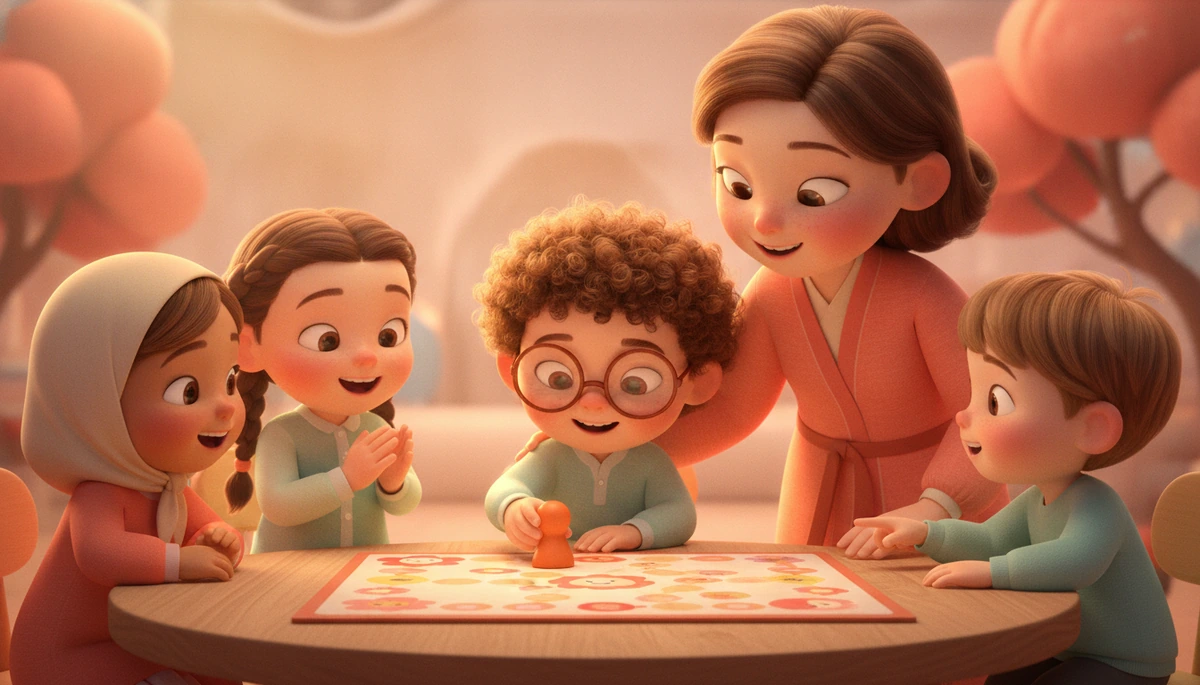
Turn-taking is a fundamental social skill that helps children engage in meaningful interactions. For autistic children, however, traditional turn-taking dynamics may not align with their unique communication styles. It's essential to approach turn-taking as a skill that can be nurtured over time, rather than forced.
Autistic children often communicate differently, and what might seem like a lack of interest in turn-taking could simply be their way of processing social cues. Recognizing this helps in creating a supportive environment where they can practice this skill comfortably. This article is part of our complete guide to Social Skills for Kids: A Parent's Guide to Friendship, Sharing & Conflict.
Creating a Supportive Environment: To support autistic children in turn-taking, it's crucial to understand their communication preferences. For instance, some children may prefer non-verbal cues or need extra time to respond. By adapting our expectations and interactions, we can reduce the pressure and make turn-taking a positive experience.
Why Traditional Methods May Not Work
Traditional methods that emphasize compliance and uniformity may not be effective for autistic children. These methods often overlook the different ways autistic kids perceive and interact with the world. Forcing turn-taking can lead to stress and resistance, making social interactions more challenging rather than enjoyable.
Instead, focusing on the CASEL competencies—such as self-awareness and relationship skills—can provide a more effective approach. By understanding each child's unique needs and preferences, parents can tailor their methods to promote comfort and engagement. Consider reading more on Helping Autistic Kids Make Friends (Without Masking) for additional insights.
Example of Tailored Approach: Imagine a child who enjoys building with blocks but struggles with turn-taking. Instead of insisting on strict turns, you might encourage shared play where each participant adds a block to a joint structure when ready. This fosters collaboration without the stress of rigid rules.
Games and Activities to Encourage Turn-Taking
Games and activities are excellent tools for encouraging turn-taking in a fun and interactive way. Structured play can help autistic children understand and practice the concept without pressure.
Example Scenario
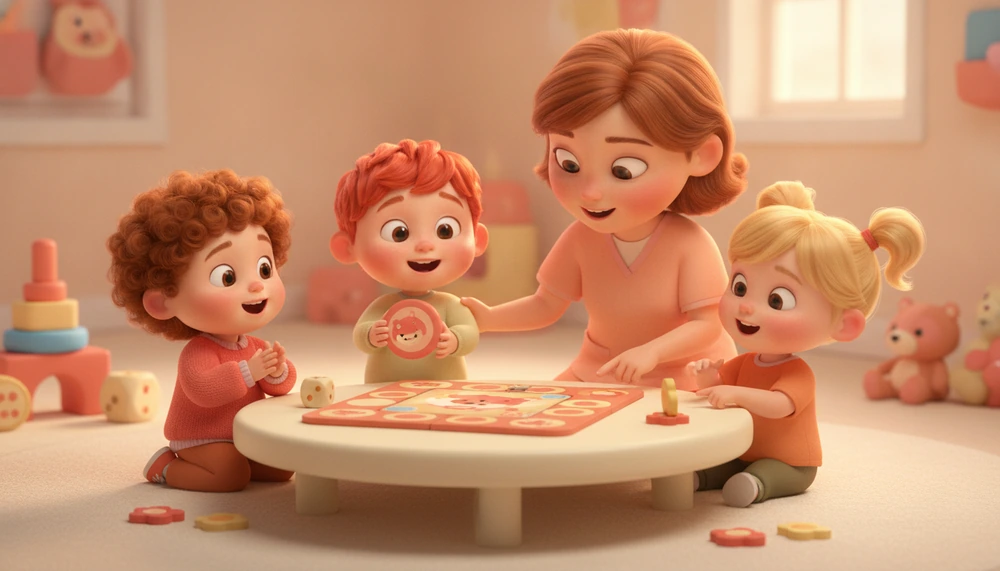
Imagine you're playing a board game with your child. Instead of focusing solely on winning, emphasize the fun aspects of taking turns. "It's your turn now," you might say, "and after you roll the dice, it'll be mine. Let's see how far you can go!"
Additional Activities:
- Musical Chairs: A simple game that naturally involves turn-taking as children wait for the music to stop.
- Relay Races: Teams must wait for each member to complete their part, encouraging patience and turn-taking.
Recommended Activities
- Cooperative Board Games: Games that require teamwork can naturally lead to turn-taking.
- Building Blocks: Encourage taking turns in adding pieces to the construction.
- Storytelling Circles: Each person adds a sentence to a story, taking turns to keep the narrative going.
- Puppet Shows: Children can take turns controlling puppets in a story, enhancing creativity and understanding of turns.
These activities not only promote turn-taking but also enhance self-management and social awareness. For more ideas, explore our Fun with Friends: Sharing and Taking Turns social story.
Using Visual Supports to Explain Turn-Taking
Visual supports can be incredibly effective in explaining abstract concepts like turn-taking. These supports provide clear, visual cues that help autistic children understand what is expected of them during interactions.
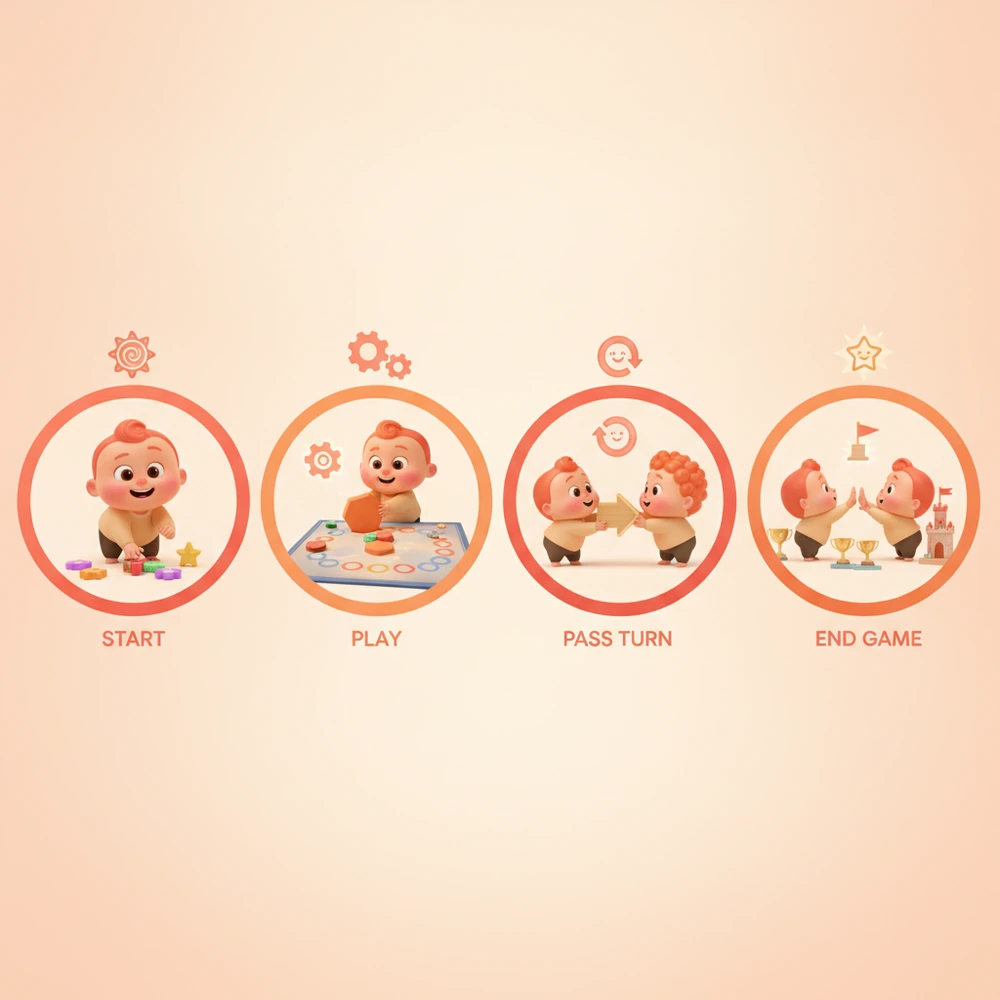
Use of Visual Schedules: Create a visual schedule that outlines the steps of a game or activity, highlighting when it’s time to take turns. This can reduce anxiety and provide a clear structure that children can follow.
Creating Visual Aids: Use pictures or icons to represent turns. For instance, a picture of a child with an arrow pointing to another can visually depict the concept of passing turns. This method can be particularly helpful for visual learners.
Role-Playing Scenarios for Practice
Role-playing is a powerful method to practice turn-taking in a safe environment. By acting out different scenarios, children can explore the dynamics of turn-taking and build confidence.
Scripted Dialogue
- Parent: "Let's pretend we're at the playground. It's your turn to go down the slide."
- Child: "Okay!"
- Parent: "Great! Now it's someone else's turn. Let's wait together and watch."
Role-Playing Tips:
- Start with simple scenarios and gradually increase complexity as the child becomes more comfortable.
- Use familiar settings to make the role-play relatable and less intimidating.
Practicing these scenarios can help children understand social cues and improve their relationship skills. You might also find the Words That Make Friends: A Social Story helpful for reinforcing these skills.

Celebrating Successes and Encouraging Progress
Celebrate each small success to encourage ongoing progress. Recognizing achievements, no matter how minor, fosters self-awareness and self-esteem.
Example
Imagine your child successfully takes turns during a game. Celebrate with a simple, "You did a great job waiting for your turn! I'm proud of you." This positive reinforcement encourages them to continue practicing turn-taking.
Ways to Celebrate:
- Verbal Praise: "I noticed how well you shared today!"
- Reward System: Use a sticker chart to track successes and celebrate milestones.
Collaborating with Educators for Consistency
Consistency across environments is key to fostering turn-taking skills. Collaborating with educators can ensure that strategies used at home are reinforced in school settings as well.
Talk with teachers about your child's progress and share the strategies that work best. This collaboration can create a cohesive approach that supports the child’s social development in various contexts. For more insights, consider our article on Writing Measurable SEL IEP Goals.
Example of School Collaboration: Work with educators to create a "turn-taking club" where children can practice these skills in a low-pressure setting. This club can focus on activities like group storytelling or shared art projects.

References
- Autistic Self Advocacy Network. Resources for Educators. https://autisticadvocacy.org/
- National Autistic Society. Communication and Interaction. https://www.autism.org.uk/advice-and-guidance/topics/communication
- Research on Social Skills Development in Autism. https://pubmed.ncbi.nlm.nih.gov/
Try It This Week
Reading is the easy part. Skills build through small, repeated practice — here's a low-pressure plan you can try with your child.
- 1Play a Cooperative GameDay 1Choose a board game that requires teamwork and practice taking turns. Emphasize collaboration over competition.Fun with Friends: Sharing and Taking Turns →👉 What this looks likeSelect a game like 'The Game of Life'. Explain that winning isn't the goal; working together is. As you play, highlight each other's turns and decisions, praising cooperative moves. This shifts focus from winning to shared enjoyment.
- 2Create a Visual ScheduleDay 2-3Design a visual schedule for a simple activity, illustrating each step. Use it to guide turn-taking sessions.👉 What this looks likeDraw a visual schedule for a snack time routine. Include steps like 'choose snack', 'eat', 'clean up', and 'share'. Use it during snack time, showing each step and who is responsible, reinforcing turn-taking in a daily context.
- 3Role-Play a Playground SceneThis weekendAct out playground scenarios with your child, practicing turn-taking and waiting for turns.Words That Make Friends: A Social Story →👉 What this looks likeSet up a mini playground at home. Use toys to simulate a slide. Take turns with your child going down the slide, modeling how to wait patiently. Narrate each action to reinforce learning, such as 'Now it's your turn, let's wait together.'
- 4Celebrate a Turn-Taking SuccessDay 4Identify a moment where your child successfully takes turns and celebrate it with them.👉 What this looks likeDuring a family dinner, notice when your child waits their turn to speak. Afterward, say, 'I loved how you let everyone speak before jumping in. That was very patient!' This reinforces positive behavior with immediate feedback.
- 5Discuss Turn-Taking with a TeacherOnce this weekCollaborate with your child's teacher about strategies to support turn-taking in school.Writing Measurable SEL IEP Goals →👉 What this looks likeEmail the teacher to set up a meeting. Discuss current turn-taking activities and share what works at home. Agree on a common approach and ask for feedback on your child's progress. This ensures consistency across environments.
Frequently Asked Questions
How can I help my autistic child with turn-taking?
What are visual supports for turn-taking?
Why are traditional turn-taking methods ineffective for autistic children?
Can role-playing improve turn-taking skills?
How can educators support turn-taking in schools?
References
