Creating Effective IEP Goals for Social and Emotional Learning

Understanding IEP Goals for SEL
Navigating the world of Individualized Education Programs (IEPs) can be daunting for parents, especially when it comes to setting effective goals for Social and Emotional Learning (SEL). SEL plays a crucial role in helping children develop self-awareness, manage emotions, and interact positively with others. In this guide, we'll explore how parents can advocate for SEL goals in their child's IEP, ensuring these goals are not only meaningful but also measurable.
In This Guide
- Writing Measurable SEL IEP Goals (with 20 Examples): Explore how to craft goals that are clear and actionable.
- Self-Management IEP Goals: 10 Examples That Schools Accept: Discover examples that focus on self-regulation skills.
- Social Skills IEP Goals: 10 Examples (Without Forcing Masking): Learn how to encourage social skills while respecting neurodiversity.
- When SEL Services = Related Services (vs Separate) in an IEP: Understand how SEL can be integrated into existing services.
The Basics of IEPs and SEL
An IEP is a legal document that outlines special education services for children with disabilities, as defined by the Individuals with Disabilities Education Act (IDEA) 3. SEL components in an IEP focus on developing competencies like self-awareness, self-management, social awareness, relationship skills, and responsible decision-making. These competencies align with the CASEL framework, which is widely recognized in the educational field.
Why SEL is Important in IEPs
Including SEL goals in an IEP addresses the holistic development of a child. It ensures that schools provide not only academic support but also emotional and social nurturing. This comprehensive approach is crucial for children who may face challenges in these areas.
- Self-awareness: Understanding one's emotions and values.
- Self-management: Regulating emotions and behaviors.
- Social awareness: Empathizing with others.
- Relationship skills: Building healthy relationships.
- Responsible decision-making: Making ethical, constructive choices.
SEL in Action
In my practice, one family I worked with was initially focused solely on academic goals. Over time, they realized the importance of SEL in helping their child not only succeed academically but also thrive socially. By incorporating SEL goals, they noticed improvements in their child's ability to handle peer interactions and manage classroom stress. This shift highlights how SEL can be a transformative part of the educational process.
Creating Effective SEL Goals
To create effective SEL goals, it's important to frame them in a way that is specific, measurable, attainable, relevant, and time-bound (SMART). This ensures that the goals are clear and that progress can be tracked over time. Here's how to align SEL goals with the CASEL competencies.
Self-Awareness Goals
Goals in this area might involve recognizing emotions, identifying strengths, and building self-confidence. For example, a goal could be: "By the end of the semester, the student will be able to identify and articulate their emotions in 4 out of 5 opportunities as observed in classroom interactions."
Example Scenario
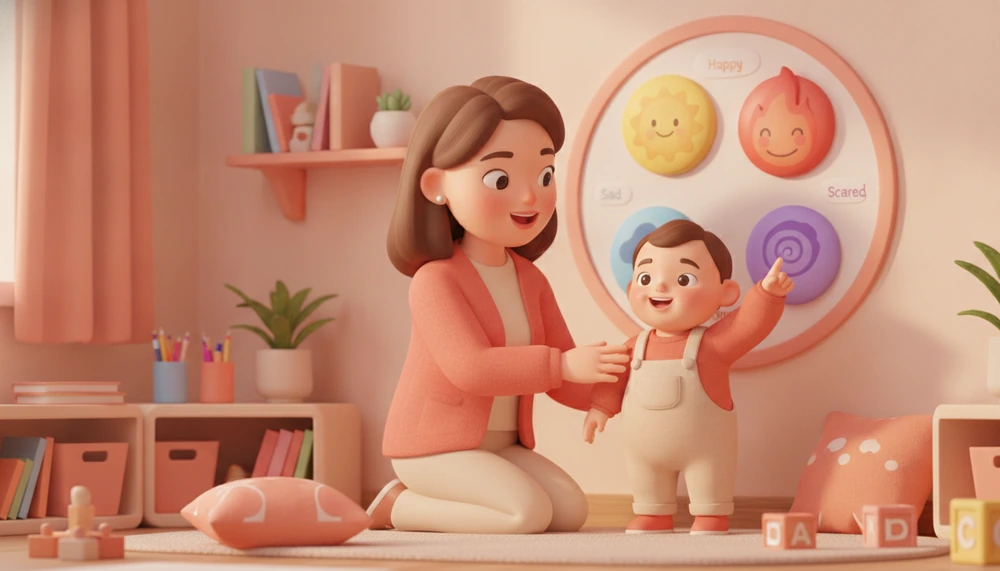
Imagine a child named Alex who struggles to recognize when they are feeling overwhelmed. A self-awareness goal for Alex might involve using a "feelings chart" to identify emotions during morning check-ins. This could involve:
- Using a feelings chart to select emotions each morning.
- Discussing these feelings with a teacher or aide.
- Reflecting on why they feel this way at the end of the day.
Strategies for Building Self-Awareness
Building self-awareness can start with simple exercises, such as daily emotion check-ins, where children are encouraged to express how they feel using words or visuals. Encouraging children to journal about their feelings or draw them can also be immensely helpful. These activities help children connect with their inner world, fostering a sense of self-understanding and acceptance.
Self-Management Goals
Self-management goals help children learn to regulate their emotions and behaviors effectively. These might include strategies for calming down, following routines, or completing tasks independently. For instance, a goal might be: "The student will use a self-calming strategy, such as deep breathing or counting, to manage anxiety during transitions, with support, in 4 out of 5 occasions."
In My Practice
In my practice, I've seen many children benefit from using social stories like Dragon Breaths to Calm Down - Printable Social Story to develop self-management skills. These stories help children visualize calming techniques, making it easier to apply them in real situations.
Implementing Self-Management Techniques
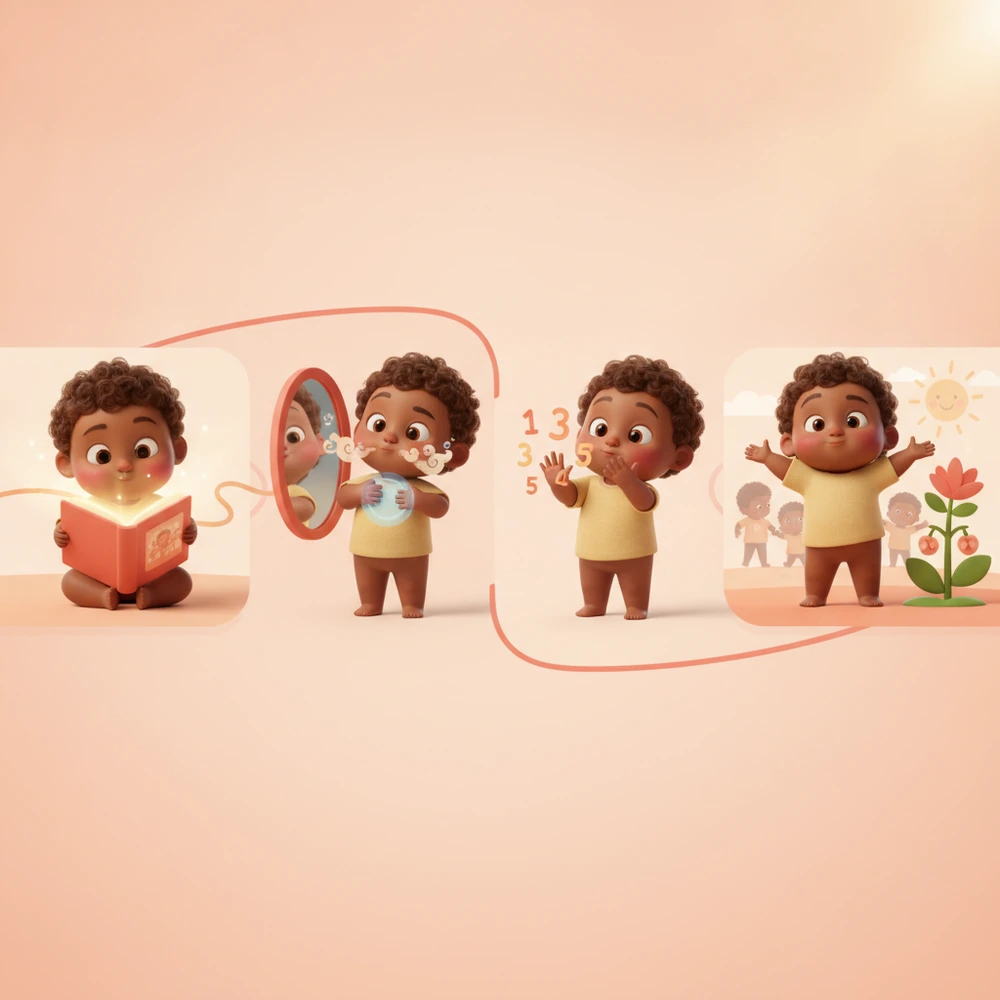
To teach self-management, start with setting up a routine that includes calming strategies. Visual schedules and reminder cards can be effective tools. Another technique is role-playing different scenarios, where children practice their responses to stressful situations in a safe environment. This practice helps them apply these skills in real-life contexts confidently.
Social Awareness Goals
Social awareness involves understanding and empathizing with others. Goals in this area can help a child learn to interpret social cues and respond appropriately. An example goal could be: "The student will demonstrate the ability to recognize and respect different perspectives during group activities, in 3 out of 4 opportunities."
Scripted Dialogue Example
Instead of saying, "Play nice," you might try saying:
- "I see you're upset that your friend took the toy. How do you think they feel?"
- "What can we do to make sure everyone is happy?"
Enhancing Social Awareness
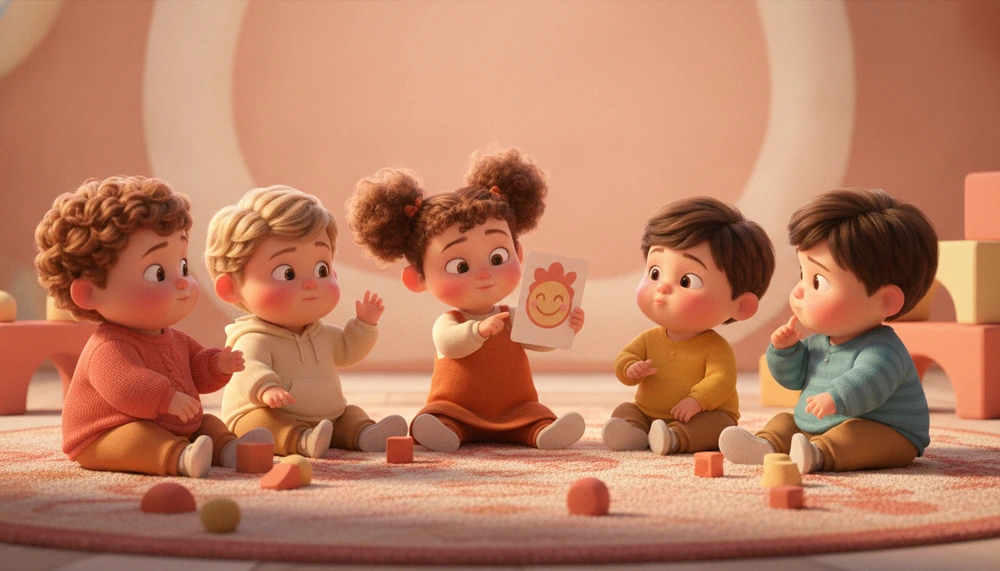
Encouraging children to engage in group activities can foster social awareness. Activities like group storytelling or cooperative games teach children to listen and appreciate others' viewpoints. Teachers and parents can model empathy by discussing feelings and scenarios, enriching the child's understanding of social dynamics.
Relationship Skills Goals
Developing relationship skills is about learning to communicate effectively and work collaboratively. Goals might focus on taking turns, listening actively, or resolving conflicts. For example: "The student will participate in a group game, taking turns and following the rules, in 3 out of 5 opportunities."
Example Scenario
Picture this: Jordan is a child who struggles to take turns during recess. A relationship skills goal might involve practicing turn-taking with a buddy. Steps could include:
- Identifying a buddy for recess activities.
- Practicing turn-taking with adult supervision.
- Reflecting on successes and challenges after playtime.
Building Relationship Skills
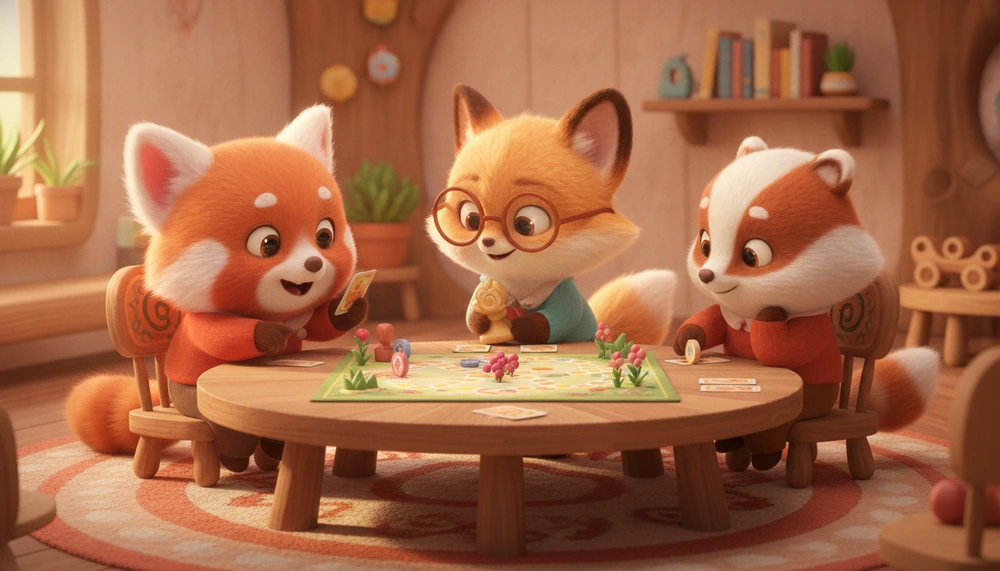
To develop relationship skills, create opportunities for collaborative play. Structured activities like board games or building projects encourage children to negotiate, share, and communicate. Reflective discussions post-activity can help children understand the importance of cooperation and mutual respect.
Responsible Decision-Making Goals
Responsible decision-making involves evaluating consequences and making choices that reflect one's values and respect others. Goals could include scenarios like: "The student will identify two potential outcomes for a decision and choose an appropriate action in 3 out of 4 opportunities."
In My Practice
I've worked with families who use Finding Calm: My Upset to Happy Journey to help children understand the impact of their choices and practice making thoughtful decisions.
Encouraging Responsible Decision-Making
To foster decision-making skills, parents and educators can present children with daily choices—such as deciding between two activities or snacks. Discussing the potential outcomes of their choices helps children understand cause and effect, promoting thoughtful decision-making.
Collaborating with School Professionals
Working with school SLPs, OTs, and counselors is vital for implementing SEL goals effectively. These professionals can provide insights into the child's needs and suggest strategies for practice at home and school.
Tips for Parents
- Communicate regularly with teachers and therapists.
- Attend all IEP meetings and come prepared with questions.
- Utilize resources like COPAA for advocacy support.
Building a Supportive Team
Creating a support network is essential. Regular meetings with educators and therapists help ensure everyone is aligned on goals and strategies. Sharing observations from home with teachers can provide a fuller picture of the child's progress and needs, fostering a collaborative environment.
Generalization of Skills
Generalization refers to the ability to apply skills learned in one setting to another. For SEL goals, this means ensuring that skills practiced in therapy or at school are used at home and in the community.
Real-life Application
For instance, if a child is learning to manage anxiety through breathing exercises at school, parents can reinforce this by practicing the exercises at home during stressful moments. Using social stories like Calm and Happy at School - Printable Social Story can also bridge this gap.
Strategies for Generalization
To support skill generalization, parents can create consistent routines that incorporate SEL practices. For example, setting aside time each day to discuss emotions or practice calming techniques can reinforce these skills. Celebrate small successes to motivate ongoing practice and skill development.
References
1 Wrightslaw. (2020). Special Education Law and Advocacy. Retrieved from wrightslaw.com
2 COPAA. (2020). Council of Parent Attorneys and Advocates. Retrieved from copaa.org
3 Individuals with Disabilities Education Act, 20 U.S.C. § 1400 et seq.
4 Turnbull, A. (2020). Families, Professionals, and Exceptionality. Pearson.
Try It This Month
Reading is the easy part. Skills build through small, repeated practice — here's a low-pressure plan you can try with your child.
- 1Identify Emotions DailyDaily, 5 minHelp your child identify and express their emotions daily through visual charts or verbal expression.use this story →👉 What this looks likeDuring breakfast, introduce a simple feelings chart. Ask your child, 'How are you feeling today?' Encourage them to point to the emotion they relate to. If they struggle with words, use visuals or expressions. This routine builds emotional vocabulary and self-awareness.
- 2Practice Deep BreathingDay 1Teach your child deep breathing techniques to manage stress or anxiety.in the SocialBlossom app →👉 What this looks likeIn a moment of calm, sit with your child and demonstrate deep breathing. Say, 'Let’s take three deep breaths together. Inhale slowly and exhale.' Practice this when they feel upset to help them regain control. Reinforce by practicing daily.
- 3Model EmpathyDay 2-3Show empathy in everyday interactions, explaining your emotions and responses.👉 What this looks likeWhen you feel stressed, narrate your feelings: 'I’m feeling overwhelmed. I need a moment to breathe.' This modeling shows your child how to handle emotions and understand others’ feelings, teaching empathy through your actions.
- 4Engage in Cooperative PlayThis weekendEncourage cooperative play to build relationship skills.use this story →👉 What this looks likeOrganize a playdate with a small group. Guide your child and friends through a cooperative game like building a block tower together. Encourage sharing and taking turns, praising positive interactions. This practice reinforces teamwork and communication.
- 5Discuss Decision OutcomesOnce this weekTalk about the outcomes of everyday decisions to enhance decision-making skills.use this story →👉 What this looks likeAfter choosing a snack, discuss with your child, 'You chose the apple. How does it taste? Do you feel full?' This reflection helps them understand the consequences of their choices, fostering better decision-making.
- 6Reflect on the DayNightly, 5 minEnd the day with a reflection on experiences and feelings.👉 What this looks likeAt bedtime, ask your child about their favorite part of the day and any challenges they faced. Encourage them to express their emotions and thoughts, reinforcing self-awareness and emotional processing.
- 7Role-play Social ScenariosOnce this monthUse role-play to practice social skills in various scenarios.use this story →👉 What this looks likeCreate role-play scenarios like sharing toys or asking a friend to play. Act them out with your child, providing guidance on appropriate responses and praise for their efforts. Reinforce these skills during real-life interactions.
Frequently Asked Questions
What are SEL goals in an IEP?
How can parents advocate for SEL goals in an IEP?
Why is SEL important in education?
How are SEL goals measured?
Can SEL skills be taught at home?
What role do teachers play in SEL?
How does SEL support neurodivergent children?
References
- Wrightslaw. (2020). Special Education Law and Advocacy. Retrieved from [wrightslaw.com](https://wrightslaw.com)
- COPAA. (2020). Council of Parent Attorneys and Advocates. Retrieved from [copaa.org](https://copaa.org)
- Individuals with Disabilities Education Act, 20 U.S.C. § 1400 et seq.
- Turnbull, A. (2020). Families, Professionals, and Exceptionality. Pearson.