Celebrating the International Day of Persons with Disabilities: A Guide for Families
What This Day Is
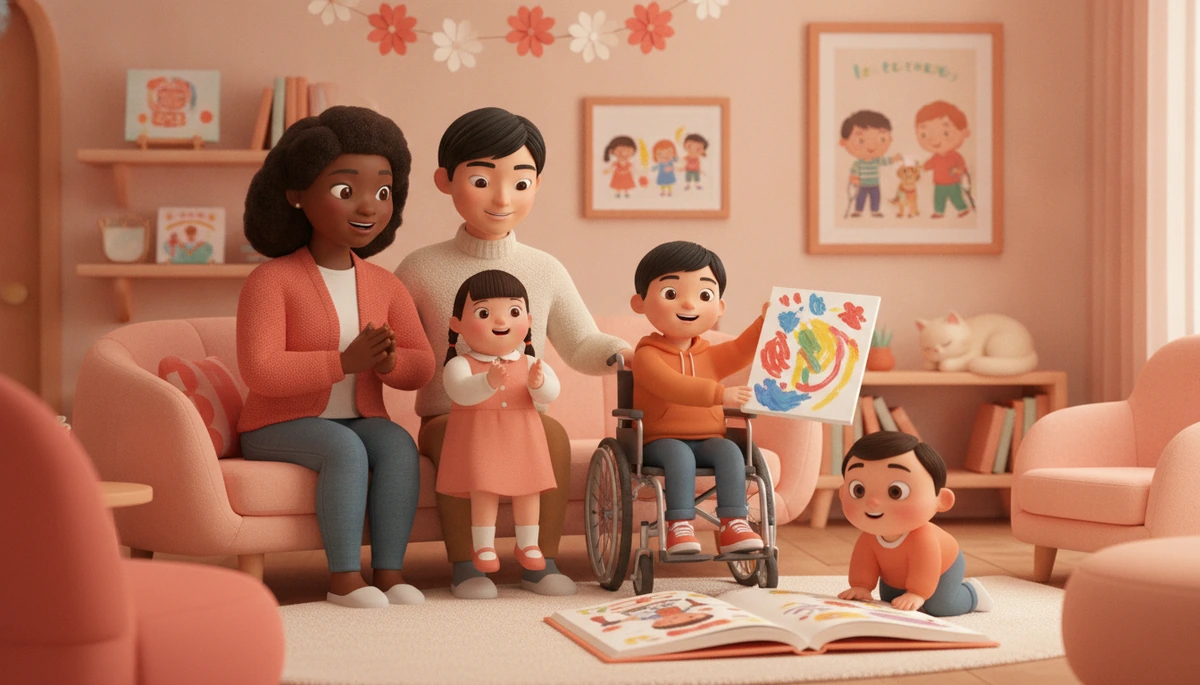
The International Day of Persons with Disabilities is observed on December 3 each year. Established by the United Nations in 1992, it aims to promote the rights and well-being of persons with disabilities in all spheres of society 1. This day serves as a reminder of the importance of inclusivity and respect for all individuals, regardless of ability. Inclusivity is not just a concept for policy-makers; it's a value that families can instill in their children through everyday actions and discussions.
Understanding the history of this day can help children appreciate its significance. Families can explore how the UN Convention on the Rights of Persons with Disabilities supports this cause, emphasizing equality and accessibility 1. By engaging children in discussions about these rights, we help them develop social awareness and empathy. For a deeper dive into similar themes, see our guide to Major Days for SEL Families: Mother's, Father's, World Autism, Disabilities Day.
Disability Pride Explained for Kids by Age
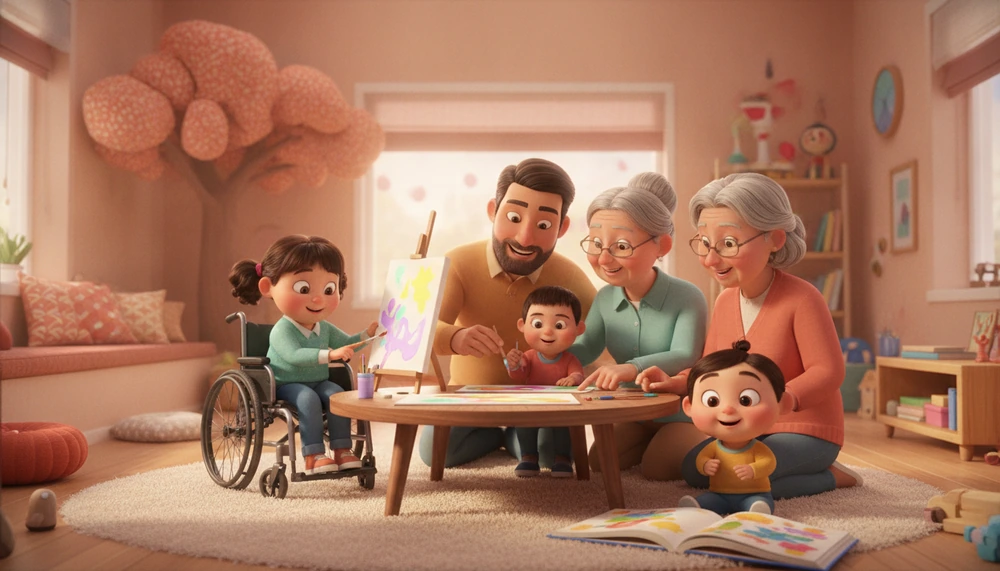
Disability pride is a concept that celebrates the strengths and identities of individuals with disabilities. Teaching children about disability pride can be tailored to their developmental stages. For younger kids, simple explanations and stories about diversity can be effective. As children grow, these conversations can evolve to include more complex ideas about self-advocacy and allyship.
Ages 3-5
- Simple Stories: Use social stories like Presents at Nana's House which can introduce themes of diversity and inclusion subtly.
- Play Activities: Encourage play that includes diversity, using dolls or action figures with different abilities.
Ages 6-9
- Discussion: Talk about different abilities using books and real-life examples. Ask questions like "How do you think this character feels?"
- Role-Playing: Act out scenarios that involve inclusion, such as playing with a friend who uses a wheelchair.
Ages 10+
- Critical Thinking: Discuss how society can be more inclusive. Use examples from media to highlight both positive and negative portrayals of disability.
- Advocacy Projects: Encourage older kids to think about ways they can advocate for inclusivity in their schools and communities.
Many parents find that using age-appropriate strategies can help foster an inclusive mindset from an early age. For example, a family I worked with introduced their kindergartener to a story where the hero used a hearing aid. This helped the child develop empathy and understanding toward classmates with hearing differences.
5 Family Activities for Dec 3
-
Storytelling Time
- Read books that feature characters with disabilities. This can spark conversations about diversity and empathy. Books like "Wonder" by R.J. Palacio are great for older children.
-
Create a Family Pledge
- Write a family acceptance pledge focusing on inclusion and understanding. Display it at home as a reminder.
-
Art Projects
- Create art that celebrates diversity—drawings, paintings, or collages that reflect inclusivity.
-
Community Involvement
- Participate in local events or virtual seminars about disability rights and inclusion.
-
Mindfulness and Empathy Exercises
- Practice mindfulness activities, such as Body Scan for Kids: A 5-Minute Activity, to build empathy and self-awareness.
Books for the Day (Curated by Age)
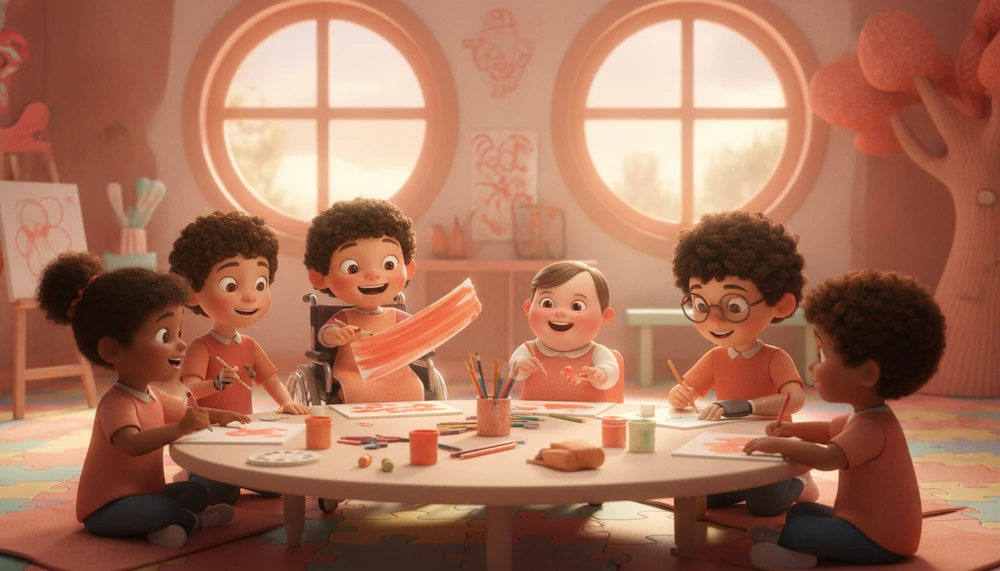
Books are a powerful tool for understanding and empathy. Here are some recommendations:
- Ages 3-5: "We're All Wonders" by R.J. Palacio
- Ages 6-9: "El Deafo" by Cece Bell
- Ages 10+: "Out of My Mind" by Sharon Draper
These stories provide insights into the experiences of individuals with disabilities and promote discussions on empathy and understanding. Reading together not only strengthens literacy skills but also enhances social-emotional connections as children learn to empathize with characters and their circumstances.
Talking About Visible vs Invisible Disability
Understanding the difference between visible and invisible disabilities is crucial. Visible disabilities, such as physical impairments, are easier to identify. In contrast, invisible disabilities, like autism or learning differences, may not be immediately apparent. This distinction can be highlighted through everyday scenarios and dialogues.
Scripted Dialogue
- Parent: "You know, some disabilities you can see, like a person using a wheelchair, and some you can't, like if someone has difficulty reading."
- Child: "Like my friend who takes longer to read the words, right?"
- Parent: "Exactly! Both are important to understand and support."
This dialogue can help children recognize and respect the diversity of experiences among their peers. Empathy begins with understanding, and this simple conversation can foster a deeper awareness in children.
Connection to Your Child's IEP/504 (If Applicable)
The International Day of Persons with Disabilities can be a great time to review your child's IEP (Individualized Education Program) or 504 Plan. These documents are designed to ensure that children with disabilities receive the support they need in school.
Discuss with your child how these plans help them succeed. Encourage them to express how they feel about their learning and any adjustments that could be made to better support them. This conversation fosters self-awareness and empowers them to take part in their educational journey.
Families are encouraged to have open conversations about their child's needs and celebrate their achievements, fostering self-awareness and self-management skills. For instance, one family celebrated their child's progress in reading by mapping it to goals outlined in their IEP, which boosted the child's confidence and motivation.
Free Download: Family Acceptance Pledge
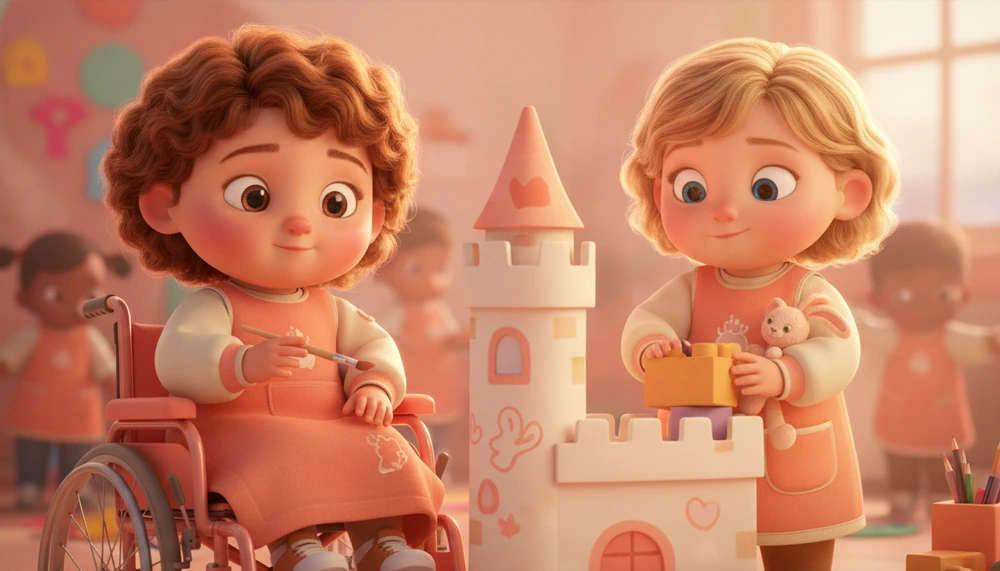
To commemorate this day, consider downloading our free Family Acceptance Pledge. This is a great way to commit to ongoing conversations about inclusion and understanding in your family.
References
1 UN Convention on the Rights of Persons with Disabilities (2006). Retrieved from https://www.un.org/development/desa/disabilities/convention-on-the-rights-of-persons-with-disabilities.html 2 ASAN. Autistic Self Advocacy Network. Retrieved from https://autisticadvocacy.org/
Try It This Week
Reading is the easy part. Skills build through small, repeated practice — here's a low-pressure plan you can try with your child.
- 1Explore Disability StoriesDay 1Read one book featuring a character with disabilities. Discuss the story together to build empathy and understanding.use this story →👉 What this looks likeChoose a book like "We're All Wonders" and read it together. Afterward, ask your child, "How do you think the character felt? What would you do in their place?" This encourages empathy and perspective-taking.
- 2Create Inclusive ArtThis weekendMake art that celebrates diversity, such as drawing or painting together as a family. Discuss the themes of inclusivity.👉 What this looks likeSet up an art station with various supplies. Encourage each family member to create a piece that represents diversity. Discuss each artwork and what inclusion means to them.
- 3Have a Family Pledge NightDay 3Write a family pledge about inclusion and acceptance. Discuss what each part means and display it at home.👉 What this looks likeSit together and draft a pledge. For instance, "We promise to always be kind and understanding." Discuss each line's meaning and how to live by it. Display it on the fridge for daily reminders.
- 4Participate in a Community EventOnce this weekAttend a local or virtual event related to disability awareness. Use this as a learning experience.👉 What this looks likeFind a community webinar on disability rights. Attend as a family and afterward, discuss what you learned and how it applies to your lives. Consider how you can implement these ideas.
- 5Practice MindfulnessDaily 5 minEngage in mindfulness exercises together to enhance empathy and self-awareness. Try a guided body scan or breathing exercise.Body Scan for Kids →👉 What this looks likeStart with a simple breathing exercise: Sit quietly, breathe in deeply, and exhale slowly. Encourage your child to notice their thoughts and feelings, fostering self-awareness. Repeat this each day for consistency.
Frequently Asked Questions
What is the purpose of the International Day of Persons with Disabilities?
How can I explain disability pride to my young child?
What are some activities for families on this day?
How do I talk to my child about invisible disabilities?
How can this day be linked to my child's IEP/504 plan?
References
