Supporting Autistic Children in Social Play: A Guide for Parents
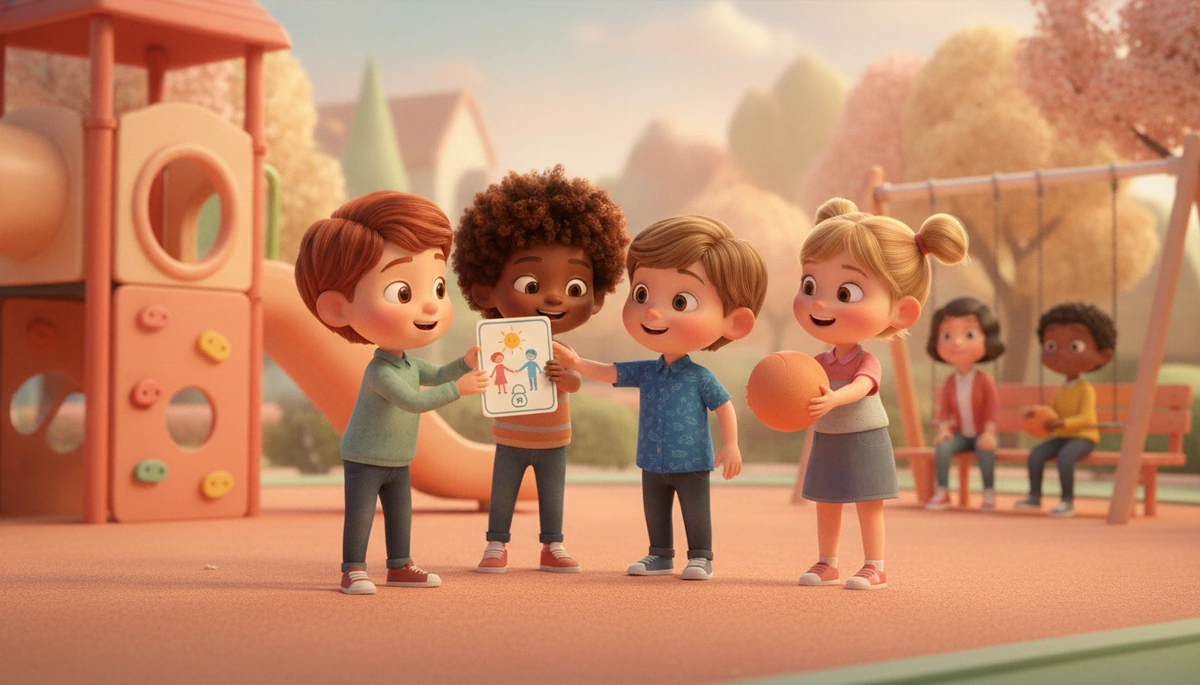
Why 'Just Go Play' Doesn't Work
For many autistic children, the phrase "just go play" can be overwhelming rather than inviting. Unlike their neurotypical peers, autistic children often experience social-emotional development on a different trajectory. This isn't a deficit but a difference that requires understanding and support. Social-emotional learning (SEL) frameworks, like those offered by SocialBlossom, provide tools that recognize and honor these differences. By acknowledging unique social cues and communication methods, autistic children can feel more comfortable engaging in group activities without the pressure to conform to neurotypical standards.
In my practice, I've noticed that when parents encourage their children to "just join in," it often leads to misunderstanding and stress for the child. Structured approaches like scripts and visual supports provide the predictability and clarity these children need to navigate social situations effectively. Scripts offer a roadmap of what to expect and how to respond, while visual supports help in grounding the child by offering step-by-step guidance. These strategies not only enhance participation but also build confidence by reducing anxiety linked with unpredictability.
This article is part of our complete guide to Social Skills for Autistic Kids — Without Masking.
Step-by-Step Joining Script
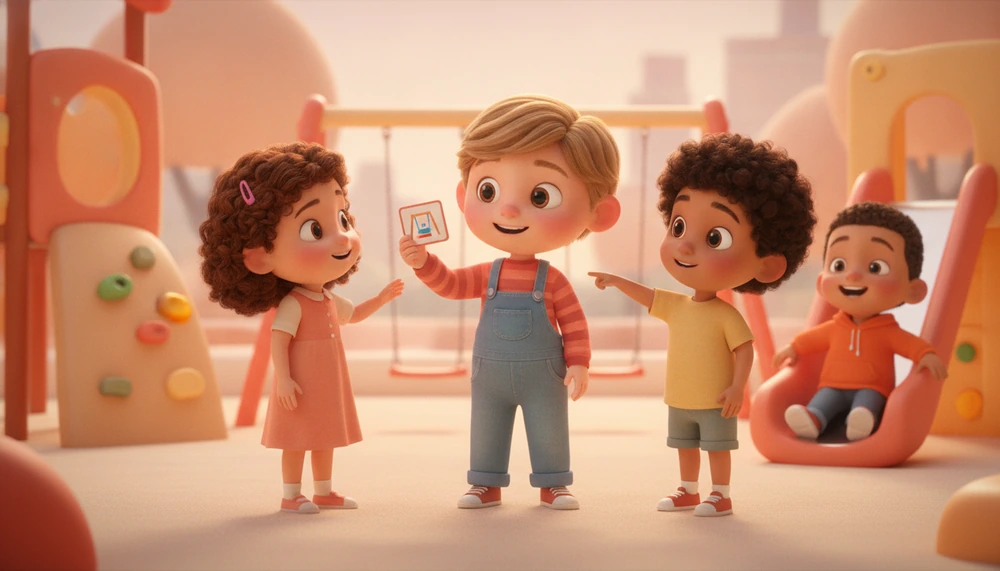
Scripts can be powerful tools for autistic children, providing them with a clear and predictable way to engage with peers. Here’s a step-by-step script that can be adapted for various situations:
- Approach the group slowly. Stand at a comfortable distance.
- Observe the activity. Notice what the other children are doing.
- Use a friendly greeting. Say, "Hi, can I play too?"
- Wait for a response. Give them time to answer.
- If invited, join in. Follow the group’s lead in the activity.
- If not invited, try again later. Politely say, "Okay, maybe next time," and find another activity.
These steps can be reinforced with a social story download that provides visual and narrative guidance, helping the child understand and rehearse the interaction in a safe space.
The Role of Repetition
Repetition plays a significant role in helping autistic children internalize and feel comfortable with scripts. By practicing these steps repeatedly, children can gradually build familiarity and reduce the anxiety associated with social interactions. Repeated exposure also allows them to refine their approach and adapt the script to different contexts, enhancing their social adaptability.
Scripts for 3 Common Scenarios
Recess
Imagine your child is at recess. They see a group playing tag. Using the script above, they approach the group:
- Child: “Hi, can I play too?”
- Group: “Sure, you can be 'it' next!”
This scenario helps the child understand the flow of joining a game and builds confidence in their social interactions. Recess is often a less structured time, making it ideal for practicing these skills in a real-world setting.
Birthday Party
At a birthday party, the environment can be overstimulating. Here's how a script can help:
- Child: “Hi, I like your balloons. Can I help with the games?”
- Host: “Yes, we’re about to start a relay race!”
Such scripts guide children in initiating conversations and participating comfortably. By providing a framework for interaction, scripts can alleviate the stress of new social settings.
New Group
Joining a new group can be daunting. Here's a script for meeting new peers:
- Child: “Hello, my name is Alex. Can I join your building team?”
- New Friend: “Hi Alex! Sure, we need more builders!”
These examples show how scripts can facilitate smoother interactions across different settings. They empower children to take initiative, fostering independence and resilience in social environments.
Visual Support: 'How to Join' Card
Visual supports are invaluable for autistic children. A 'How to Join' card can offer visual cues that reinforce the steps in the script. This card might include:
- Pictures for each step: Approaching, observing, greeting, waiting, and joining.
- Simple text reminders: Short phrases that match each image.
These supports can be used in conjunction with social stories to create a comprehensive learning tool. Visual aids can be easily adapted to suit various scenarios, making them versatile tools for supporting social engagement.
Additional Visual Tools
Incorporating additional visual aids like emotion cards can help children express their feelings during interactions. These cards can provide visual representations of different emotions, assisting children in identifying and communicating their emotional states. This enhances their self-awareness and helps peers understand their perspectives better.

When to Back Off vs Intervene as a Parent
Parents often struggle with knowing when to step in or allow their child to manage social situations independently. It’s crucial to strike a balance that empowers the child without overwhelming them.
Back Off When:
- The child seems comfortable and is participating.
- The situation is safe and non-threatening.
Intervene When:
- The child appears distressed or overwhelmed.
- There’s a risk of exclusion or bullying.
In my practice, I've seen many parents learn this balance by observing their child’s cues and discussing strategies in advance. It helps to have a plan and to trust the process of gradual independence. For example, one parent noticed their child becoming more withdrawn at social events. By gently asking, "Would you like me to help you find a friend or do you want to try on your own?" they empowered their child to make a choice, fostering decision-making skills.
The Social-Thinking Debate
Social thinking frameworks have faced criticism for encouraging autistic children to mask their differences to blend in. Critics argue this approach can lead to stress and a loss of identity. Instead of enforcing neurotypical norms, it’s crucial to provide tools that respect autistic identities. Scripts and visual supports offer an alternative by focusing on clarity and predictability without masking. Emphasizing strengths and individuality allows children to engage socially in ways that are comfortable and authentic for them.
Different Doesn't Mean Broken
The journey of joining a group doesn't have to mean conforming to traditional social norms. Autistic children bring unique perspectives and strengths to social interactions. Recognizing and supporting these differences can lead to more meaningful and authentic connections. It's about celebrating diversity in social-emotional learning.
For more on fostering social skills without masking, explore Friendship Skills for Autistic Kids: Alternatives to 'Make Eye Contact' and When Autistic and NT Kids Clash: Navigating the 'Double Empathy' Gap.
References
1 Milton, D. (2012). On the ontological status of autism: the 'double empathy problem'. Disability & Society 27:883
2 Gray, C. (2010). The New Social Story Book (15th Anniversary Edition). Future Horizons
3 Sasson, N. & Morrison, K. (2019). First-impression bias against autistic adults. Sci Reports
Try It This Week
Reading is the easy part. Skills build through small, repeated practice — here's a low-pressure plan you can try with your child.
- 1Create a How to Join CardDay 1Design a visual support card with your child to aid them in joining group activities. This helps reinforce social scripts.use this story →👉 What this looks likeSit with your child and craft a 'How to Join' card. Draw or print images for each step: approaching, observing, greeting, waiting, and joining. As you create it, discuss each step. For example, "When you see kids playing, you can watch them first." This activity not only makes the process fun but also reinforces the steps.
- 2Practice Scripts During PlayDaily, 5 minUse playtime to role-play scripts with your child. It builds confidence in social settings.👉 What this looks likeDuring playtime, act out a scenario with your child. Pretend to be a group playing tag. Have your child approach you and say, "Hi, can I play too?" Respond positively and engage in the game. This role-playing helps them practice the script in a low-pressure environment.
- 3Observe Social Cues TogetherDay 3Watch a short video or observe at the park, identifying social cues with your child.👉 What this looks likeWatch a video of children playing or visit a local park. Ask your child, "What do you think that group is doing? How can someone join them?" Discuss what you observe, pointing out cues like smiles or gestures. This enhances their ability to read social situations.
- 4Narrate Emotional ExperiencesTwice this weekModel emotional expression and regulation by narrating your feelings aloud.👉 What this looks likeWhile cooking dinner, say aloud, "Oh, I spilled the sauce. I'm feeling a bit frustrated, but I’ll take a deep breath." This models how to express and manage emotions, showing your child that it’s okay to have and express feelings.
- 5Discuss Social ScenariosThis weekendTalk about different social scenarios at bedtime, exploring possible outcomes.👉 What this looks likeAt bedtime, discuss a scenario like a new group at school. Ask, "How do you think you can join them? What would you say?" Brainstorm responses together, encouraging your child to think through different possibilities. This prepares them for real-life interactions.
Frequently Asked Questions
How can scripts help autistic children in social settings?
What are visual supports and how do they work?
When should parents intervene in their child's social interactions?
Are social thinking frameworks beneficial for autistic children?
What are some alternatives to traditional social norms for autistic children?
References