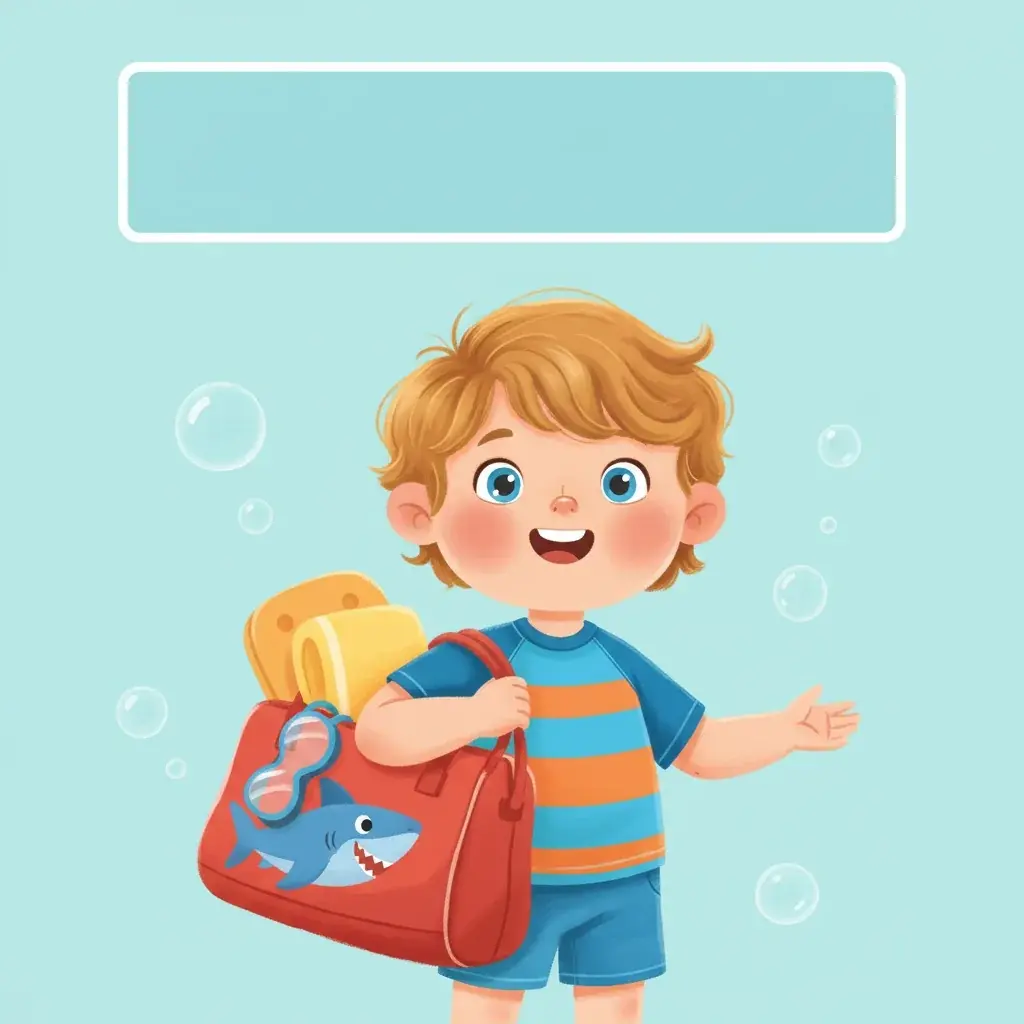
Henry's Fun Swim Class Adventure - Printable Social Story

Join Henry on his exciting swim class adventure! This printable social story helps children understand what to expect during swim class, promoting confidence and excitement.
Story Preview
Henry's Fun Swim Class Adventure
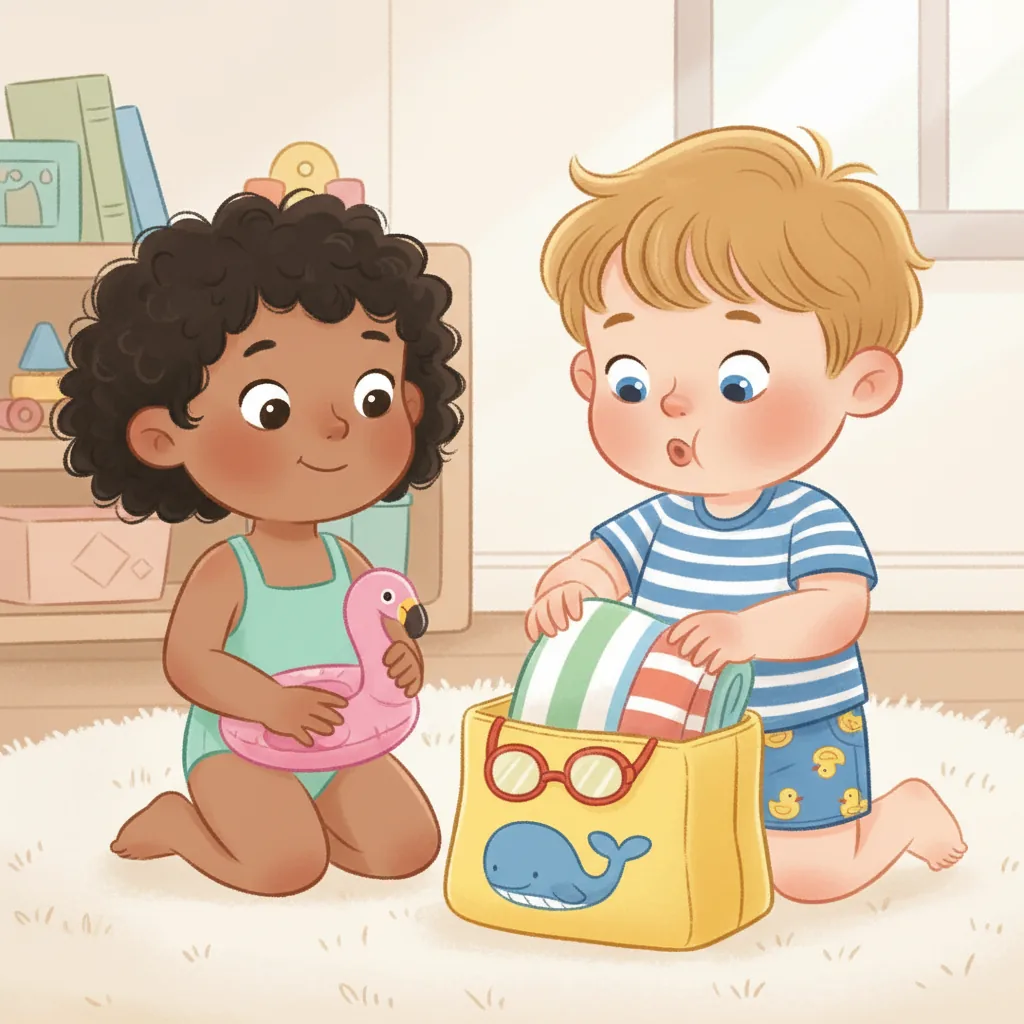
I packed my swim bag.

I felt excited for swim class.
Purchase to access all pages
Who Is This For?
What's Inside
This social story includes engaging sentences and activities to help children prepare for swim class.
About This Story
Join Henry as he embarks on his fun swim class adventure! This printable social story is designed to help children feel excited and prepared for their swim lessons. With engaging sentences like, 'I packed my swim bag.' and 'I can't wait for next swim class.', kids will learn about the experience in a friendly way.
Features include:
- Vocab building
- Spelling practice
- Comprehension questions
- Open-ended prompts
- Creative activities
- Role-play scenarios
Disclaimer: This resource supports learning. It does not replace professional advice.
How to Use This Story
When to use this story
"Henry's Fun Swim Class Adventure" is a wonderful resource for children who are preparing to participate in a swim class for the first time. It's ideal for parents, teachers, and therapists to introduce this story as swim season approaches or when a child expresses curiosity or anxiety about taking swimming lessons. By reading this social story together, caregivers can help children feel more comfortable and excited about the experience ahead.
What's inside
This engaging printable social story follows Henry as he embarks on his first swim class adventure. The narrative begins with Henry packing his swim bag, which sets the stage for excitement and preparation. As the story unfolds, children will see Henry's journey through familiar scenarios: meeting friends at the pool, listening to the instructor’s guidance, and experiencing the sensation of cold water.
The story is designed to be relatable and reassuring, capturing key moments that may happen during swim class. The simple and clear language, along with illustrations, help children visualize what to expect. Activities included with the story focus on vocabulary building, spelling, comprehension, and creative role-playing, making it a versatile tool for learning.
What kids learn
Through "Henry's Fun Swim Class Adventure," children will:
- Understand the routine of a swim class, which can help reduce anxiety.
- Learn the importance of listening to instructions for safety.
- Gain familiarity with the sensations and experiences associated with being in a pool.
- Feel a sense of connection with peers as they see Henry enjoying swim class with friends.
- Build confidence as they prepare for their own swim lessons.
Research context
The tradition of using social stories, as popularized by Carol Gray, supports children in understanding social situations and expectations. Research in narrative-based social-emotional learning (SEL) demonstrates that stories can help children navigate new experiences by providing a framework for understanding and processing their feelings. By engaging with narratives like Henry’s, children can better prepare for new activities, such as swim classes, while also developing important social skills.
Tips for parents and educators
- Read the story together before the swim class to familiarize your child with the experience.
- Discuss each part of the story, asking open-ended questions to encourage conversation about their feelings.
- Use role-playing scenarios to practice what they might say or do during swim class.
- Create a swim bag together, allowing your child to choose items that will be packed, which can enhance excitement and ownership of the experience.
- After the swim class, reflect on the experience by talking about what they enjoyed and what they learned.
How This Story Lands — Clinical Review & Perspectives
One named clinical review from our co-founder Rajini, plus three composite perspectives summarising how this story tends to land in a classroom, at home, and in therapy. How we write these.

A Practical Tool for Swim Class Readiness
As a pediatric speech-language pathologist, I find 'Henry's Fun Swim Class Adventure' to be an excellent resource for preparing children for swim class. It uses age-appropriate language that resonates with preschoolers, allowing them to relate to Henry's experience. I often read this story with kids on my caseload, encouraging them to discuss their feelings about swimming. I listen for their responses about excitement or nervousness, which helps build their confidence and communication skills. This story truly sets the stage for a positive swim experience.
Supporting Sensory Awareness in New Experiences
OTs often pair 'Henry's Fun Swim Class Adventure' with sensory activities to help children process what they might feel during swim class. In sensory-regulation work, this story can be used to prepare kids for the cold water sensation and the social aspects of group classes. The narrative helps children visualize the swim environment, making it easier for them to cope with any sensory challenges they may face. This story is a practical addition to our toolkit for helping kids adapt to new situations.
Composite perspective synthesised from common feedback patterns — read how.
Sparking Joyful Conversations About Swimming
Parents reading 'Henry's Fun Swim Class Adventure' with their child often notice increased enthusiasm for swim class. The story’s relatable scenarios help children express their feelings about swimming, whether it’s excitement or nervousness. At home, this story tends to spark conversations about what to expect, leading to greater comfort with the idea of swimming. It serves as a wonderful tool for parents to engage with their children about new experiences in a fun and reassuring way.
Composite perspective synthesised from common feedback patterns — read how.
Inclusive Resource for Swim Class Preparation
In an inclusive classroom, 'Henry's Fun Swim Class Adventure' works well because it provides a clear narrative that prepares children for the swim class environment. Educators using small-group settings will find the repetitive structure helpful, as it reinforces key concepts like safety and listening. Visual supports accompanying the story can enhance understanding for all learners, making it easier for children to anticipate what will happen during class. This story fosters excitement and reduces anxiety around new experiences.
Composite perspective synthesised from common feedback patterns — read how.
Frequently Asked Questions
What activities are included in the printable social story?
The story includes a variety of engaging activities such as vocabulary exercises, spelling practice, comprehension questions, open-ended prompts, and role-playing scenarios. These activities not only enhance understanding but also make the story interactive and fun for young learners.
What age group is 'Henry's Fun Swim Class Adventure' designed for?
This social story is tailored for preschoolers aged 3 to 5 years. It's perfect for young children who are starting to explore new experiences like swim class, helping them feel more comfortable and excited about it.
What age is this social story suitable for?
This social story is suitable for preschool-aged children.
You May Also Like




Read More
Understanding Autism Through the Lens of Social-Emotional Learning
Explore how autism intersects with social-emotional learning through media portrayals, celebrity disclosures, and new research. Discover practical ways to discuss these topics with your child, fosteri
Read article →Mastering Difficult Conversations: Role-Play Scripts Every Child Should Know
Role-playing helps children master difficult conversations by developing key social-emotional skills like empathy and effective communication. Key scripts include real apologies, asking for help, sayi
Read article →How to Create Social Stories for Children: A Step-by-Step Guide
Learn to write social stories using Carol Gray's method to support your child's social-emotional learning. This guide walks you through each step, from selecting a situation to reading aloud, ensuring
Read article →
This resource supports learning. It does not replace professional advice.