
Enjoying Our Meal at the Restaurant - Social Story

Help your child understand restaurant experiences with this printable social story. Perfect for easing anxiety and building excitement around dining out.
Story Preview
Enjoying Our Meal at the Restaurant
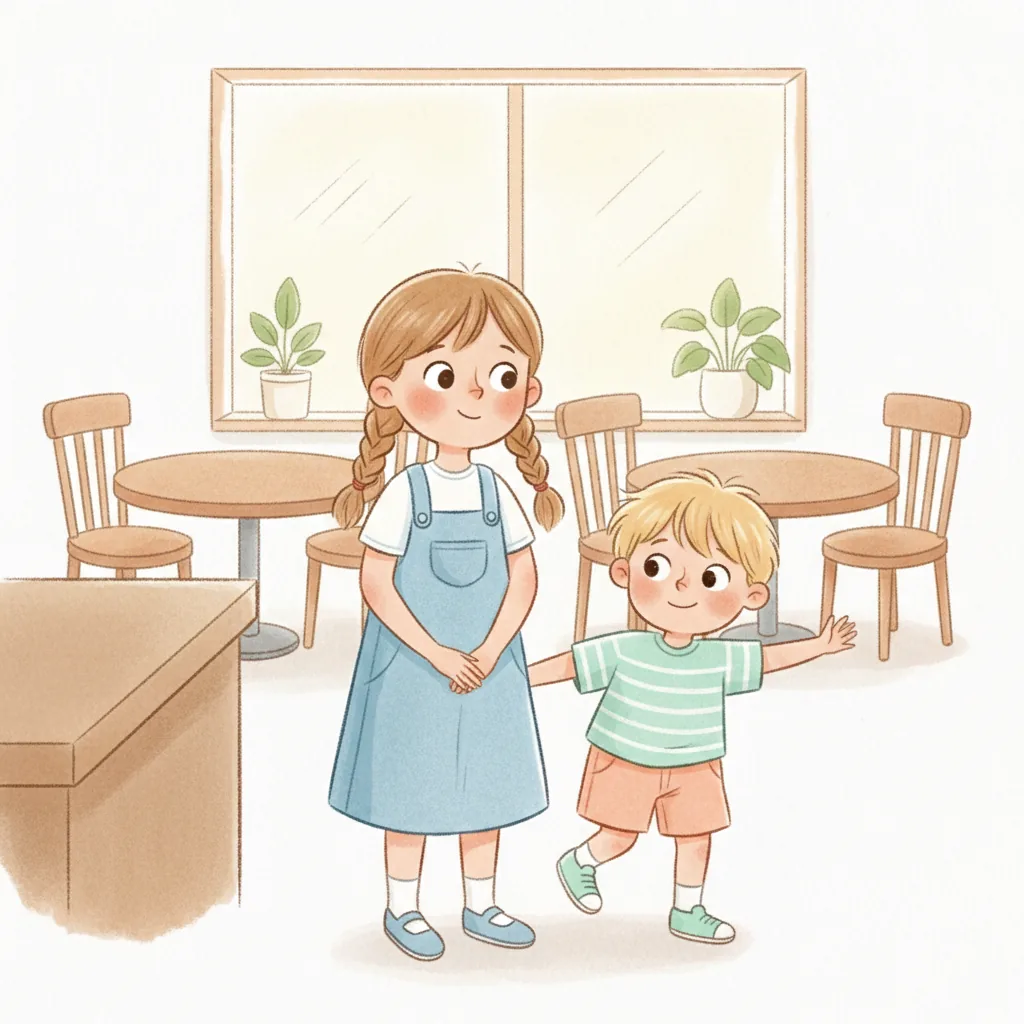
We are going to a restaurant today.
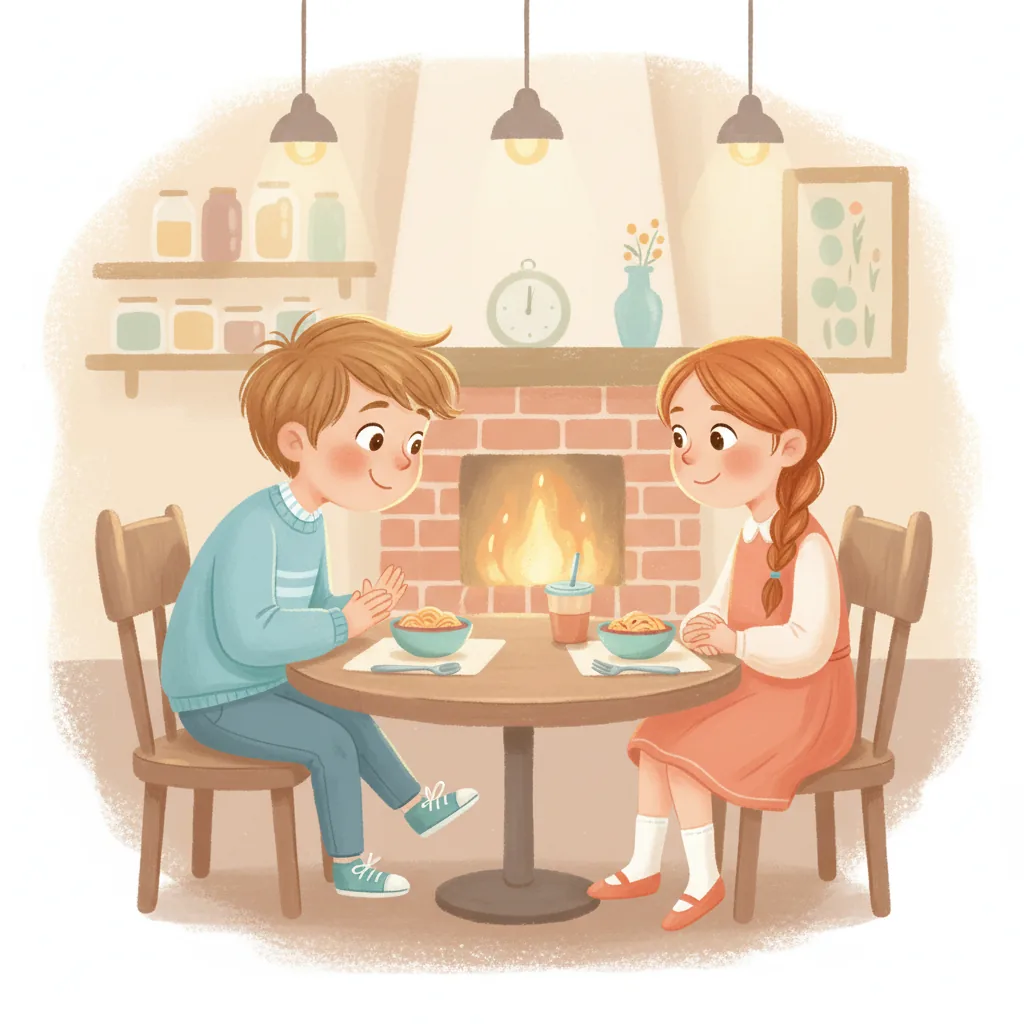
I feel excited but a little wiggly inside.
Purchase to access all pages
Who Is This For?
What's Inside
Inside, you'll find engaging sentences and activities to help children feel comfortable and excited about dining out.
About This Story
This printable social story helps children navigate the experience of dining at a restaurant. It includes engaging sentences like, "We are going to a restaurant today," and activities to enhance understanding.
Key Features:
- Encourages positive dining experiences
- Supports emotional readiness
- Includes vocabulary and comprehension activities
Disclaimer: This resource supports learning. It does not replace professional advice.
How to Use This Story
When to use this story
This social story is particularly helpful for children who are preparing to visit a restaurant for the first time or those who may feel uncertain about dining out. It creates a supportive framework for understanding what to expect, easing feelings of anxiety, and fostering excitement about trying new foods and experiences. Use this story when discussing an upcoming restaurant visit or when your child expresses curiosity or nervousness about eating out. It’s also a great resource for reinforcing positive dining behaviors during everyday meals.
What's inside
"Enjoying Our Meal at the Restaurant" is a gentle narrative designed to guide children through the experience of dining out. The story begins with the anticipation of going to a restaurant:
- "We are going to a restaurant today."
This introduction sets a warm tone, acknowledging both excitement and those wiggly feelings that often accompany new experiences. As the story unfolds, children will learn about sitting at a table and the importance of patience:
- "At the restaurant, we sit at a table."
The narrative also includes engaging elements such as exploring the menu:
- "Mommy says, 'Let's look at the menu together.'"
Children will be able to connect with the visual aspect of dining as they point to pictures of food, like pizza, which makes the experience relatable and personal. The story includes activities that support vocabulary building, spelling, comprehension, and encourages creative expression through role play.
What kids learn
Through this social story, children will learn to navigate the dining experience with confidence. Key learnings include:
- Understanding the structure of a restaurant visit, from entering to ordering food.
- Recognizing and managing feelings of excitement and nervousness.
- Practicing patience and social skills, such as waiting for food and sitting at the table.
- Engaging with menus and making choices, which fosters independence.
- Enhancing communication skills through vocabulary associated with dining.
Research context
The use of social stories is rooted in a tradition that emphasizes narrative as a tool for learning social skills. Influential work in this area highlights the effectiveness of personalized narratives in helping children understand social situations. Studies suggest that stories can promote social-emotional learning (SEL) by providing relatable scenarios. By engaging with narrative-based learning, children can better prepare for real-life situations, making experiences like dining out more enjoyable and less daunting.
Tips for parents and educators
- Read the story together multiple times before the restaurant visit to build familiarity.
- Encourage your child to express their feelings about dining out, whether excitement or nervousness.
- Role-play different scenarios at the table to practice patience and communication.
- Use visuals from the story to discuss different food options and preferences.
- Reinforce positive behaviors during meals at home to create a seamless transition to dining out.
How This Story Lands — Clinical Review & Perspectives
One named clinical review from our co-founder Rajini, plus three composite perspectives summarising how this story tends to land in a classroom, at home, and in therapy. How we write these.

A Wonderful Tool for Restaurant Familiarity
As a pediatric speech-language pathologist, I find 'Enjoying Our Meal at the Restaurant' to be an invaluable resource for my young clients. The story’s relatable language and illustrations help children visualize the restaurant experience, easing anxiety. I often use it to encourage discussion about feelings—listening for words like 'excited' or 'wiggly.' It provides a fantastic opportunity to teach vocabulary related to dining and social interactions, and I’ve seen great engagement during sessions when we explore the menu together through the story.
Great for Sensory Preparation before Dining
OTs often pair this kind of story with sensory-regulation strategies to help kids prepare for the restaurant environment. In sensory-regulation work, this story can be used to discuss the different sights, sounds, and smells they might encounter. It encourages kids to visualize the experience, helping them manage expectations and anxieties. This preparation can be crucial for a successful dining outing, making the transition smoother for both the child and their family.
Composite perspective synthesised from common feedback patterns — read how.
Sparking Conversations at Home
Parents reading this with their child often notice that it sparks meaningful conversations about dining out. Many children relate to the feelings expressed in the story, and it opens the door for discussing their own experiences at restaurants. This story not only prepares them for real-life outings but also builds excitement. It’s a great way for families to bond over shared meals and to practice patience and listening while waiting for food.
Composite perspective synthesised from common feedback patterns — read how.
Effective for Inclusive Classroom Settings
In an inclusive classroom, this story works well because it provides a clear and structured narrative about dining out. Educators using small-group settings will find that the repetition of key phrases and the visual support of images helps students understand the sequence of events at a restaurant. This story can also prompt discussions around waiting and taking turns, making it a practical tool for social skills development among diverse learners.
Composite perspective synthesised from common feedback patterns — read how.
Frequently Asked Questions
What types of activities are included in this social story?
The social story includes a variety of activities such as vocabulary building, spelling exercises, comprehension questions, open-ended prompts, creative tasks, and role-playing scenarios. These activities not only reinforce the concepts in the story but also make learning fun and interactive!
How can this social story help my child enjoy dining out?
This social story is designed to prepare your child for the restaurant experience by outlining what to expect. It includes engaging illustrations and relatable scenarios that can help ease any anxiety and build excitement around eating out.
What age is this social story suitable for?
This social story is suitable for preschool-aged children.
You May Also Like


Read More
How to Create Social Stories for Children: A Step-by-Step Guide
Learn to write social stories using Carol Gray's method to support your child's social-emotional learning. This guide walks you through each step, from selecting a situation to reading aloud, ensuring
Read article →Understanding Preschool Friendships: A Parent's Guide to SEL
Preschool friendships evolve through stages from 'momentary playmates' to budding reciprocity. Supporting your child's social-emotional development involves understanding these stages, encouraging par
Read article →Supporting Preschoolers' Big Feelings through SEL
Preschoolers often experience intense emotions due to their developing brains. Utilizing tools like Buron's 5-Point Scale and emotion thermometers, parents can help children understand and regulate th
Read article →
This resource supports learning. It does not replace professional advice.