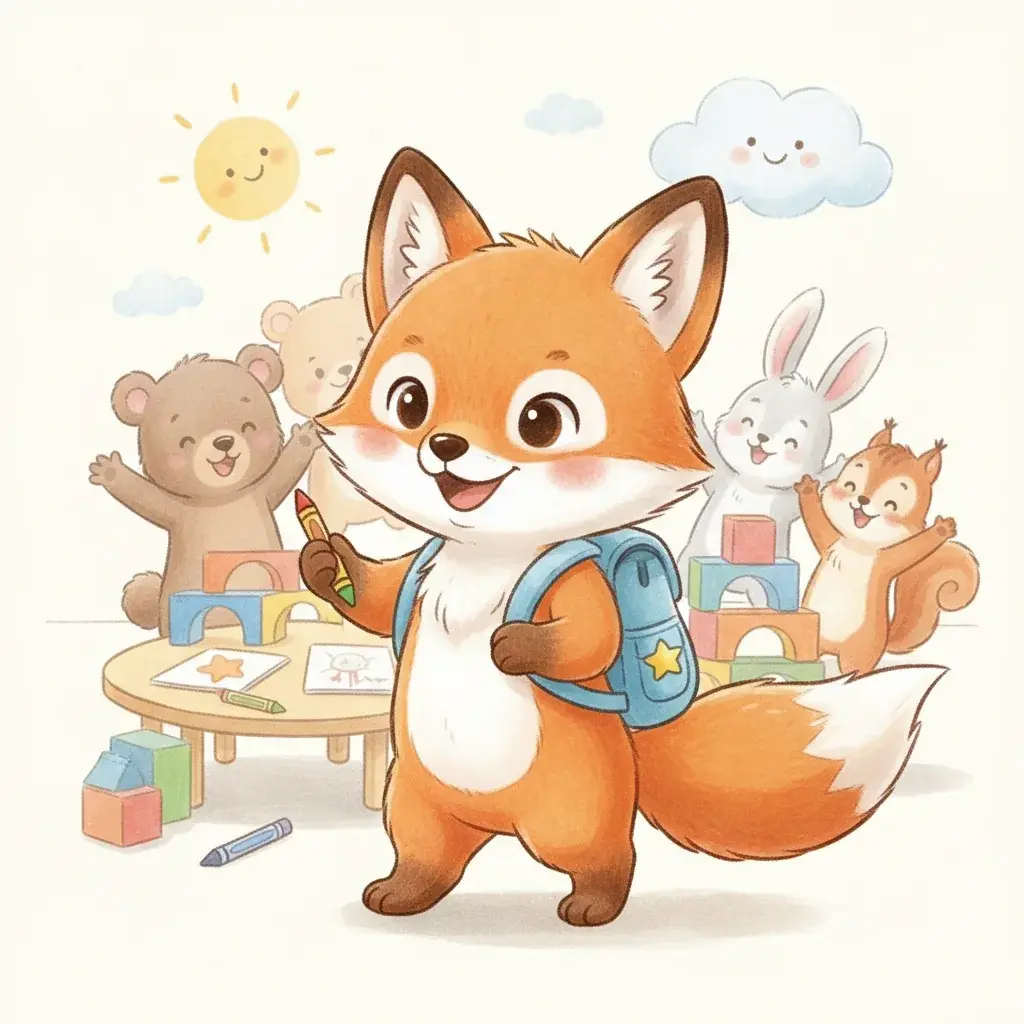
Il Mio Primo Giorno di Scuola con Gioia - Social Story

Support your child’s first school experience with this engaging social story. It helps children understand their emotions and what to expect on their first day.
Story Preview
Il Mio Primo Giorno di Scuola con Gioia
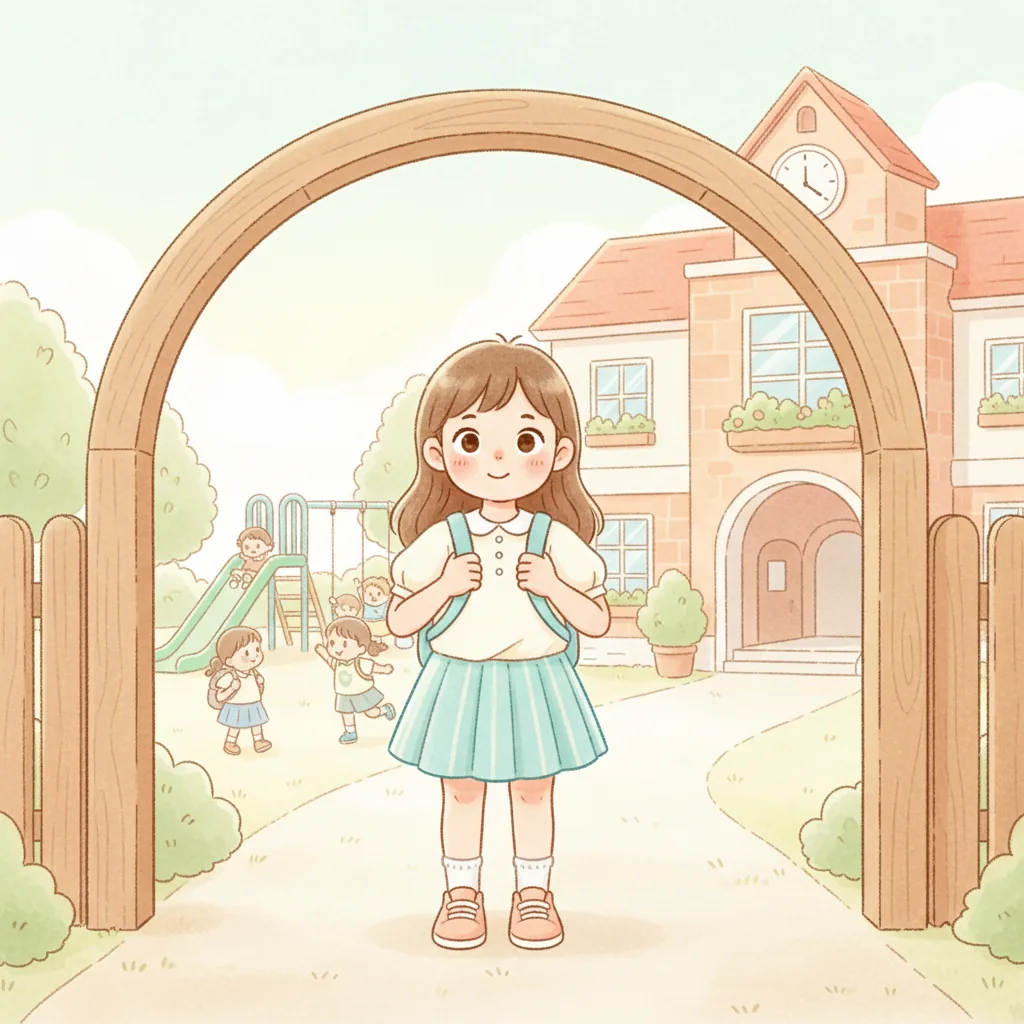
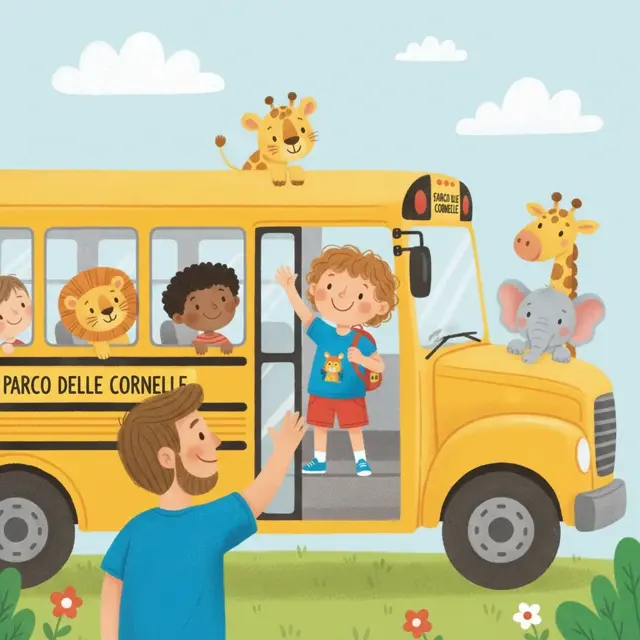
Oggi è il mio primo giorno di scuola. Mi sento emozionata e un po' nervosa.
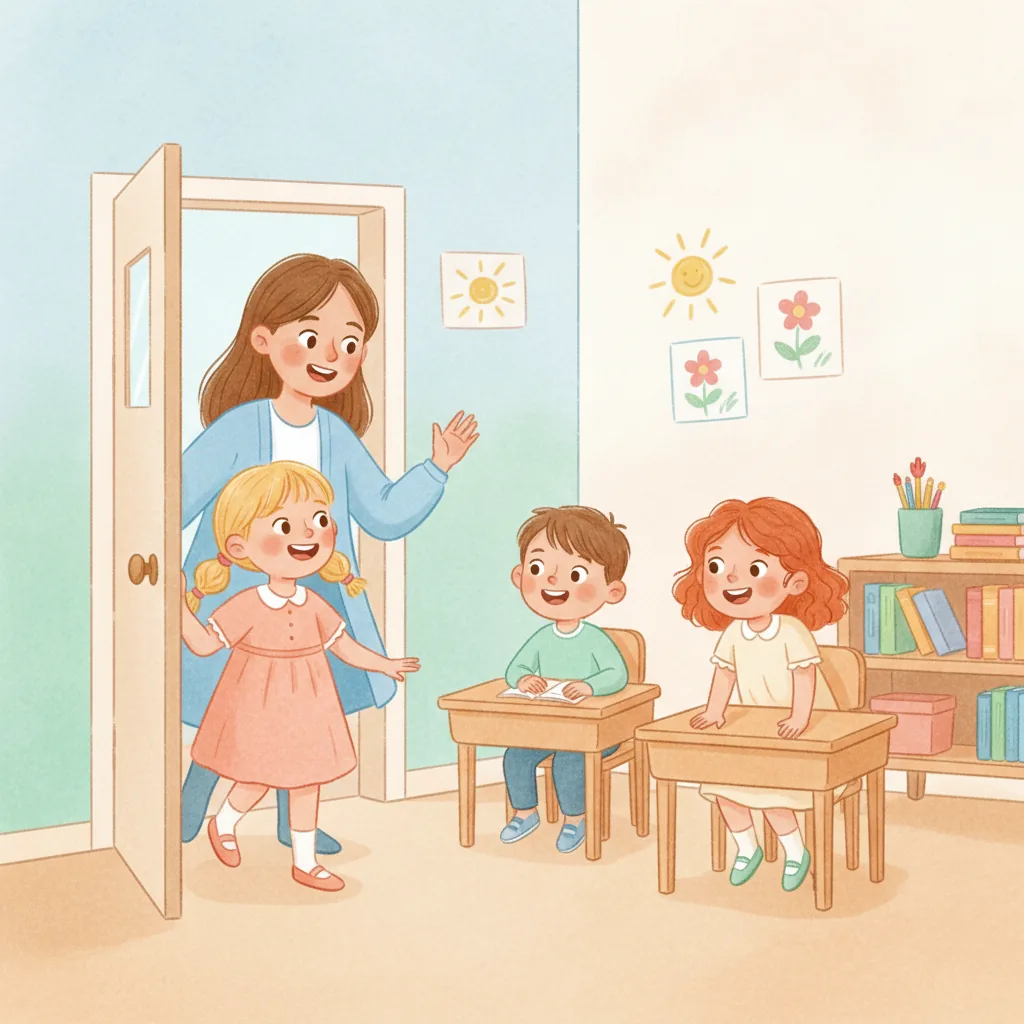
Quando entro in classe, vedo tanti bambini nuovi. Saluto la maestra con un sorriso.
Purchase to access all pages
Who Is This For?
What's Inside
This printable social story prepares children for their first school day, focusing on emotions and expectations.
About This Story
Il Mio Primo Giorno di Scuola con Gioia è una storia sociale progettata per aiutare i bambini a prepararsi per il loro primo giorno di scuola. Attraverso frasi semplici e immagini coinvolgenti, i bambini possono esplorare le emozioni e le aspettative associate a questa nuova avventura.
Questa risorsa include:
- Frasi positive per incoraggiare i bambini
- Illustrazioni che rappresentano situazioni scolastiche
- Attività per discutere le emozioni
Disclaimer: This resource supports learning. It does not replace professional advice.
How to Use This Story
When to use this story
"Il Mio Primo Giorno di Scuola con Gioia" is an ideal tool for children preparing for their first day of school. This story can be particularly helpful during the weeks leading up to the start of the school year, as well as in the days immediately prior. By reading this story together, parents, teachers, and therapists can help children navigate their feelings of excitement and nervousness, while also familiarizing them with the routines and experiences they will encounter.
What's inside
This social story takes children through a typical first day at school, capturing both the joy and the apprehension that often accompany new experiences. The narrative begins with the child expressing their emotions, saying, "Oggi è il mio primo giorno di scuola. Mi sento emozionata e un po' nervosa." It guides readers through familiar scenarios, such as greeting the teacher, settling in, and meeting new friends. The story captures the essence of the school environment, mentioning activities like snack time and group coloring, making it relatable and engaging. The vocabulary and themes are crafted to be straightforward, ensuring children can easily connect with the content.
What kids learn
Through "Il Mio Primo Giorno di Scuola con Gioia," children learn to recognize and articulate their emotions about new experiences. They gain insights into social interactions, such as how to greet others and share moments with new friends. The story also reinforces the importance of routines, helping children understand what to expect on their first day. By navigating these experiences in a safe narrative, children develop skills in emotional regulation and social skills, fostering a sense of confidence as they enter this new chapter.
Research context
The tradition of using social stories is well-supported by research in narrative-based social-emotional learning (SEL). Carol Gray, a pioneer in this field, emphasized the significance of storytelling in helping children comprehend social situations. The evidence suggests that narrative approaches can enhance understanding and emotional regulation, making social stories valuable tools in educational settings. By using relatable scenarios, stories like "Il Mio Primo Giorno di Scuola con Gioia" contribute to children's social and emotional development.
Tips for parents and educators
- Read the story together multiple times before the first day to build comfort and familiarity.
- Encourage the child to talk about their feelings before and after reading the story.
- Role-play scenarios from the story, such as meeting a teacher or making a new friend, to practice social skills.
- Use open-ended questions to promote discussion, such as "What are you excited about for your first day?"
- Incorporate activities from the story, like coloring, to make the experience more interactive.
- Remind the child that it’s okay to feel nervous and that many other kids will be feeling the same way.
How This Story Lands — Clinical Review & Perspectives
One named clinical review from our co-founder Rajini, plus three composite perspectives summarising how this story tends to land in a classroom, at home, and in therapy. How we write these.

A Heartwarming First Day Experience
As a speech-language pathologist, I find 'Il Mio Primo Giorno di Scuola con Gioia' to be an invaluable resource for young children facing their first school day. The story's relatable emotions, like excitement and nervousness, provide excellent discussion starters. I often use this story with my clients to help them articulate their feelings and expectations. Listening for phrases like ‘I feel excited’ allows for great language practice. The engaging narrative and age-appropriate language make it an effective tool for fostering communication and social skills.
Supports Sensory Regulation and Play
OTs often pair this kind of story with sensory regulation work, particularly for children who may feel overwhelmed by new environments. 'Il Mio Primo Giorno di Scuola con Gioia' provides a framework for discussing feelings and strategies to manage them. It can be used to facilitate play activities that mimic the school setting, helping children practice social skills in a safe space. The story also encourages fine motor skills through coloring activities, making it a versatile tool for therapy sessions.
Composite perspective synthesised from common feedback patterns — read how.
Sparking Conversations About School
Parents reading this story with their child often notice it sparks meaningful conversations about school experiences. The relatable scenarios help children express their feelings about starting school, making it easier for them to share their thoughts. The positive portrayal of new experiences also reassures parents about their child's transition. Many find that discussing the story's events helps their children visualize and prepare for their own first day, alleviating some anxiety and building excitement.
Composite perspective synthesised from common feedback patterns — read how.
Effective Tool for Inclusive Classrooms
In an inclusive classroom, this story works well because it addresses common feelings associated with starting school. Educators using small-group settings will find that the narrative's clear structure supports students in understanding what to expect. Visual supports can enhance engagement, and the repetition of key phrases helps reinforce vocabulary. This story encourages interaction among peers, fostering social connections while promoting emotional awareness, making it a great addition to lesson plans for first-day activities.
Composite perspective synthesised from common feedback patterns — read how.
Frequently Asked Questions
How can 'Il Mio Primo Giorno di Scuola con Gioia' help my child feel more comfortable about starting school?
This social story is designed to guide your child through their first school experience in a fun and engaging way. With relatable illustrations and simple language, it helps children understand what to expect on their first day and explore their feelings about it. The included activities like role play and vocabulary exercises encourage interaction, making the transition smoother and less intimidating.
How can I use this story with my child?
Read it together before school starts to help them feel prepared.
What age is this social story suitable for?
This social story is designed for preschool-aged children.
You May Also Like


Read More
Creating an Inclusive SEL Classroom for Neurodivergent Students
To create an inclusive SEL classroom for neurodivergent students, incorporate anti-masking practices, adapt curricula, and engage culturally responsive methods. Parents can advocate for these changes
Read article →Push-In vs Pull-Out Services: Navigating the Best Approach for Your Child
Push-in and pull-out services are two key approaches in special education. Push-in involves therapists working within the classroom, promoting social skills and reducing stigma. Pull-out offers focuse
Read article →Understanding SEL in Schools: A Parent's Guide to Social Emotional Learning
Social Emotional Learning (SEL) enhances children's emotional and social skills. Programs like Second Step and Sanford Harmony integrate SEL into classrooms. Parents can support SEL by engaging with e
Read article →
This resource supports learning. It does not replace professional advice.