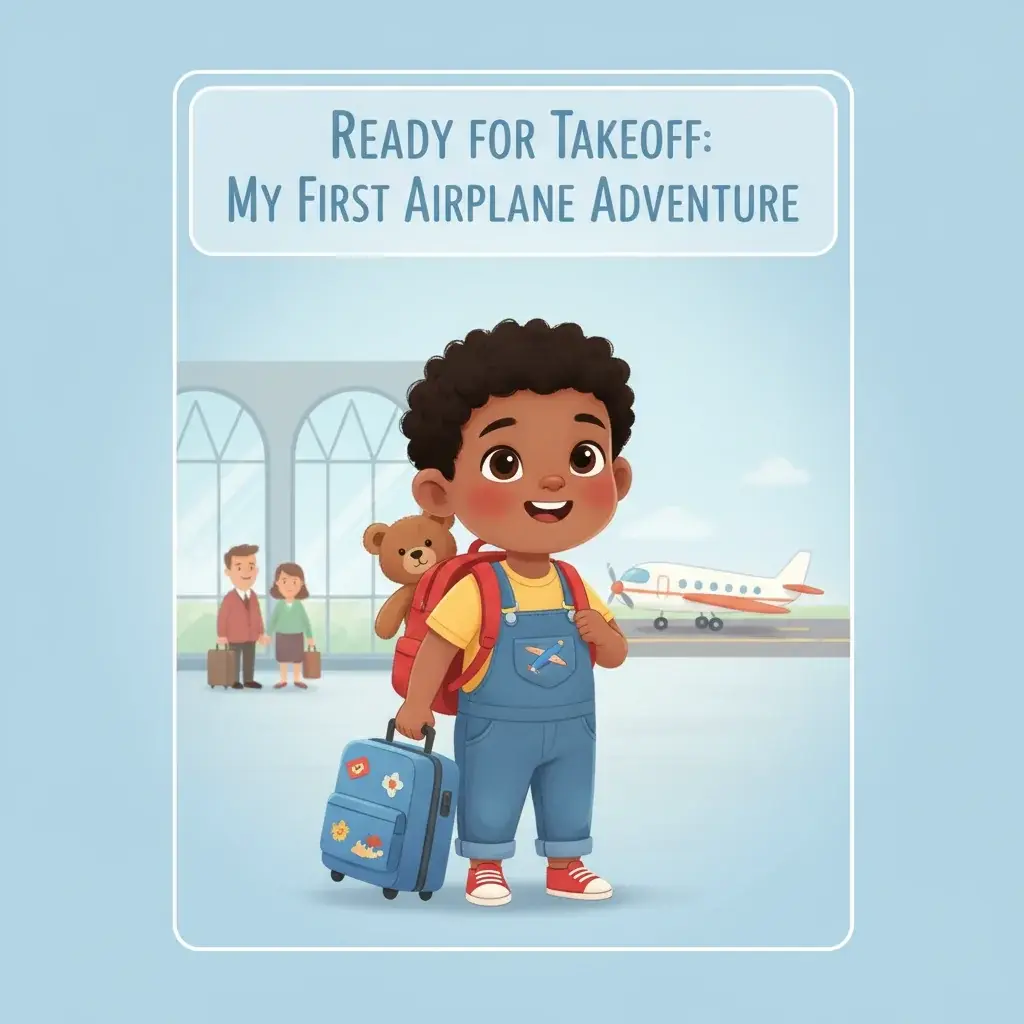
Ready for Takeoff: My First Airplane Adventure

Join your child on their first airplane adventure with this engaging social story. Perfect for preparing little ones for travel, it fosters excitement and bravery.
Story Preview
Ready for Takeoff: My First Airplane Adventure
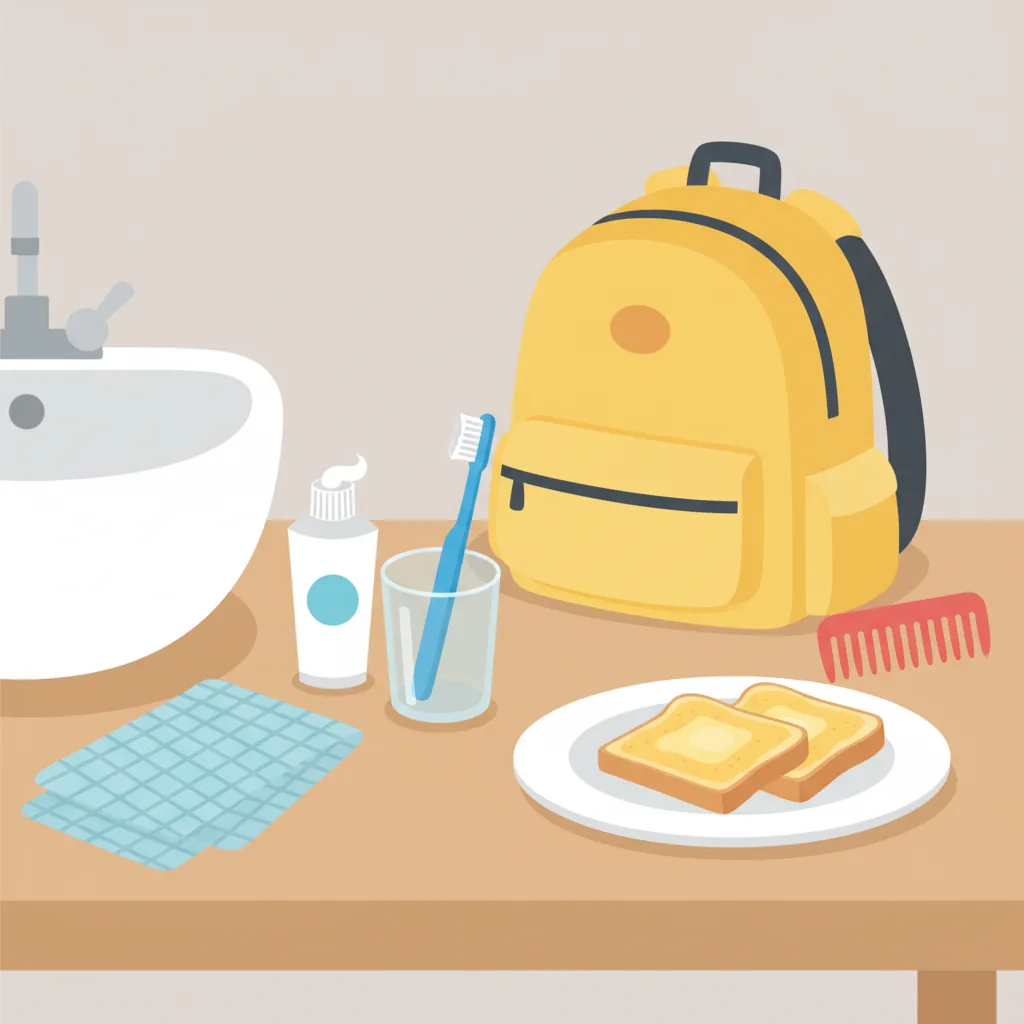
I packed my bag. I put in my teddy bear. I felt excited.
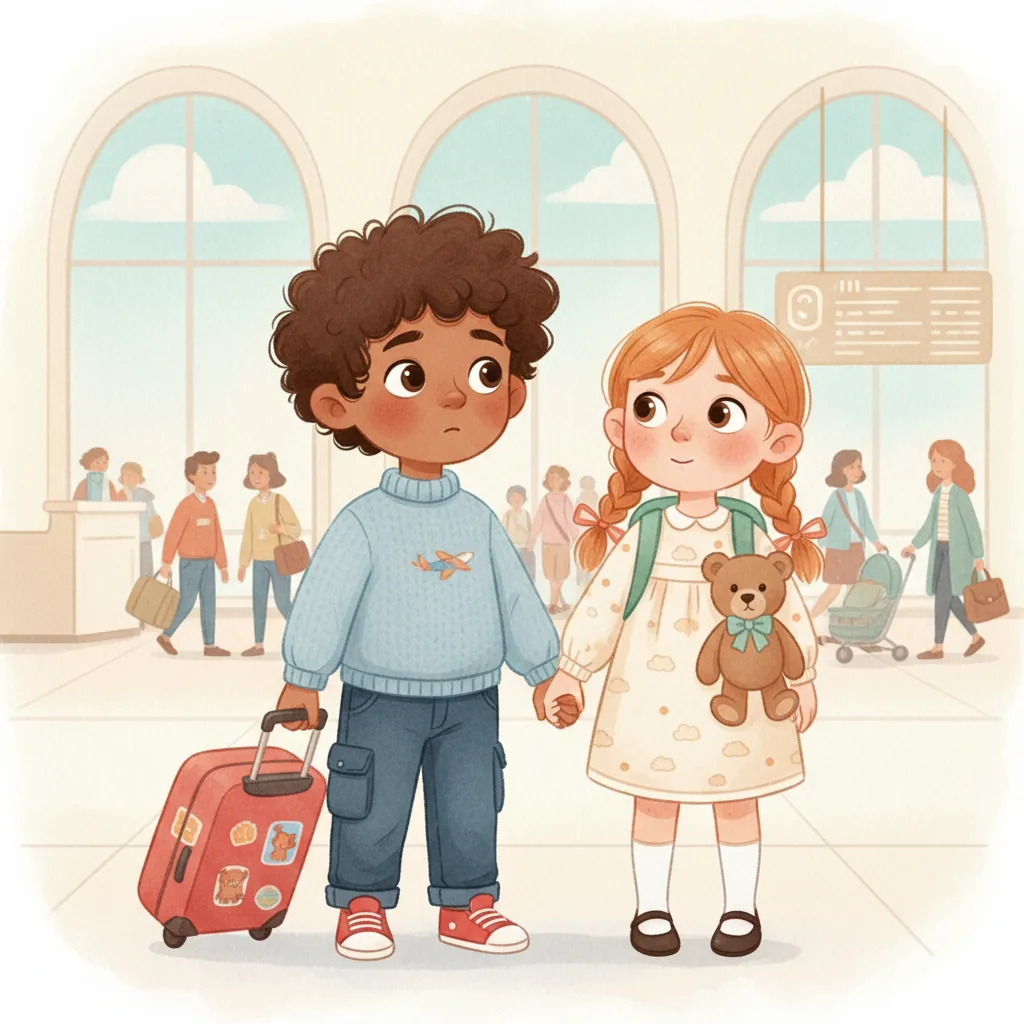
We went to the airport. There were lots of people. It was busy.
Purchase to access all pages
Who Is This For?
What's Inside
This social story includes relatable sentences about packing, the airport experience, and feelings of bravery during travel.
About This Story
Get ready for an exciting journey with "Ready for Takeoff: My First Airplane Adventure." This printable social story helps children understand what to expect during their first airplane ride. With relatable sentences and engaging illustrations, it encourages feelings of bravery and excitement.
Key Features:
- Simple, relatable language
- Encourages emotional readiness
- Perfect for preschoolers and early learners
Disclaimer: This resource supports learning. It does not replace professional advice.
How to Use This Story
When to use this story
This story is ideal for preschoolers who are preparing for their first airplane journey. It can be particularly helpful when families are planning a trip, allowing children to familiarize themselves with the airport experience. Using this social story can ease any apprehension about traveling and help children understand what to expect at each step of the journey, from packing their bags to boarding the airplane.
What's inside
"Ready for Takeoff: My First Airplane Adventure" takes young readers through each moment of an exciting travel experience. Starting with the anticipation of packing a bag and including a beloved teddy bear, the story beautifully captures the feelings of excitement and curiosity. As the narrative unfolds, children accompany the main character to a bustling airport, where they navigate through security and engage with friendly staff. Key scenes include:
- Watching planes through the big windows at the gate.
- Interactions that build social skills, such as saying "thank you" to staff.
- A gentle exploration of feelings, emphasizing safety and support from caregivers.
This story is designed with simplicity in mind, making it accessible for young readers while also fostering engagement with activities like vocabulary building and role play.
What kids learn
Through this engaging narrative, children learn about:
- The process of traveling by airplane in a fun, relatable way.
- Important social interactions, such as thanking others and feeling comfortable in busy environments.
- How to manage feelings of excitement and curiosity in new situations.
- The importance of support from family members during new experiences.
Research context
Social stories have been recognized as valuable tools for helping children understand and navigate various social situations. Building on the foundational work of Carol Gray, social stories encourage narrative-based learning and can enhance social-emotional skills. The use of storytelling in educational contexts promotes engagement and understanding, making experiences less daunting for children. This approach aligns well with current research emphasizing the benefits of narrative-based social-emotional learning, which supports children's ability to process and express their feelings in different scenarios.
Tips for parents and educators
- Read the story multiple times before the trip to build familiarity.
- Encourage your child to share their feelings about the upcoming adventure.
- Use role play to practice different airport scenarios, such as checking in or going through security.
- Highlight moments in the story that can be related to your child's own experiences for deeper connection.
- Discuss the importance of being patient and polite in busy environments, using examples from the story.
- Create a travel checklist together, incorporating items mentioned in the story, to enhance their engagement.
How This Story Lands — Clinical Review & Perspectives
One named clinical review from our co-founder Rajini, plus three composite perspectives summarising how this story tends to land in a classroom, at home, and in therapy. How we write these.

Engaging Story for Young Travelers
As a speech-language pathologist, I often use 'Ready for Takeoff: My First Airplane Adventure' to prepare children for travel. The story’s age-appropriate language and relatable scenarios help kids articulate their feelings about flying. During and after the reading, I encourage them to share their own experiences or ask questions about what they see in the illustrations. This not only fosters vocabulary development but also encourages conversation, making it a valuable resource for my preschool caseload.
Great for Sensory Preparation
OTs often pair this kind of story with sensory regulation activities, using it to prepare children for the various sights and sounds of the airport. In sensory-regulation work, this story can be used to discuss feelings and coping strategies, making it easier for kids to transition into new environments. The narrative helps children visualize what to expect, which can significantly reduce anxiety and enhance their overall travel experience.
Composite perspective synthesised from common feedback patterns — read how.
Sparking Excitement for Travel
Parents reading this with their child often notice that it sparks conversations about travel and what to expect at the airport. The friendly tone and simple storyline make it easy for little ones to connect with. Many families find that discussing the story helps ease any anxiety about flying, allowing for a more enjoyable experience. This book is a helpful way to familiarize children with the travel process before their first airplane adventure.
Composite perspective synthesised from common feedback patterns — read how.
Excellent Tool for Inclusive Classrooms
In an inclusive classroom, this story works well because it provides a structured narrative that many children can relate to, especially those who may be anxious about travel. Educators using small-group settings will find that the repetitive phrases and clear illustrations support comprehension and engagement. Visual supports can be paired with the story to enhance understanding, making it an effective tool for fostering social interaction and preparing kids for real-life experiences like flying.
Composite perspective synthesised from common feedback patterns — read how.
Frequently Asked Questions
What activities are included in the story to enhance my child's learning?
This social story includes a variety of interactive activities that promote vocabulary building, spelling, comprehension, and creativity. Children can role-play different scenarios related to air travel, encouraging them to express their thoughts and feelings, which helps build confidence as they prepare for their adventure.
How does 'Ready for Takeoff' help my child prepare for their first airplane trip?
'Ready for Takeoff: My First Airplane Adventure' is designed to engage young children by introducing them to the adventure of flying in a fun and relatable way. Through colorful illustrations and simple text, it helps children understand what to expect at the airport, on the plane, and during the flight, making them feel more comfortable and excited about their journey.
What age is this story suitable for?
This story is designed for preschool-aged children.
You May Also Like
Read More
Understanding Preschool Friendships: A Parent's Guide to SEL
Preschool friendships evolve through stages from 'momentary playmates' to budding reciprocity. Supporting your child's social-emotional development involves understanding these stages, encouraging par
Read article →Supporting Preschoolers' Big Feelings through SEL
Preschoolers often experience intense emotions due to their developing brains. Utilizing tools like Buron's 5-Point Scale and emotion thermometers, parents can help children understand and regulate th
Read article →Imaginary Friends and Your Child's Social-Emotional Development
Imaginary friends, common in preschoolers, foster social-emotional growth by enhancing creativity, empathy, and communication. They help children practice theory of mind skills, vital for understandin
Read article →
This resource supports learning. It does not replace professional advice.