
Weekend Adventures: Fun Plans and Back to School

Prepare for exciting weekends and a smooth return to school with this engaging social story. Perfect for preschoolers, it helps children express their feelings about weekend fun and school.
Story Preview
Weekend Adventures: Fun Plans and Back to School
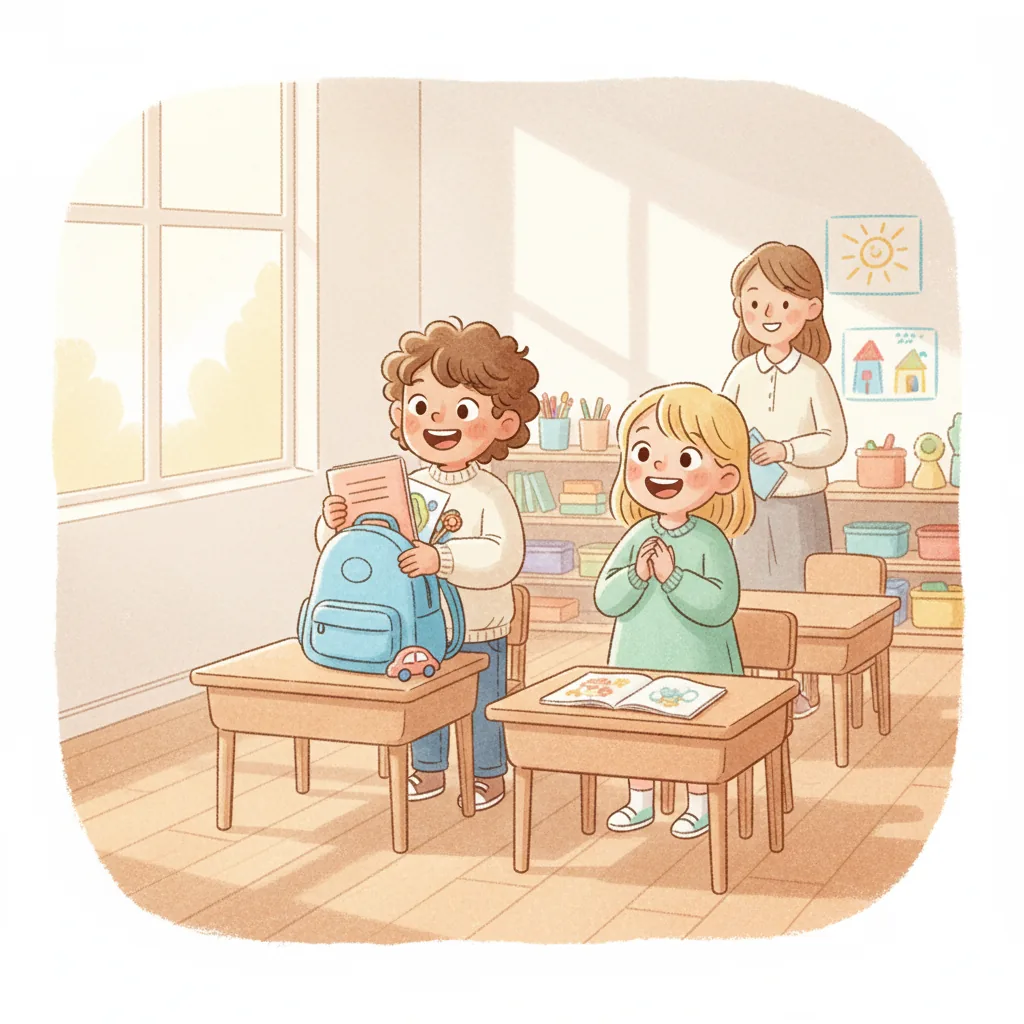
On Friday, school ends, and I feel excited.
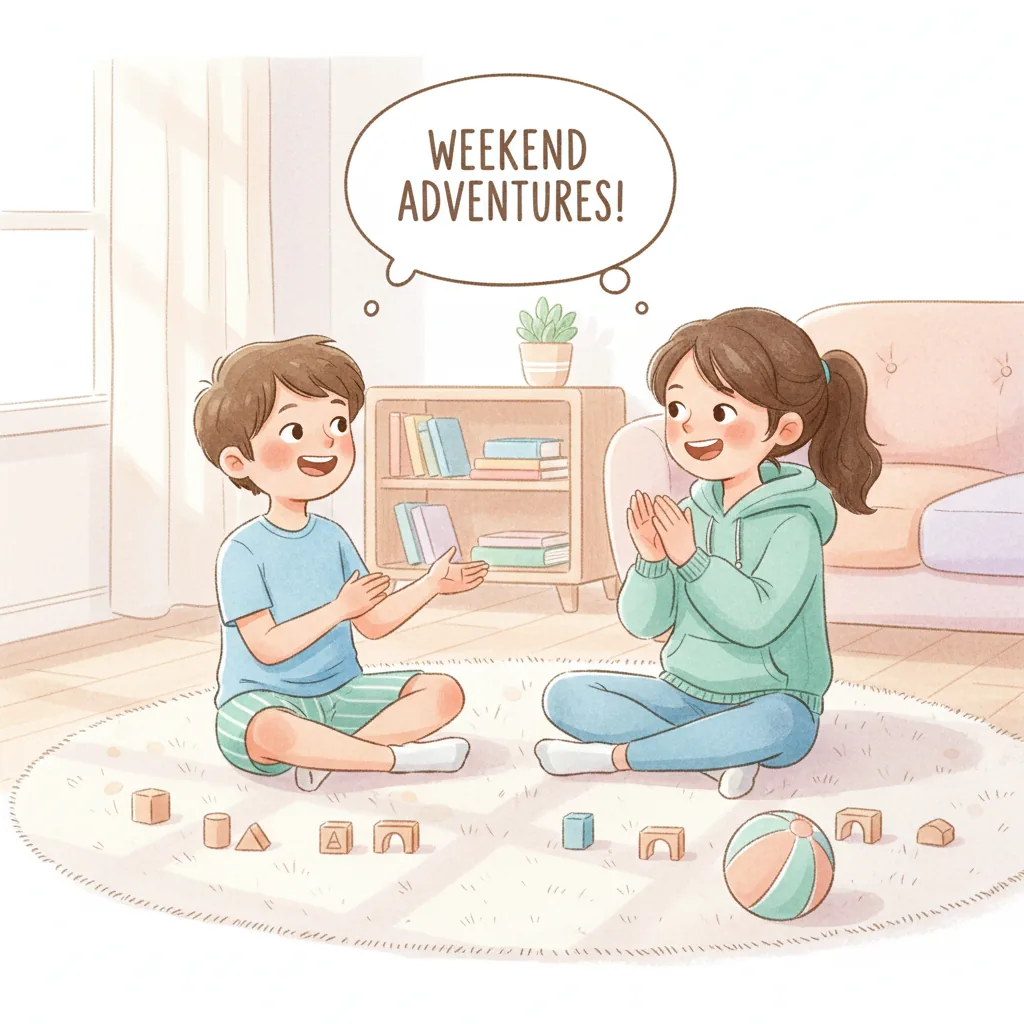
I have fun plans for the weekend.
Purchase to access all pages
Who Is This For?
What's Inside
This social story includes relatable scenarios about weekend adventures and returning to school, fostering emotional readiness.
About This Story
This printable social story helps children navigate the excitement of weekends and the transition back to school. It includes relatable sentences to foster understanding and emotional expression.
Key Features:
- Engaging illustrations
- Relatable scenarios
- Supports emotional readiness
This resource supports learning. It does not replace professional advice.
How to Use This Story
When to use this story
Use "Weekend Adventures: Fun Plans and Back to School" to support children in navigating the feelings associated with weekends and returning to school. This story is particularly helpful before the weekend begins or as the school year approaches. It offers a gentle introduction to the joys of weekend activities while fostering emotional readiness for the transition back to school. By engaging with the story, children can learn to express their excitement and any concerns they may have about their routines and social interactions.
What's inside
This social story is designed with young children in mind, featuring relatable scenarios and engaging language. It begins with the excitement of Friday, saying, "On Friday, school ends, and I feel excited." From there, it explores various weekend activities, such as visiting the park and playing with friends, capturing the joy of these moments. As the story unfolds, it includes interactive opportunities for children to connect with the text, like asking questions and imagining scenarios. With activities that promote vocabulary development, spelling, comprehension, and creativity, this story ensures that learning is both fun and meaningful.
What kids learn
Through "Weekend Adventures," children learn to articulate their feelings about both weekend fun and the school environment. They will develop skills in:
- Expressing excitement and anticipation
- Engaging in social interactions with friends
- Understanding transitions between home and school settings
- Exploring their emotions related to change and routine
These skills not only enhance their emotional awareness but also encourage positive social interactions and readiness for new experiences.
Research context
The tradition of using social stories to aid children in understanding social situations is well-established. Influential work in this field, particularly from pioneers like Carol Gray, has shown that narrative-based approaches can effectively support social-emotional learning (SEL). This method allows children to visualize and internalize experiences, making them more prepared for real-life interactions. Studies in narrative-based SEL highlight the importance of storytelling as a tool for fostering emotional understanding and social skills, particularly in early childhood settings.
Tips for parents and educators
- Read the story together and discuss each weekend activity, allowing children to share their own experiences.
- Use role-play to reenact scenarios from the story, encouraging children to practice social interactions.
- Ask open-ended questions about how they feel before and after weekends or school days.
- Create a weekend plans chart together, combining ideas from the story with their own interests.
- Reinforce the concepts learned in the story by creating a routine that incorporates both school and weekend activities.
How This Story Lands — Clinical Review & Perspectives
One named clinical review from our co-founder Rajini, plus three composite perspectives summarising how this story tends to land in a classroom, at home, and in therapy. How we write these.

Engaging Story for Weekend Planning Skills
As a pediatric speech-language pathologist, I find 'Weekend Adventures: Fun Plans and Back to School' to be an excellent resource for my young clients. The narrative allows for discussions about feelings and weekend activities, which are both relatable and engaging for preschoolers. While reading, I encourage children to express their excitement and ask questions about their own plans. It's important to listen for their use of language around emotions and sharing experiences, which helps build their communication skills and confidence in social settings.
Supports Routine and Sensory Regulation
OTs often pair this kind of story with activities that promote routine and sensory regulation. In sensory-regulation work, this story can be used to help children articulate their feelings about weekend activities and transitioning back to school. It provides a familiar structure that can be revisited, allowing for practice in expressing emotions and social interactions. This story also encourages children to engage in imaginative play related to the activities discussed.
Composite perspective synthesised from common feedback patterns — read how.
Sparking Weekend Conversations at Home
Parents reading this with their child often notice how it sparks conversations about weekend plans and feelings about returning to school. The relatable scenarios help kids articulate their excitement, and they enjoy sharing their own experiences. Many parents appreciate how it encourages their children to express what they enjoy doing on weekends. This story becomes a springboard for deeper conversations, making it a valuable addition to family reading time.
Composite perspective synthesised from common feedback patterns — read how.
Great for Inclusive Classroom Discussions
In an inclusive classroom, this story works well because it provides a clear framework for discussing weekends and transitions back to school. Educators using small-group settings will find that the repetition of key phrases helps reinforce understanding. Visual supports can be integrated alongside the story to aid comprehension, especially for students who thrive on visual cues. Overall, its relatable content fosters a sense of community among students as they share their weekend plans.
Composite perspective synthesised from common feedback patterns — read how.
Frequently Asked Questions
How can this social story help my child transition back to school?
The Weekend Adventures social story offers a gentle way for children to explore their feelings about returning to school after the weekend. Through relatable scenarios and interactive tasks, kids can build confidence and develop a positive mindset about their school experiences, making the transition smoother and more enjoyable.
What activities are included in the Weekend Adventures social story?
This social story features a variety of engaging activities such as vocabulary building, spelling exercises, comprehension questions, and creative role-play scenarios. These activities are designed to help children express their feelings about both weekend fun and returning to school, making it a well-rounded resource for early elementary students.
What age is this social story suitable for?
This social story is designed for preschool-aged children.
You May Also Like




Read More
Back-to-School Success for Neurodivergent Kids: An SEL Guide
Support neurodivergent children during back-to-school transitions with SEL strategies. Focus on self-awareness, routines, and social connections to reduce anxiety and foster growth.
Read article →Understanding Preschool Friendships: A Parent's Guide to SEL
Preschool friendships evolve through stages from 'momentary playmates' to budding reciprocity. Supporting your child's social-emotional development involves understanding these stages, encouraging par
Read article →Supporting Preschoolers' Big Feelings through SEL
Preschoolers often experience intense emotions due to their developing brains. Utilizing tools like Buron's 5-Point Scale and emotion thermometers, parents can help children understand and regulate th
Read article →
This resource supports learning. It does not replace professional advice.