The Essential SEL Tools for Supporting Neurodivergent Children
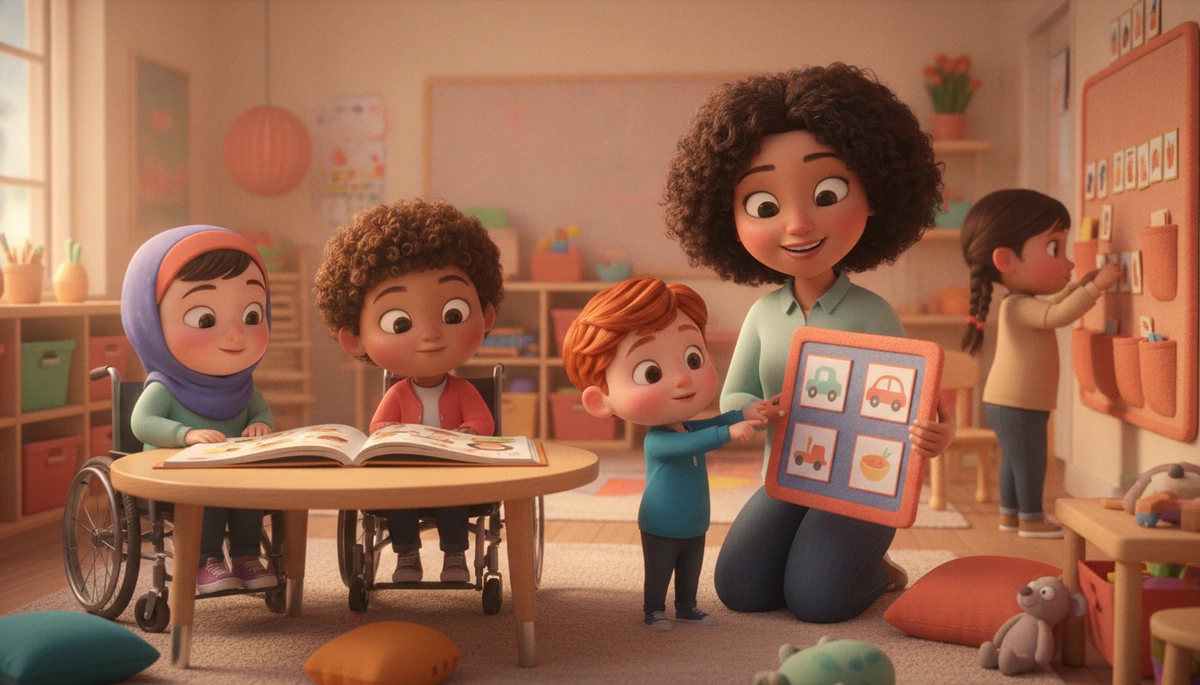
The 6 Main SEL Tools
Navigating the world of Social-Emotional Learning (SEL) can be overwhelming for parents trying to support their neurodivergent children. Social stories, visual schedules, first-then boards, role-play, comic strip conversations, and emotion charts are popular SEL tools, each serving distinct purposes. This article is part of our complete guide to Social Stories: A Complete Guide (Carol Gray Method). Here, we’ll help you determine when to use each tool by providing a decision guide based on specific needs.
- Social Stories: Developed by Carol Gray, these stories help children understand social norms and expectations by illustrating specific scenarios and appropriate responses 1.
- Visual Schedules: These give a clear sequence of events or activities, aiding children in understanding what happens next.
- First-Then Boards: Help with transitions by showing what needs to be done before a preferred activity can occur.
- Role-Play: Allows children to practice specific behaviors or scenarios in a safe environment.
- Comic Strip Conversations: These help children process and reflect on past events by visually mapping out interactions.
- Emotion Charts: Assist children in identifying and expressing their emotions, a key aspect of self-awareness.
Each tool can be a valuable part of an SEL toolkit, depending on the situation. Let's dive into when to use social stories versus other tools.
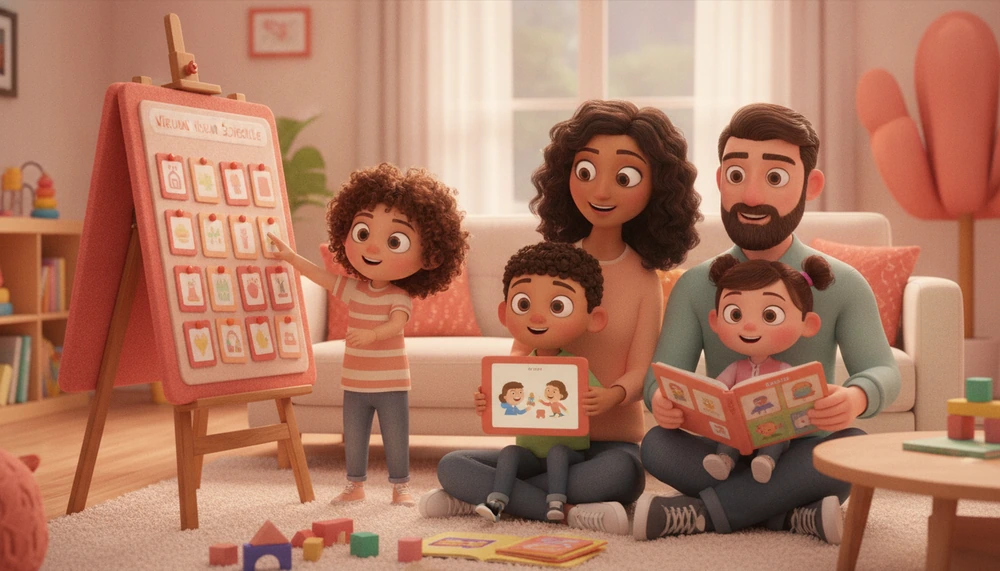
Use a Social Story When: Teaching a Concept
Social stories are particularly effective when introducing or reinforcing specific concepts, such as sharing or taking turns. They offer a structured narrative that explains the why and how of social norms, making them ideal for children who benefit from clear, step-by-step explanations. This structured approach is rooted in the understanding that children, especially those who are neurodivergent, often need explicit instruction to grasp abstract social concepts. By reading and re-reading these stories, children can internalize social cues and expectations, leading to better social interactions.
Example: Imagine your child, Alex, struggles with sharing toys. A social story like Sharing Toys with Friends Social Story can illustrate this concept through relatable characters and simple language.
In my practice, I've seen many parents successfully use social stories to teach concepts like personal space and waiting patiently. For instance, one family found that a social story about using "inside voices" helped their child understand the context and importance of volume control at home and school.
For more on crafting effective social stories, check out Writing Your First Social Story (Worked Example, Step by Step).
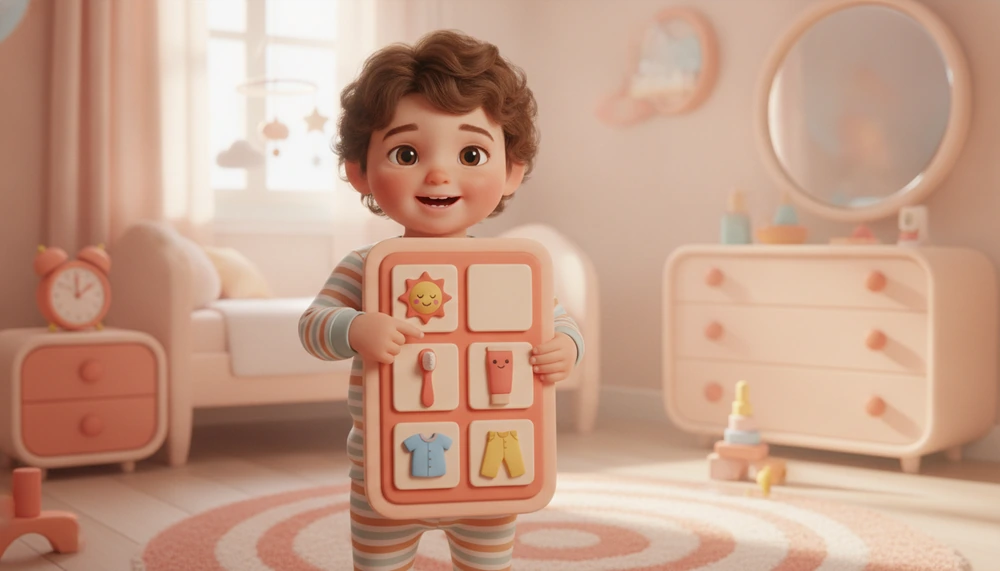
Use a Visual Schedule When: Sequencing Steps
When your child needs help understanding the order of activities, a visual schedule can be a powerful tool. It visually lays out the sequence of steps, providing clarity and reducing anxiety about what's next. Visual schedules can be particularly beneficial for children who thrive on routine and predictability. By having a tangible representation of their day, children can feel more in control and less overwhelmed by transitions.
Example: Picture a morning routine. A visual schedule depicting "wake up," "brush teeth," "get dressed," and "eat breakfast" can help a child like Maya follow her morning routine independently.
Scripted Dialogue:
- Parent: "Maya, let's check your schedule to see what comes after breakfast."
- Child: "It's time to get dressed!"
- Parent: "That's right! You're doing great following your schedule."
Incorporating visual schedules can also support autonomy in children by allowing them to anticipate and prepare for transitions throughout the day. In my experience, visual schedules are often the first step families take towards fostering independence in their children.
Use First-Then When: Needing a Transition Push
For children who find transitions challenging, first-then boards can be incredibly helpful. They motivate by clearly showing what needs to be done before a preferred activity can occur. This method aligns with the SEL competency of self-management, as it helps children learn to prioritize tasks and delay gratification.
Example: If your child is hesitant to finish homework, a first-then board might state, "First homework, then playtime." This simple setup can help shift focus from the task to the reward.
Scripted Dialogue:
- Parent: "First, we finish homework, then we can play Super Mario."
- Child: "Okay, I want to play Super Mario now!"
- Parent: "I know you do! Let's finish this math problem first."
This approach can be especially effective in reducing resistance and increasing cooperation during daily routines. I've seen many children respond positively to the clear structure provided by first-then boards, leading to smoother transitions.
Use Role-Play When: Practicing Behavior
Role-play is a dynamic tool for practicing specific behaviors or scenarios, providing a safe space for children to experiment and learn through doing. Through role-play, children can explore different social situations, which helps them build relationship skills by understanding multiple perspectives.
Example: Suppose your child has difficulty asking peers to play. Practicing this interaction through role-play can build confidence.
In My Practice: I've guided many parents in setting up simple role-play sessions at home. One parent shared that acting out different playground scenarios helped their child learn to approach kids with confidence and kindness.
Real-Life Script:
- Parent: "Let's pretend you're at the playground, and I'm a new friend."
- Child: "Hi, do you want to play on the swings with me?"
- Parent: "I'd love to! Thanks for asking."
For more on building friendship skills, see Friendship Skills by Age: A Parent's Guide for Ages 3 to 12.

Use Comic Strip Conversation When: Processing a Past Event
Comic strip conversations are perfect for helping children process and reflect on past events. They visually map out interactions, which can be especially beneficial for children who think more visually. These conversations can enhance social awareness by allowing children to see how their actions affect others and how they might respond differently in the future.
Example: If your child had a disagreement with a friend, a comic strip conversation can help them see the interaction from different perspectives and consider alternative responses.
Scripted Dialogue:
- Parent: "Let's draw what happened when you and Sam disagreed."
- Child: "I said he couldn't play."
- Parent: "And how did Sam feel?"
- Child: "He was sad. Maybe I can ask him to play next time."
This tool fosters empathy and problem-solving by helping children visualize social interactions and their emotional impacts. In my practice, I've found that children often gain new insights into their social experiences through this visual exploration.
Decision Tree (Free Download)
Deciding which SEL tool to use can be simplified with a decision tree. This visual guide helps parents choose the right tool based on their child's specific needs and situations. Download our free decision tree to guide your choices, ensuring you're using the most effective tool for each scenario.
To explore more about social stories and their applications, visit our Free Social Story Library: 30+ Downloadable PDFs by Scenario.

References
1 Gray, C. (2010). The New Social Story Book. Future Horizons.
2 Prizant, B. et al. (2006). The SCERTS Model.
Try It This Week
Reading is the easy part. Skills build through small, repeated practice — here's a low-pressure plan you can try with your child.
- 1Create a Social StoryDay 1-2Develop a social story for a specific concept your child struggles with. This helps in understanding social expectations.use this story →👉 What this looks likeIdentify a social skill your child needs help with, like taking turns. Write a simple story where a character successfully takes turns and has fun. Read it with your child, and discuss how they can apply it in their life. Use illustrations or characters they relate to.
- 2Implement a Visual ScheduleDay 3Set up a visual schedule for a common routine. It will aid in reducing anxiety and promoting independence.👉 What this looks likeCreate a visual schedule for bedtime. Include steps like 'brush teeth,' 'put on pajamas,' and 'read a book.' Use images or stickers to represent each step. Review the schedule with your child each night to build consistency.
- 3Use a First-Then BoardDay 4-5Introduce a first-then board for challenging transitions, showing task order and rewards.👉 What this looks likeDuring homework time, use a first-then board: 'First math worksheet, then 15 minutes of video game.' This setup clarifies expectations and rewards, helping your child manage their tasks.
- 4Role-Play Social ScenariosThis weekendPractice social interactions through role-play to boost confidence and social skills.in the SocialBlossom app →👉 What this looks likeRole-play a scenario where your child invites a friend to play. Use stuffed animals or action figures if your child is shy. Practice different responses and encourage your child to express how they feel during the interaction.
- 5Create a Comic Strip ConversationOnce this weekUse comic strips to reflect on past social interactions, building empathy and problem-solving skills.👉 What this looks likeAfter a social conflict, help your child draw a comic strip of the event. Discuss each panel, focusing on feelings and alternative actions. This visual representation helps them understand different perspectives and outcomes.
Frequently Asked Questions
What are social stories?
How do visual schedules support children?
When should I use a first-then board?
Why is role-play important for SEL?
How do comic strip conversations work?
Can I use multiple SEL tools together?
References