
Calm Down Steps When I'm Feeling Angry

Help your child learn to manage anger with this printable social story. It offers simple steps to calm down and regain control of emotions.
Story Preview
Calm Down Steps When I'm Feeling Angry
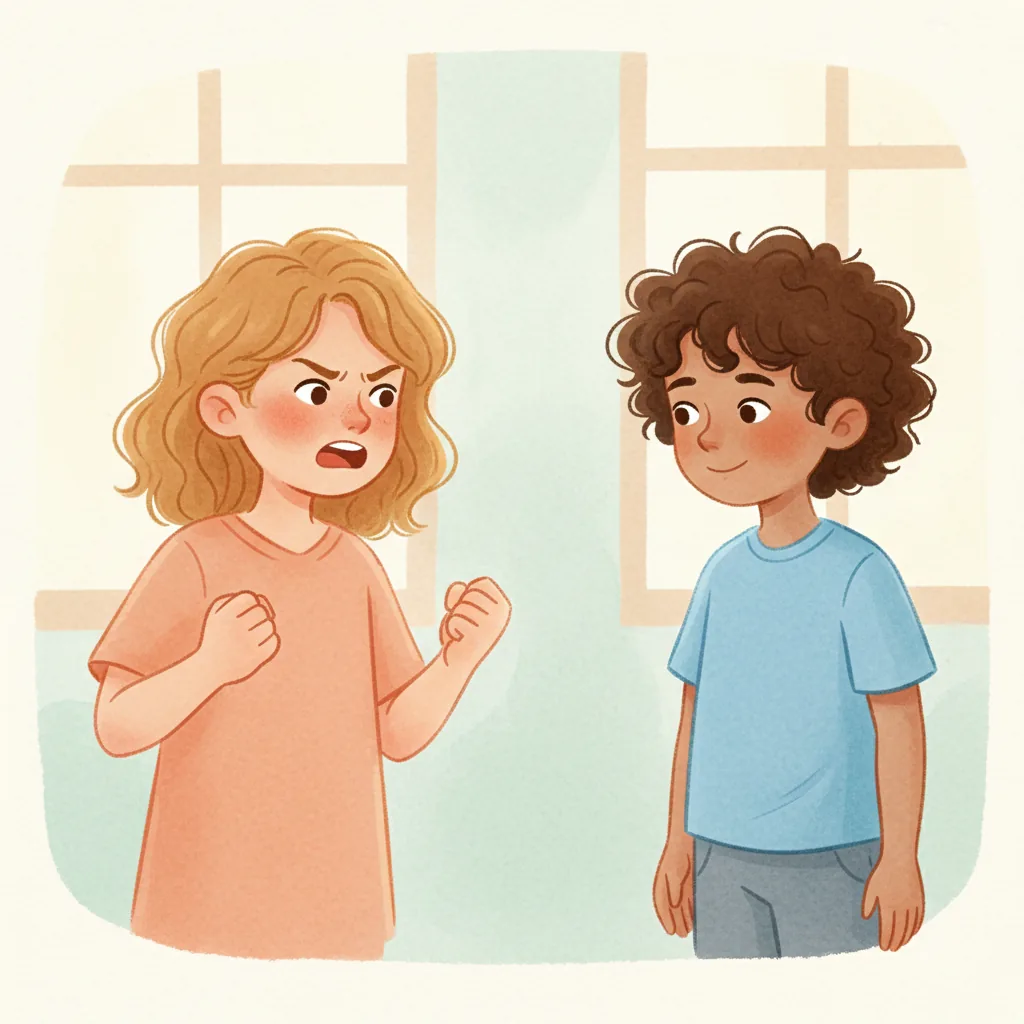
Sometimes, I feel angry. My fists get tight. My voice gets loud.
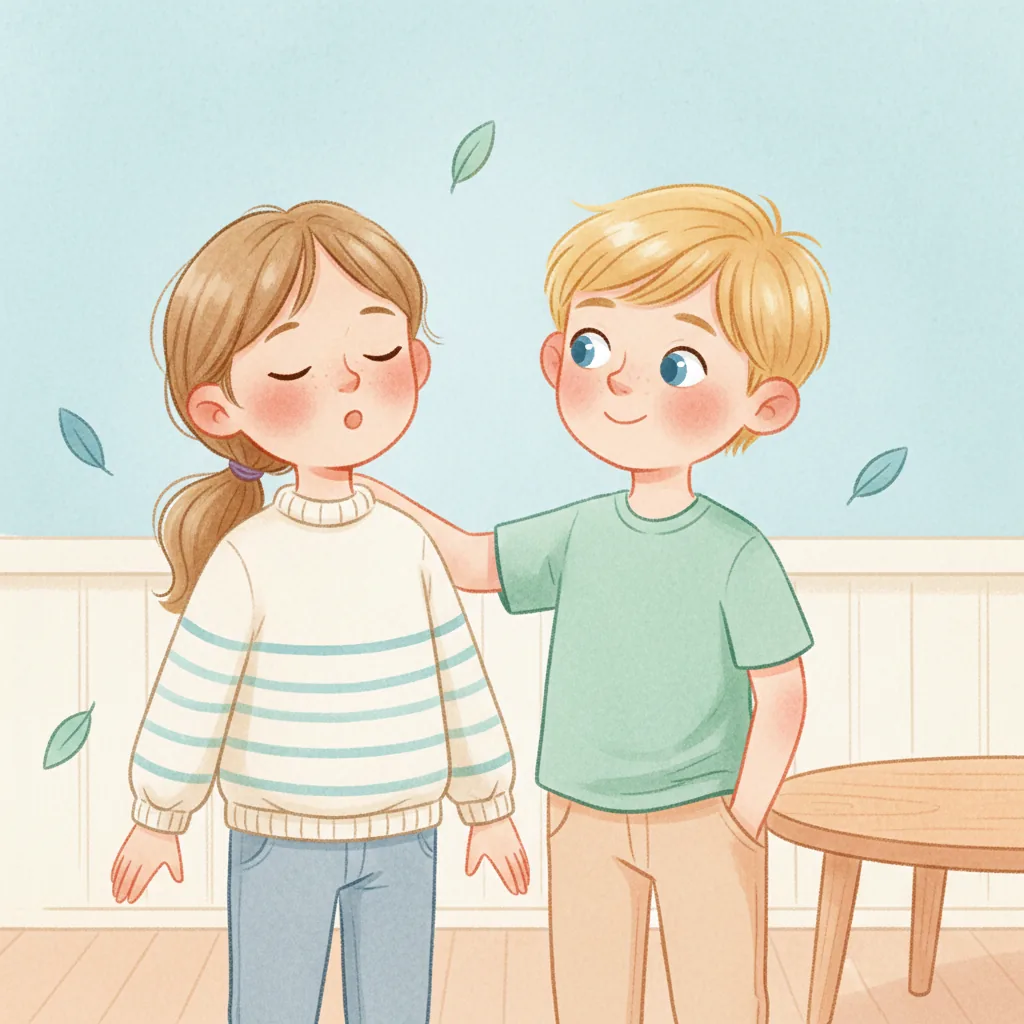
When I feel this way, I can take a deep breath. This helps me calm down.
Purchase to access all pages
Who Is This For?
What's Inside
This social story includes calming techniques and relatable scenarios to help children manage anger effectively.
About This Story
Feeling angry is a normal part of life. This printable social story guides children through effective calm down steps when they experience anger. With relatable scenarios and supportive language, your child will learn to recognize their feelings and how to manage them.
Key Features:
- Simple, clear language
- Engaging illustrations
- Practical strategies for calming down
Disclaimer: This resource supports learning. It does not replace professional advice.
How to Use This Story
When to use this story
This social story, Calm Down Steps When I'm Feeling Angry, is a helpful resource for moments when children may experience strong feelings of anger. It is particularly beneficial during transitions, peer interactions, or when facing unexpected changes. Using this story can empower children to identify and manage their emotions more effectively, fostering resilience and emotional intelligence.
What's inside
In Calm Down Steps When I'm Feeling Angry, children are guided through relatable scenarios that illustrate feelings of anger. The story begins with simple statements like, "Sometimes, I feel angry. My fists get tight. My voice gets loud." It offers clear, actionable steps to help children navigate these emotions, such as taking deep breaths and counting to ten. The narrative encourages children to seek a break when needed, reinforcing the idea that it’s perfectly okay to pause and regroup. The story concludes with a positive affirmation, helping children reconnect with their peers after calming down: "I feel better now."
What kids learn
Through this engaging social story, children learn essential strategies for emotional regulation. They discover how to:
- Recognize the physical signs of anger.
- Implement calming techniques such as deep breathing and counting.
- Understand the importance of taking breaks to regain composure.
- Communicate their needs by asking for a break when feeling overwhelmed.
These skills not only help in managing anger but also promote overall emotional awareness and social interactions.
Research context
The tradition of using social stories, as pioneered by Carol Gray, provides a framework for helping children understand social situations and emotional responses. Research in narrative-based social-emotional learning (SEL) further supports the effectiveness of storytelling as a tool for teaching emotional regulation. By incorporating relatable narratives, children can connect with the content on a personal level, making it easier for them to apply these skills in real-life situations.
Tips for parents and educators
- Read the story together in a quiet setting to foster understanding.
- Encourage children to share their own experiences related to anger.
- Practice the calming techniques together during relaxed moments.
- Reinforce the use of phrases from the story, like "I need a break, please," in everyday situations.
- Celebrate small successes when children use the calming steps independently.
How This Story Lands — Clinical Review & Perspectives
One named clinical review from our co-founder Rajini, plus three composite perspectives summarising how this story tends to land in a classroom, at home, and in therapy. How we write these.

Essential Tool for Teaching Anger Management
As a speech-language pathologist, I find 'Calm Down Steps When I'm Feeling Angry' to be an invaluable resource for my young clients. The language is age-appropriate and relatable, making it easy for children to grasp the concepts. I often read this story during sessions, encouraging kids to verbalize their feelings. I listen for their responses, particularly when they express their own anger triggers or how they might use the suggested calming techniques. This story not only promotes emotional regulation but also enhances communication skills.
Effective for Sensory Regulation Work
OTs often pair this kind of story with sensory-regulation activities to help children learn how to manage their emotions. In sensory-regulation work, this story can be used to guide children in recognizing their physical responses to anger, such as tight fists or loud voices. The calming techniques presented are simple and practical, making them easy for children to practice. This story serves as a great tool for reinforcing self-regulation skills in a fun and engaging manner.
Composite perspective synthesised from common feedback patterns — read how.
Sparking Important Conversations at Home
Parents reading this with their child often notice how it opens up discussions about feelings and anger management. The steps outlined in the story are easy to understand, which helps children relate their emotions to the techniques suggested. Many families report that it has encouraged their children to ask for breaks when they feel overwhelmed. This story not only teaches valuable skills but also strengthens the parent-child bond through meaningful dialogue.
Composite perspective synthesised from common feedback patterns — read how.
Great for Inclusive Classroom Settings
In an inclusive classroom, this story works well because it provides clear, actionable steps for managing anger. Educators using small-group settings will find it effective in teaching emotional regulation. The repetition of calming techniques, like deep breathing and counting, helps reinforce learning. Visual supports accompanying the story can enhance understanding for children who benefit from seeing concepts in a visual format. Overall, this story fosters an environment of empathy and self-awareness among students.
Composite perspective synthesised from common feedback patterns — read how.
Frequently Asked Questions
How can this social story help my child with anger management?
This social story provides clear, age-appropriate steps that guide children through recognizing their feelings of anger and learning how to calm down. It includes engaging activities like role-playing and creative tasks that make the learning process fun and relatable. By using this story, your child can develop practical skills to manage emotions in a positive way.
How can I use this story?
Read it together with your child to help them understand and manage their feelings.
What age is this story suitable for?
This story is suitable for preschool-aged children.
You May Also Like

Read More
The Role of Better Speech and Hearing Month in Promoting SEL
Better Speech and Hearing Month (BSHM) raises awareness about communication's role in child development, linking speech milestones to social-emotional learning (SEL). This connection highlights how ef
Read article →A Comprehensive Guide to SEL Curricula for Elementary Schools
This guide compares essential SEL curricula for elementary schools, highlighting their strengths and challenges. Discover how programs like Second Step, Sanford Harmony, and Yale RULER enhance social-
Read article →Integrating Occupational Therapy and Social-Emotional Learning Goals for Holistic Student Support
Occupational therapy (OT) and social-emotional learning (SEL) often overlap in schools to support neurodivergent students. By integrating OT and SEL goals, educators can enhance both sensory and emoti
Read article →
This resource supports learning. It does not replace professional advice.