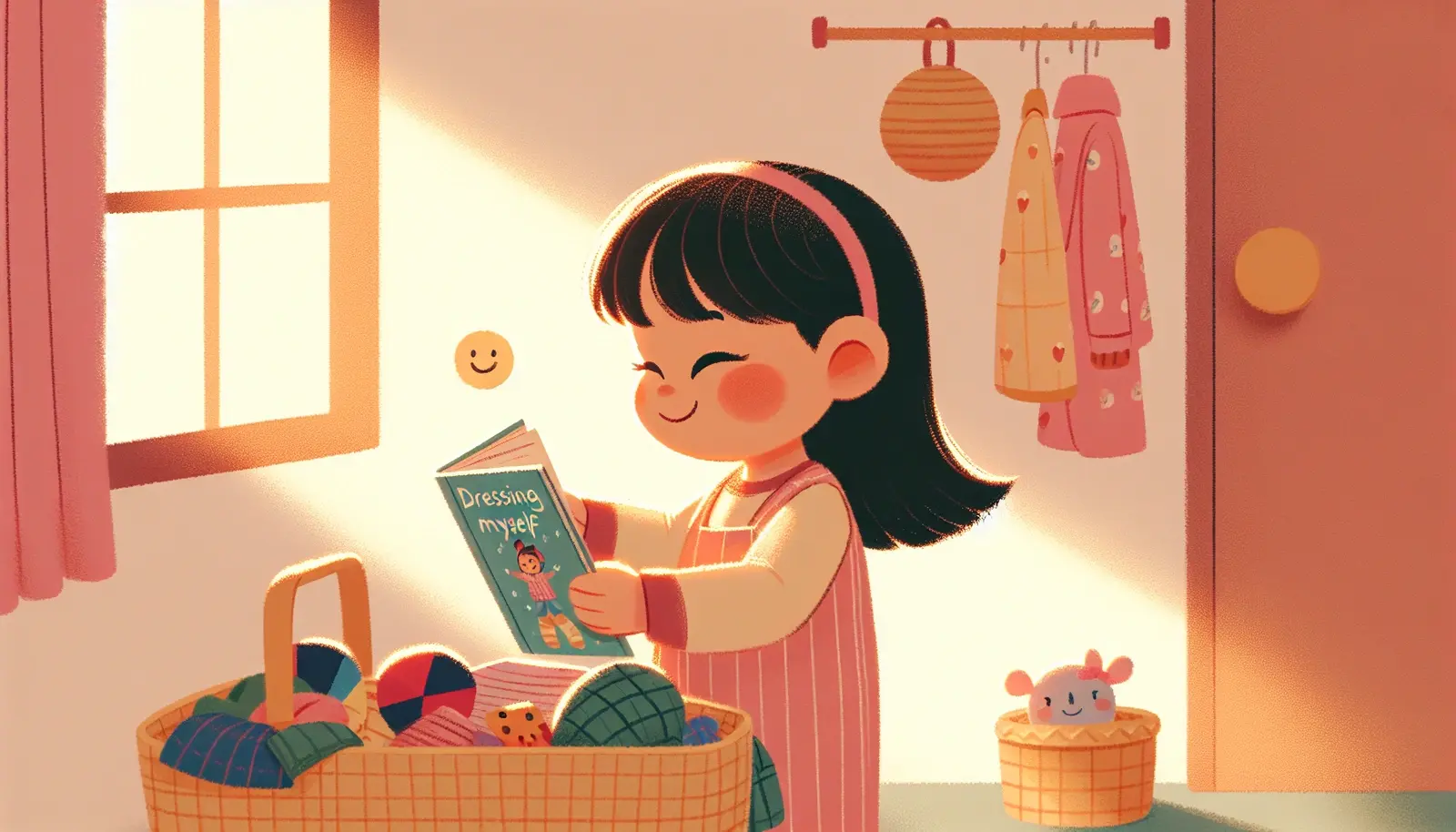
Dressing Myself with a Smile: A Social Story

Help your child embrace independence with this engaging social story about dressing themselves. Perfect for preschoolers, it encourages confidence and choice.
Story Preview
Dressing Myself with a Smile
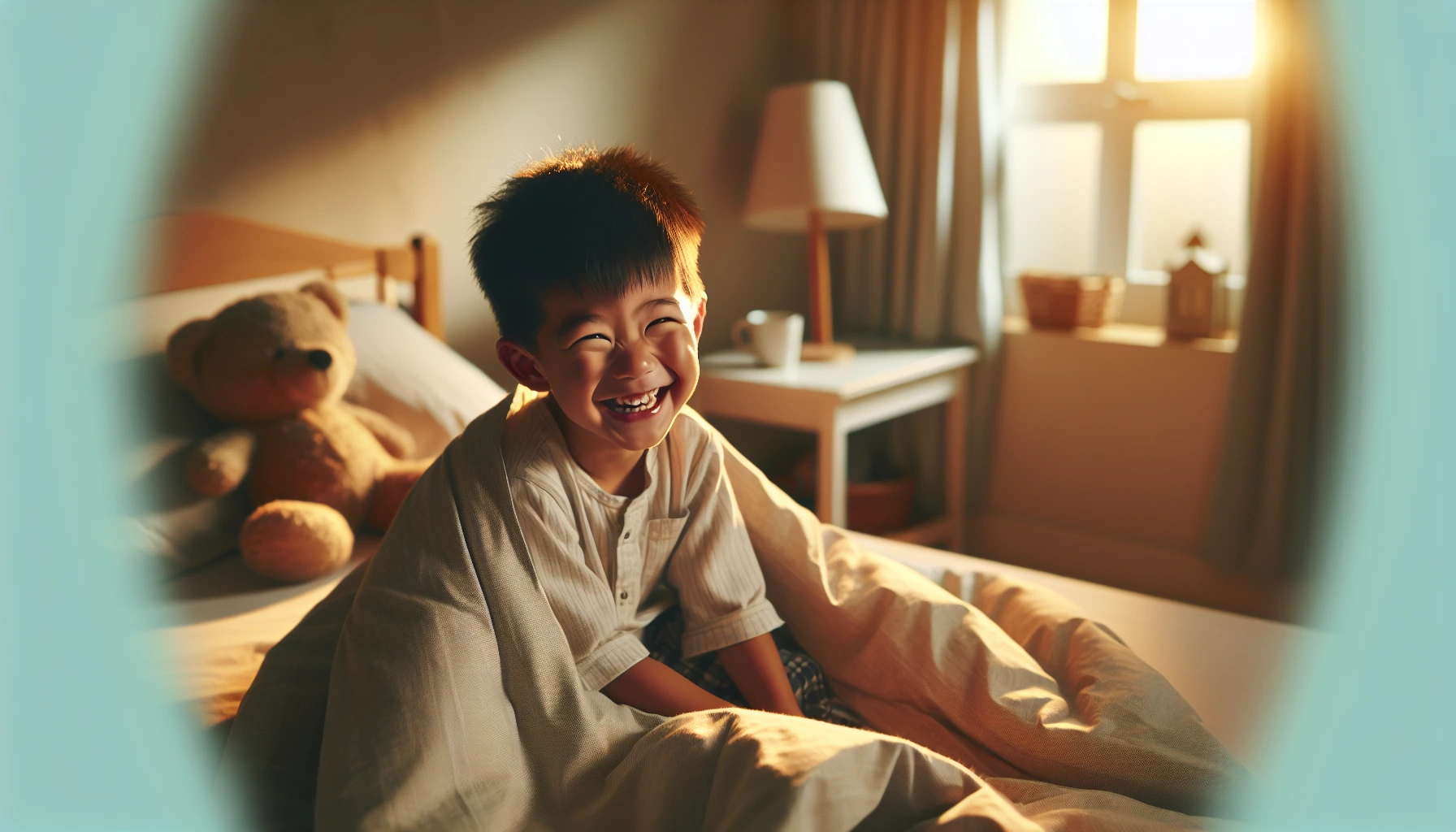
I woke up and felt happy.
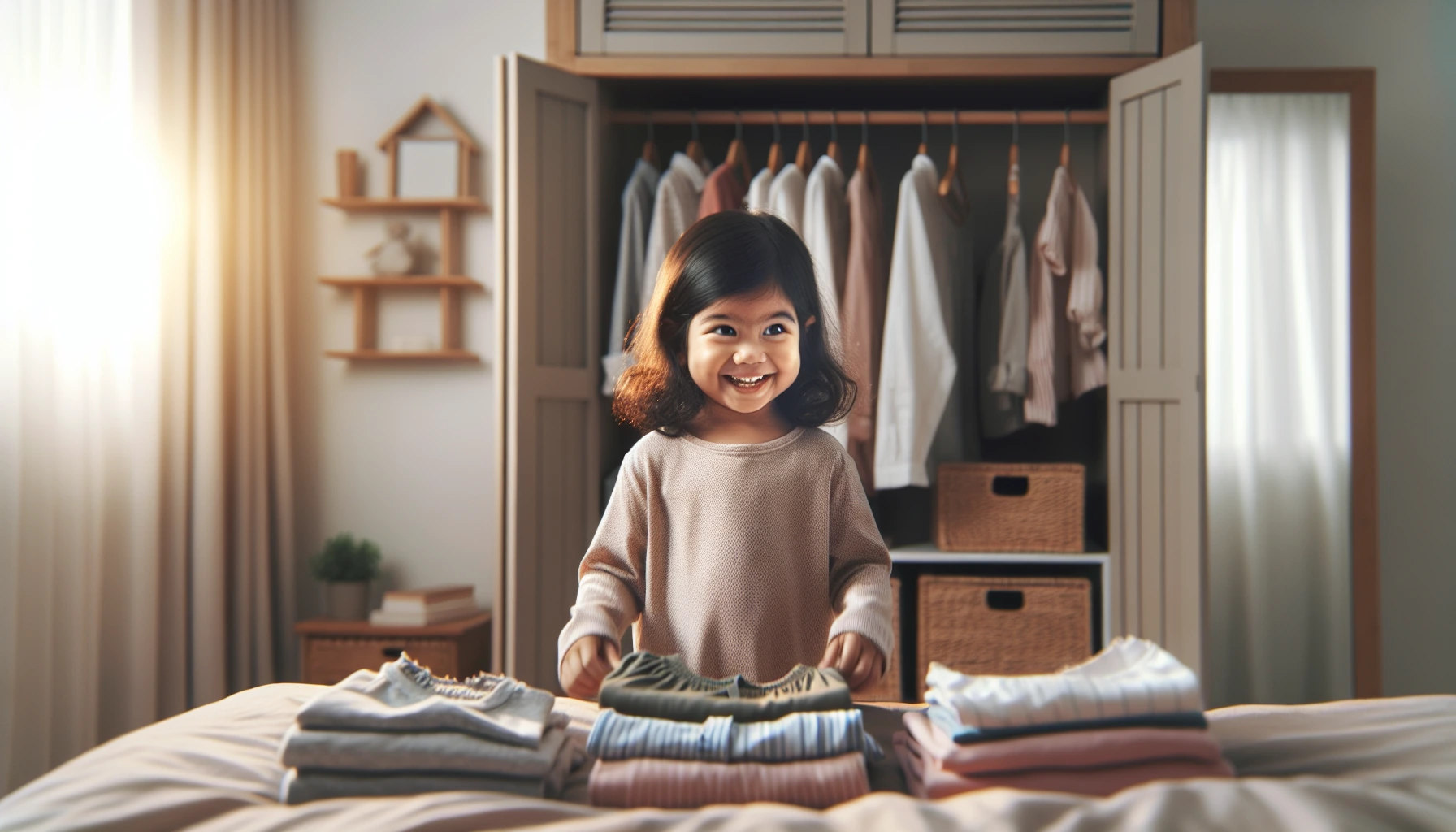
Today, I get to pick my clothes.
Purchase to access all pages
Who Is This For?
What's Inside
This social story features engaging sentences and encourages children to dress independently while having fun.
About This Story
Encourage your child's independence with our printable social story, 'Dressing Myself with a Smile.' This engaging resource helps children learn to dress themselves while having fun!
- Promotes self-confidence
- Encourages choice and creativity
- Perfect for preschool and early learners
Sample sentences include: 'I woke up and felt happy.' and 'Dressing myself is fun.'
Disclaimer: This resource supports learning. It does not replace professional advice.
How to Use This Story
When to use this story
This social story is a wonderful tool to use during morning routines or when introducing the concept of dressing independently. It is particularly beneficial when children are starting to explore choices in their clothing, helping them to build confidence in this essential life skill. Using this story can support children in transitioning from relying on adults for assistance to making choices that reflect their preferences and personality.
What's inside
"Dressing Myself with a Smile" invites young children into a cheerful narrative where they wake up feeling happy and excited to choose their clothes. The story unfolds as the child explores their drawer and discovers their favorite red shirt, leading to a reflection on how colors and clothing can influence their emotions. With whimsical illustrations and relatable scenarios, this social story encourages children to embrace each step of the dressing process and fosters a sense of ownership over their choices.
Activities included throughout the story enhance engagement and comprehension: children can practice vocabulary related to clothing, spelling the names of their favorite items, and engage in creative role-play scenarios. The interactive elements help reinforce the story's messages in a playful way, making the learning experience both enjoyable and educational.
What kids learn
Through the process of reading and interacting with this social story, children learn the following:
- The importance of independence in daily routines, particularly dressing themselves.
- How to express personal preferences and make choices, fostering a sense of autonomy.
- The connection between clothing and emotions, allowing them to understand how their choices can impact their mood.
- Vocabulary associated with clothing and colors, enhancing their language skills.
- Confidence in their ability to dress themselves, which can lead to increased self-esteem.
Research context
The tradition of using social stories, initiated by Carol Gray, emphasizes the power of narrative to teach children about social situations and daily routines. Research indicates that narrative-based approaches can help children develop social-emotional learning (SEL) skills by providing relatable contexts for understanding their experiences. Stories like "Dressing Myself with a Smile" are designed to promote independence and self-expression, aligning with best practices in early childhood education. By using relatable stories, children can better navigate their feelings and experiences in everyday situations.
Tips for parents and educators
- Read the story together with your child during morning routines to create a positive association with dressing.
- Encourage your child to share their favorite clothing items and discuss why they like them, promoting self-expression.
- Create a dressing checklist with illustrations to help your child visualize the steps involved in getting dressed.
- Use role-play to act out different dressing scenarios, reinforcing the skills learned from the story.
- Celebrate small successes in dressing independently to build confidence and motivation.
- Consider incorporating songs or games about colors and clothing to make the learning experience even more engaging.
How This Story Lands — Clinical Review & Perspectives
One named clinical review from our co-founder Rajini, plus three composite perspectives summarising how this story tends to land in a classroom, at home, and in therapy. How we write these.

Captivating Story for Encouraging Independence
As a pediatric speech-language pathologist, I find 'Dressing Myself with a Smile' to be an invaluable resource for my preschool clients. This story is rich with age-appropriate language that resonates well with young children. When reading, I encourage kids to express their feelings about colors and choices, which builds vocabulary and confidence. I often listen for their reactions during the story, especially when they identify clothes that make them happy. This not only fosters their independence but also strengthens their decision-making skills.
Supports Daily Living Skills Development
OTs often pair 'Dressing Myself with a Smile' with activities focused on daily living skills. This story can be used to encourage children to practice dressing themselves through role-play after reading. It provides a great opportunity for sensory exploration with different fabrics and colors, helping kids learn about their preferences. Engaging with this story allows children to build fine motor skills as they discuss clothing choices, making it a practical addition to therapy sessions.
Composite perspective synthesised from common feedback patterns — read how.
Sparking Joyful Conversations About Choices
Parents reading 'Dressing Myself with a Smile' with their child often notice an increase in their child's excitement about getting dressed. The story's cheerful tone encourages kids to share their clothing preferences, which can lead to delightful conversations at home. Parents appreciate how it fosters a sense of independence in their little ones, helping them feel empowered to make choices. This story has become a favorite in many households, making mornings a bit more joyful.
Composite perspective synthesised from common feedback patterns — read how.
Ideal for Inclusive Classroom Settings
In an inclusive classroom, 'Dressing Myself with a Smile' works well because it promotes independence while catering to diverse needs. Educators using small-group settings will find that the engaging visuals help children connect with the text. Repetition of key phrases and choice-making encourages participation and builds confidence. This story can also be paired with visual supports, allowing students to express their clothing preferences, which enhances their communication skills and social interactions.
Composite perspective synthesised from common feedback patterns — read how.
Frequently Asked Questions
Is this social story suitable for all preschoolers, or does it work better for certain children?
'Dressing Myself with a Smile' is suitable for all preschoolers, especially those exploring independence in dressing. It's crafted to engage young learners through relatable scenarios and colorful illustrations, making it enjoyable for every child, regardless of their current skill level.
What specific skills does 'Dressing Myself with a Smile' help my child develop?
This social story is designed to boost your child's confidence in dressing themselves independently. By engaging with the story, they will learn vocabulary related to clothing, practice spelling, and enhance their comprehension skills while having fun with role-play activities.
What age is this social story suitable for?
This social story is designed for preschool-aged children.
You May Also Like

Read More
Navigating Sibling Dynamics: An SEL Guide for Parents
Understanding different SEL needs in siblings is essential for fostering harmony at home. This guide explores strategies for managing sibling dynamics, from encouraging parallel play among toddlers to
Read article →Adapting Visual Schedules for Neurodivergent Children
Visual schedules must be customized for each child's needs, especially for neurodivergent children. Autistic kids may thrive on detailed schedules, while neurotypical and ADHD children often benefit f
Read article →How to Create Social Stories for Children: A Step-by-Step Guide
Learn to write social stories using Carol Gray's method to support your child's social-emotional learning. This guide walks you through each step, from selecting a situation to reading aloud, ensuring
Read article →
This resource supports learning. It does not replace professional advice.