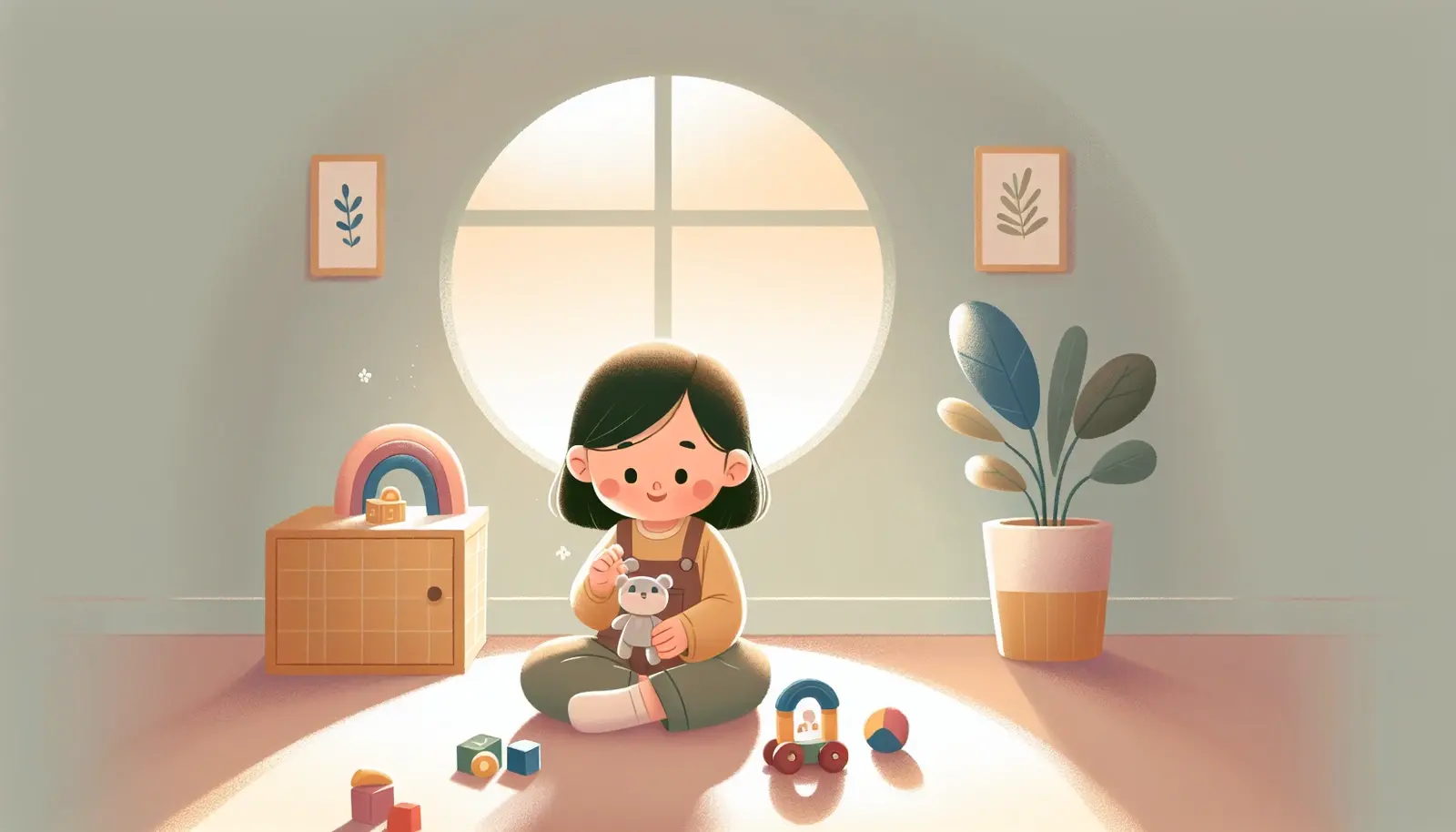

Story Preview
Staying Safe with Family at Home
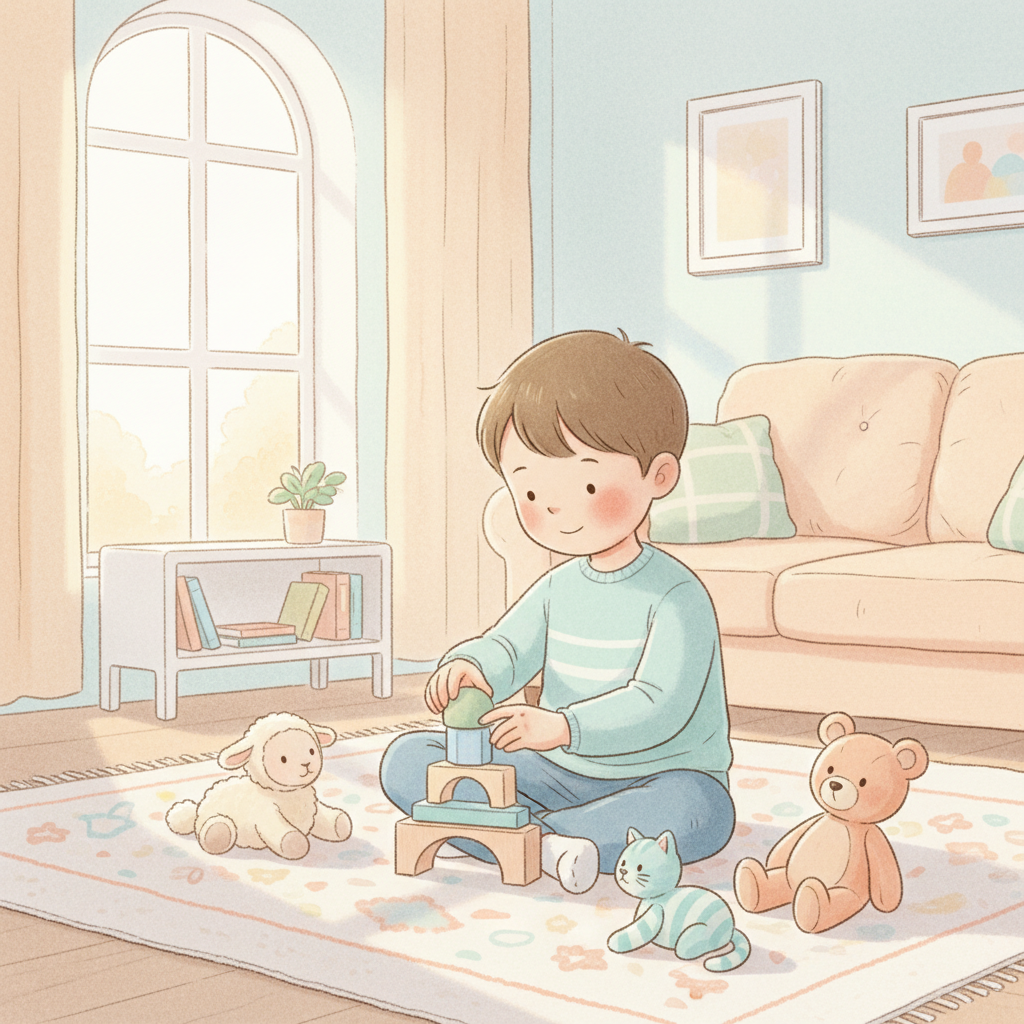
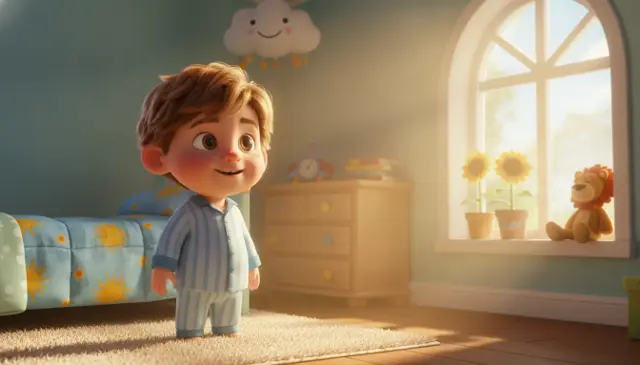
One day, I was playing at home with my toys.
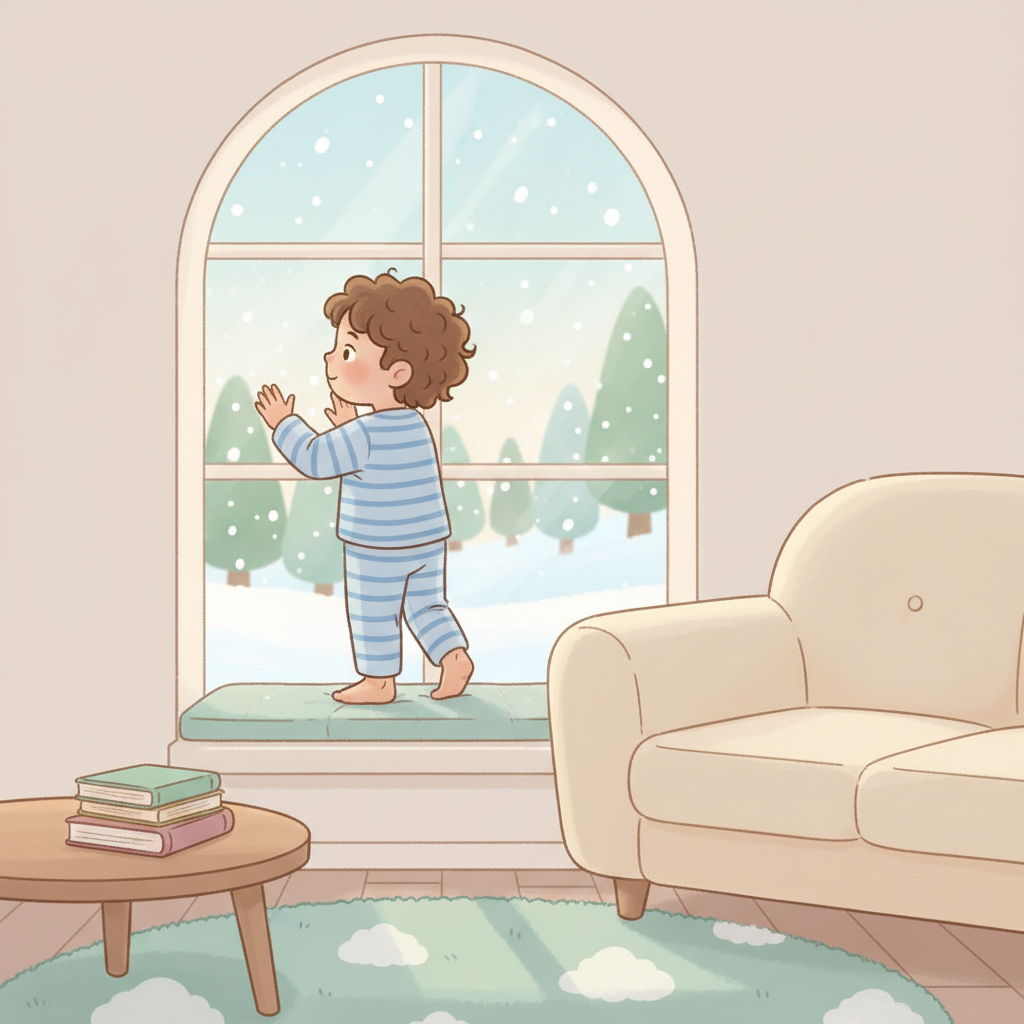
I wanted to go outside and explore.
Purchase to access all pages
Who Is This For?
What's Inside
This social story includes relatable scenarios and safety rules to help children feel secure at home.
About This Story
This printable social story helps children understand the importance of staying safe at home with their family. Through relatable scenarios, kids will learn safety rules while having fun!
Key Features:
- Engaging illustrations
- Simple, relatable sentences
- Encourages discussion about safety
This resource supports learning. It does not replace professional advice.
How to Use This Story
When to use this story
This social story, Staying Safe with Family at Home, is designed for preschool-aged children (3-5 years) who are beginning to explore the concept of personal safety in familiar environments. It is particularly beneficial during times when children are spending more time at home, such as school breaks or family gatherings. By using this story, you can create meaningful conversations about safety, encouraging your child to actively think about their surroundings and the importance of staying with family while at home.
What's inside
In this engaging social story, your child follows a narrative about a young child who loves to play with toys at home and feels the urge to explore outside. The story emphasizes the importance of safety by highlighting moments of reflection, such as:
- Recognizing when to stay inside: The child learns to stop and think before opening the door to explore.
- Understanding safety: The story introduces the idea that going outside alone can be unsafe and that it is important to stay with family members.
- Identifying strangers: It gently explains that strangers can be people the child does not know, fostering awareness and caution.
Along with the narrative, the story includes various activities to reinforce learning, such as vocabulary exercises, spelling tasks, comprehension questions, and opportunities for creative expression through role-play. These activities are designed to promote understanding and retention of key safety concepts in a fun and engaging way.
What kids learn
Through Staying Safe with Family at Home, children will learn:
- The importance of staying close to family while at home.
- To pause and think about their safety before taking action, like opening a door.
- How to recognize unfamiliar people and understand that they may not be safe.
- Basic safety rules that can be applied in everyday situations at home.
- Language and vocabulary related to safety and personal space, enhancing their communication skills.
Research context
The use of social stories has a strong foundation in educational practices, particularly for teaching social skills in a relatable manner. Influential work in this area has emphasized the effectiveness of narrative-based approaches for building understanding and empathy. By framing safety concepts within a story, children can better grasp and remember important lessons. This aligns with broader research in social-emotional learning, which supports the idea that storytelling can make complex ideas more accessible and engaging for young learners.
Tips for parents and educators
- Read the story together with your child and encourage them to express their thoughts and feelings about safety.
- Use role-playing to practice different scenarios that may arise at home, allowing your child to navigate through them in a safe space.
- Incorporate vocabulary from the story into daily conversations about safety to reinforce understanding.
- Encourage your child to ask questions if they are unsure about something related to safety at home.
- Keep the dialogue open: regularly check in with your child about their feelings and experiences at home to promote ongoing learning.
- Create a visual reminder of safety rules based on the story and display it in your home.
How This Story Lands — Clinical Review & Perspectives
One named clinical review from our co-founder Rajini, plus three composite perspectives summarising how this story tends to land in a classroom, at home, and in therapy. How we write these.

Engaging and Educational Safety Story
As a pediatric speech-language pathologist, I find 'Staying Safe with Family at Home' to be an invaluable resource for my young clients. The story uses age-appropriate language that resonates with preschoolers, making it easier for them to grasp essential safety concepts. I often read this with children on my caseload to facilitate discussions about safety at home. During the reading, I listen for their understanding of key phrases, particularly when they talk about staying with family and recognizing strangers. This story not only promotes safety awareness but also encourages expressive language skills.
Supports Safety Awareness and Understanding
OTs often pair this kind of story with sensory-regulation work, particularly when discussing the importance of staying safe in familiar environments. This story can be used to guide children in identifying safe behaviors while at home, promoting both physical and emotional safety. Its simple language and engaging illustrations help children process and understand the concepts of safety and family support. Overall, it serves as a practical tool for enhancing awareness and comprehension of personal safety.
Composite perspective synthesised from common feedback patterns — read how.
Sparking Important Conversations at Home
Parents reading this with their child often notice that it sparks important conversations about safety at home. The relatable scenario of wanting to explore outside helps children connect to the message. Families appreciate how this story encourages kids to think critically about staying safe and recognizing unfamiliar people. It has been a wonderful tool for reinforcing safety rules in a friendly and engaging manner, making it easier for parents to discuss these topics with their children.
Composite perspective synthesised from common feedback patterns — read how.
Great Resource for Inclusive Classrooms
In an inclusive classroom, this story works well because it simplifies the concept of safety at home for preschoolers. Educators using small-group settings will find it effective, as the repetitive structure helps reinforce the safety messages. Visual supports accompanying the text enhance comprehension, especially for students who benefit from seeing concepts in a visual format. Overall, this social story fosters a safe learning environment by teaching children to recognize the importance of staying with family.
Composite perspective synthesised from common feedback patterns — read how.
Frequently Asked Questions
How can I use this social story with my child?
You can read the story together and discuss each page to reinforce understanding. The included activities like vocabulary games and role-playing scenarios make it easy to engage your child, helping them to practice safety rules in a playful way!
What topics are covered in the 'Staying Safe with Family at Home' social story?
This engaging social story covers essential safety rules like knowing who to talk to in case of an emergency, understanding safe spaces at home, and recognizing household hazards. It’s designed to make learning about safety fun and interactive for your preschooler!
What age is this social story suitable for?
This social story is designed for preschoolers, typically ages 3-5.
You May Also Like

Read More
April: From Autism Awareness to Acceptance in Your Home
Transforming autism awareness into acceptance involves focusing on understanding, embracing neurodiversity, and fostering inclusivity. Engage in activities that highlight your child's unique strengths
Read article →The Essential Guide to Navigating Communication Between Home, School, and Therapy
Effective communication between home, school, and therapy is crucial for supporting neurodivergent children. Parents play a key role in coordinating efforts to ensure consistency and tailor support. B
Read article →Maximizing Speech Therapy Success: The Art of Carryover Plans
Carryover plans in speech therapy help integrate learned skills into daily life, ensuring children can apply them across various settings. These plans involve structured daily practices, embedding ski
Read article →
This resource supports learning. It does not replace professional advice.