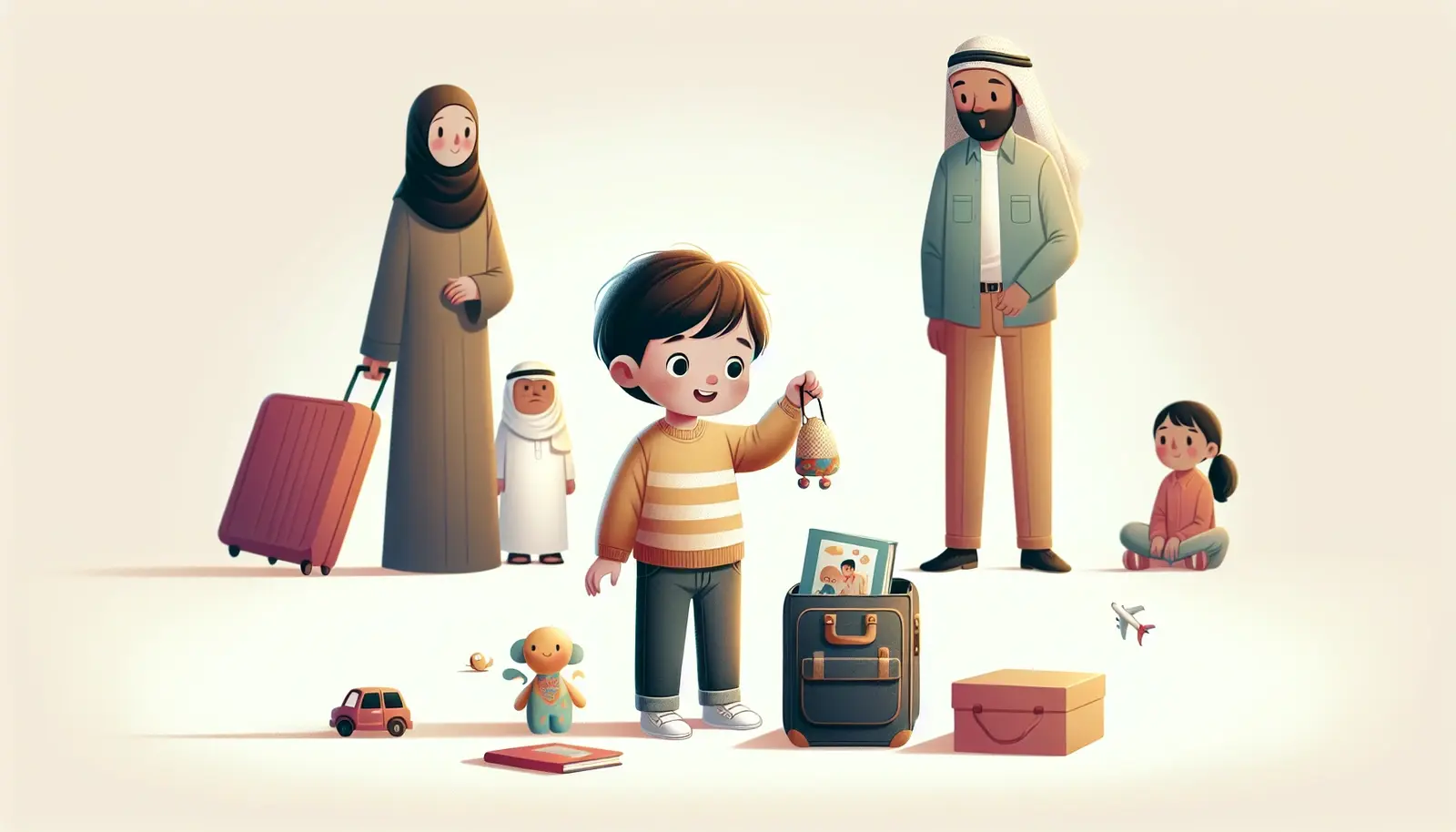
Flying High: My Airplane Adventure - Social Story PDF

Join your child on an exciting airplane adventure! This printable social story helps children understand what to expect during air travel, promoting emotional regulation and safety.
Story Preview
Flying High: My Airplane Adventure
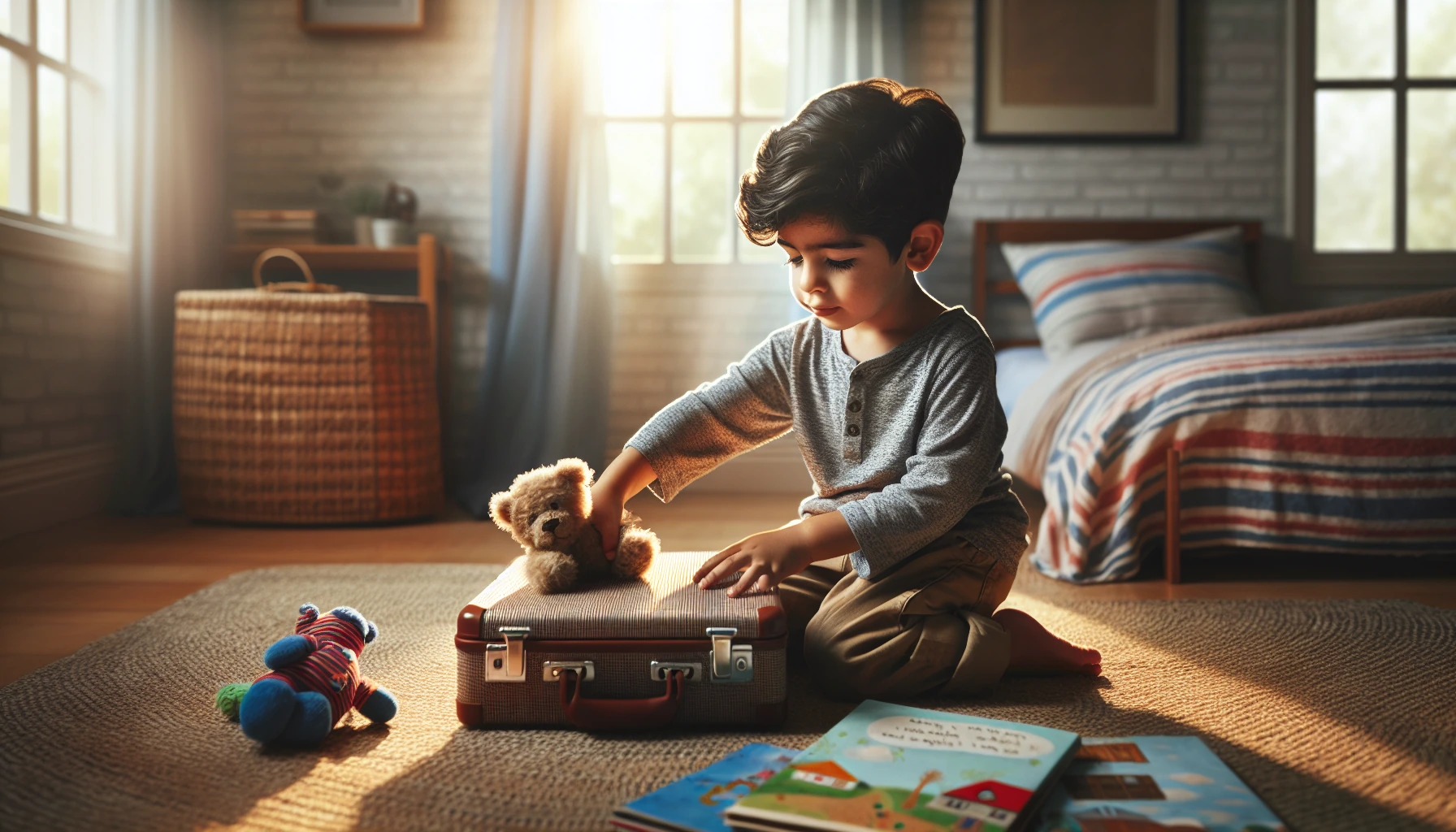
I pack my bag. I put my toy and book inside.
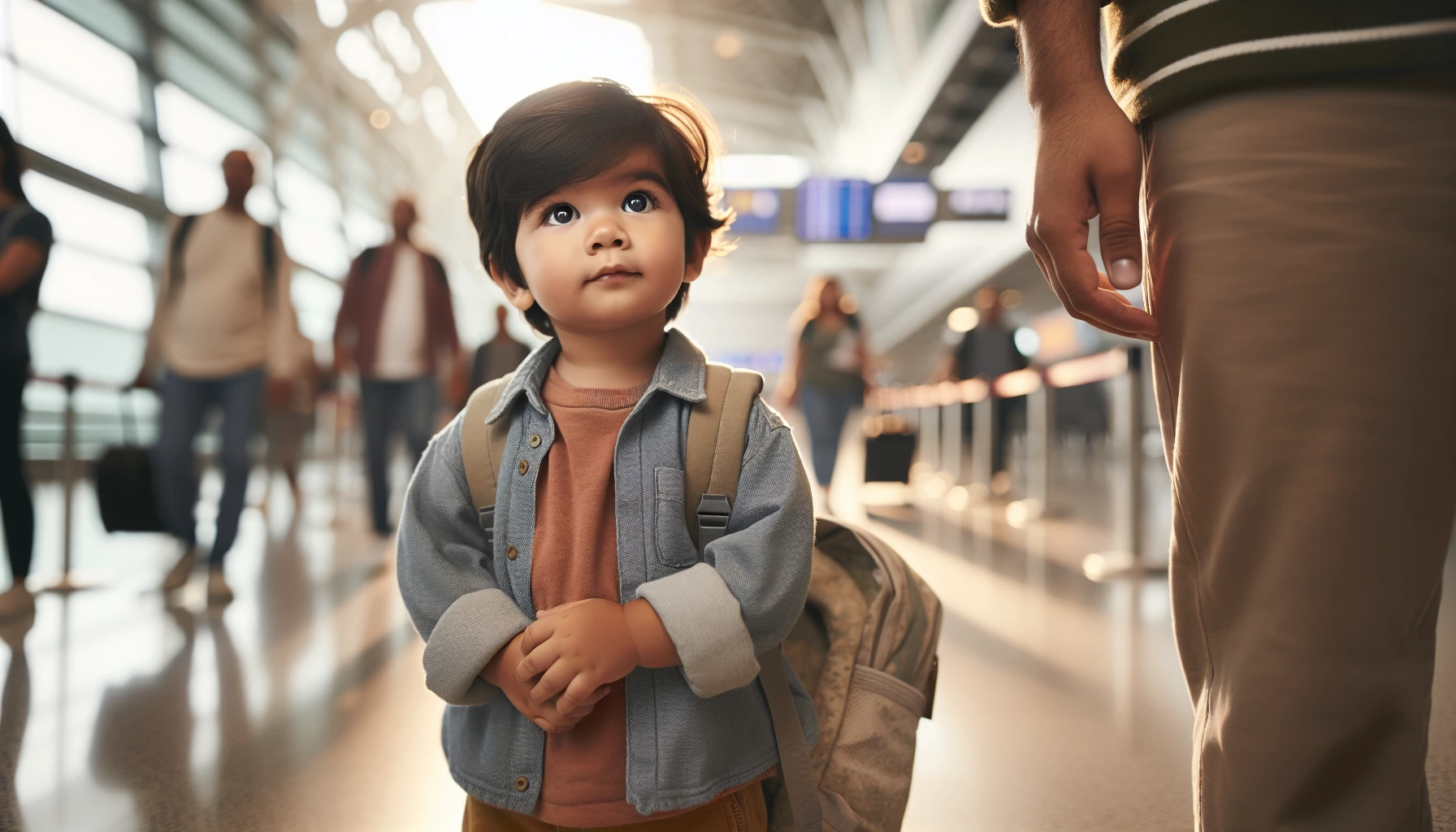
We go to the airport. I stay close to my parents.
Purchase to access all pages
Who Is This For?
What's Inside
This story prepares children for air travel, focusing on packing, safety, and embracing new experiences.
About This Story
Introduce your child to the joys of flying with our printable social story, Flying High: My Airplane Adventure. This engaging resource covers:
- Packing a bag for the trip
- Staying close to parents at the airport
- Trying new experiences with bravery
- Excitement about flying
Perfect for preschoolers, this story supports emotional regulation and safety awareness. This resource supports learning. It does not replace professional advice.
How to Use This Story
When to use this story
Flying High: My Airplane Adventure is a wonderful resource for parents and educators preparing young children for their first airplane journey. This story can be particularly helpful in the days leading up to travel, allowing children to familiarize themselves with the airport environment and the process of flying. It can be used to ease any anxieties and create excitement about the adventure ahead, making the experience less daunting and more enjoyable.
What's inside
This engaging social story is designed for preschoolers aged 3-5 years and presents a simple, relatable narrative about preparing for an airplane trip. The story begins with packing a bag, focusing on items like a favorite toy and book, which can help children feel secure during travel. As the adventure unfolds, children will learn important steps such as:
- Going to the airport and staying close to their parents
- Waiting in line calmly
- Navigating security with their belongings
- Boarding the plane and finding their seats
- Following safety rules like wearing a seatbelt and engaging quietly during the flight
Each step is depicted clearly to help children visualize the process, encouraging them to feel confident and prepared. The story also includes various activities that reinforce vocabulary, spelling, and comprehension, as well as opportunities for open-ended discussions and creative role-play, allowing children to actively engage with the content.
What kids learn
Through Flying High: My Airplane Adventure, children will learn about:
- The steps involved in preparing for and taking an airplane trip
- Emotional regulation techniques, such as staying calm and following safety rules
- The importance of staying close to caregivers in busy environments
- Engaging in quiet play and respecting the space of others during the flight
These lessons aim to empower children, helping them build confidence and social skills as they navigate new experiences.
Research context
The use of social stories has a longstanding tradition in supporting children’s understanding of social situations and expectations. Developed by Carol Gray, social stories provide clear, concrete narratives that guide children through various scenarios. Research into narrative-based social-emotional learning (SEL) emphasizes the importance of storytelling in helping children develop self-regulation and interpersonal skills. This evidence supports the effectiveness of social stories like Flying High in promoting preparedness and emotional resilience in children.
Tips for parents and educators
- Read the story together multiple times before travel to build familiarity.
- Encourage your child to express their feelings about flying and discuss any concerns they may have.
- Use the story to role-play different parts of the airport experience, making it interactive and fun.
- Incorporate vocabulary from the story into daily conversations to reinforce learning.
- Celebrate the completion of the flight with a fun activity upon arrival to create positive associations.
- Remind your child that it’s okay to ask questions or seek support from adults during travel.
How This Story Lands — Clinical Review & Perspectives
One named clinical review from our co-founder Rajini, plus three composite perspectives summarising how this story tends to land in a classroom, at home, and in therapy. How we write these.

A Great Tool for Air Travel Preparation
As a pediatric speech-language pathologist, I often use 'Flying High: My Airplane Adventure' with children on my caseload to prepare them for air travel. The story's simple language and relatable scenarios provide a great opportunity for children to learn about the airport process. I encourage kids to express their feelings about flying and listen for how they respond to different parts of the story. This promotes emotional regulation and helps them articulate their thoughts, making the journey more enjoyable for everyone.
Supports Sensory Regulation During Travel
OTs often pair 'Flying High: My Airplane Adventure' with sensory-regulation activities to help children prepare for the sights and sounds of air travel. This story can be used to teach kids about managing their expectations and emotions related to flying. By discussing different parts of the journey, such as waiting in line or boarding the plane, children can practice coping strategies, making the overall experience smoother and more enjoyable. The narrative provides a calming framework for children who may be anxious about new experiences.
Composite perspective synthesised from common feedback patterns — read how.
Encourages Family Conversations about Travel
Parents reading 'Flying High: My Airplane Adventure' with their child often notice that it sparks meaningful conversations about travel. The story's engaging illustrations and relatable scenarios help children express their thoughts and feelings about flying. It’s a wonderful way to prepare kids, especially those with ADHD or autism, for the upcoming adventure, allowing for discussions about excitement and any worries they may have. This connection makes the travel experience feel more manageable for both kids and parents.
Composite perspective synthesised from common feedback patterns — read how.
Effective for Inclusive Classrooms
In an inclusive classroom, 'Flying High: My Airplane Adventure' works well because it provides a clear, structured narrative that many students can relate to. Educators using small-group settings will find that the story offers a good platform for visual supports, such as pictures of airplanes and airports, to reinforce understanding. Repetition of key concepts, like wearing seatbelts and waiting in line, helps students grasp important routines, making air travel less daunting and more familiar.
Composite perspective synthesised from common feedback patterns — read how.
Frequently Asked Questions
How can 'Flying High: My Airplane Adventure' help my child prepare for their first flight?
'Flying High: My Airplane Adventure' is designed to help young children understand the entire airplane experience, from check-in to landing. By reading this engaging social story together, your child can learn about what to expect, which can ease their anxiety and promote excitement. The included activities like vocabulary and role play encourage interaction and help reinforce the concepts in a fun way!
How can I use this story?
Read it with your child before a flight to help them understand what to expect.
What age is this story suitable for?
This story is designed for preschool-aged children.
You May Also Like


Read More
Creating an Inclusive SEL Classroom for Neurodivergent Students
To create an inclusive SEL classroom for neurodivergent students, incorporate anti-masking practices, adapt curricula, and engage culturally responsive methods. Parents can advocate for these changes
Read article →Push-In vs Pull-Out Services: Navigating the Best Approach for Your Child
Push-in and pull-out services are two key approaches in special education. Push-in involves therapists working within the classroom, promoting social skills and reducing stigma. Pull-out offers focuse
Read article →Understanding SEL in Schools: A Parent's Guide to Social Emotional Learning
Social Emotional Learning (SEL) enhances children's emotional and social skills. Programs like Second Step and Sanford Harmony integrate SEL into classrooms. Parents can support SEL by engaging with e
Read article →
This resource supports learning. It does not replace professional advice.