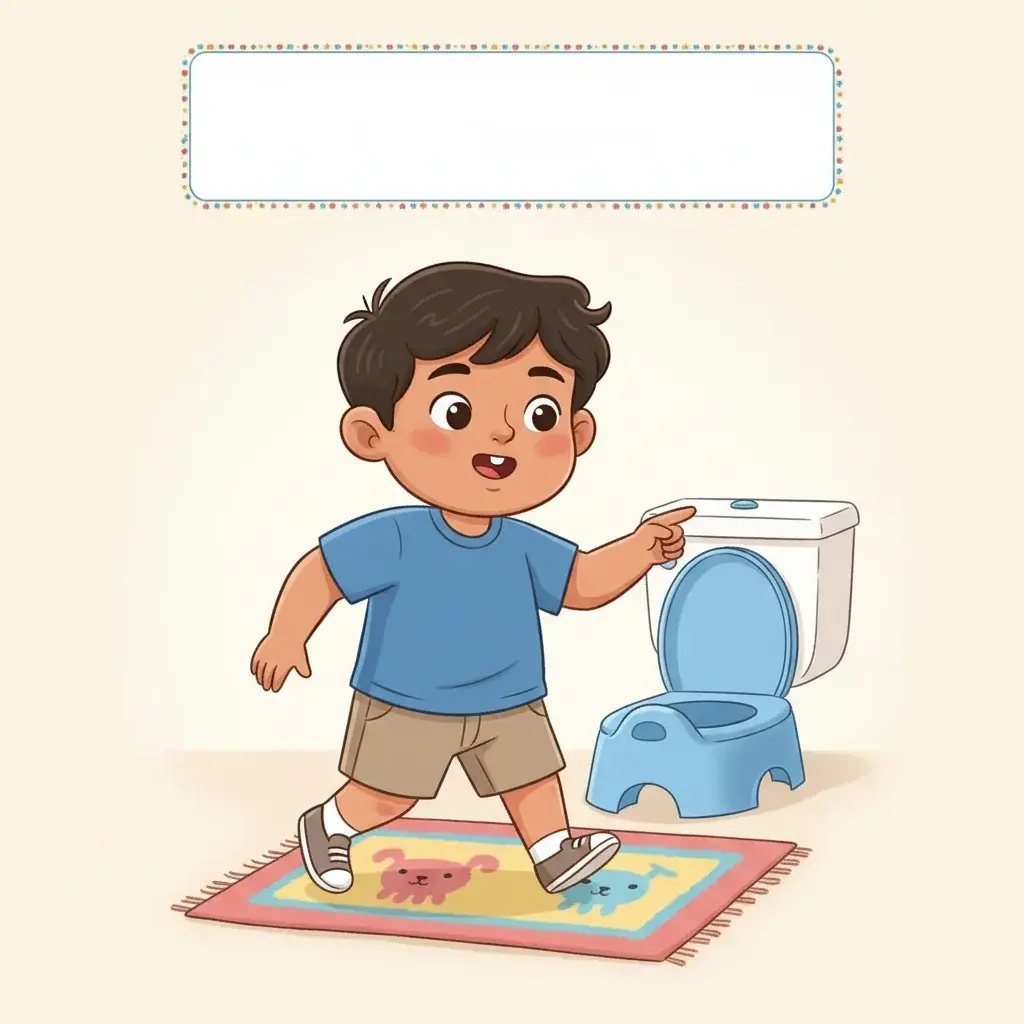
Potty Time Fun with PVP - Printable Social Story

Join your child on a fun potty adventure! This printable social story helps little ones feel confident and excited about using the potty.
Story Preview
Potty Time Fun with PVP
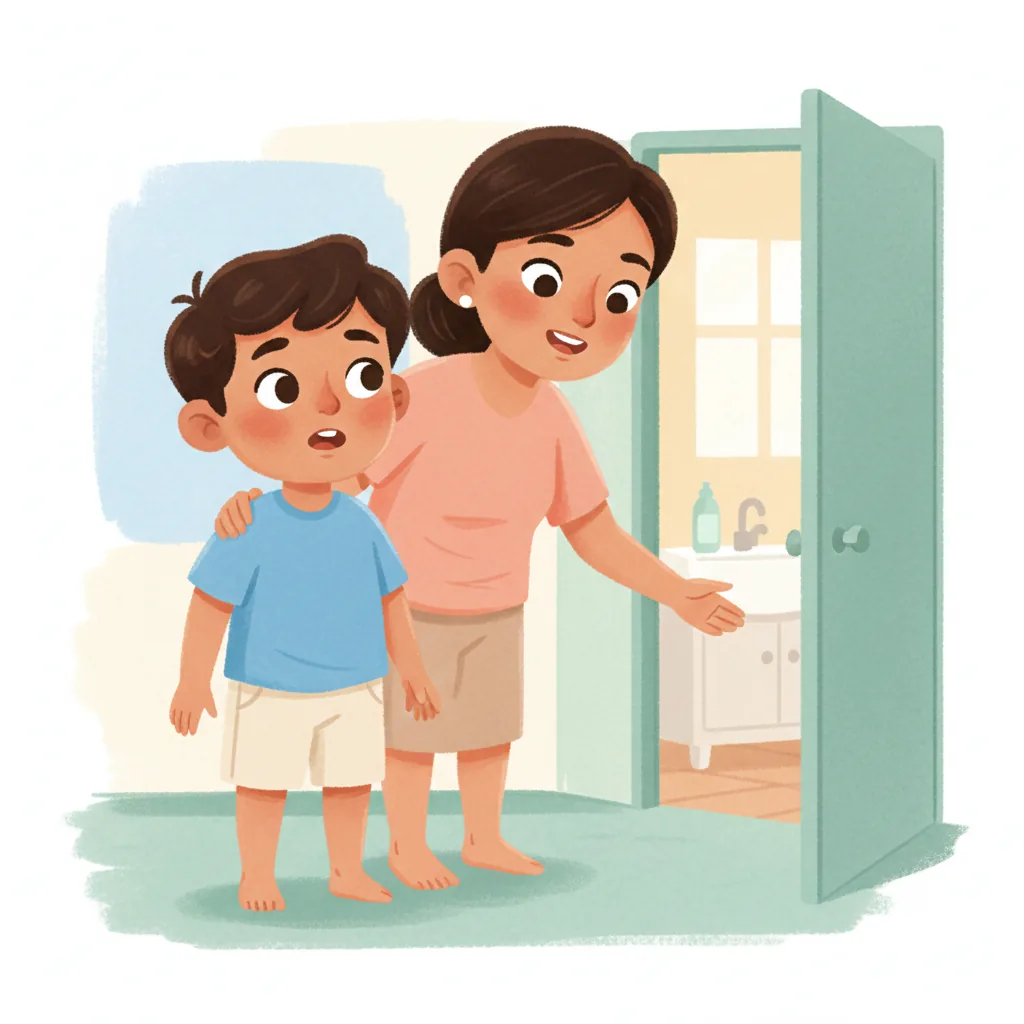
I felt a little squirmy. I needed to use the potty. Mommy said, "Let's go!"
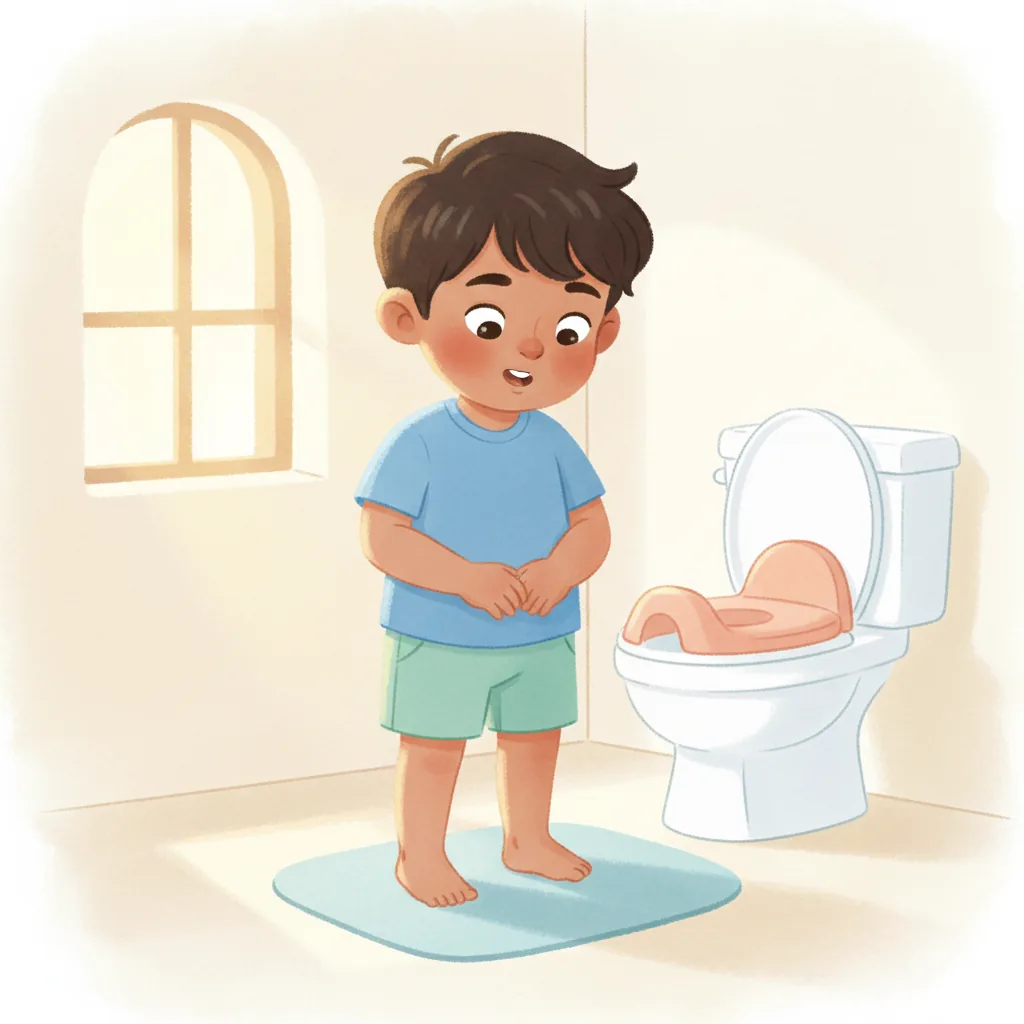
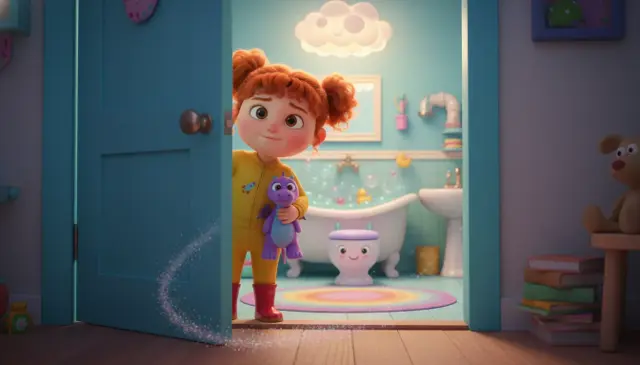
I walked to the bathroom. I saw the toilet and my potty seat. It was time.
Purchase to access all pages
Who Is This For?
What's Inside
This printable social story includes engaging scenarios that help children feel excited about potty time.
About This Story
Help your child embrace potty training with our engaging social story, "Potty Time Fun with PVP." This printable PDF features relatable scenarios that make using the potty a fun experience. Your child will learn through simple sentences and illustrations that encourage confidence and independence.
Key Features:
- Relatable story for young children
- Encourages positive potty experiences
- Supports learning through fun
Disclaimer: This resource supports learning. It does not replace professional advice.
How to Use This Story
When to use this story
This social story is a valuable tool for helping preschoolers feel more comfortable and excited about potty training. It can be particularly helpful during the early stages when children are starting to recognize their bodily cues and express their needs. Using this story can make the transition to using the potty smoother, fostering a positive experience during this important developmental milestone.
What's inside
"Potty Time Fun with PVP" guides children through a relatable potty adventure. It begins with the feeling of needing to use the potty, which many little ones can identify with. The story follows the child as they walk to the bathroom, see the toilet and potty seat, and ultimately sit on the potty. It emphasizes the pride they feel when they succeed and the joy of cleanliness afterward.
The narrative introduces essential routines, such as wiping, flushing, and washing hands, making these steps engaging and memorable. Through simple, relatable text, kids will find comfort in the familiar actions associated with using the potty, while also discovering the fun aspects of this experience.
What kids learn
Children will learn about the process of using the potty in a positive and encouraging way. Key lessons include:
- Recognizing bodily cues and expressing the need to use the toilet.
- Understanding the steps involved in using the potty, from sitting down to washing hands afterward.
- Feeling a sense of accomplishment and pride once they have successfully used the potty.
- Embracing cleanliness and the fun of flushing the toilet.
Research context
The tradition of using social stories to support children in various contexts has a strong foundation in narrative-based learning. Carol Gray's pioneering work in developing social stories emphasizes the importance of relatable narratives in teaching social skills and routines. Additionally, research in social-emotional learning (SEL) supports the effectiveness of storytelling as a way to engage children in meaningful life skills, making it an effective approach for potty training as well.
Tips for parents and educators
- Read the story together with your child before starting potty training to build excitement.
- Encourage your child to recount their own experiences related to the potty, using the story as a guide.
- Reinforce the steps outlined in the story during actual potty time to create familiarity.
- Celebrate successes, no matter how small, to build confidence and motivation.
- Use positive language and emphasize the fun aspects of using the potty to create a supportive environment.
- Incorporate role-play activities to practice the steps in a playful way.
How This Story Lands — Clinical Review & Perspectives
One named clinical review from our co-founder Rajini, plus three composite perspectives summarising how this story tends to land in a classroom, at home, and in therapy. How we write these.

Engaging Story for Potty Training Success
As a pediatric speech-language pathologist, I often use 'Potty Time Fun with PVP' with my young clients. The narrative is simple and age-appropriate, which helps children relate to the potty training experience. I encourage them to express their feelings during the story, particularly when they feel proud or happy after using the potty. Listening for their verbal responses and discussing each step reinforces language skills while making the process less intimidating and more enjoyable for them.
Great for Sensory Regulation and Routine
OTs often pair this kind of story with sensory regulation work, as it introduces a familiar routine that many children can follow. The clear and engaging steps outlined in the story help children understand the sequence of using the potty, which can be particularly helpful for those who benefit from structured routines. Additionally, the fun elements, like flushing and washing hands, provide opportunities for sensory exploration, making the experience enjoyable and less stressful.
Composite perspective synthesised from common feedback patterns — read how.
Sparking Conversations About Potty Training
Parents reading this with their child often notice how it reduces anxiety around using the potty. The fun, relatable scenarios encourage discussions about their own feelings and experiences. Many parents appreciate how the story normalizes the process, making it less daunting. Children tend to open up about their own potty training journey, sharing their thoughts and feelings, which can lead to supportive conversations that reinforce their confidence.
Composite perspective synthesised from common feedback patterns — read how.
Effective Tool for Inclusive Classrooms
In an inclusive classroom, this story works well because it provides relatable scenarios for children experiencing potty training. Educators can use visual supports alongside the text to enhance understanding and engagement. The repetition of actions in the story allows children to anticipate what comes next, fostering a sense of security. This can be particularly beneficial for children who thrive on routine and predictability, making the potty training process feel more manageable.
Composite perspective synthesised from common feedback patterns — read how.
Frequently Asked Questions
What activities are included in the printable social story?
The social story includes a variety of engaging activities such as vocabulary building, spelling exercises, comprehension questions, and open-ended prompts. These activities not only reinforce the potty training theme but also promote creativity and role-play, helping your child learn in a playful way.
How can this social story help my child with potty training?
'Potty Time Fun with PVP' is designed to make the potty training experience enjoyable and engaging for your child. Through fun illustrations and relatable scenarios, it encourages confidence and excitement about using the potty, making it a positive transition for little ones.
What age is this story suitable for?
This story is designed for preschool-aged children, typically ages 2-5.
You May Also Like

Read More
Creating an Inclusive SEL Classroom for Neurodivergent Students
To create an inclusive SEL classroom for neurodivergent students, incorporate anti-masking practices, adapt curricula, and engage culturally responsive methods. Parents can advocate for these changes
Read article →Push-In vs Pull-Out Services: Navigating the Best Approach for Your Child
Push-in and pull-out services are two key approaches in special education. Push-in involves therapists working within the classroom, promoting social skills and reducing stigma. Pull-out offers focuse
Read article →Understanding SEL in Schools: A Parent's Guide to Social Emotional Learning
Social Emotional Learning (SEL) enhances children's emotional and social skills. Programs like Second Step and Sanford Harmony integrate SEL into classrooms. Parents can support SEL by engaging with e
Read article →
This resource supports learning. It does not replace professional advice.