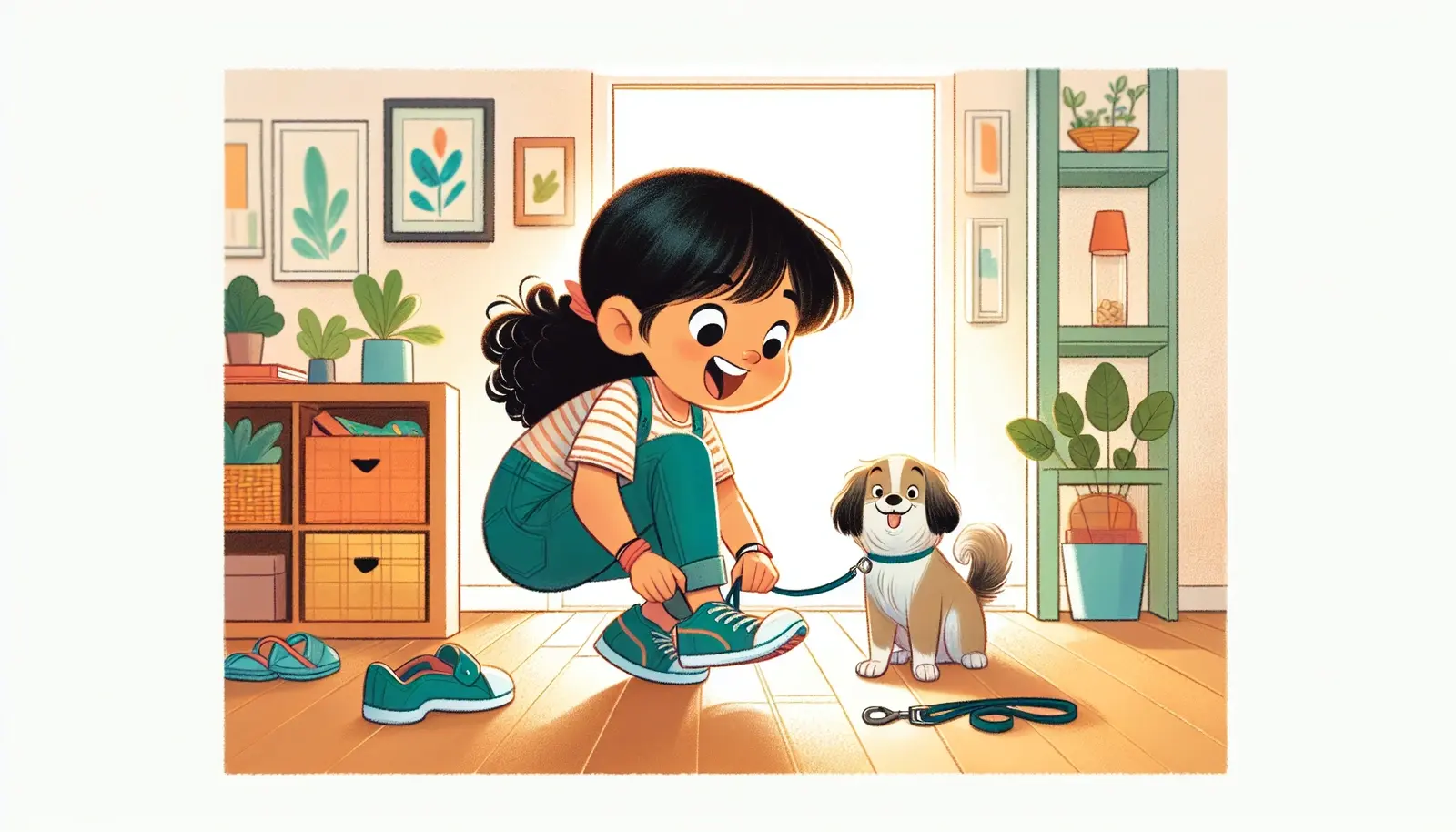
Taking My Dog for a Fun Walk - Social Story PDF

Join Buddy and me on an exciting adventure! This printable social story helps children understand the joy of taking their dog for a walk, promoting independence and responsibility.
Story Preview
Taking My Dog for a Fun Walk
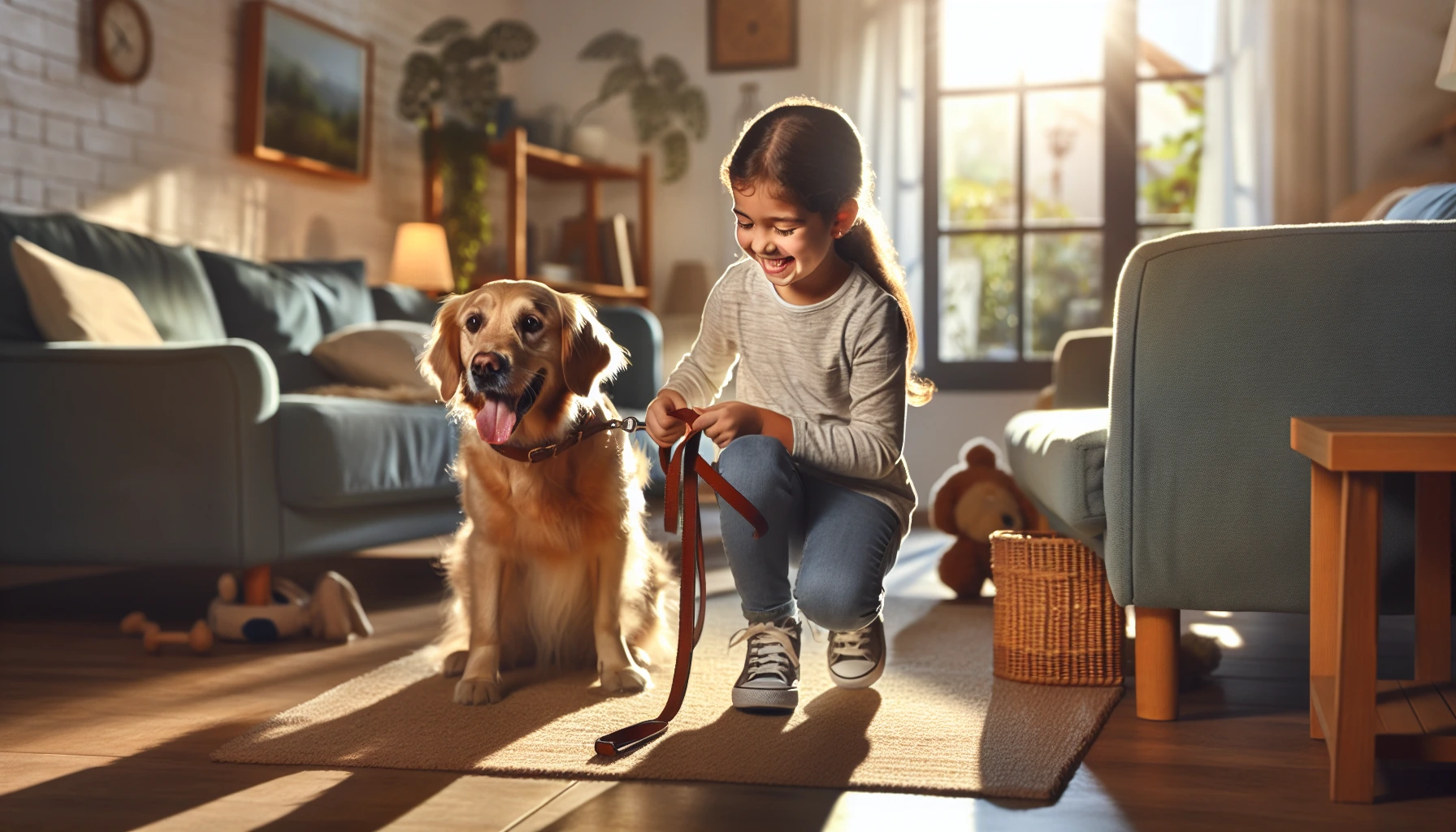
I have a dog named Buddy, and today we are going for a walk. I feel excited because walks are fun.

First, I need to get ready. I put on my shoes and grab Buddy's leash and his favorite toy.
Purchase to access all pages
Who Is This For?
What's Inside
This social story includes engaging sentences about taking a dog for a walk, fostering excitement and understanding in children.
About This Story
Join Buddy and me on an exciting adventure! This printable social story helps children understand the joy of taking their dog for a walk, promoting independence and responsibility.
In this story, your child will learn:
- How to prepare for a walk
- The fun activities we can do together
- Why taking care of pets is important
Disclaimer: This resource supports learning. It does not replace professional advice.
How to Use This Story
When to use this story
This story, "Taking My Dog for a Fun Walk," is perfect for children aged 6-8 who are learning about daily routines and the responsibilities that come with pet ownership. It can be particularly useful during moments when your child is preparing for a new experience, such as walking a family pet for the first time or learning how to participate in pet care. This social story provides a supportive framework for understanding the joy and excitement of these activities, reinforcing independence and a sense of achievement.
What's inside
In this delightful social story, children will join Buddy and his owner on a walk filled with engaging moments. The narrative starts with the excitement of preparing for the walk—putting on shoes, grabbing the leash, and ensuring Buddy is ready with his special walking vest. Readers will feel Buddy's joy as his owner describes the happiness that comes with seeing the leash, and they will experience the fresh air and the sights and sounds of the neighborhood.
The story includes various activity types to enhance understanding and interaction, such as:
- Vocabulary exercises to learn relevant terms related to pet care and walking.
- Spelling challenges to reinforce word recognition.
- Comprehension questions that encourage children to reflect on the story.
- Open-ended prompts inviting creative responses.
- Role-play scenarios to practice the skills learned in the story.
What kids learn
Through this engaging story, children will learn about:
- The steps involved in preparing for a walk with a pet.
- The importance of safety and care when handling animals.
- How to experience joy and excitement in daily routines.
- Responsibility associated with pet ownership.
- The social aspects of sharing experiences with pets and family members.
Research context
The tradition of using social stories, founded by Carol Gray, is supported by a strong evidence base that highlights the effectiveness of narrative-based approaches to social-emotional learning (SEL). These stories foster understanding of social norms and positive behaviors, helping children navigate everyday situations. The principles behind social stories align with current research that emphasizes the value of storytelling in promoting relational skills and independence, making this story a valuable tool for learning.
Tips for parents and educators
- Read the story together, encouraging your child to express their thoughts and feelings about the characters and events.
- Discuss the responsibilities involved in pet care, highlighting the importance of kindness and safety.
- Use role-play to practice what they would do during the walk, reinforcing the narrative.
- Incorporate vocabulary words from the story into everyday conversations about pets.
- Encourage your child to share their own experiences with pets, fostering a sense of connection and understanding.
- Use the story as a springboard for outdoor activities, such as going for a walk with Buddy or a family pet.
How This Story Lands — Clinical Review & Perspectives
One named clinical review from our co-founder Rajini, plus three composite perspectives summarising how this story tends to land in a classroom, at home, and in therapy. How we write these.

Engaging Story for Building Responsibility
As a speech-language pathologist, I find 'Taking My Dog for a Fun Walk' to be an excellent resource for children on my caseload. This story not only captures the excitement of a dog walk but also encourages kids to practice age-appropriate language. I use it to prompt discussions about feelings and responsibilities, asking questions like how Buddy feels during the walk. Listening for expressive language around Buddy's actions and the child's own emotions enhances their communication skills in a warm, relatable context.
Great for Encouraging Active Participation
Paediatric occupational therapists often pair 'Taking My Dog for a Fun Walk' with activities that promote physical movement and responsibility. In sensory-regulation work, this story can be used to discuss the importance of preparing for the walk, which helps children practice sequencing skills. The narrative encourages kids to engage in pretend play, refining their motor skills as they act out the story. It's a practical tool for enhancing fine and gross motor planning in a fun and relatable way.
Composite perspective synthesised from common feedback patterns — read how.
Sparking Exciting Conversations at Home
Parents reading 'Taking My Dog for a Fun Walk' with their child often notice how it sparks conversations about daily routines and responsibilities. The relatable content helps kids connect their own experiences with taking care of pets. Families find that discussing Buddy's excitement and the steps involved in preparing for a walk encourages children to share their thoughts, enhancing their expressive language skills and reinforcing positive behaviors.
Composite perspective synthesised from common feedback patterns — read how.
Ideal for Inclusive Classroom Settings
In an inclusive classroom, 'Taking My Dog for a Fun Walk' works well because it presents relatable scenarios that resonate with many students. Educators using small-group settings will find that the repetitive structure helps reinforce understanding. The inclusion of visual supports, such as pictures of Buddy and the leash, can aid comprehension for students who benefit from additional context. This story effectively encourages discussion and engagement while promoting social skills and responsibility.
Composite perspective synthesised from common feedback patterns — read how.
Frequently Asked Questions
What skills does this social story help develop in my child?
This social story promotes responsibility and independence by guiding children through the experience of walking a dog. It includes various activities like vocabulary and spelling exercises, comprehension questions, and creative role-play scenarios, all designed to enhance understanding and engagement. Your child will not only learn about caring for a pet but also gain confidence in their ability to participate in this fun activity.
How can I use this story?
Read it together with your child to discuss the importance of walking their dog.
What age is this social story suitable for?
This social story is designed for preschool-aged children.
You May Also Like

Read More
Creating an Inclusive SEL Classroom for Neurodivergent Students
To create an inclusive SEL classroom for neurodivergent students, incorporate anti-masking practices, adapt curricula, and engage culturally responsive methods. Parents can advocate for these changes
Read article →Push-In vs Pull-Out Services: Navigating the Best Approach for Your Child
Push-in and pull-out services are two key approaches in special education. Push-in involves therapists working within the classroom, promoting social skills and reducing stigma. Pull-out offers focuse
Read article →Understanding SEL in Schools: A Parent's Guide to Social Emotional Learning
Social Emotional Learning (SEL) enhances children's emotional and social skills. Programs like Second Step and Sanford Harmony integrate SEL into classrooms. Parents can support SEL by engaging with e
Read article →
This resource supports learning. It does not replace professional advice.