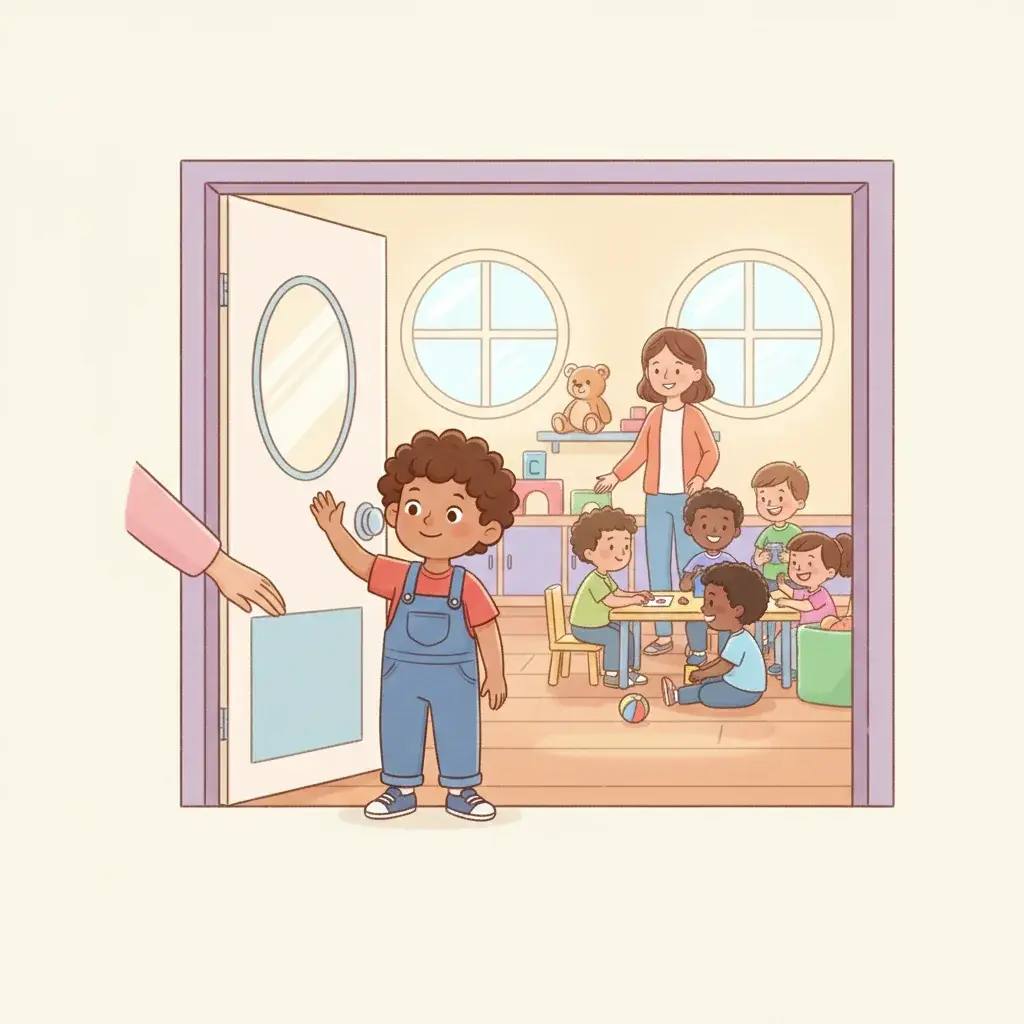
Welcome to Play School: A Day of Fun and Friends

Introduce your child to the joy of play school with this engaging social story. Perfect for easing transitions and building excitement about new experiences.
Story Preview
Welcome to Play School: A Day of Fun and Friends
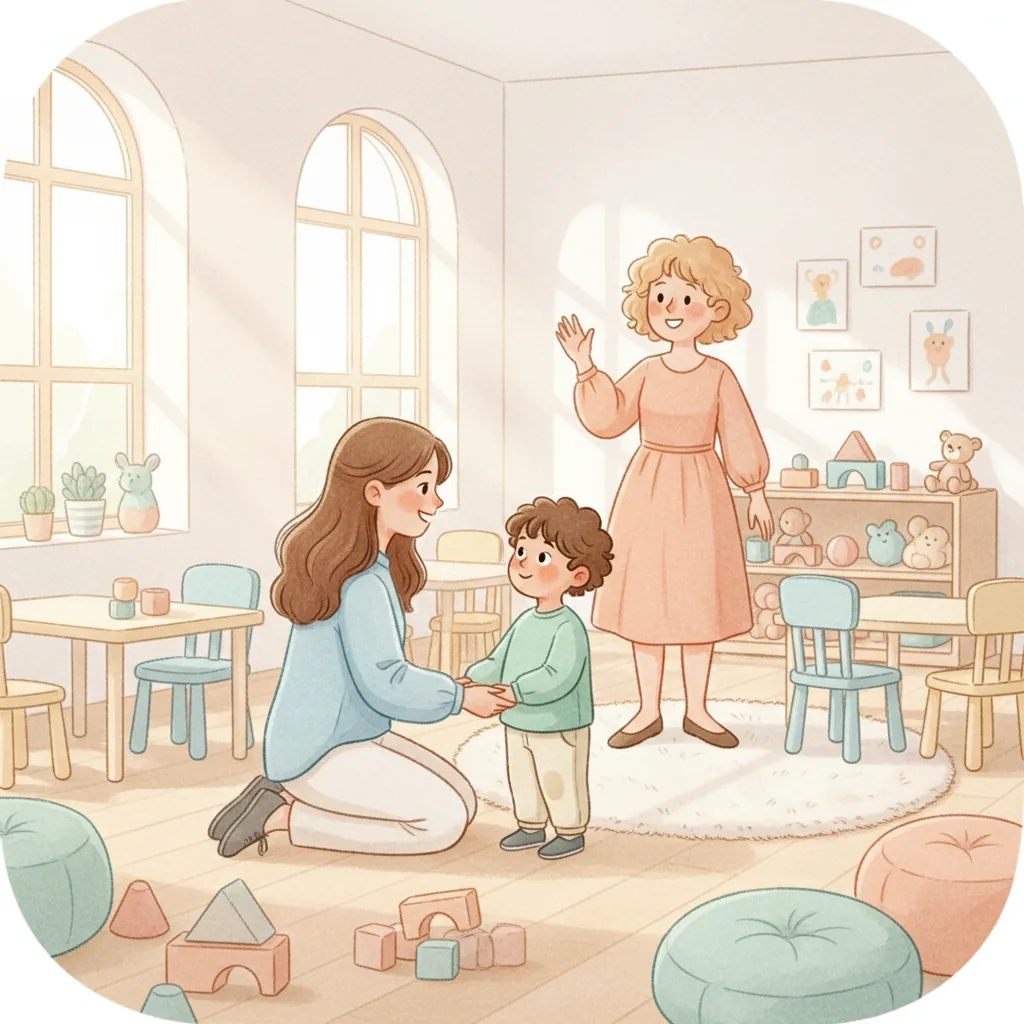
I walked into play school with Mommy.
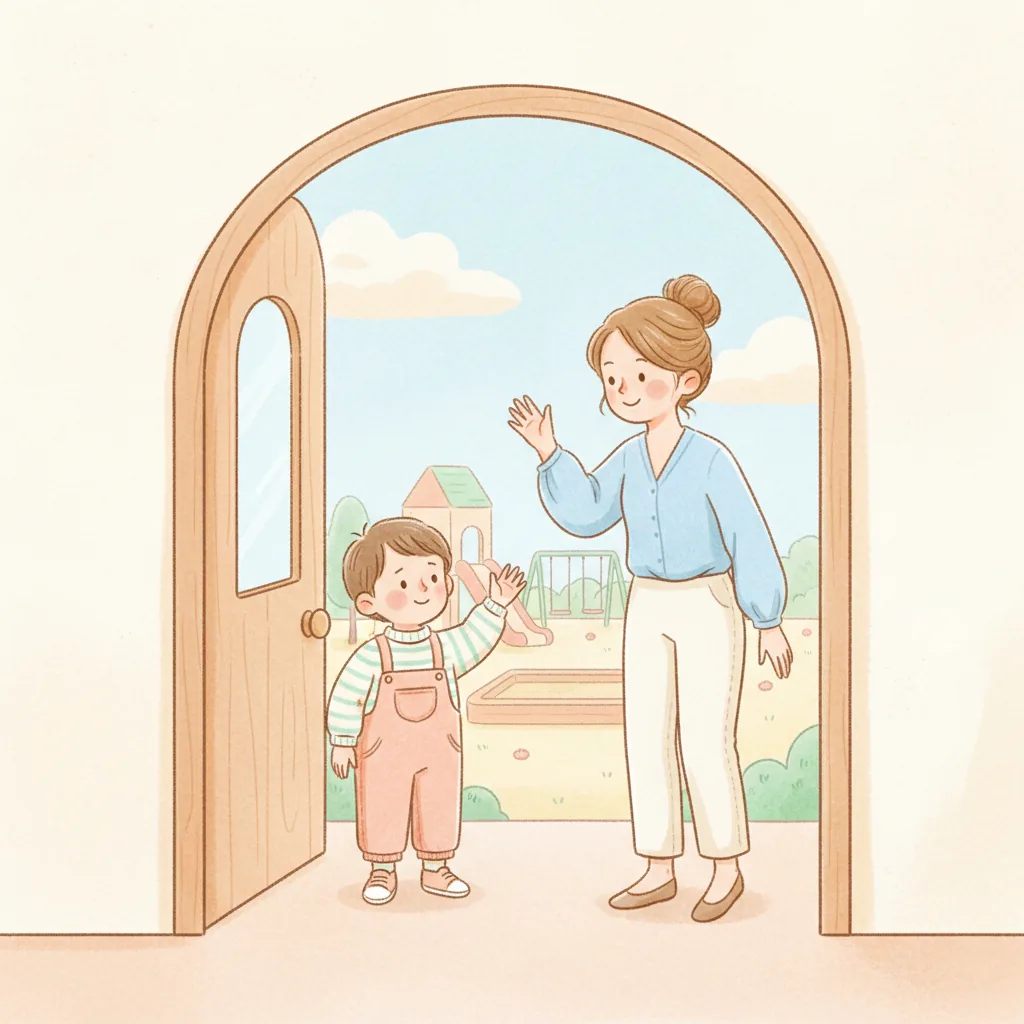
Mommy said goodbye at the door.
Purchase to access all pages
Who Is This For?
What's Inside
This social story includes relatable scenarios to help children feel excited and prepared for their first day at play school.
About This Story
Welcome to play school! This printable social story helps children understand what to expect on their first day. With relatable sentences and colorful illustrations, it promotes excitement and comfort in a new environment.
Key Features:
- Engaging narrative about starting play school
- Encourages emotional regulation and social skills
- Perfect for parents and educators
Disclaimer: This resource supports learning. It does not replace professional advice.
How to Use This Story
When to use this story
This social story is ideal for children who are about to start play school or are transitioning into new social environments. It can help ease any feelings of uncertainty and build excitement about meeting new friends and engaging with different activities. Reading this story together can create a positive narrative around play school, helping your child feel more comfortable and prepared for their new adventure.
What's inside
"Welcome to Play School: A Day of Fun and Friends" takes young readers on a heartwarming journey into the world of play school. The story begins with the comforting presence of a caregiver, as the child walks into play school. Key moments include the child experiencing a warm goodbye from Mommy, meeting a friendly teacher, and observing peers engaged in fun activities like building with blocks. The narrative emphasizes positive interactions, such as sharing blocks with a new friend, which reinforces the value of friendship and collaboration. This story is not only engaging but also relatable, helping preschoolers visualize what to expect in their new setting.
What kids learn
Through this story, children learn about:
- The emotions associated with starting a new experience, such as anticipation and excitement.
- The importance of friendship and how to make connections with peers.
- Sharing and cooperation as essential skills for group play.
- Navigating transitions with support from caregivers and teachers.
- Emotional regulation by understanding their feelings and those of others in a new environment.
Research context
The tradition of social stories, initially developed by Carol Gray, provides a structured way for children to understand social situations and expectations. This approach has been widely recognized for its effectiveness in promoting social understanding and emotional awareness. Narrative-based social and emotional learning (SEL) research supports the use of stories like this one, highlighting their role in fostering connection, empathy, and problem-solving skills among young learners. By integrating storytelling into childhood education, caregivers and educators can enhance children's social experiences and emotional growth.
Tips for parents and educators
- Read the story together with your child before they start play school to build familiarity and comfort with the new environment.
- Encourage your child to share their thoughts and feelings about starting play school while discussing the story.
- Use open-ended questions to prompt dialogue, such as asking how they would feel meeting new friends.
- Role-play scenarios from the story, such as sharing toys or greeting a teacher, to practice social interactions.
- Reinforce the positive themes of the story by highlighting real-life experiences your child has at play school.
- Celebrate small successes in social interactions, such as making a new friend or participating in group activities.
How This Story Lands — Clinical Review & Perspectives
One named clinical review from our co-founder Rajini, plus three composite perspectives summarising how this story tends to land in a classroom, at home, and in therapy. How we write these.

Engaging Story for Transitioning to School
As a speech-language pathologist, I find 'Welcome to Play School' is a wonderful tool for helping children ease into new environments. I often read this story with my preschool clients, focusing on the simple, age-appropriate language. While reading, I encourage kids to express their feelings about starting school and to identify characters’ actions, which promotes language development and social skills. After reading, I listen for them to share their own experiences or ask questions about school, fostering communication and engagement.
Useful for Social Interaction Skills
OTs often pair this kind of story with activities that promote social interaction skills. In sensory-regulation work, this story can be used to help children visualize and rehearse their new school environment. The narrative encourages children to think about sharing and making friends, which can be integrated into play-based activities. It’s an effective resource for helping children navigate their feelings about transitions and building confidence in social settings.
Composite perspective synthesised from common feedback patterns — read how.
Sparking Conversations About School
Parents reading this with their child often notice that it sparks conversations about their own experiences with school. The relatable scenarios help kids express their feelings and ask questions about what to expect. It’s comforting for them to see characters enjoying play school, which encourages excitement rather than anxiety about new experiences. Many parents appreciate how the story opens the door for discussing friendships and sharing, helping to prepare their child for social interactions in a supportive way.
Composite perspective synthesised from common feedback patterns — read how.
Great for Inclusive Classrooms and Social Skills
In an inclusive classroom, this story works well because it highlights the excitement of starting play school, making it relatable for all children. Educators using small-group settings will find that the repetitive structure allows for easy comprehension and engagement. Visual supports paired with this story can enhance understanding, especially for children who benefit from visual cues. It serves as a great conversation starter about sharing and making friends, which are essential social skills in any classroom.
Composite perspective synthesised from common feedback patterns — read how.
Frequently Asked Questions
How can 'Welcome to Play School' help my child adjust to their new environment?
'Welcome to Play School' is designed to ease your child's transition into play school by presenting relatable scenarios and characters. The engaging story encourages excitement and familiarity with new routines, making the experience less daunting. By reading this social story together, you can help your child express their feelings and ask questions about what to expect, promoting a smoother adjustment.
How can I use this social story?
Read it with your child to prepare them for their first day at play school.
What age is this story suitable for?
This story is designed for preschool-aged children.
You May Also Like



Read More
Creating an Inclusive SEL Classroom for Neurodivergent Students
To create an inclusive SEL classroom for neurodivergent students, incorporate anti-masking practices, adapt curricula, and engage culturally responsive methods. Parents can advocate for these changes
Read article →Push-In vs Pull-Out Services: Navigating the Best Approach for Your Child
Push-in and pull-out services are two key approaches in special education. Push-in involves therapists working within the classroom, promoting social skills and reducing stigma. Pull-out offers focuse
Read article →Understanding SEL in Schools: A Parent's Guide to Social Emotional Learning
Social Emotional Learning (SEL) enhances children's emotional and social skills. Programs like Second Step and Sanford Harmony integrate SEL into classrooms. Parents can support SEL by engaging with e
Read article →
This resource supports learning. It does not replace professional advice.