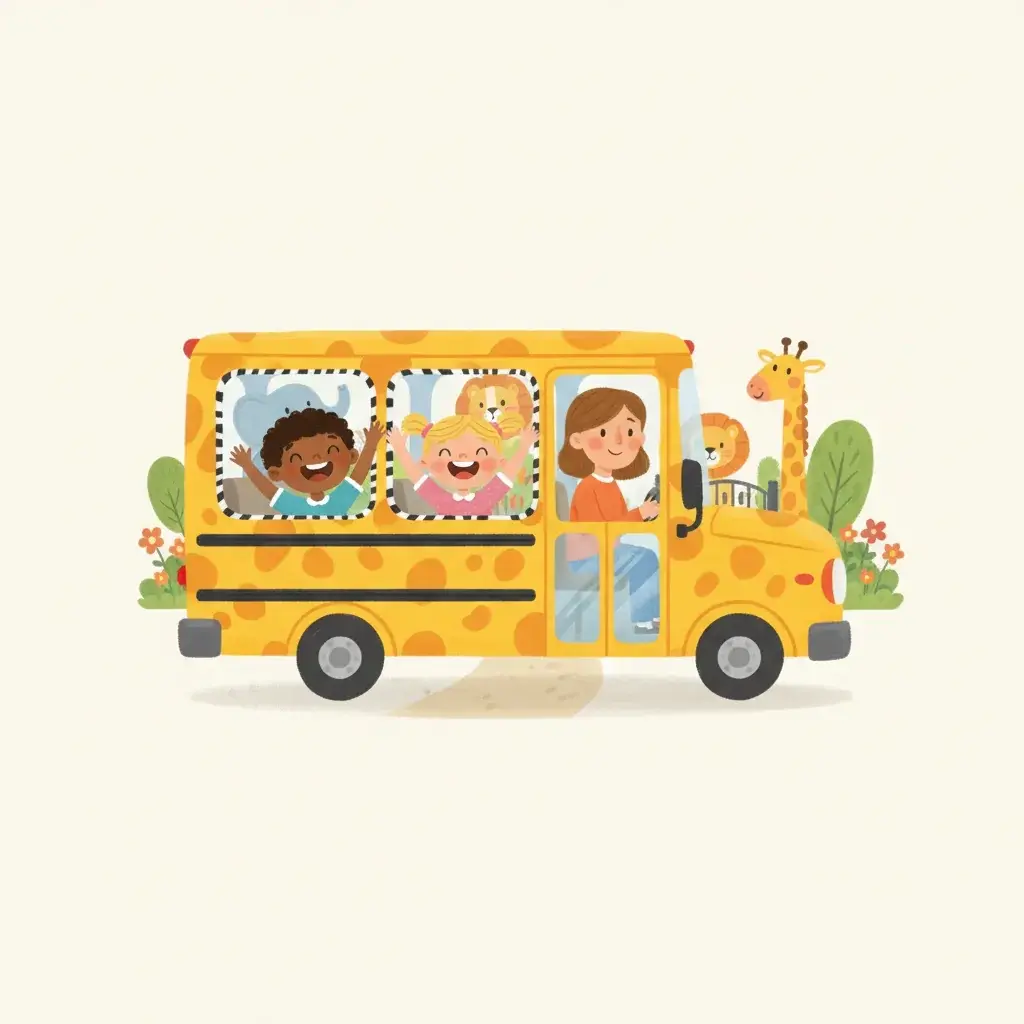
Zoo Adventure: Learning and Exploring Together

Join your child on a fun zoo adventure! This printable social story helps children learn about exploring and enjoying the zoo experience with friends.
Story Preview
Zoo Adventure: Learning and Exploring Together
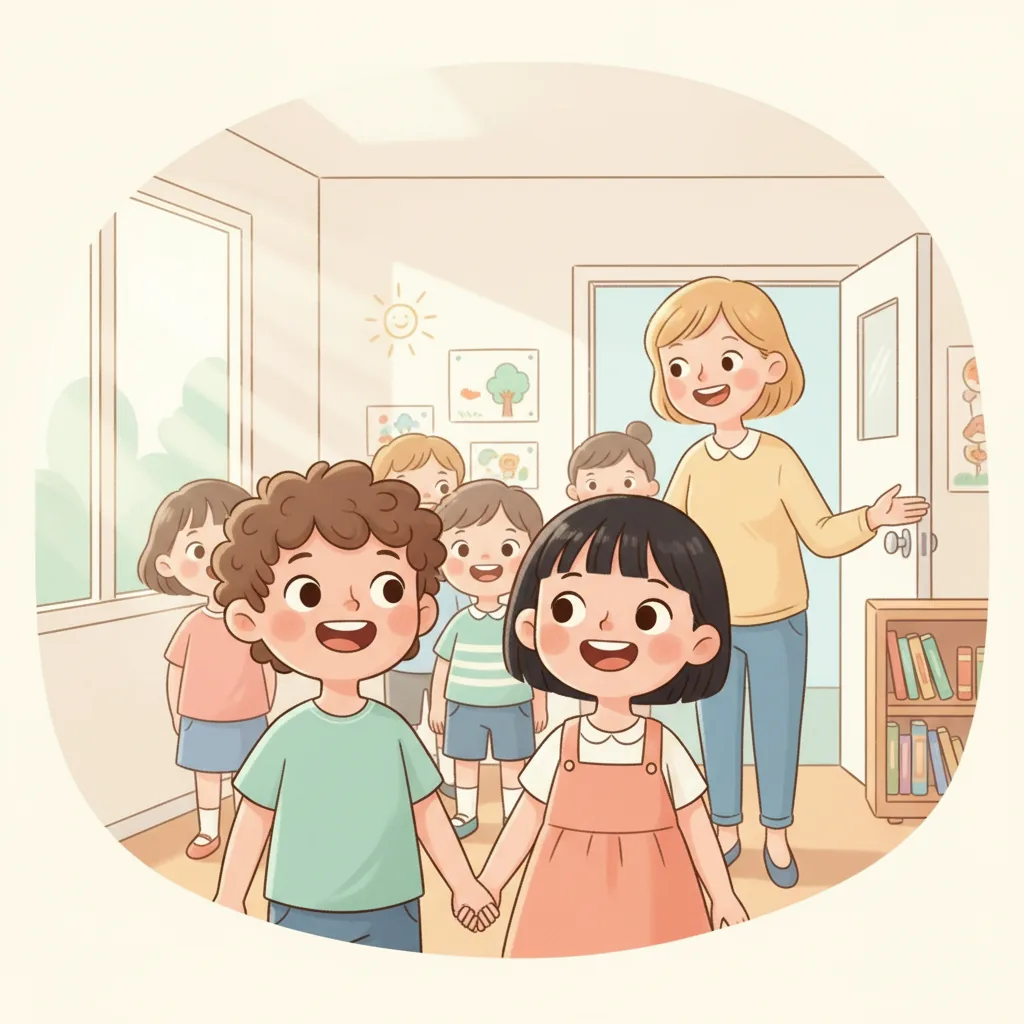
Today, we go to the zoo. I feel excited!
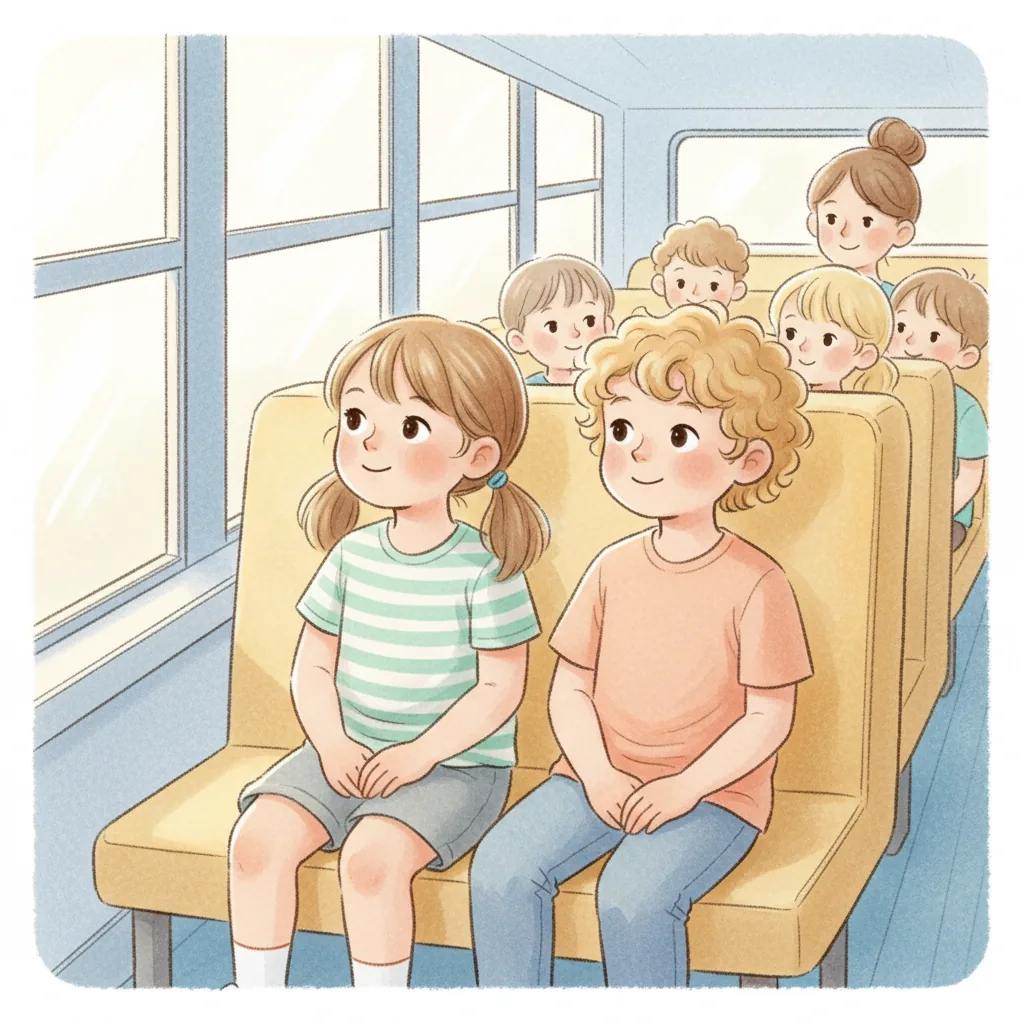
We ride the bus. I sit with my friend.
Purchase to access all pages
Who Is This For?
What's Inside
This social story includes exciting sentences about visiting the zoo, fostering social skills and emotional understanding.
About This Story
Take your child on a delightful journey with our printable social story, "Zoo Adventure: Learning and Exploring Together." This engaging resource encourages exploration and social skills as children learn about visiting the zoo with friends.
Key Features:
- Exciting sentences to spark imagination
- Supports social skills and emotional understanding
- Perfect for preschool and early learners
Disclaimer: This resource supports learning. It does not replace professional advice.
How to Use This Story
When to use this story
"Zoo Adventure: Learning and Exploring Together" is a wonderful resource for preschool children preparing for a trip to the zoo. This story can be introduced before the visit, helping little ones anticipate the excitement of the day and understand the social dynamics involved in a group outing. It serves as a guide for exploring new environments and interacting with peers, making it ideal for use in classrooms, therapy sessions, or at home.
What's inside
In this engaging printable social story, your child will embark on a delightful zoo adventure alongside their peers. The narrative begins with the excitement of heading to the zoo, setting a positive tone for the experience. Key moments in the story include:
- Riding the bus with friends, emphasizing the joy of companionship.
- Practicing quiet conversations, showcasing respectful communication.
- Staying close to the group while observing animals like lions, reinforcing safety and self-control.
- Using a calm voice to interact with the environment, encouraging a sense of calmness and respect for the animals.
Each page is designed to capture the essence of a zoo visit, while also being relatable for young children. The story incorporates vocabulary and comprehension activities, along with opportunities for open-ended discussions and creative role-play, enriching the overall learning experience.
What kids learn
Through the engaging narrative of "Zoo Adventure," children will learn valuable social skills, such as:
- The importance of staying with their group in new environments.
- How to communicate quietly and respectfully, especially in public spaces.
- Recognizing the feelings of both peers and animals, fostering empathy and connection.
- Engaging in shared experiences, which helps to build friendships and teamwork.
These lessons contribute to a positive social experience at the zoo, as well as in other group settings.
Research context
The use of social stories, like "Zoo Adventure," draws on a rich tradition of narrative-based learning, which has been shown to support social understanding and interactions in children. Carol Gray's foundational work in developing social stories emphasizes their effectiveness in teaching social skills through relatable narratives. Additionally, research in social-emotional learning (SEL) highlights the benefits of storytelling in helping children develop positive relationships and navigate social situations.
Tips for parents and educators
- Read together: Share the story multiple times before the zoo visit to help reinforce the concepts.
- Discuss feelings: Ask your child how they would feel in different scenarios mentioned in the story.
- Role-play: Create a mini zoo experience at home, allowing your child to practice what they learned.
- Use visuals: Incorporate pictures of the animals they will see to build excitement and familiarity.
- Encourage questions: Allow your child to express their thoughts and curiosities about the zoo and the animals.
- Praise efforts: Acknowledge your child's engagement and participation during the zoo visit to strengthen their confidence.
How This Story Lands — Clinical Review & Perspectives
One named clinical review from our co-founder Rajini, plus three composite perspectives summarising how this story tends to land in a classroom, at home, and in therapy. How we write these.

A Wonderful Tool for Social Learning
As a speech-language pathologist, I appreciate how 'Zoo Adventure: Learning and Exploring Together' engages preschoolers in a relatable context. I often use this story with my young clients to promote expressive language and social skills. The narrative encourages children to articulate their feelings and experiences, such as excitement and safety. While reading, I listen for their use of vocabulary related to emotions and social interactions. The age-appropriate language helps facilitate discussions about zoo experiences, making it a valuable resource for my caseload.
Great for Sensory Regulation and Learning
OTs often pair this kind of story with sensory-regulation work, as it provides a fun way to discuss environments that may be overwhelming for some children. 'Zoo Adventure' can be used to help children prepare for the sensory experiences of visiting a zoo, from the sights to the sounds. It encourages them to express their feelings and navigate social situations, making it a versatile tool in therapy sessions. The clear, simple language helps all children feel included and engaged.
Composite perspective synthesised from common feedback patterns — read how.
Sparking Conversations About Social Experiences
Parents reading this with their child often notice how it sparks conversations about feelings and social settings. 'Zoo Adventure' helps kids articulate their excitement and understand the importance of staying with friends. Many parents find that after reading, their children are eager to discuss what they would like to see at the zoo, allowing for deeper engagement. It also serves as a gentle reminder of how to behave in public, which is especially helpful for children with ADHD or autism.
Composite perspective synthesised from common feedback patterns — read how.
Effective for Inclusive Classroom Settings
In an inclusive classroom, this story works well because it introduces children to the zoo experience in a structured manner. Educators using small-group settings will find that the repetitive language and visual supports enhance understanding and engagement. The storyline promotes sharing and cooperation, which are essential for social interactions among peers. It also provides a framework for discussing expected behaviors in public places, making it a practical addition to social skills lessons.
Composite perspective synthesised from common feedback patterns — read how.
Frequently Asked Questions
What specific skills does 'Zoo Adventure: Learning and Exploring Together' help my child develop?
This engaging social story focuses on vocabulary building, comprehension, and creative expression through fun activities. Your child will practice spelling and language skills while role-playing different zoo experiences, encouraging them to express their thoughts and feelings about visiting the zoo with friends.
How can I use this social story?
Read it with your child to help them understand the zoo experience.
What age group is this story suitable for?
This story is designed for preschool children.
You May Also Like

Read More
Push-In vs Pull-Out Services: Navigating the Best Approach for Your Child
Push-in and pull-out services are two key approaches in special education. Push-in involves therapists working within the classroom, promoting social skills and reducing stigma. Pull-out offers focuse
Read article →Empowering Neurodivergent Children: Crafting Authentic IEP Social Skills Goals
Crafting IEP goals for neurodivergent children requires a focus on authentic social skills that respect and affirm autistic identities. Avoid masking by emphasizing natural communication and interacti
Read article →Celebrating Special Days with Neurodivergent Families: A Social-Emotional Learning Approach
Special days offer unique opportunities for neurodivergent families to foster self-awareness, social skills, and empathy. Through SEL-based activities, families can celebrate World Autism Day, Mother'
Read article →
This resource supports learning. It does not replace professional advice.