Nurturing Preschoolers' Social-Emotional Skills: A Comprehensive Guide
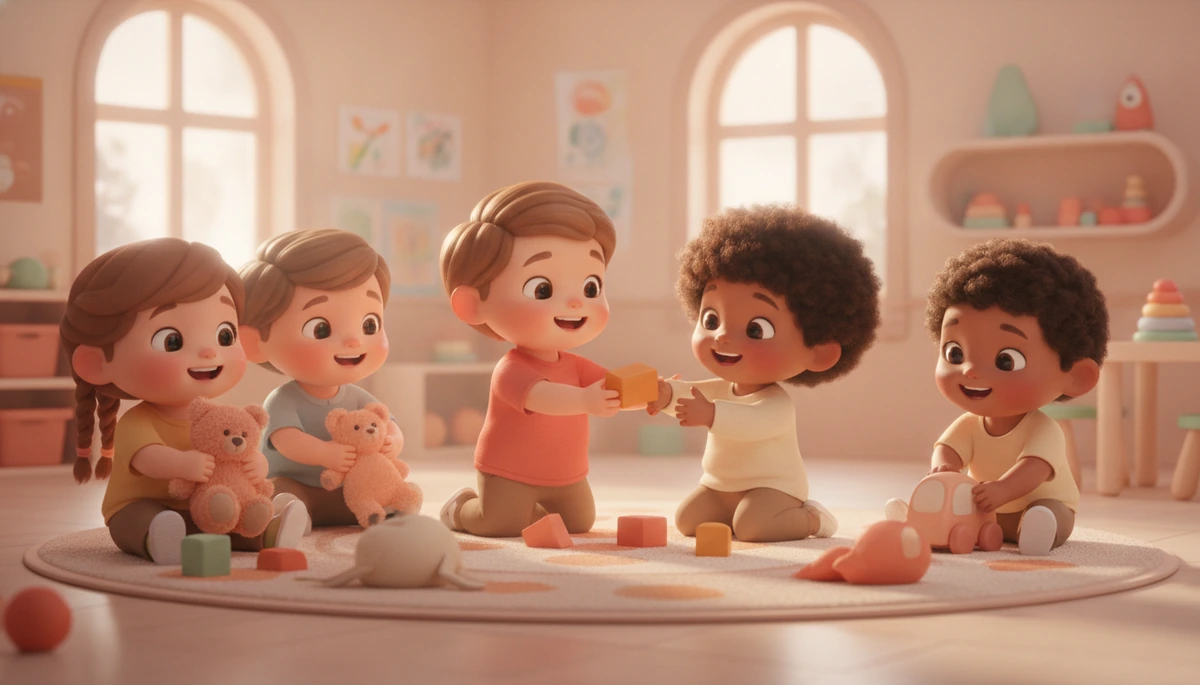
In This Guide
- Imaginary Friends and Theory of Mind: A Preschool Milestone - Discover how imaginary play boosts empathy and understanding.
- Big Feelings in a Small Body: Teaching Emotion 'Size' to Preschoolers - Learn techniques for helping children manage overwhelming emotions.
- Preschool First Friendships: Turn-Taking, Reciprocity, and Real Connection - Explore how preschoolers develop essential social skills.
- Why a 4-Year-Old Lies (and Why It's a Good Sign) - Understand the developmental reasons behind fibbing.
Understanding Preschool Social-Emotional Development
As children enter the preschool years, their social-emotional learning (SEL) becomes increasingly complex. This period, typically covering ages 3 to 5, is marked by rapid growth in empathy, emotional expression, and social interaction. Preschoolers start to navigate friendships, understand others' feelings, and manage their own emotions better.
Key Milestones
By age 3, children typically begin to engage in parallel play, enjoying the company of peers without direct interaction. As they approach age 4, their play becomes more interactive and cooperative. According to Wellman, Theory of Mind starts to emerge around this age, enabling children to understand that others have thoughts and feelings different from their own 2. By age 5, many children can empathize with their friends and manage simple conflicts by themselves.
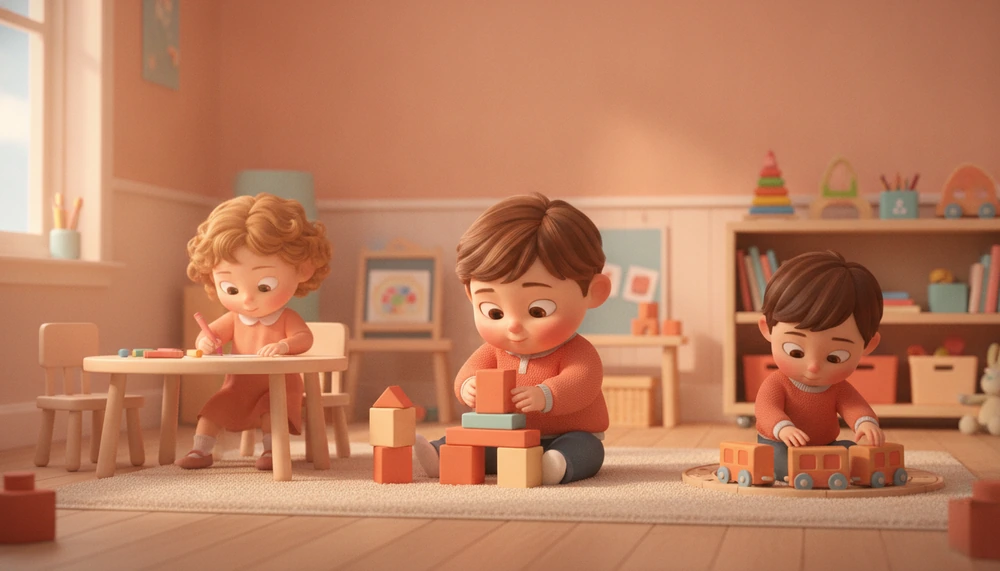
In my practice, I often see children at this stage expressing their needs more articulately, using words like "please" and "thank you". Parents report an increase in their child’s ability to negotiate play scenarios, reflecting growing empathy and understanding of fairness.
Common Red Flags
While every child develops at their own pace, certain behaviors may warrant closer observation. Difficulty in making eye contact, extreme reactions to changes in routine, or a lack of interest in playing with peers can be areas to monitor. These might indicate a need for additional support or an evaluation by a specialist.
In my practice, I've seen many parents worry about their child's social skills. It's important to remember that consistency and scaffolding at home can bridge gaps seen in more structured environments like preschool. For example, a parent might notice their child struggling with turn-taking during playdates. By introducing structured turn-taking games at home, parents can provide opportunities to practice these skills in a safe environment.
Activities to Support SEL
Role-Playing and Storytelling
Role-playing and storytelling are powerful tools for enhancing social-emotional skills. They allow children to explore different perspectives and practice empathy. Consider using social stories like Embracing New Friends at Preschool to create scenarios where they can practice making friends.
Example Scenario: Imagine your child is playing a game where they pretend to be at a doctor's office. You can join in as a patient, allowing your child to take on the role of the doctor. This switch encourages them to think about how they would like to be treated and fosters empathy.
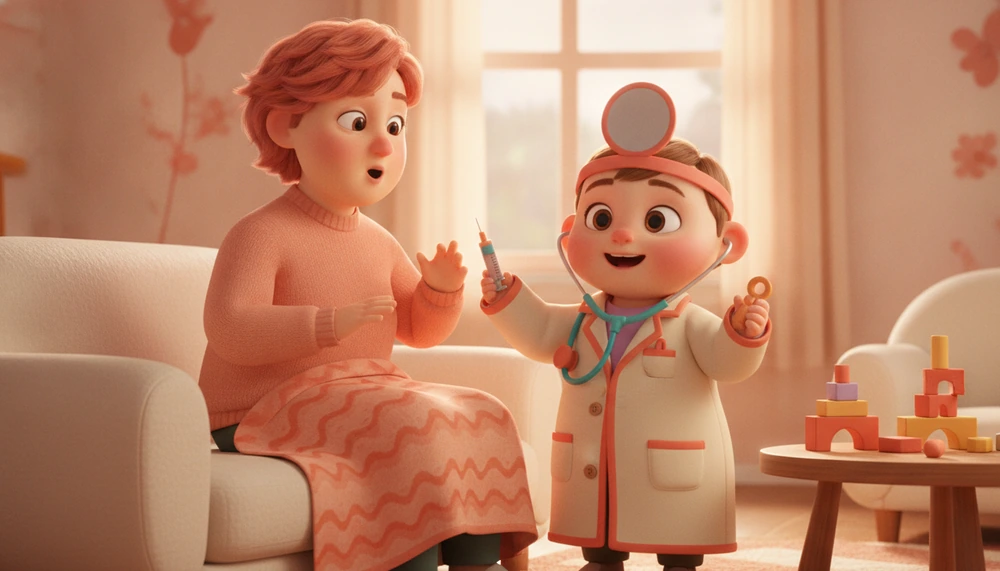
In another scenario, you might use storytelling to navigate emotions. Create a story where a character feels upset because their toy is broken. Discuss with your child how the character feels and what they might do to feel better. This dialogue encourages emotional expression and problem-solving.
Imaginative Play
Imaginative play, such as creating imaginary friends, is another avenue for SEL development. It helps children explore their emotions and understand others' perspectives. For insights on how this impacts their growth, visit Imaginary Friends and Theory of Mind: A Preschool Milestone.
In my practice, children who engage in imaginative play often display greater creativity and emotional resilience. They learn to navigate complex social scenarios in a controlled, imaginative environment, which enhances their problem-solving skills.
Games and Activities
Games that involve turn-taking and sharing are excellent for developing social skills. Simple board games or group activities where children need to wait for their turn can teach patience and cooperation.
Infographic: Cooperative Games for Preschoolers
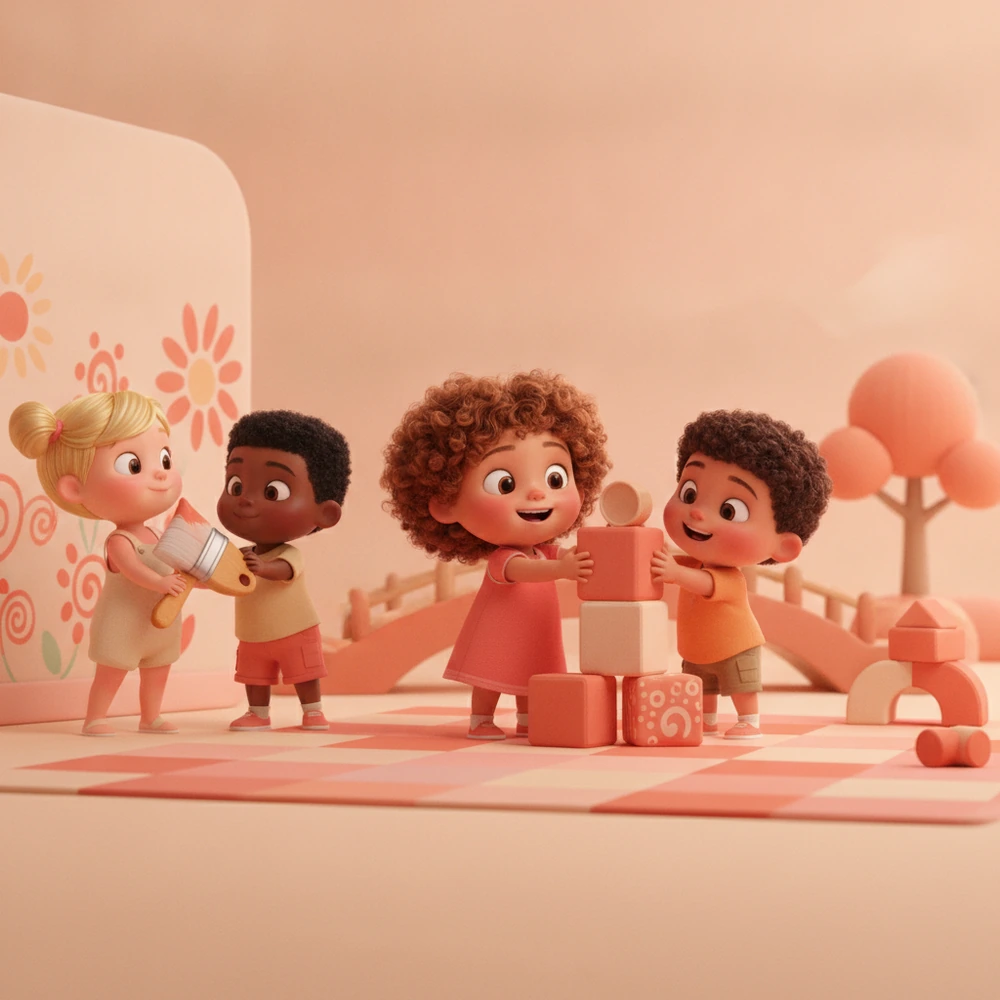
Consider setting up a "sharing day" where your child can choose a toy to bring to a playdate. Discuss beforehand how they feel about sharing and what they might say if they want their toy back. This preparation helps them to articulate their needs and practice negotiation.
Common Concerns and Solutions
Why Is My 4-Year-Old Lying?
Lying at this age can be a sign of developing cognitive skills. It indicates that your child is beginning to understand others' perspectives and can imagine different scenarios. For more on this, see Why a 4-Year-Old Lies (and Why It's a Good Sign).
- Child: "I didn't eat the cookie."
- Parent: "I see crumbs on your shirt. It's okay if you ate it. We can make a plan for next time."
This approach acknowledges the child's feelings while guiding them to truthfulness.
I've observed in my practice that when parents remain calm and use these moments as teaching opportunities, children learn to navigate truth and fiction more effectively. Encouraging honesty while understanding the creative impulse behind a fib can foster trust.
Building Friendships
Preschool friendships are vital for social development. Encourage your child to engage in activities like Smiles and Names: Making New Friends. These interactions teach children about empathy and cooperation.
In my practice, I've observed that children who are supported at home in understanding their emotions often navigate friendships with greater ease. Parents can facilitate this by arranging regular playdates and discussing social interactions afterward, helping children reflect on what went well and what could be improved.
The Role of Parents in SEL
Parents are children's first teachers and play a crucial role in their social-emotional development. By modeling positive interactions and providing a supportive environment, you can enhance your child's SEL growth.
Consistency and Scaffolding
Consistency in routines provides children with a sense of security and predictability. This stability is crucial for emotional regulation. Scaffolding, a technique where parents gradually step back as children gain skills, supports independence and confidence.
Example: Establish a bedtime routine where you read a story together. Gradually allow your child to take more responsibility, such as choosing the book or turning pages. This routine builds their confidence and independence.
In my practice, I've found that families who use scaffolding techniques often see their children become more self-reliant and confident in their abilities. This gradual transfer of responsibility empowers children and reinforces their self-management skills.
Encouraging Emotional Expression
Teaching children to express their emotions positively is a cornerstone of SEL. Encourage your child to use words to describe their feelings. Social stories like Using Words to Share Our Feelings and Needs can be beneficial in this process.
- Child: "I'm mad!"
- Parent: "I understand. Being mad is okay. Can you tell me why?"
This conversation helps children identify and articulate their feelings, a key component of emotional intelligence.
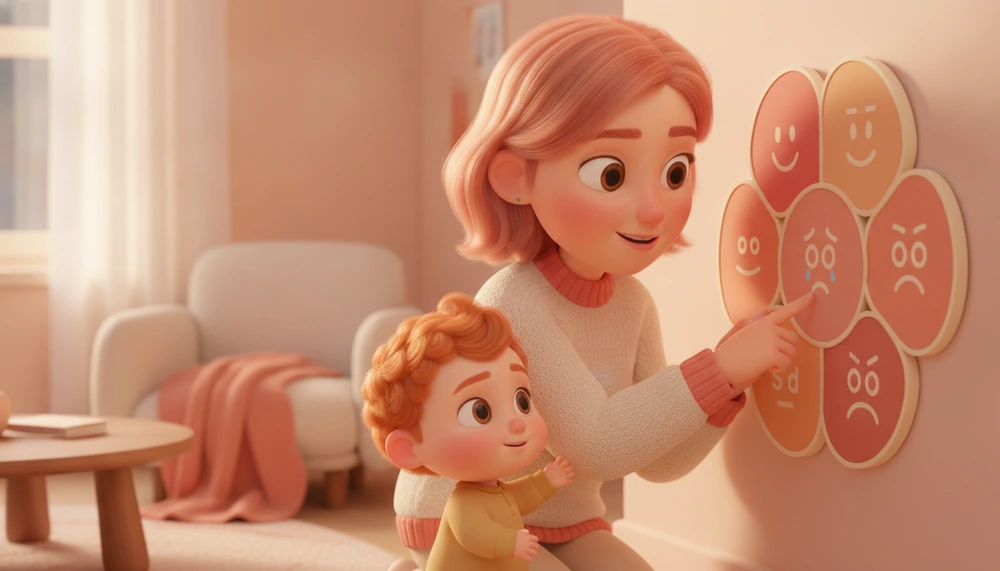
Incorporate emotion charts or feeling faces to help children identify their emotions visually. Discuss these emotions regularly, especially during calm moments, to build a robust emotional vocabulary.
References
1 Selman, R. (1980). The Growth of Interpersonal Understanding. 2 Wellman, H. (2014). Making Minds: How Theory of Mind Develops. 3 AAP Bright Futures: Guidelines for Health Supervision (4th ed.). 4 Gottman, J. (1997). Raising an Emotionally Intelligent Child.
Try It This Month
-
Role-Play a Common Scenario
Description: Use everyday situations to role-play with your child, enhancing their empathy and problem-solving.
When: Day 1-2
Example: Imagine you and your child are shopping. Pretend you're a customer and your child a cashier. Role-play how to greet and help each other, taking turns in roles. Discuss feelings and actions after each scenario. -
Create a Sharing Game
Description: Develop a simple game focused on sharing and cooperation.
When: Day 3-4
Example: Set up a "sharing station" with toys or snacks. Encourage your child to share items with family members, taking turns and discussing how sharing makes them feel. Use the Sharing Toys with Friends Social Story as a guide. -
Use Social Stories for Emotion Recognition
Description: Introduce social stories to help your child recognize and express emotions.
When: Daily, 10 min
Example: Read Using Words to Share Our Feelings and Needs with your child each evening. Discuss the emotions in the story and relate them to your child's experiences. -
Establish a Consistent Routine
Description: Develop a daily routine that provides structure and predictability.
When: Daily
Example: Create a morning routine that includes breakfast, dressing, and a short story. Consistency helps children feel secure and manage transitions better. -
Model Positive Emotional Expression
Description: Show your child how to express emotions positively through your actions.
When: Weekly
Example: When feeling frustrated, narrate your emotions, "I'm feeling overwhelmed, so I'm going to take deep breaths." Let your child see you regulate your emotions calmly. -
Practice Turn-Taking with Games
Description: Use games to practice turn-taking and patience.
When: This weekend
Example: Play a board game that requires turn-taking, like "Candy Land." Encourage your child to wait patiently and celebrate their turn-taking skills. -
Engage in Imaginative Play
Description: Encourage imaginative play to explore emotions and social roles.
When: Once a week
Example: Provide props for a "pretend school" where your child can play teacher or student, exploring different roles and emotions. Discuss what they liked about each role and what they learned.
Try It This Month
Reading is the easy part. Skills build through small, repeated practice — here's a low-pressure plan you can try with your child.
- 1Role-Play a Common ScenarioDay 1-2Use everyday situations to role-play with your child, enhancing their empathy and problem-solving.👉 What this looks likeImagine you and your child are shopping. Pretend you're a customer and your child a cashier. Role-play how to greet and help each other, taking turns in roles. Discuss feelings and actions after each scenario.
- 2Create a Sharing GameDay 3-4Develop a simple game focused on sharing and cooperation.Sharing Toys with Friends Social Story →👉 What this looks likeSet up a "sharing station" with toys or snacks. Encourage your child to share items with family members, taking turns and discussing how sharing makes them feel. Use the [Sharing Toys with Friends Social Story](INTERNAL:sharing-toys-with-friends-6) as a guide.
- 3Use Social Stories for Emotion RecognitionDaily, 10 minIntroduce social stories to help your child recognize and express emotions.Using Words to Share Our Feelings and Needs →👉 What this looks likeRead [Using Words to Share Our Feelings and Needs](INTERNAL:using-words-to-share-our-feelings-and-needs) with your child each evening. Discuss the emotions in the story and relate them to your child's experiences.
- 4Establish a Consistent RoutineDailyDevelop a daily routine that provides structure and predictability.👉 What this looks likeCreate a morning routine that includes breakfast, dressing, and a short story. Consistency helps children feel secure and manage transitions better.
- 5Model Positive Emotional ExpressionWeeklyShow your child how to express emotions positively through your actions.👉 What this looks likeWhen feeling frustrated, narrate your emotions, "I'm feeling overwhelmed, so I'm going to take deep breaths." Let your child see you regulate your emotions calmly.
- 6Practice Turn-Taking with GamesThis weekendUse games to practice turn-taking and patience.👉 What this looks likePlay a board game that requires turn-taking, like "Candy Land." Encourage your child to wait patiently and celebrate their turn-taking skills.
- 7Engage in Imaginative PlayOnce a weekEncourage imaginative play to explore emotions and social roles.👉 What this looks likeProvide props for a "pretend school" where your child can play teacher or student, exploring different roles and emotions. Discuss what they liked about each role and what they learned.
Frequently Asked Questions
What are typical social-emotional skills for a 3-year-old?
How can I help my 4-year-old make friends?
Why do preschoolers have big emotions?
What should I do if my child struggles with sharing?
How can I tell if my child's behavior is a red flag?
What's the role of parents in SEL for preschoolers?
How does imaginative play support SEL?
References