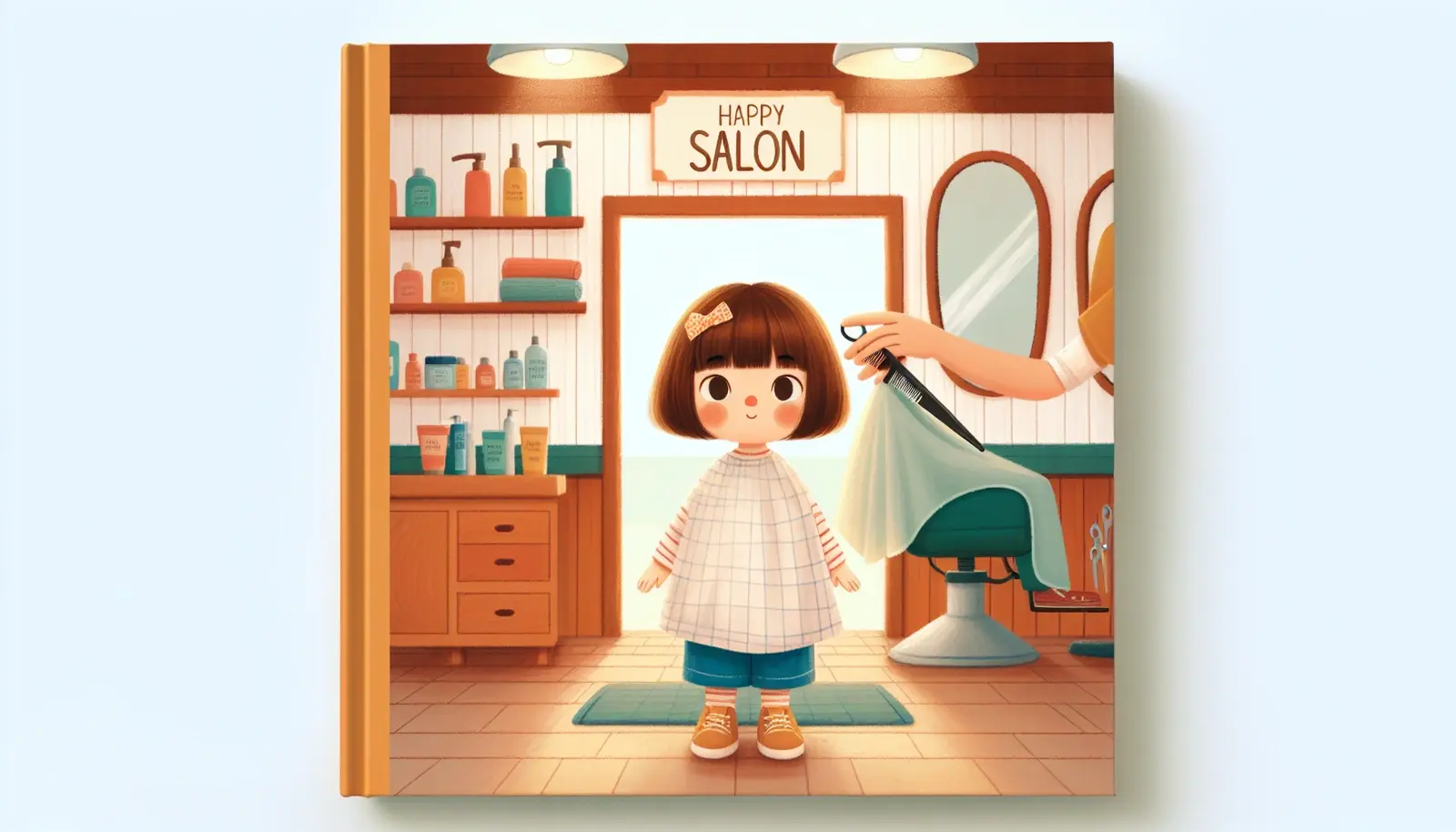
Fun Haircuts at the Happy Salon - Printable Social Story

Help your child prepare for a fun haircut experience with this engaging social story. Perfect for easing nerves and building excitement about visiting the salon!
Story Preview
Fun Haircuts at the Happy Salon
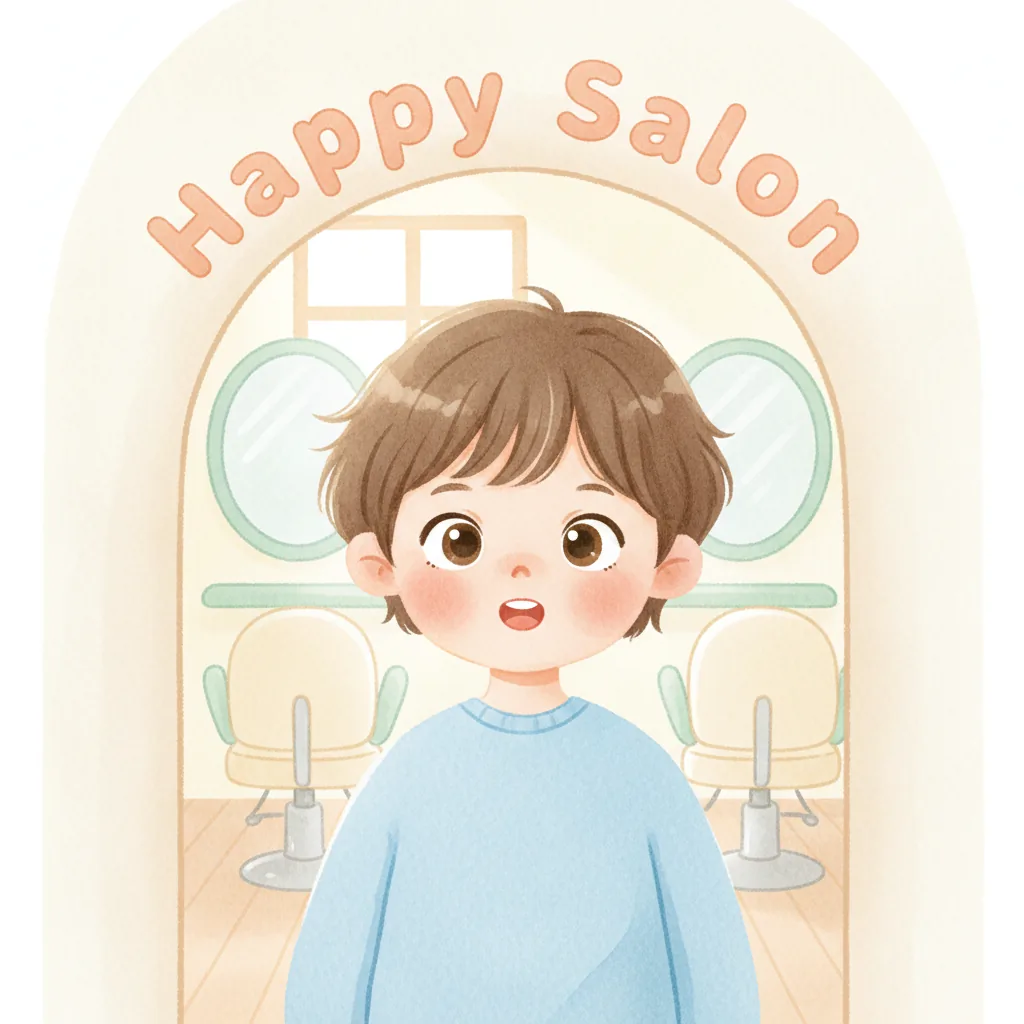
I am going to the Happy Salon today.
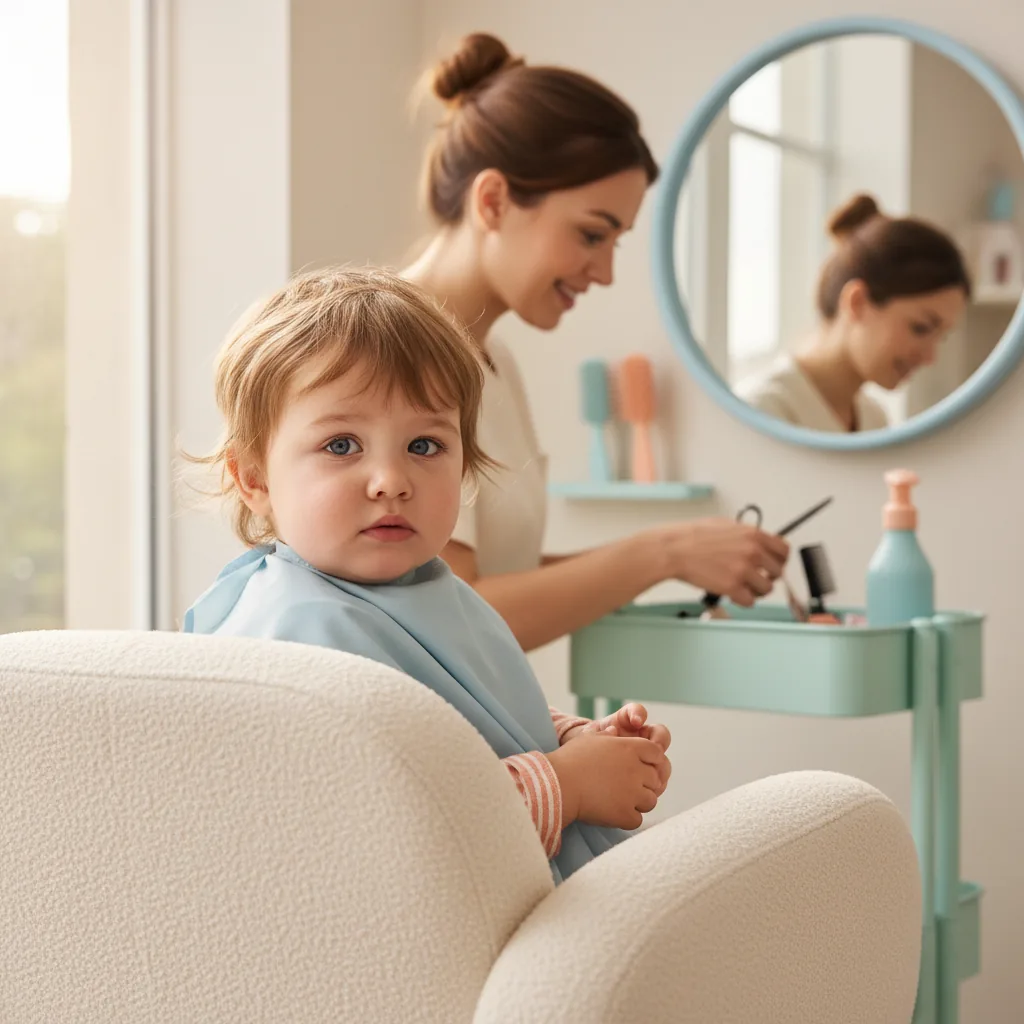
I feel a little nervous.
Purchase to access all pages
Who Is This For?
What's Inside
This social story includes engaging sentences and scenarios to help children feel excited and prepared for their haircut at the salon.
About This Story
Introduce your child to the joy of getting a haircut with our printable social story, "Fun Haircuts at the Happy Salon." This resource helps children understand what to expect during their salon visit, easing any anxiety they may have.
Key Features:
- Engaging sentences like, "I feel a little nervous" and "Haircuts at the Happy Salon are fun!"
- Encourages positive feelings about haircuts.
- Ideal for preschool and early learners.
Disclaimer: This resource supports learning. It does not replace professional advice.
How to Use This Story
When to use this story
This social story, "Fun Haircuts at the Happy Salon," is designed for young children, particularly those between the ages of 3 and 5 years. It is especially helpful for kids who may feel a bit anxious about visiting the salon for a haircut. The story gently introduces the salon environment and the friendly people they will meet, helping to ease any worries. This can be beneficial before an actual salon visit, or even when discussing haircuts in general to build excitement.
What's inside
In this engaging story, your child will accompany a young character as they prepare for a trip to the Happy Salon. The narrative begins with the character expressing feelings of nervousness about the haircut. It highlights comforting moments, such as holding a parent's hand, which reinforces the idea that it’s okay to feel a little anxious sometimes. As the story unfolds, the child meets a friendly hairdresser who shows them shiny scissors and smiles, creating a welcoming atmosphere.
Activities included in this printable social story enhance the experience:
- Vocabulary exercises to familiarize children with salon-related words.
- Spelling activities to practice key terms found in the story.
- Comprehension questions to check understanding and encourage discussion.
- Open-ended prompts that invite children to express their feelings about haircuts.
- Creative activities that allow them to draw their favorite haircut or salon experience.
- Role-playing scenarios to help them practice what to expect during their visit.
What kids learn
Through "Fun Haircuts at the Happy Salon," children learn about the salon environment and what to expect during a haircut. They become familiar with the emotions associated with trying something new, such as nervousness, and discover strategies to manage those feelings, like seeking comfort from a trusted adult. The story also promotes positive social interactions, as children see the importance of kindness and friendliness when meeting new people, like the hairdresser.
Research context
The tradition of using social stories, as pioneered by Carol Gray, has shown positive outcomes in supporting children as they navigate various social situations. Narrative-based social-emotional learning research indicates that storytelling can enhance understanding and emotional intelligence in children. By engaging with relatable stories, kids can build confidence and learn essential skills in a supportive and enjoyable way.
Tips for parents and educators
- Read the story together several times before the salon visit to build familiarity.
- Encourage your child to express their feelings and ask questions about haircuts.
- Use role-playing to act out the salon experience, reinforcing the comforting aspects of the visit.
- Discuss the importance of friendly interactions, like saying hello to the hairdresser.
- Celebrate the experience afterward, regardless of how it goes, to reinforce a positive association with haircuts.
How This Story Lands — Clinical Review & Perspectives
One named clinical review from our co-founder Rajini, plus three composite perspectives summarising how this story tends to land in a classroom, at home, and in therapy. How we write these.

A Wonderful Tool for Haircut Readiness
As a speech-language pathologist, I often use 'Fun Haircuts at the Happy Salon' to help children prepare for their salon visits. The simple, age-appropriate language is perfect for my preschool clients, allowing them to express their feelings about getting a haircut. I encourage parents to listen for their child’s reactions and questions during the reading, fostering communication. The story effectively reduces anxiety by introducing the friendly hairdresser and the environment, making the experience more relatable and enjoyable for young children.
Great for Sensory Preparation
OTs often pair 'Fun Haircuts at the Happy Salon' with sensory preparation activities for children who may be anxious about haircuts. In sensory-regulation work, this story can be used to introduce the sounds and sights of the salon, helping children familiarize themselves with the experience beforehand. It's an effective tool for building comfort and reducing sensory overload, and many therapists appreciate how it promotes storytelling and imaginative play.
Composite perspective synthesised from common feedback patterns — read how.
Sparking Conversations About Haircuts
Parents reading 'Fun Haircuts at the Happy Salon' with their child often notice that it sparks conversations about feelings and experiences related to haircuts. The relatable characters and scenarios make it easier for kids to express any fears or excitement they have about visiting the salon. This story has been a great way for families to bond over a shared experience and prepare their children for upcoming haircuts in a positive, engaging way.
Composite perspective synthesised from common feedback patterns — read how.
Effective for Inclusive Classroom Settings
In an inclusive classroom, 'Fun Haircuts at the Happy Salon' works well because it provides a visual and narrative structure that many children can relate to. Educators using small-group settings will find that the story encourages participation and discussion, especially with the illustrations depicting the salon experience. Repetition and visual supports throughout the story help reinforce concepts, making it easier for children to engage and express their feelings about salon visits.
Composite perspective synthesised from common feedback patterns — read how.
Frequently Asked Questions
How can this social story help my child feel more comfortable about getting a haircut?
This printable social story uses engaging illustrations and simple language to guide your child through what to expect at the salon. By reading about fun haircuts and the friendly atmosphere, your child can build excitement while easing any nerves. The included activities, like role-play and vocabulary exercises, also encourage discussion and understanding, making the experience less intimidating.
Can I print this story multiple times?
Yes, you can print this story as many times as you need for personal use.
What age is this social story suitable for?
This social story is designed for preschool-aged children.
You May Also Like
Read More
Creating an Inclusive SEL Classroom for Neurodivergent Students
To create an inclusive SEL classroom for neurodivergent students, incorporate anti-masking practices, adapt curricula, and engage culturally responsive methods. Parents can advocate for these changes
Read article →Push-In vs Pull-Out Services: Navigating the Best Approach for Your Child
Push-in and pull-out services are two key approaches in special education. Push-in involves therapists working within the classroom, promoting social skills and reducing stigma. Pull-out offers focuse
Read article →Understanding SEL in Schools: A Parent's Guide to Social Emotional Learning
Social Emotional Learning (SEL) enhances children's emotional and social skills. Programs like Second Step and Sanford Harmony integrate SEL into classrooms. Parents can support SEL by engaging with e
Read article →
This resource supports learning. It does not replace professional advice.